
In today’s competitive market, the quality of your visual content can significantly influence your brand’s perception and reach. Whether you’re capturing the essence of a product, telling a compelling story, or engaging your audience with dynamic video content, adhering to best practices in studio production is crucial. Here, we explore essential techniques to elevate your photography and video production, ensuring you make a lasting impact.
Pre-Production Planning
Define Your Objectives
Before diving into the technical aspects, clearly define the purpose of your shoot. Are you aiming to showcase a product, conduct an interview, or create a promotional video? Understanding your goals will guide every subsequent decision, from equipment selection to post-production.
Storyboarding and Scripting
For video productions, storyboarding and scripting are vital. Create a visual and textual outline of your project to ensure a smooth flow during shooting. This preparation helps in visualizing the final product and identifying potential challenges early on.
Scouting Locations
If you’re shooting outside your studio, scout locations in advance. Consider lighting conditions, space availability, and potential background noise. For studio shoots, plan your set design meticulously to reflect the desired mood and message.
Lighting Techniques
Three-Point Lighting
The three-point lighting setup is a staple in both photography and videography. It consists of:
- Key Light: The primary light source that highlights the subject.
- Fill Light: A softer light that reduces shadows created by the key light.
- Back Light: Adds depth by separating the subject from the background.
Soft Lighting
Soft lighting creates a more flattering and natural look, ideal for portraits and interviews. Use diffusers or softboxes to achieve this effect, avoiding harsh shadows and creating a gentle glow.
Lighting for Mood
Adjust your lighting to convey the desired mood. Warm lights create a cozy and inviting atmosphere, while cool lights can evoke a sense of professionalism and modernity.
Sound Considerations
Microphone Selection
Select the right microphone for your needs. Lavaliere mics are excellent for interviews, while shotgun mics are great for capturing directional sound. Ensure your microphones are positioned correctly to avoid background noise and echo.
Soundproofing
Soundproof your studio to minimize external noise. Use acoustic panels, carpets, and heavy curtains to absorb sound and create a controlled audio environment.


Camera Techniques
Camera Settings
Familiarize yourself with your camera’s settings. Adjust the ISO, aperture, and shutter speed to suit your lighting conditions and achieve the desired depth of field and motion blur.
Framing and Composition
Use the rule of thirds, leading lines, and other composition techniques to create visually appealing shots. Ensure your subject is well-framed and the background complements the overall composition.
Camera Movement
Incorporate smooth camera movements to add dynamism to your shots. Use gimbals, sliders, or drones for stable and creative motion.
Post-Production
Editing Software
Invest in professional editing software like Adobe Premiere Pro, Final Cut Pro, or DaVinci Resolve. These tools offer advanced features for color grading, audio mixing, and special effects.
Color Grading
Enhance your footage with color grading to achieve a consistent and polished look. Adjust the brightness, contrast, and color balance to match your project’s tone.
Sound Editing
Clean up your audio tracks by removing background noise, balancing levels, and adding effects where necessary. Clear and crisp audio is as important as high-quality visuals.
Drone Photography and Videography
Safety and Regulations
Ensure your drone operations comply with local regulations and safety guidelines. Obtain the necessary permits and licenses, and always conduct a pre-flight check.
Creative Angles
Drones offer unique perspectives that can add a wow factor to your productions. Experiment with different heights, angles, and movements to capture stunning aerial shots.
Repurposing Content
Multi-Platform Optimization
Repurpose your content for various platforms by creating different versions tailored to each medium’s requirements. This approach maximizes your reach and engagement across social media, websites, and traditional media.
Consistent Branding
Maintain consistent branding across all your visual content. Use the same color schemes, fonts, and logo placements to reinforce brand identity and recognition.
Conclusion
St. Louis Video Studio is a full-service professional commercial photography and video production company with the right equipment and creative crew service experience for successful image acquisition. We offer full-service studio and location video and photography, as well as editing, post-production, and licensed drone pilots.
St. Louis Video Studio can customize your productions for diverse types of media requirements. Repurposing your photography and video branding to gain more traction is another specialty. We are well-versed in all file types and styles of media and accompanying software. Our private studio lighting and visual setup is perfect for small productions and interview scenes, large enough to incorporate props to round out your set.
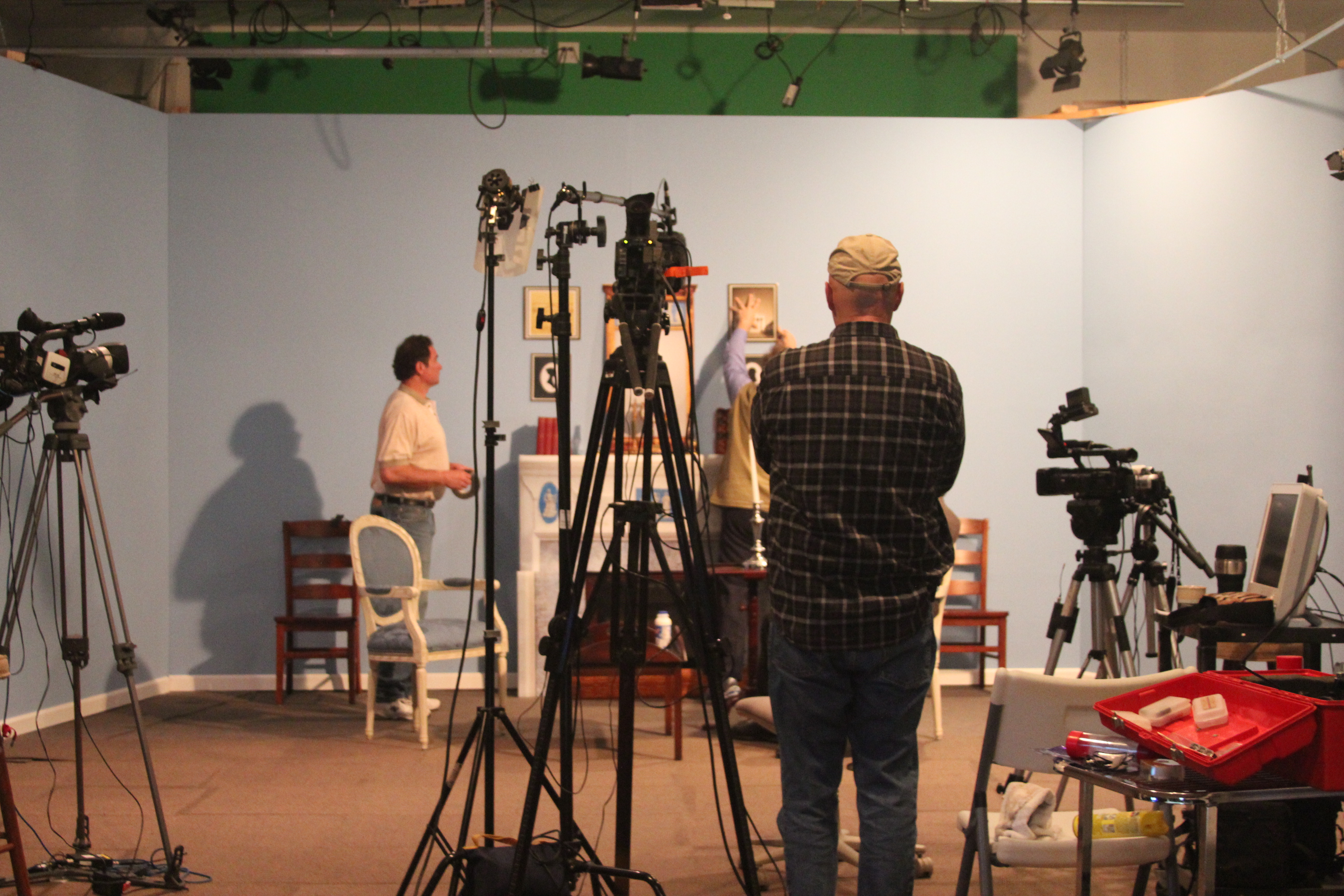
We can help with every part of your production, from a private custom interview studio setup to providing sound and camera operators to equipment. We have everything to make your next video production perfect, including flying our specialized drones indoors. As a full-service video and photography production company, St. Louis Video Studio has worked with many businesses, marketing firms, and agencies in the St. Louis area for their corporate photography and video needs.
Choose St. Louis Video Studio for your next project, and let us help you create visual content that captivates and engages your audience.
 St Louis Video Studio