
In today’s crowded media environment, businesses need more than generic video content. They need communication tools that are polished, strategic, and flexible enough to support websites, campaigns, sales efforts, recruiting, internal communications, and long-term brand development. That is why professionally produced video interviews paired with purposeful b-roll remain one of the most effective formats for organizations that want to communicate clearly and build credibility.
For companies, agencies, institutions, and organizations in the St. Louis area, interview-based video can capture authentic voices, real expertise, and meaningful stories. But the real strength of the format comes from combining those interviews with the right supporting visuals. B-roll is what turns a talking head into a compelling narrative. It adds proof, energy, pacing, context, and polish. When the production is handled by experienced specialists, the final result feels intentional, engaging, and highly usable across many platforms.
For decision makers overseeing photography, marketing, branding, and video production, understanding the value of strong interview production and b-roll acquisition is essential when planning media that needs to perform.
Why Video Interviews Continue to Be So Effective
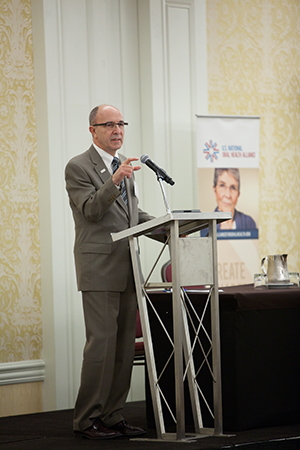
Video interviews remain one of the strongest tools in commercial production because they allow businesses to communicate through real people instead of abstract claims. Whether the speaker is a company leader, employee, client, physician, educator, engineer, technician, or subject matter expert, the interview gives the message authenticity. It creates a direct human connection that audiences respond to.
Businesses use video interviews for many purposes. Some want to explain their company story or brand position. Others want to highlight expertise, showcase customer relationships, recruit employees, communicate internal initiatives, or support public-facing campaigns. In many cases, the interview becomes the foundation of the entire production because it establishes the message, shapes the tone, and guides the overall structure of the edit.
An interview on its own, however, is rarely enough. Even the strongest speaker benefits from visuals that help the audience see what is being discussed. That is where b-roll becomes critical.
What B-Roll Adds to the Story
B-roll is far more than supplemental footage. It is one of the key elements that determines whether a finished video feels polished and persuasive or static and forgettable.
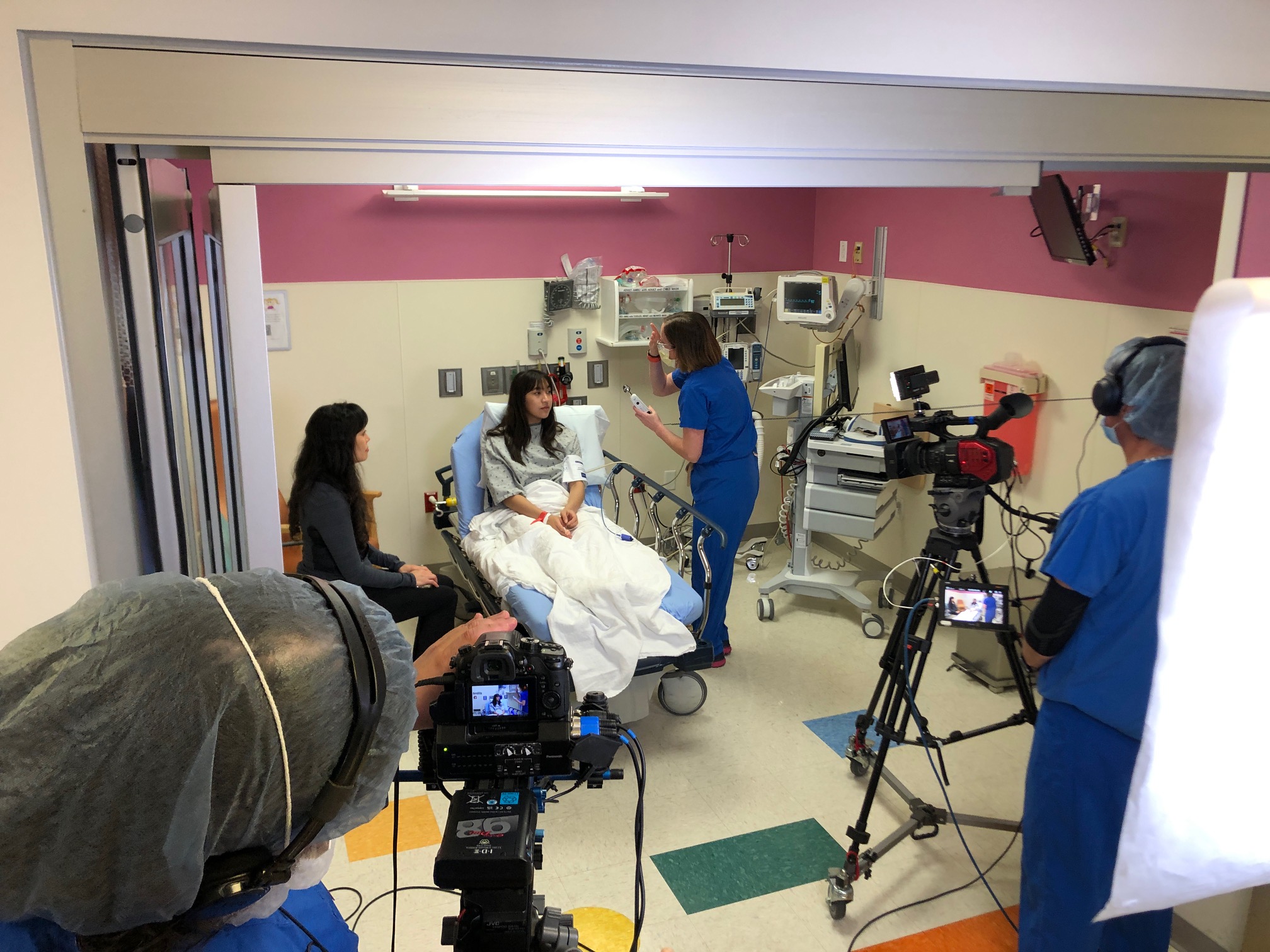
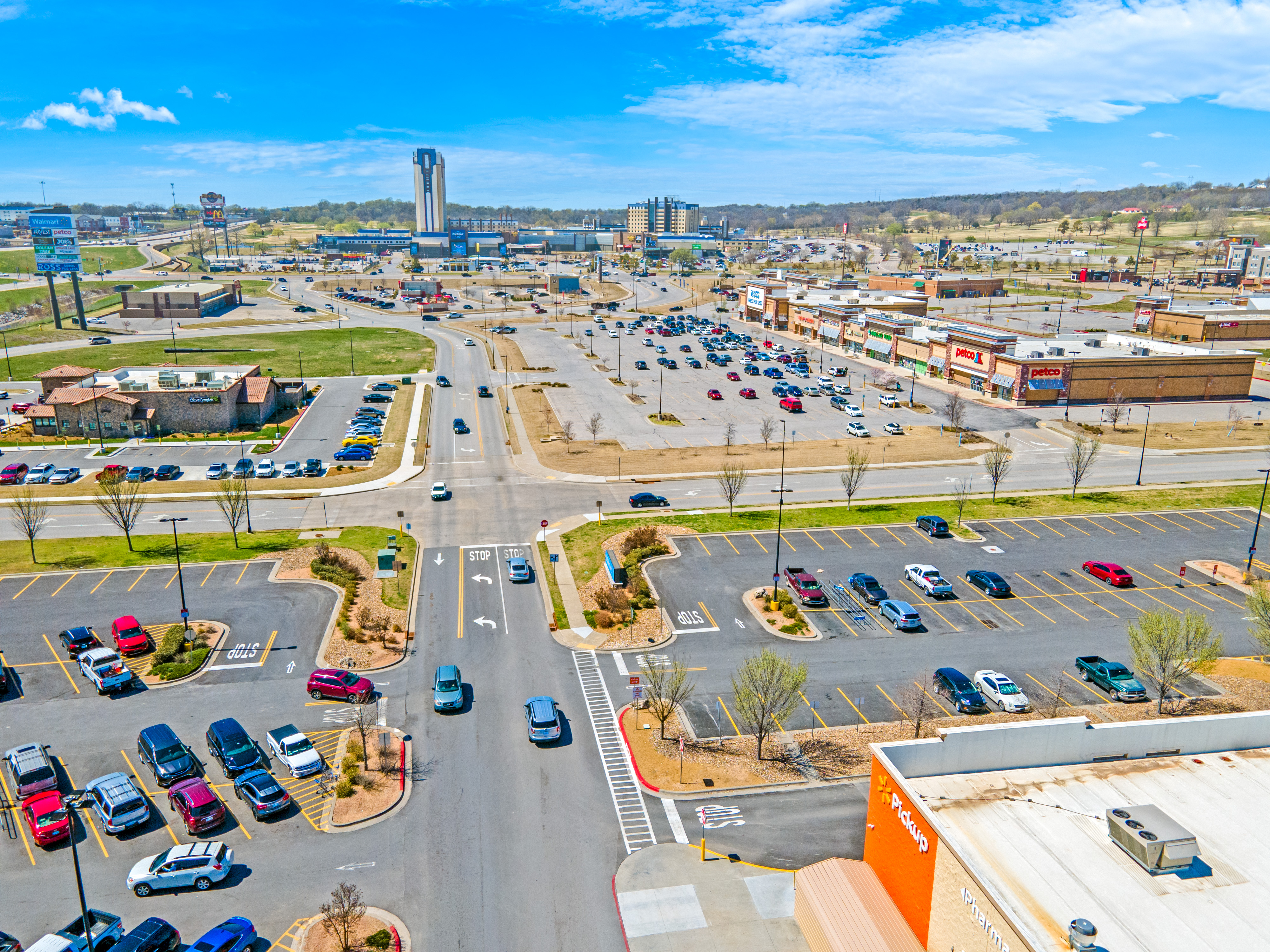
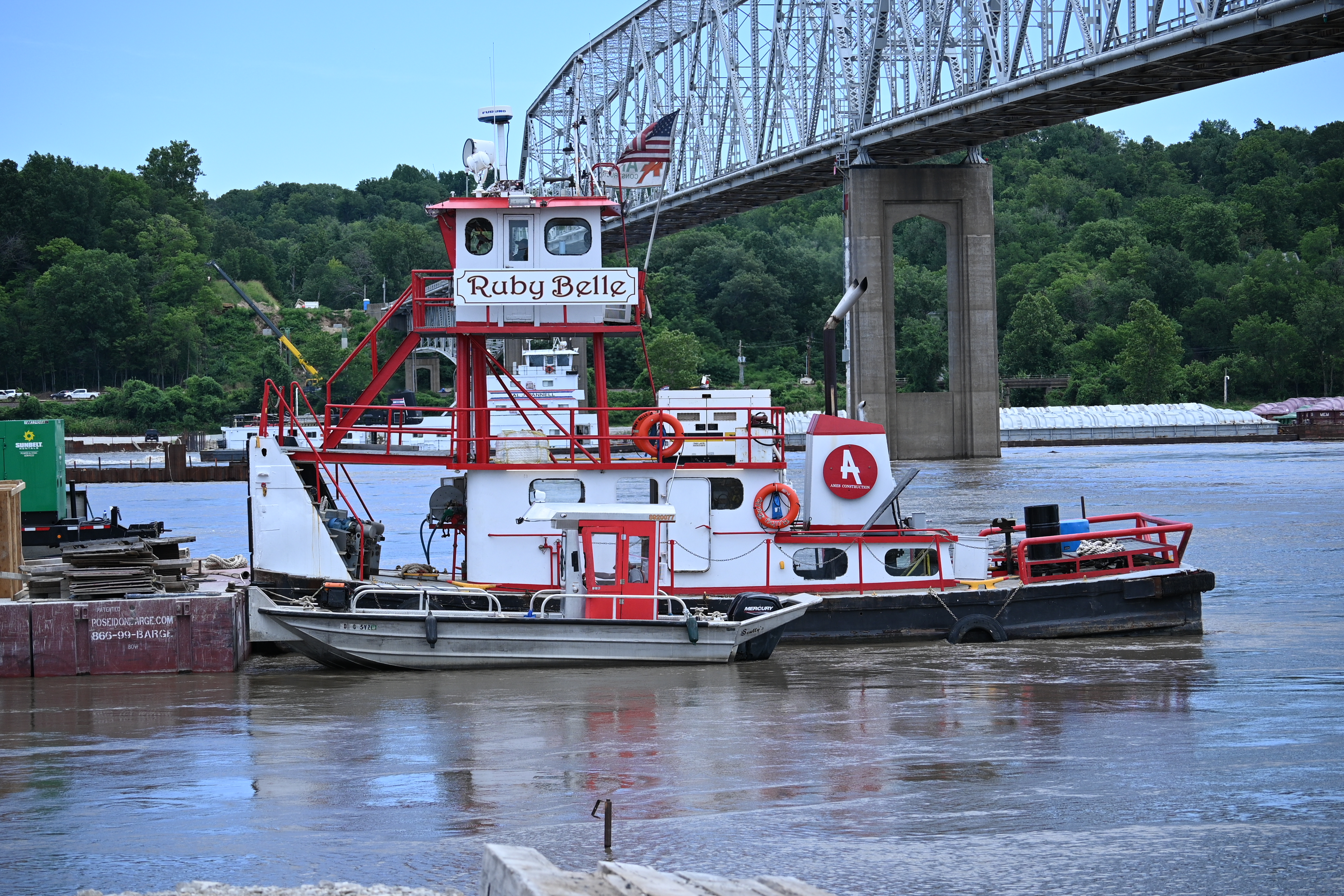
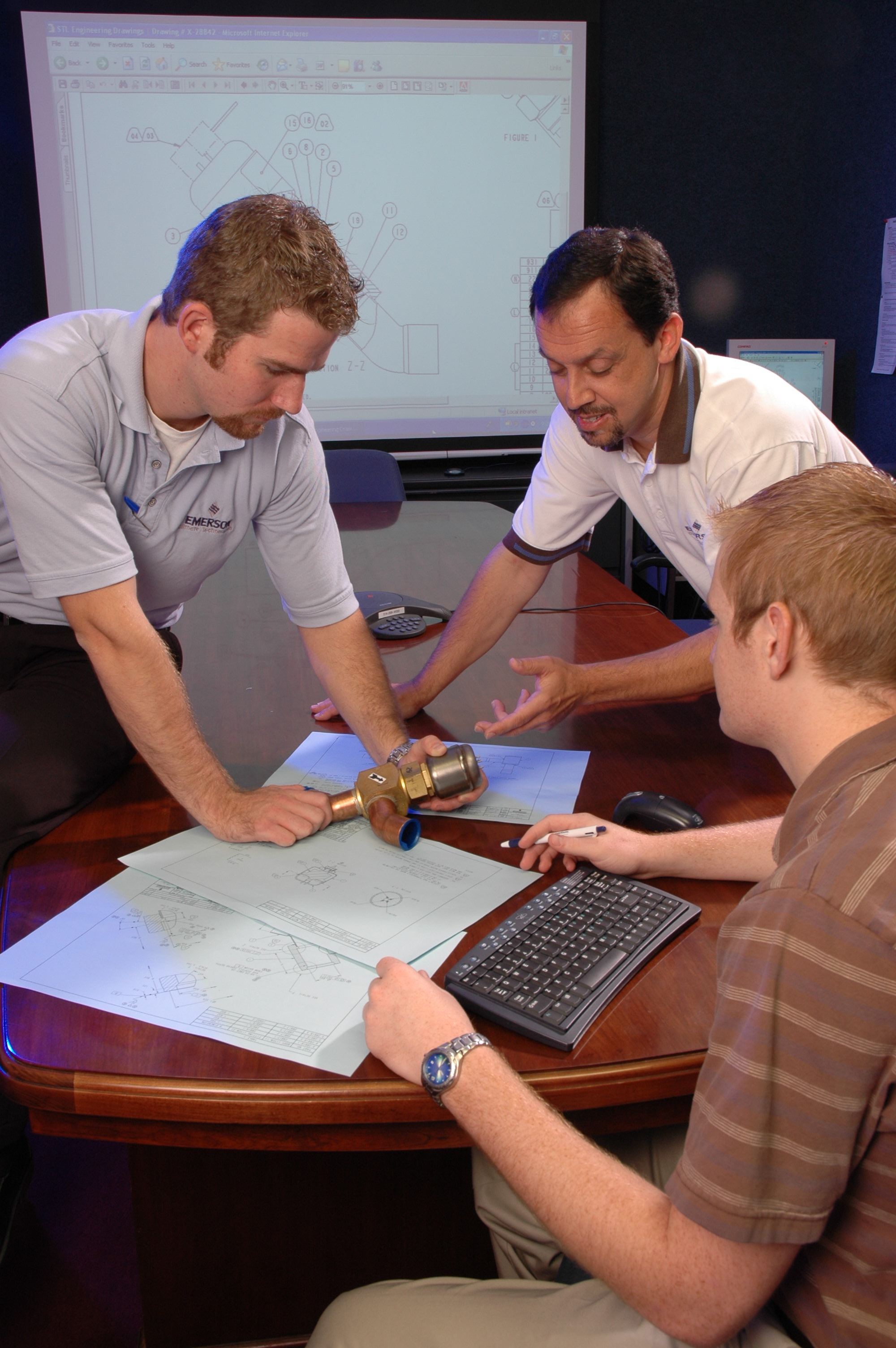
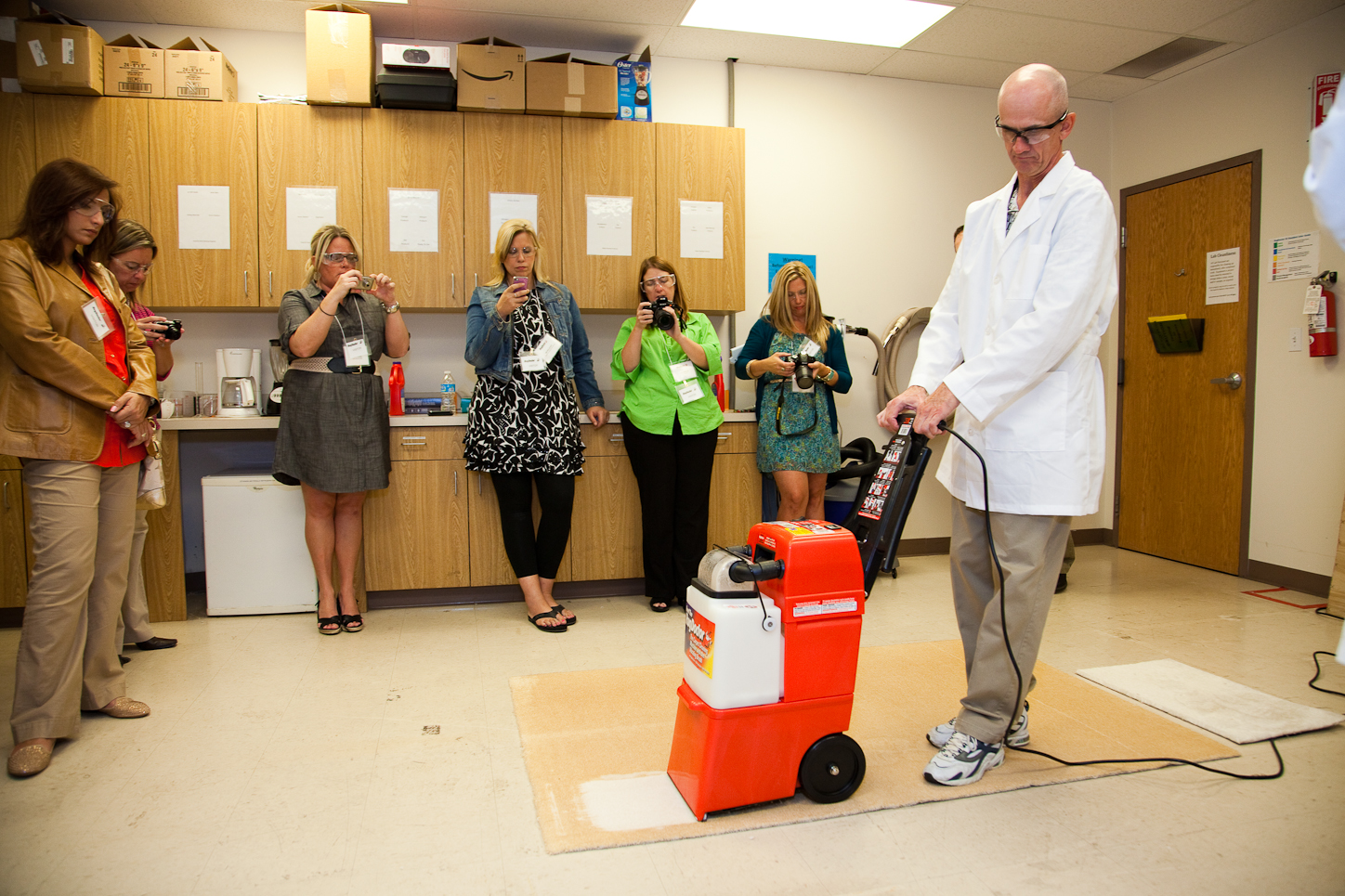
The right b-roll illustrates ideas, supports statements, and gives viewers visual evidence of what the speaker is describing. It can include your team at work, your products, your facility, customer interaction, process details, branded spaces, environmental footage, equipment, workflow, architecture, action shots, drone coverage, and visual textures that enhance the story.
Good b-roll serves several important roles.
It helps viewers understand and retain information by showing what the interview is talking about.
It improves pacing by breaking up long stretches of dialogue with visual variety.
It helps the edit flow more smoothly by covering transitions, restructuring sound bites, and hiding cuts.
It raises production value by making the final video feel more cinematic, composed, and visually intentional.
It increases the return on a production day because the same footage can often be repurposed into shorter edits, social content, web assets, and internal media.
Businesses that underestimate b-roll often end up with a weaker final product. Businesses that plan for it properly usually end up with video content that works harder and lasts longer.
Why Specialist Experience Matters
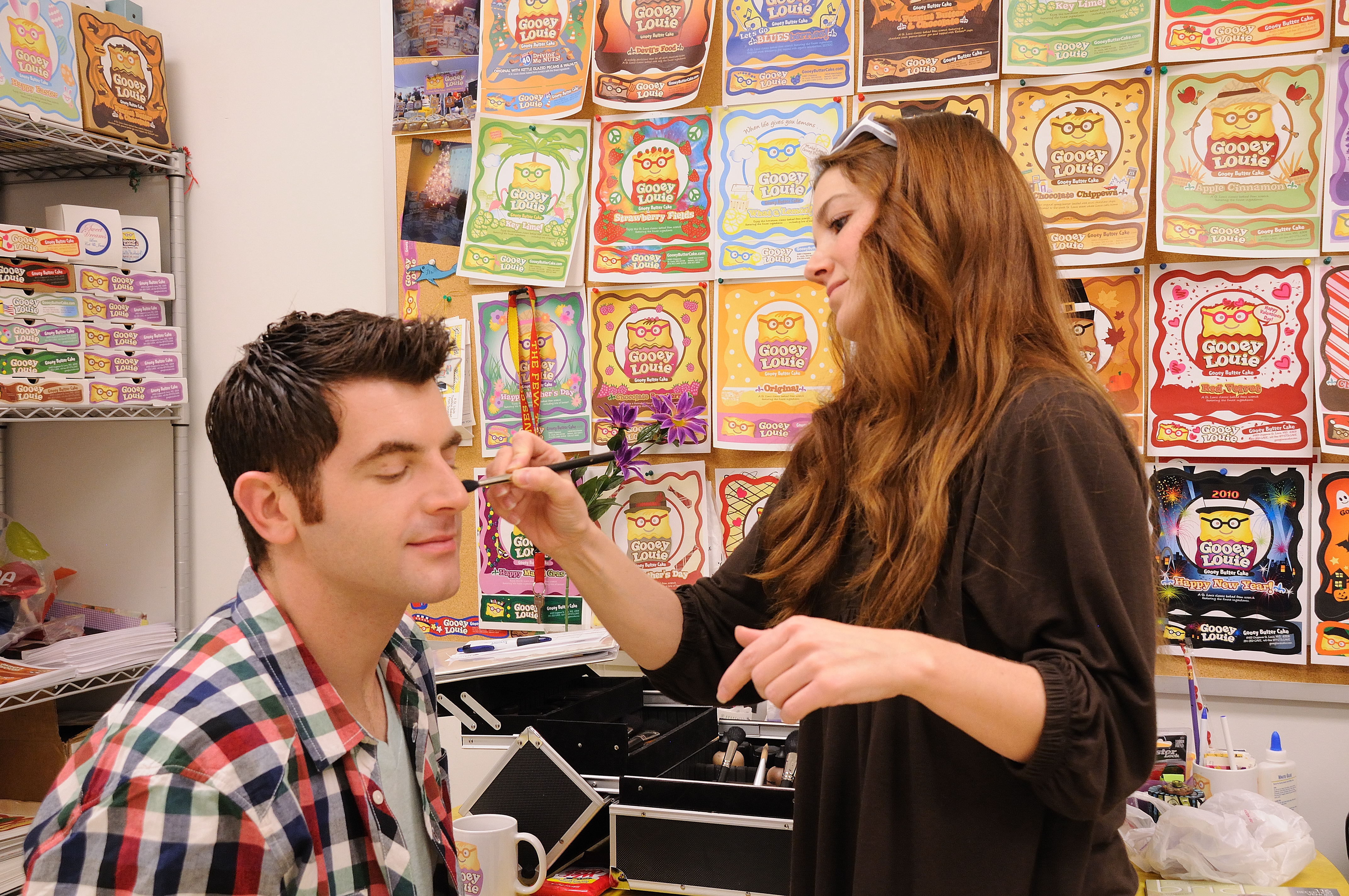
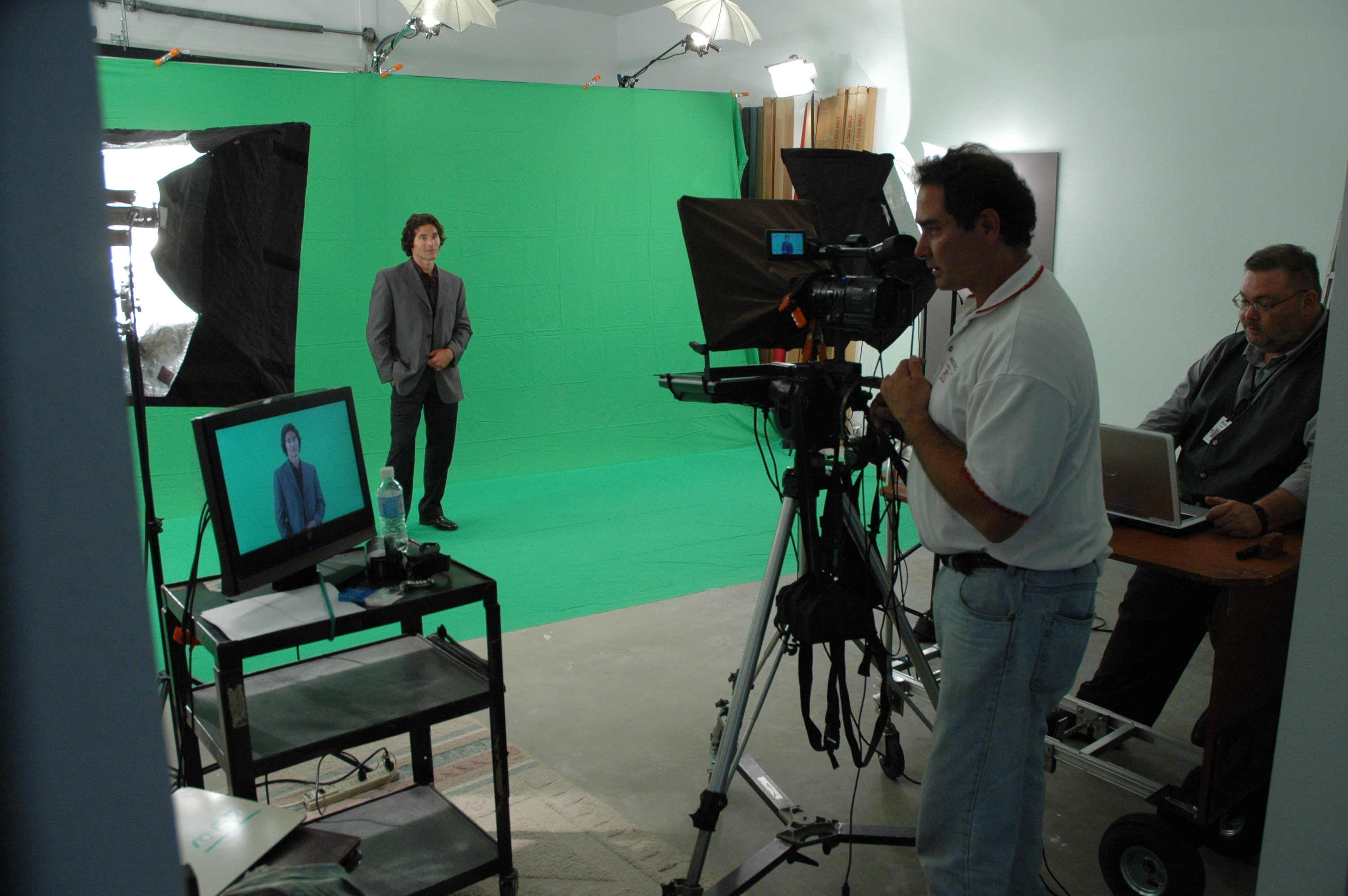
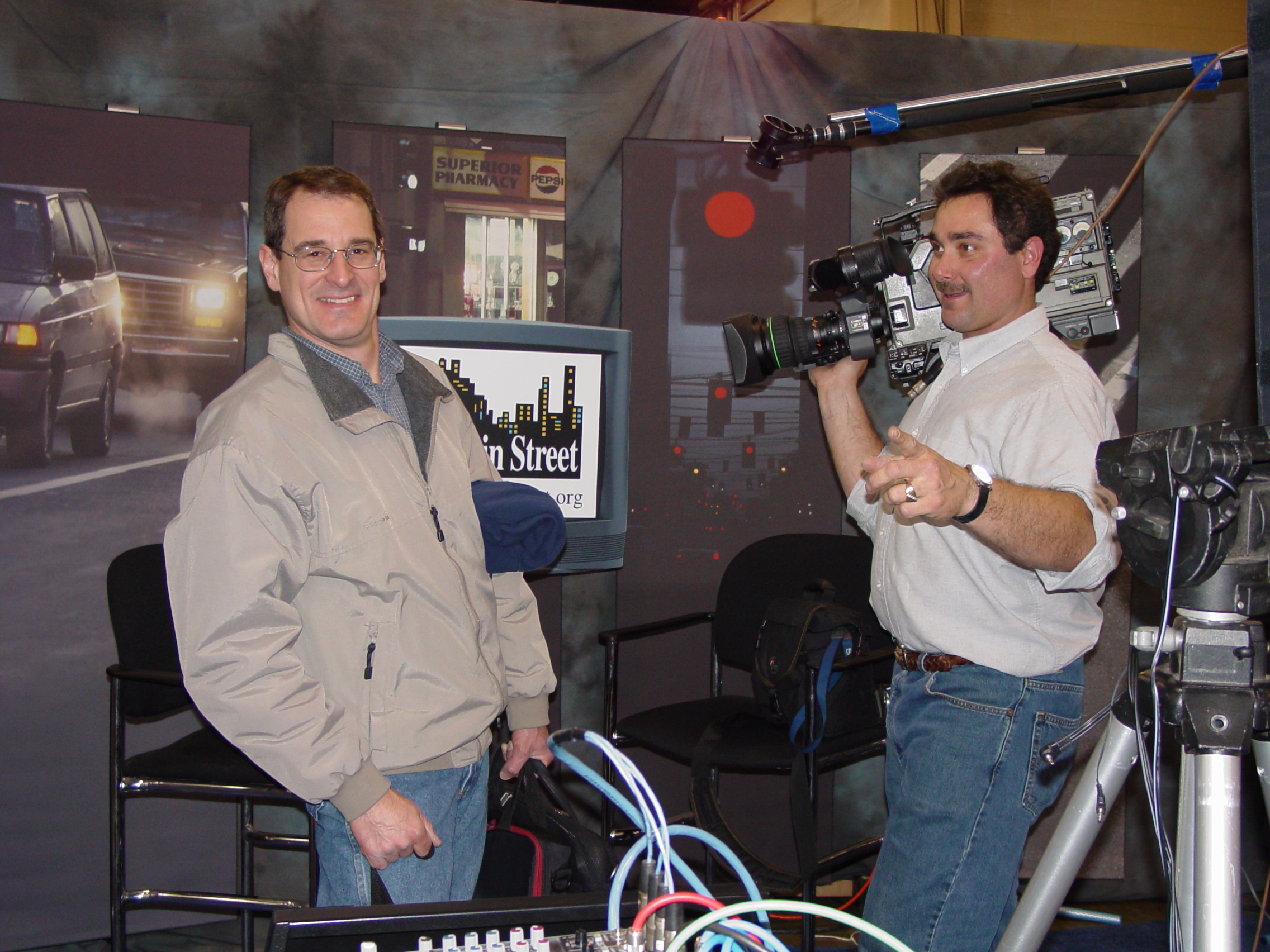
There is a real difference between a crew that occasionally records interviews and a team that specializes in interview-driven productions and b-roll acquisition. Specialists know how to manage everything that affects the quality of the final piece, including subject comfort, lighting, composition, sound, pacing, background selection, and visual continuity.
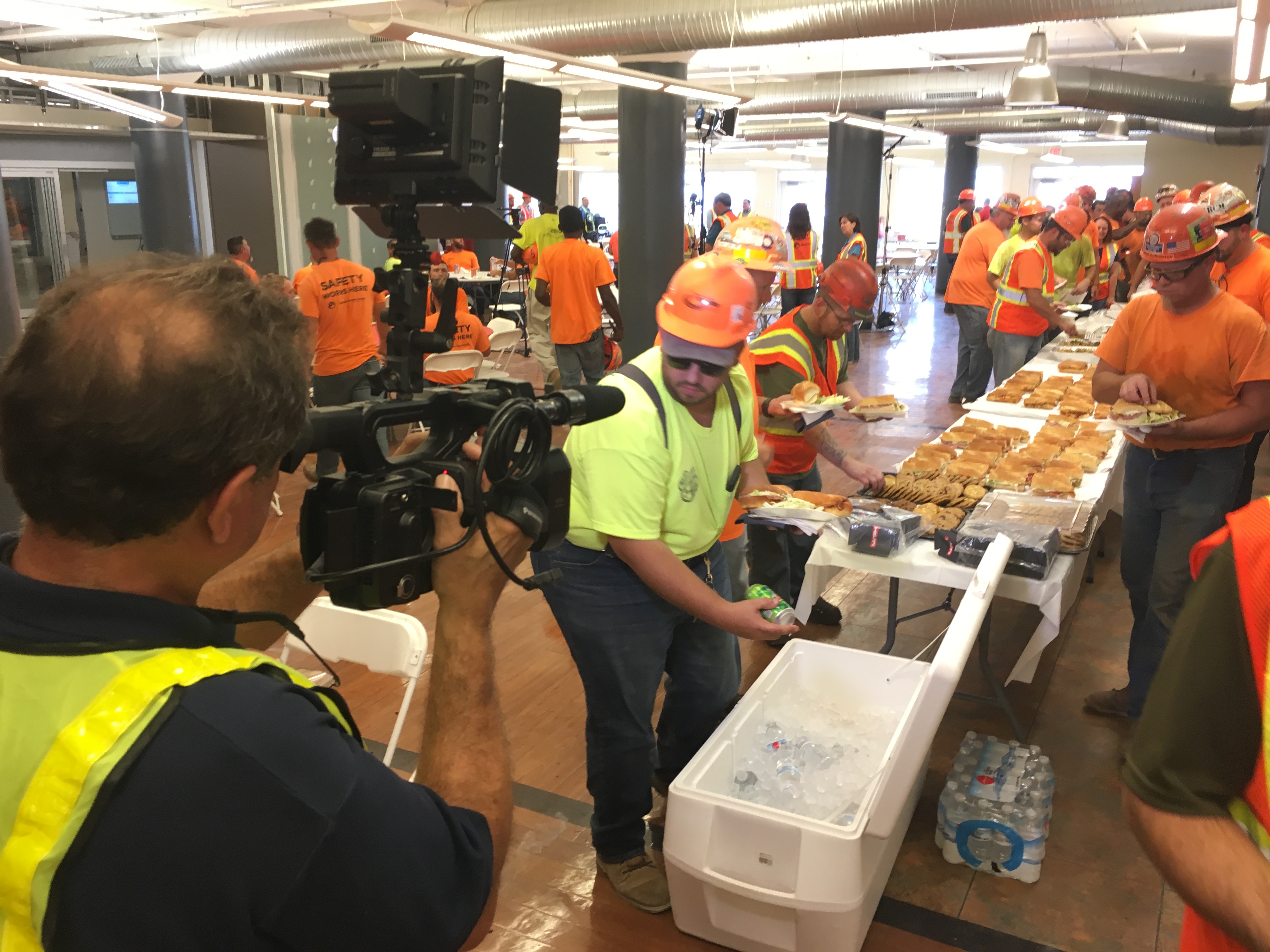
That experience matters even more when productions take place in real working environments rather than controlled studio sets. Offices, conference rooms, warehouses, schools, medical spaces, manufacturing facilities, retail environments, and active job sites all present unique challenges. Lighting may be uneven. Sound may be inconsistent. Schedules may be tight. Operations may still need to continue during the shoot.
An experienced production team understands how to work within those conditions while still delivering strong results. They know how to shape a room, simplify a setup, minimize disruptions, and gather the right footage efficiently. Most importantly, they know how to think ahead to the edit while they are still on location.
Building a Better Business Interview
A successful interview is not accidental. It is the result of planning, production discipline, and knowing how to guide both the subject and the environment.
Start With the Communication Goal
The first step is understanding the purpose of the piece. Is the video meant to drive leads, strengthen trust, explain services, attract talent, support sales, or document a story? The answer affects every production choice that follows, from interview questions to visual style.
Without a clear objective, interviews can sound generic and the production can drift away from the real business need.
Choose the Right Voice
The best on-camera subject is not always the most senior person in the organization. Sometimes it is a founder or executive. Sometimes it is a customer, project manager, technician, or long-time employee. The goal is to feature the person best equipped to speak clearly and credibly about the subject.
The strongest interview subjects are not necessarily performers. They are people with experience, clarity, and authenticity.
Create a Comfortable On-Camera Setting
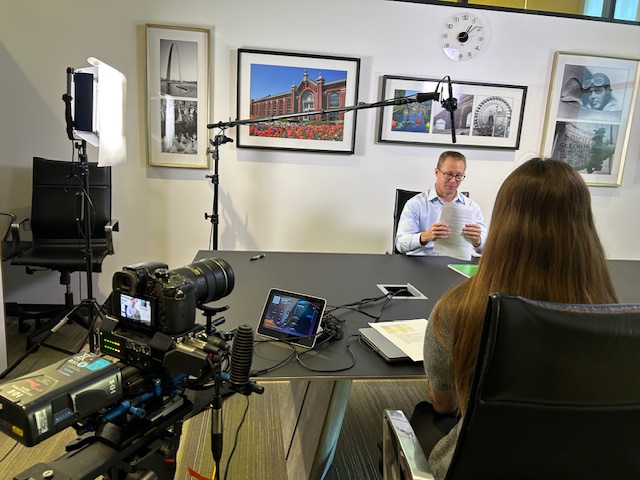
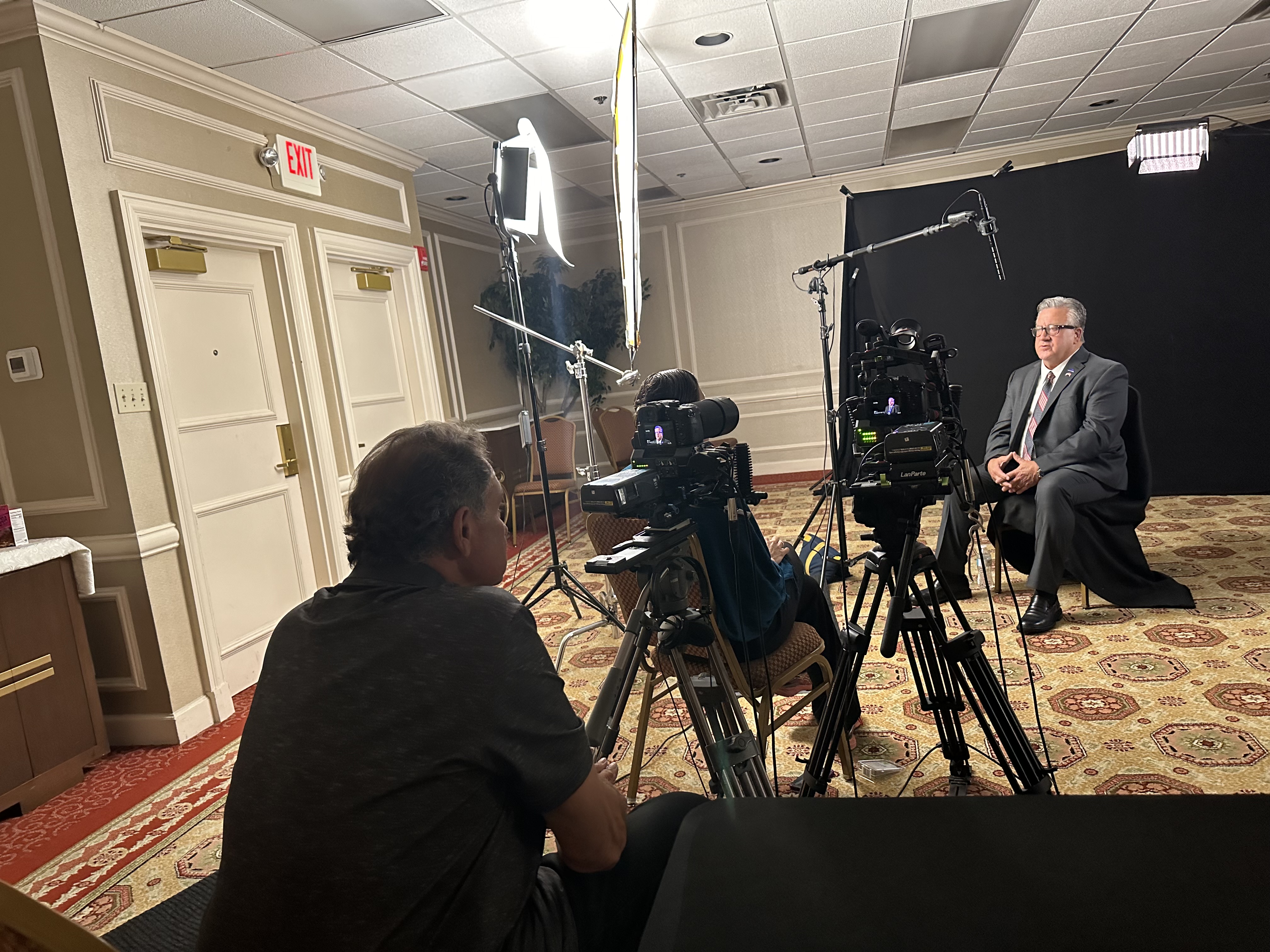
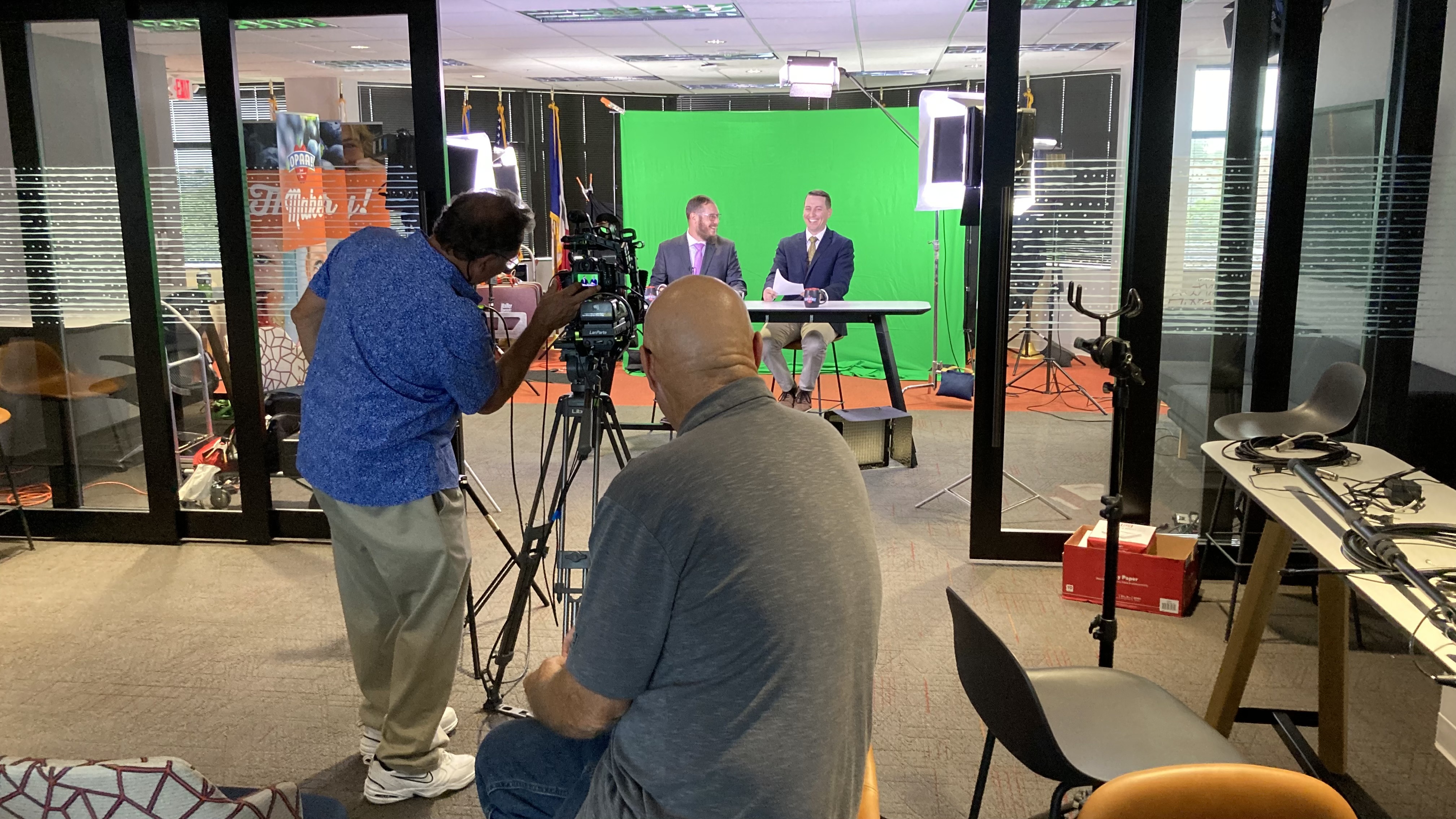
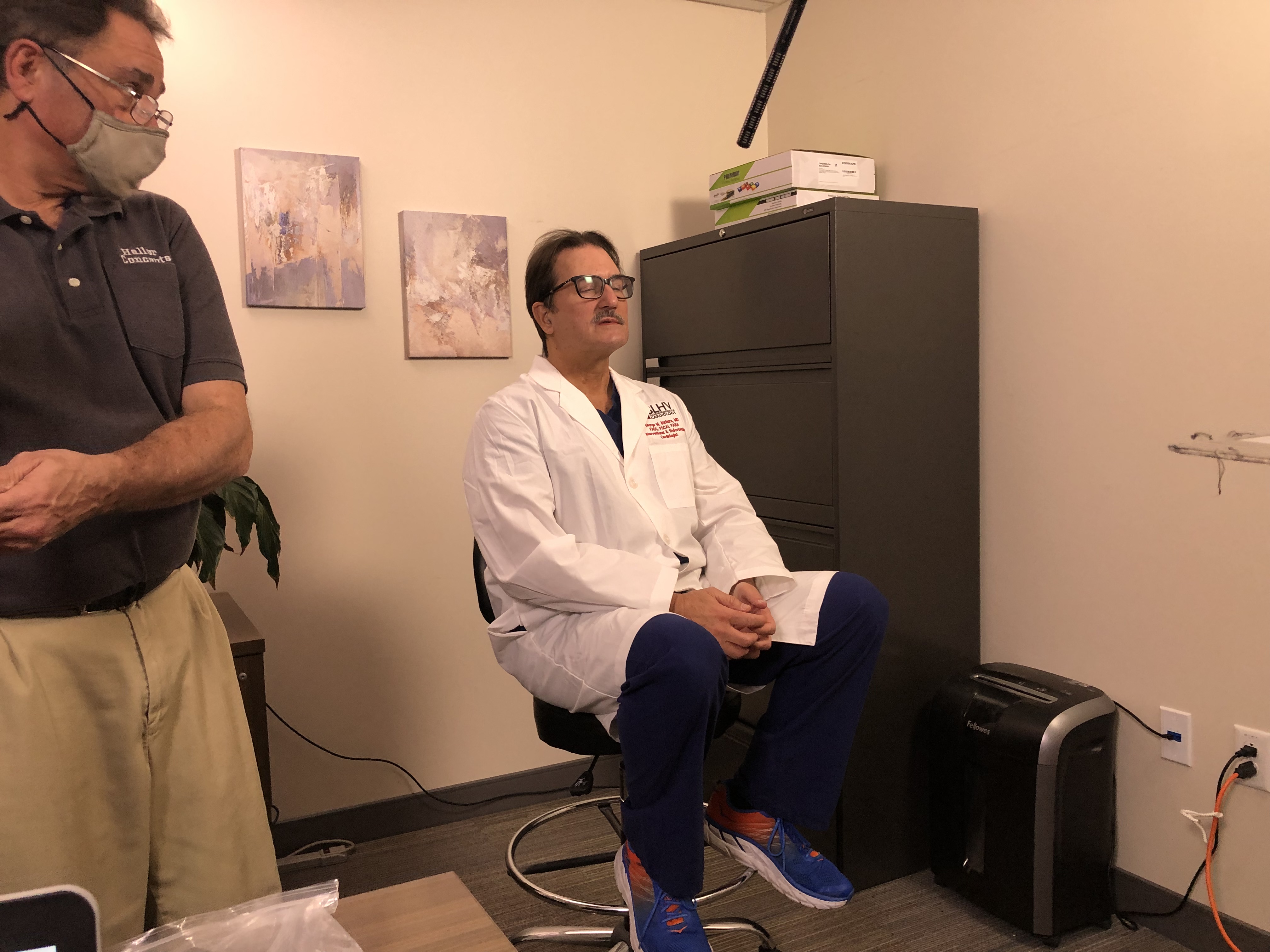
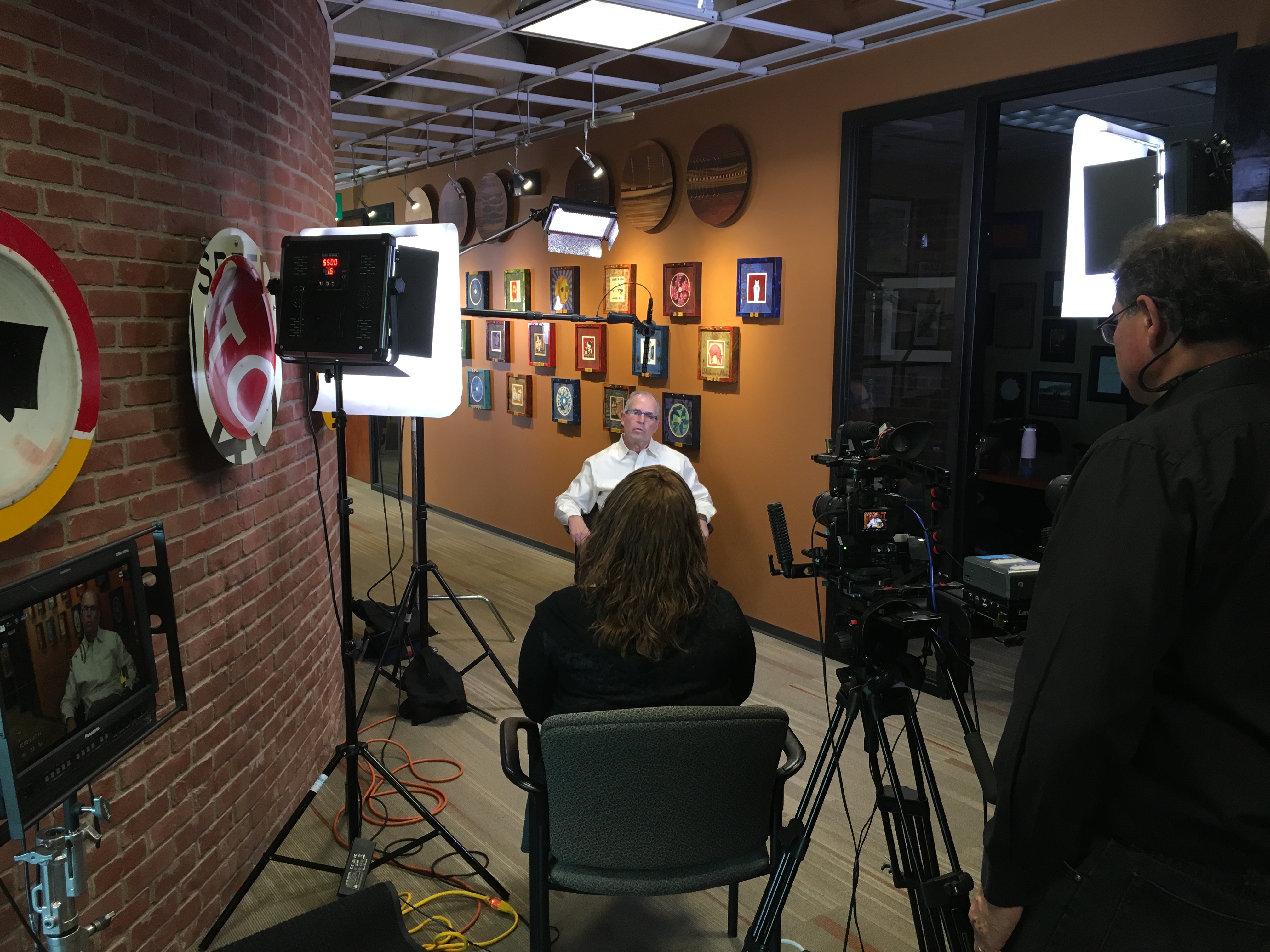
People speak more naturally when the production environment is organized and calm. Camera placement, lighting, background composition, audio setup, and crew demeanor all influence how confident the subject feels. A good team knows how to create a setting that looks professional without making the subject feel overwhelmed.
Ask Questions That Produce Usable Answers
Strong interviews depend on strong prompting. Questions must encourage natural, complete, self-contained responses that can work in the final edit. This requires more than handing someone a list of prompts. It requires listening carefully, following up when needed, and guiding the conversation toward clear and useful statements.
Shoot With the Edit in Mind
Professionals do not only record what is happening in the room. They capture what the editor will need later. That includes alternate framing when appropriate, audio support, room tone, reaction moments, and enough visual flexibility to shape the final sequence with confidence.
What Great B-Roll Looks Like
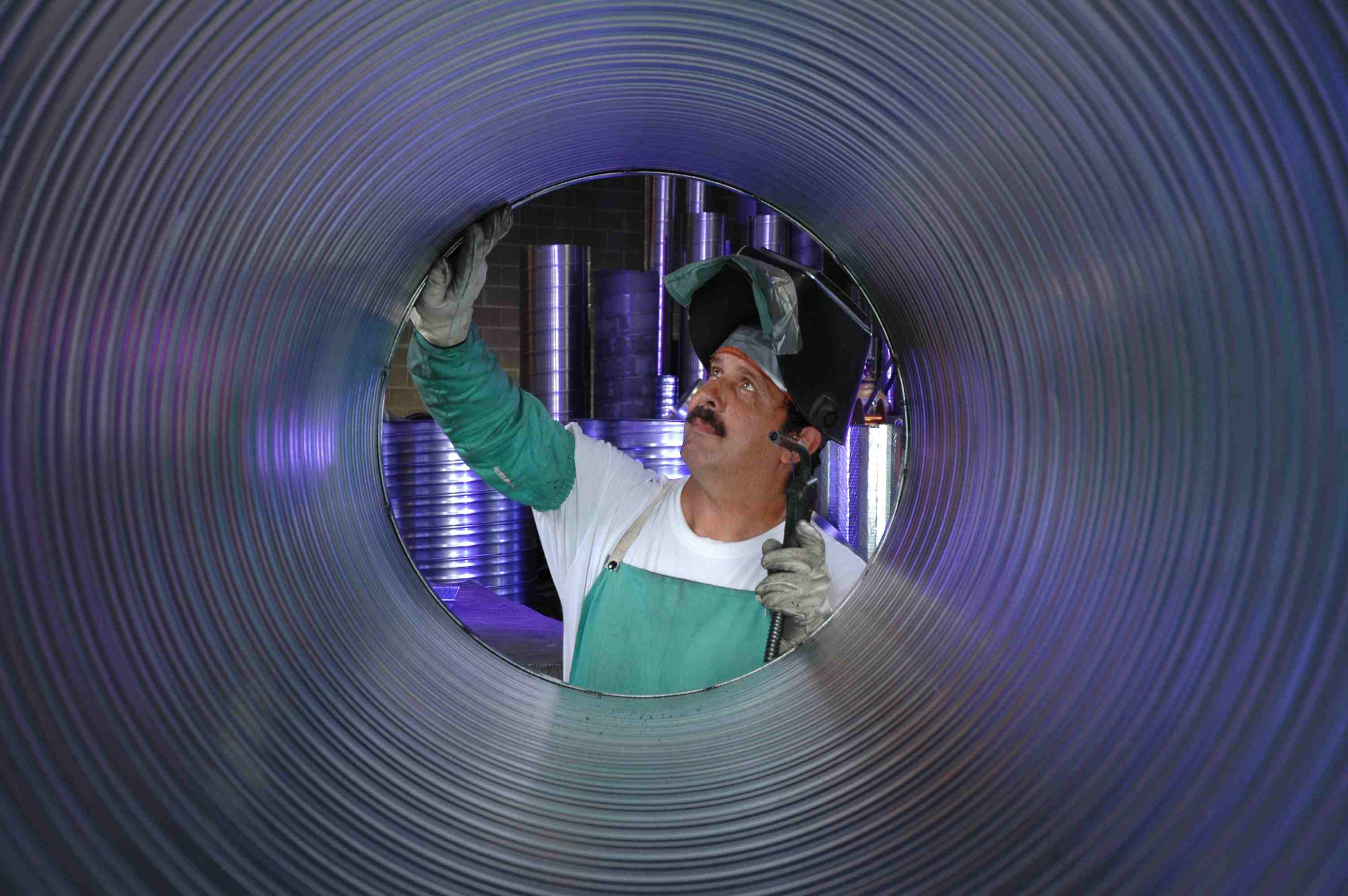
Strong b-roll is deliberate. It is gathered with purpose, not as an afterthought.
That means understanding what visuals will make the message stronger. A company talking about precision should show precision. A company talking about culture should show people and environment. A business emphasizing customer care should show real interaction and workflow. A facility-focused piece should capture both wide establishing views and detailed process shots.
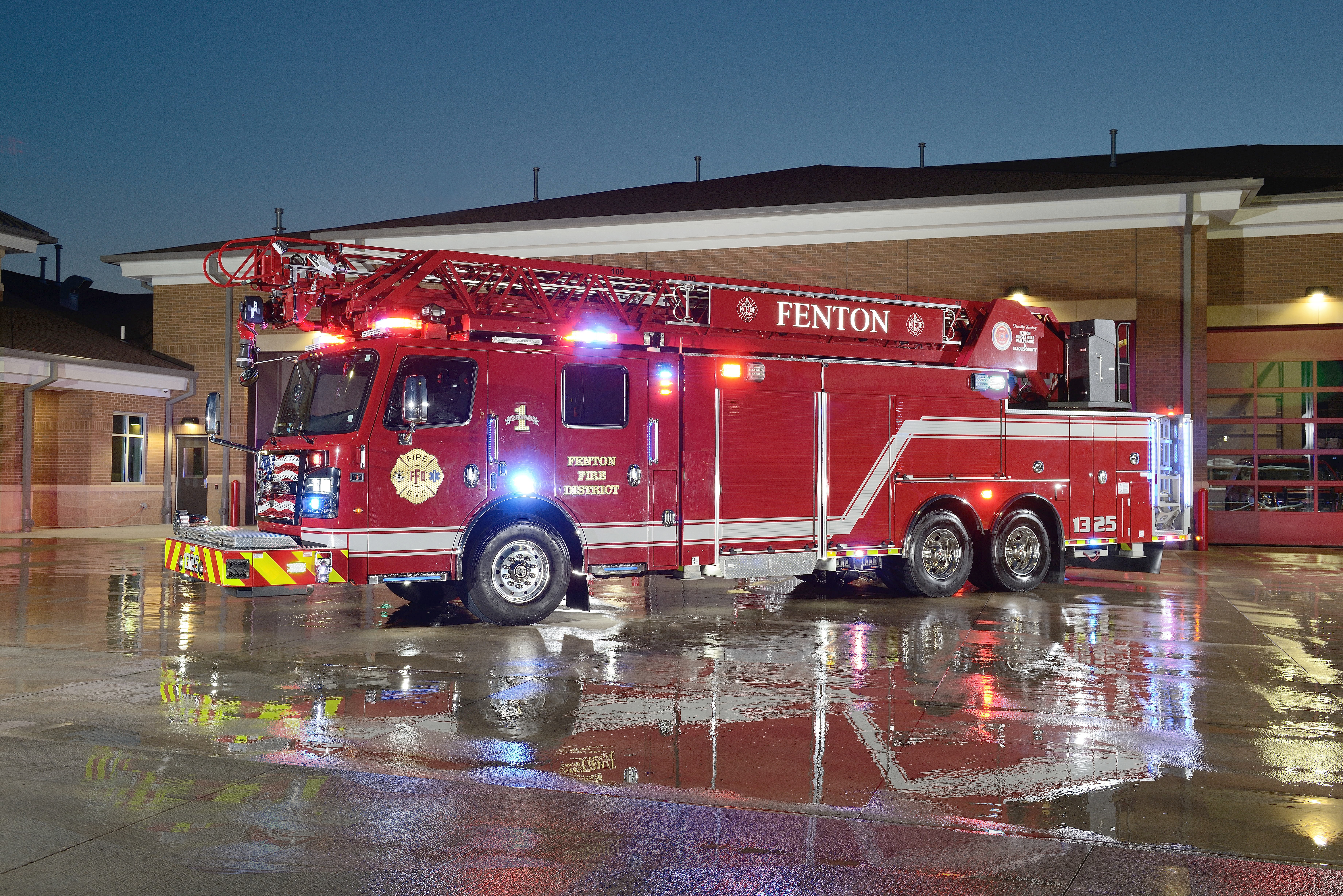
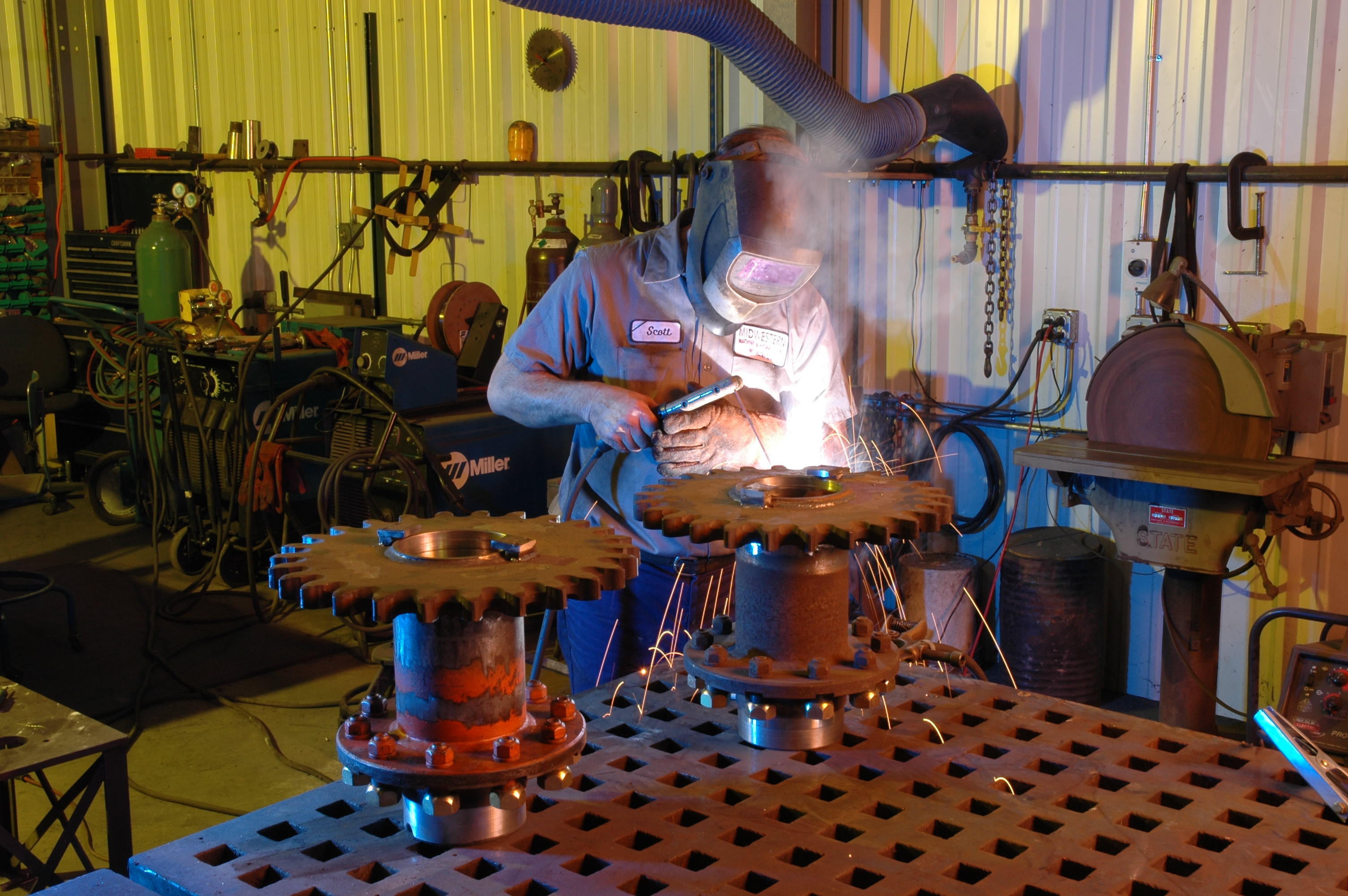
Experienced b-roll specialists look for layers. They capture broad environmental footage, medium action, and tight detail. They look for movement, process, human interaction, tools, surfaces, brand identifiers, and real moments that give the edit texture and authority.
That variety matters. It makes the finished piece more dynamic, gives editors more flexibility, and supports repurposing across multiple final assets.
Common Uses for Interview and B-Roll Productions
This style of production works across many industries because it is adaptable and efficient.
Professional service firms use interview-driven videos to communicate expertise and build trust.
Manufacturers use them to show process, operations, quality control, and company capability.
Healthcare organizations use them to explain patient care, introduce leadership, and support recruitment.
Schools, colleges, and nonprofits use them to tell mission-driven stories, attract support, and communicate impact.
Construction, real estate, and development firms use interviews and supporting visuals to show projects, people, scale, and momentum.
Marketing agencies often rely on this format because one well-planned shoot can generate a wide range of deliverables for a client.
The Role of Location in Strong Productions
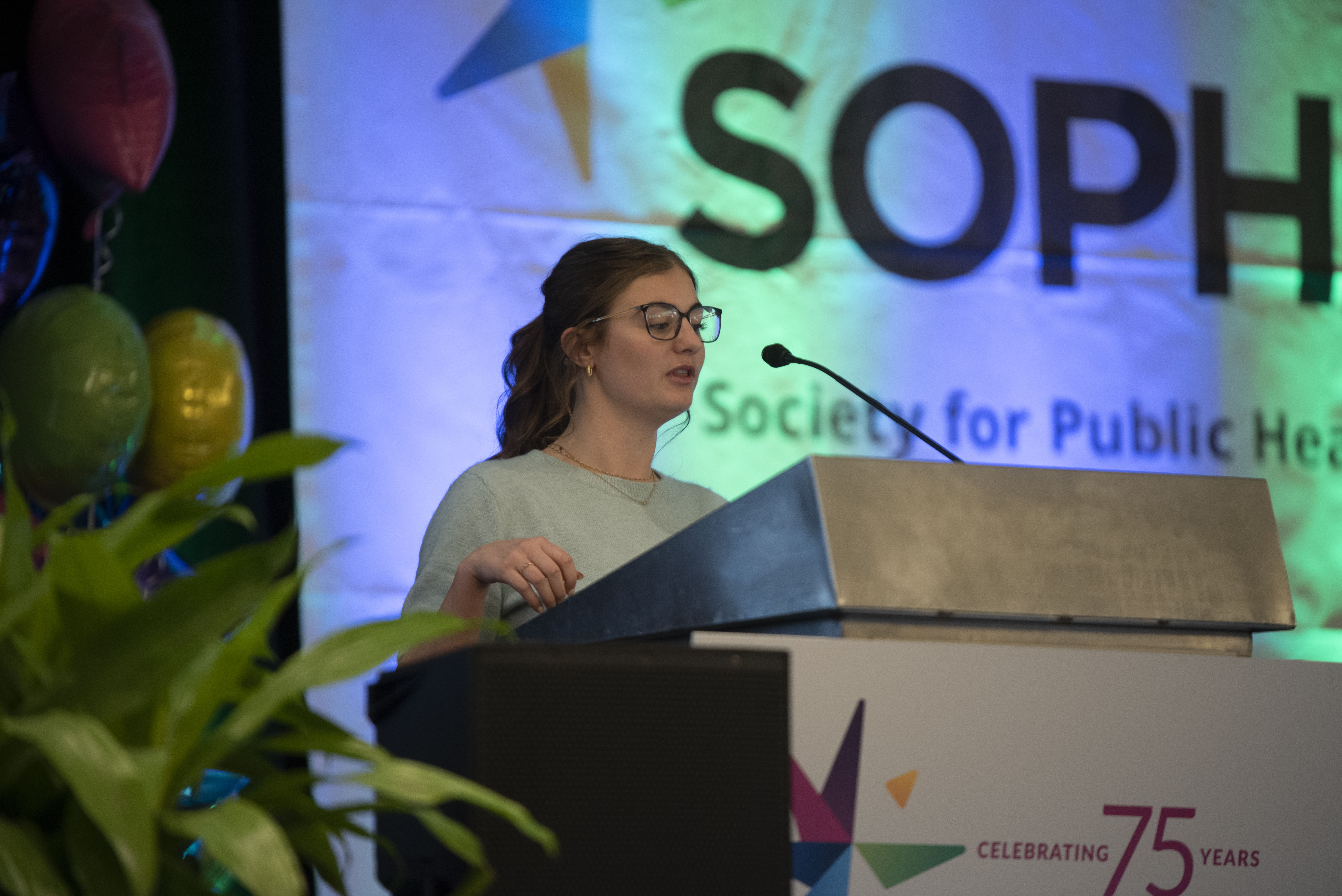
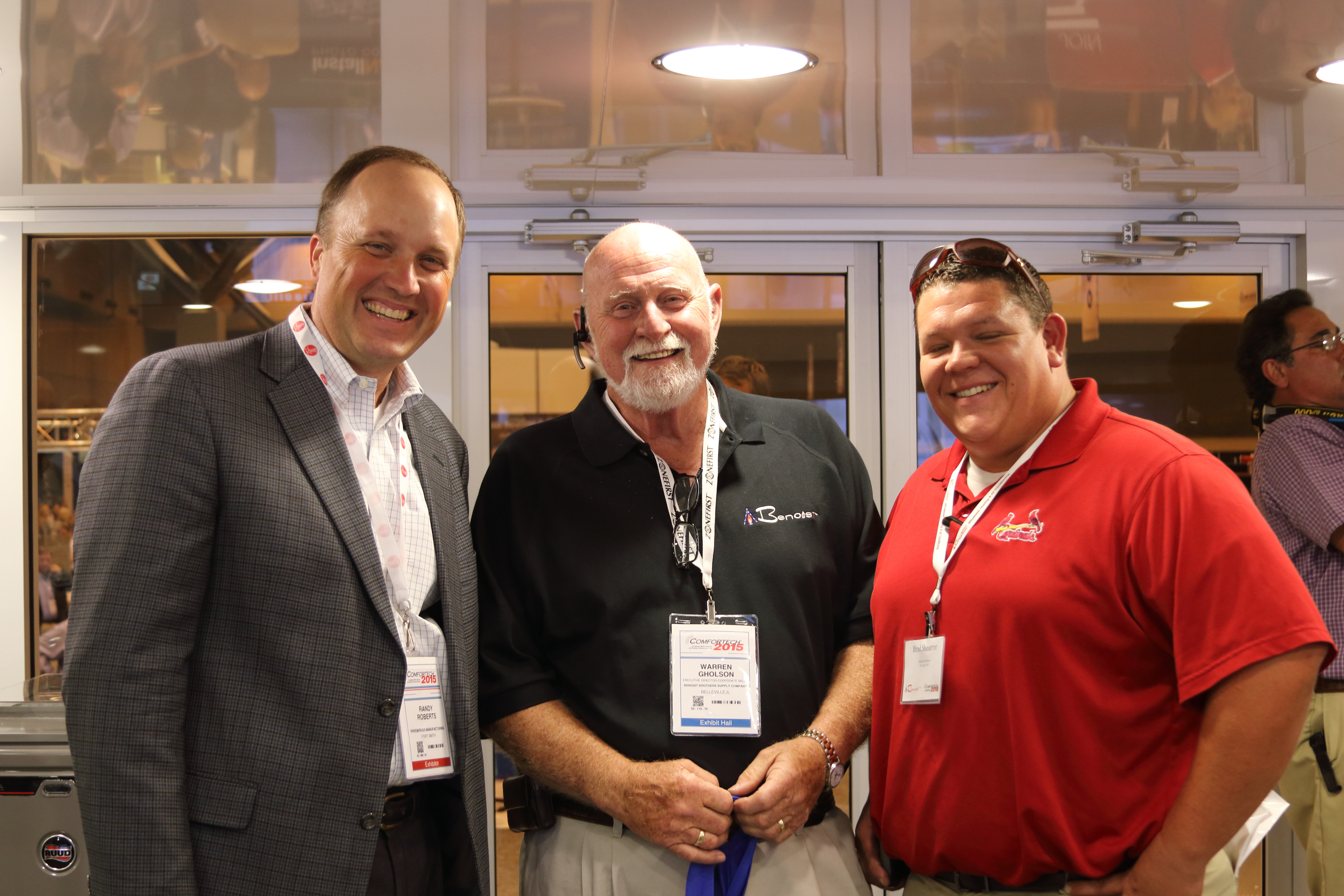
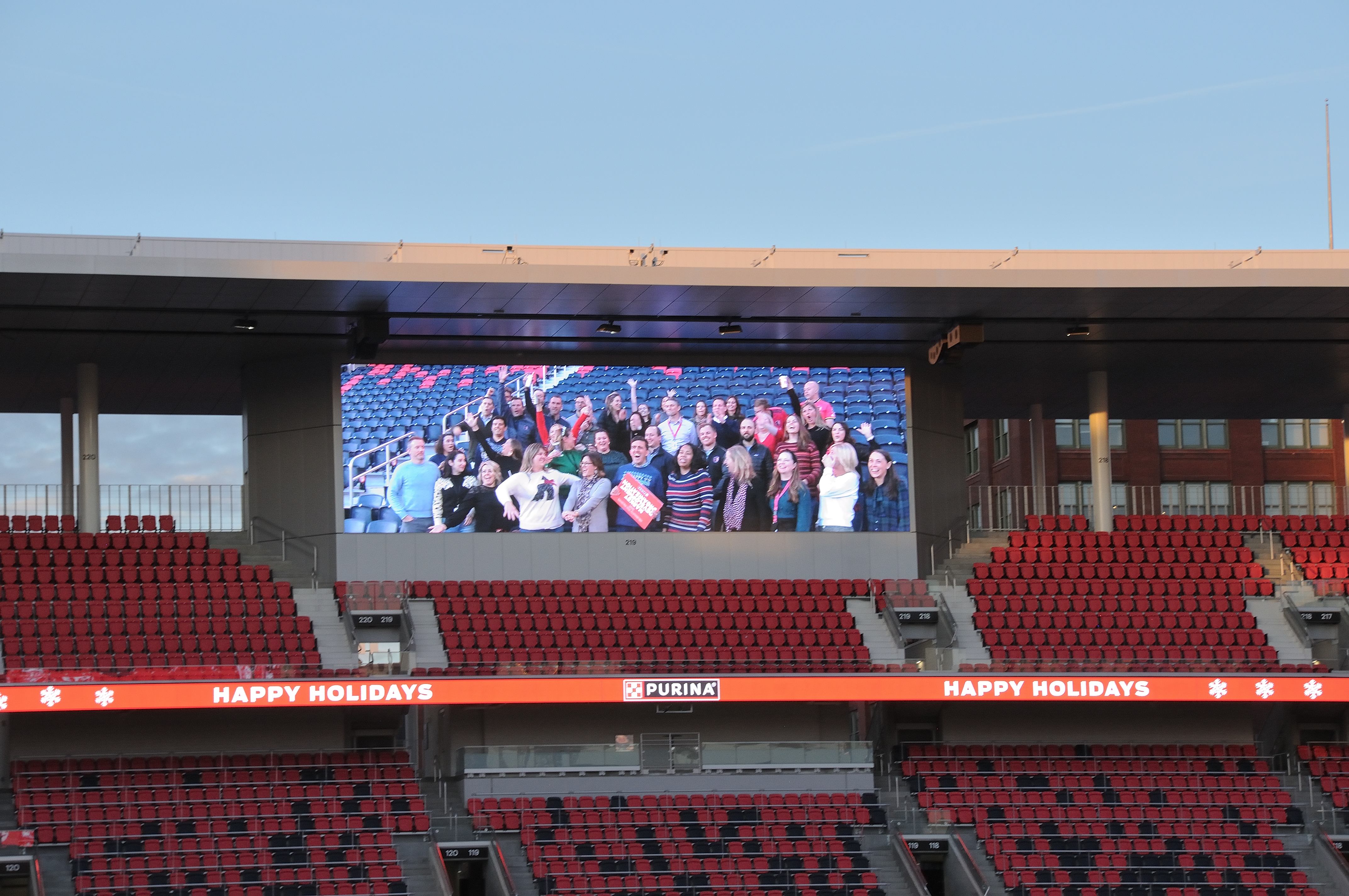
In many business productions, location contributes as much to the final look as the interview itself. The right setting adds credibility, visual character, and contextual depth. But location decisions should be based on more than appearance alone.
An experienced team evaluates locations for sound, light, access, room size, visual distractions, power availability, scheduling demands, and how well the space supports the intended message. A conference room, executive office, production floor, lab, rooftop, warehouse, storefront, or exterior entrance can all play an important role when chosen thoughtfully.
That is why location scouting remains such an important part of professional media planning. It helps identify the spaces that will look strong on camera while also allowing the crew to work efficiently and avoid avoidable problems during production.
Why Audio Quality Is Non-Negotiable
Many clients understandably focus first on the visuals, but interviews depend just as heavily on clean sound. A beautifully lit interview can still fail if the audio is noisy, thin, hollow, or inconsistent.
Professional interview production requires careful attention to microphones, ambient sound, room acoustics, monitoring, and environmental control. Office hum, HVAC systems, foot traffic, machinery, and outside noise all have the potential to undermine an otherwise strong shoot.
For interview-based content, audio quality is part of brand quality. If the subject is hard to hear or unpleasant to listen to, the message loses authority.
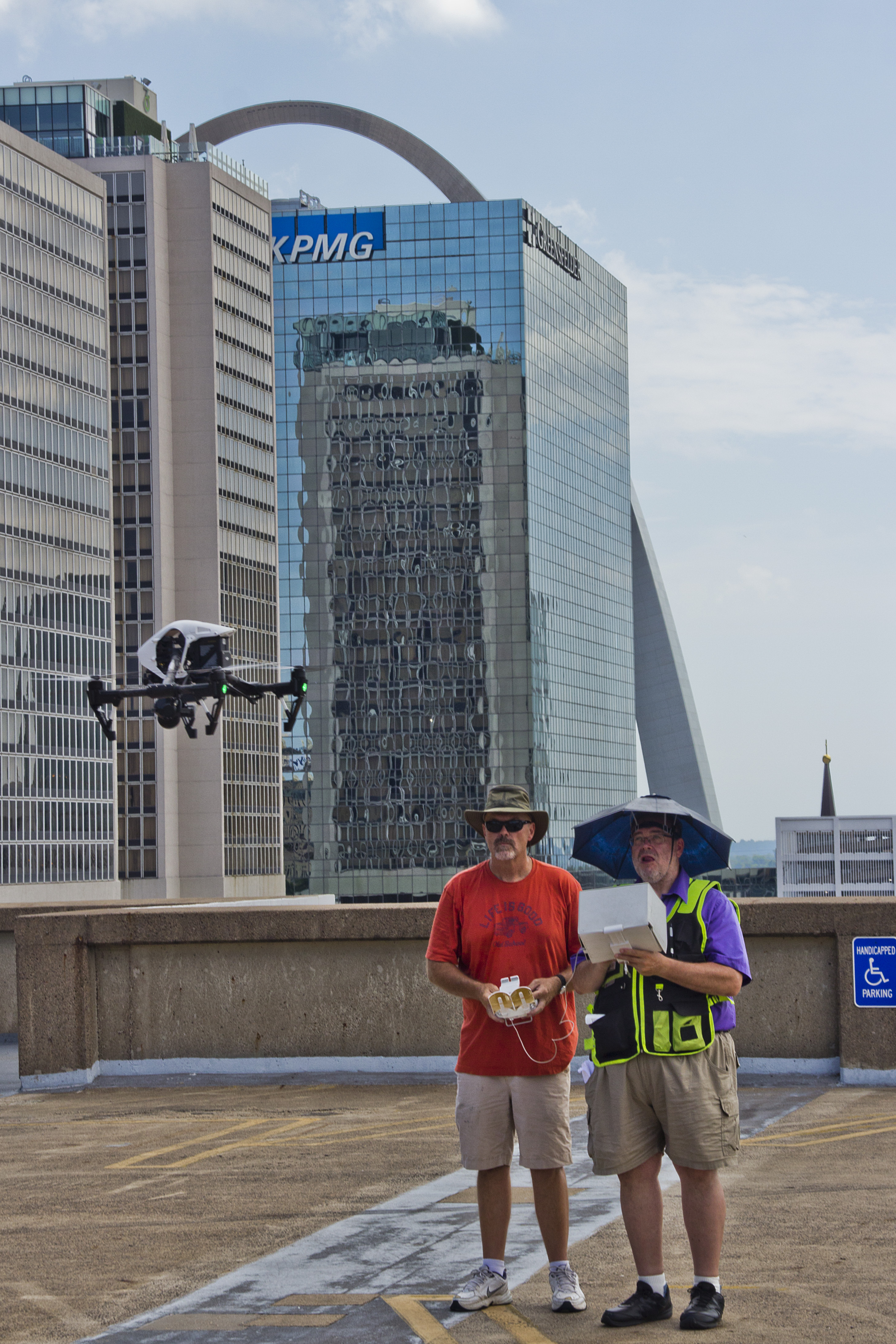
How Drone and Advanced Capture Services Expand Possibilities
Today’s most effective production companies offer more than traditional ground-based video coverage. When appropriate, drone services can add both visual impact and practical value.
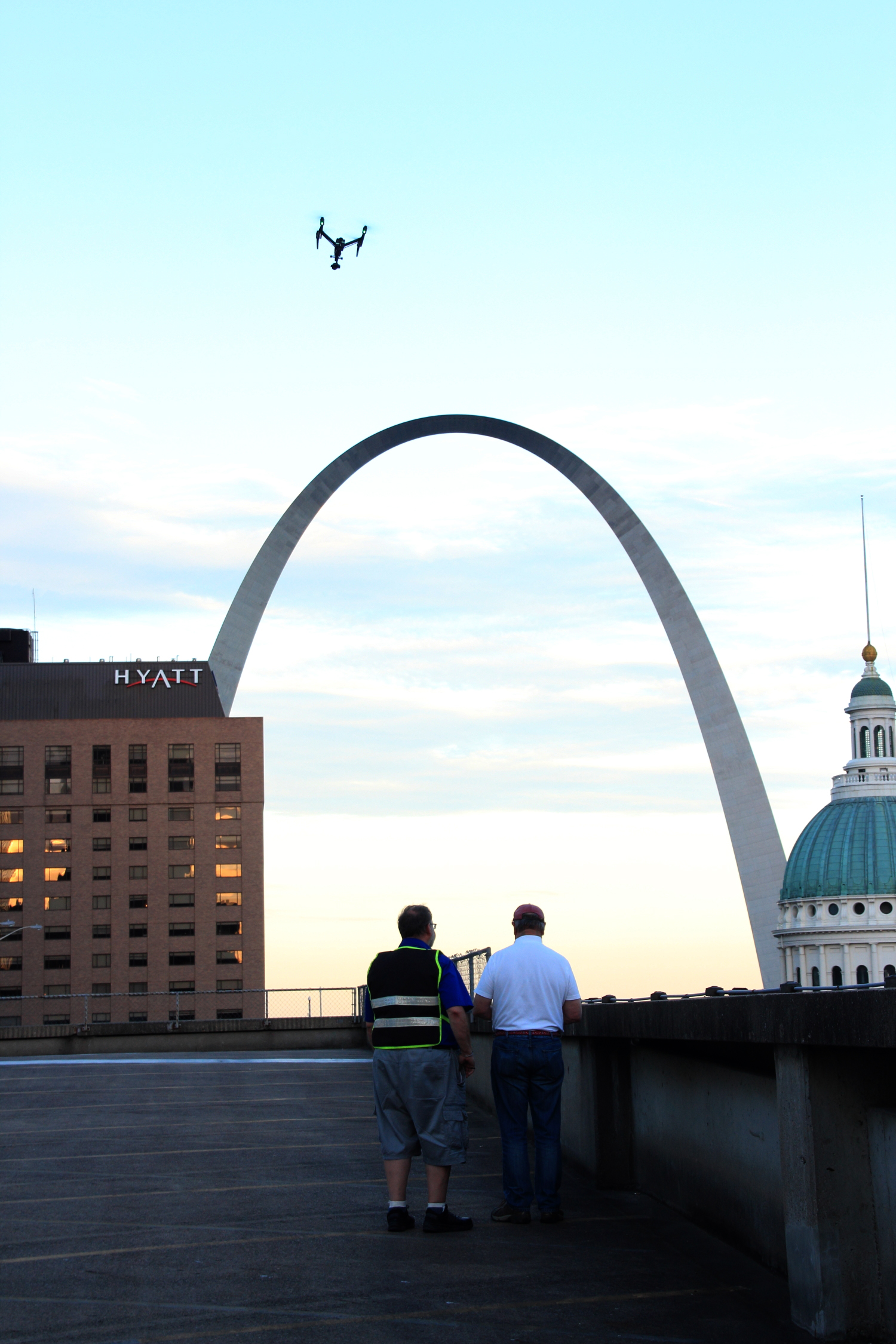
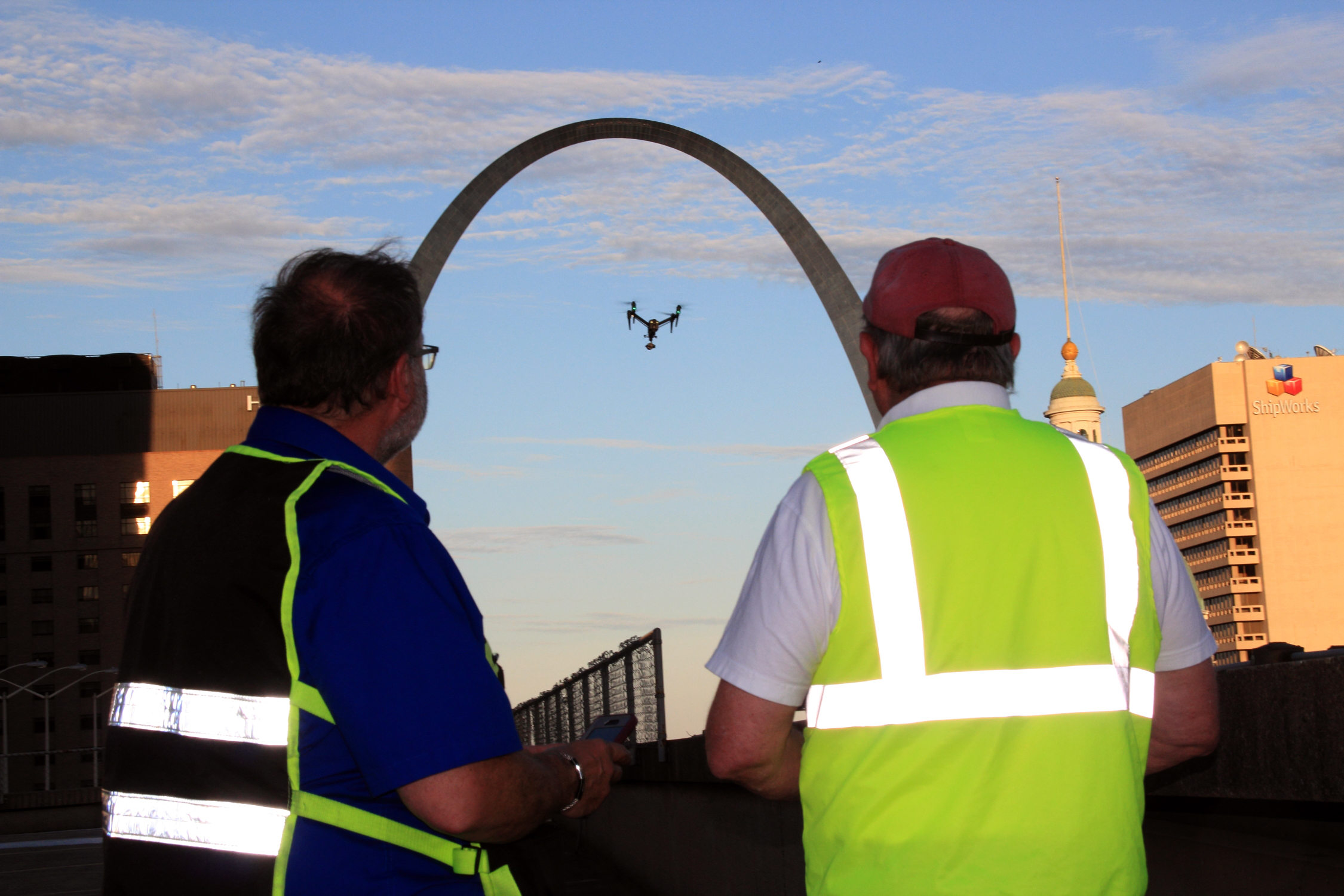
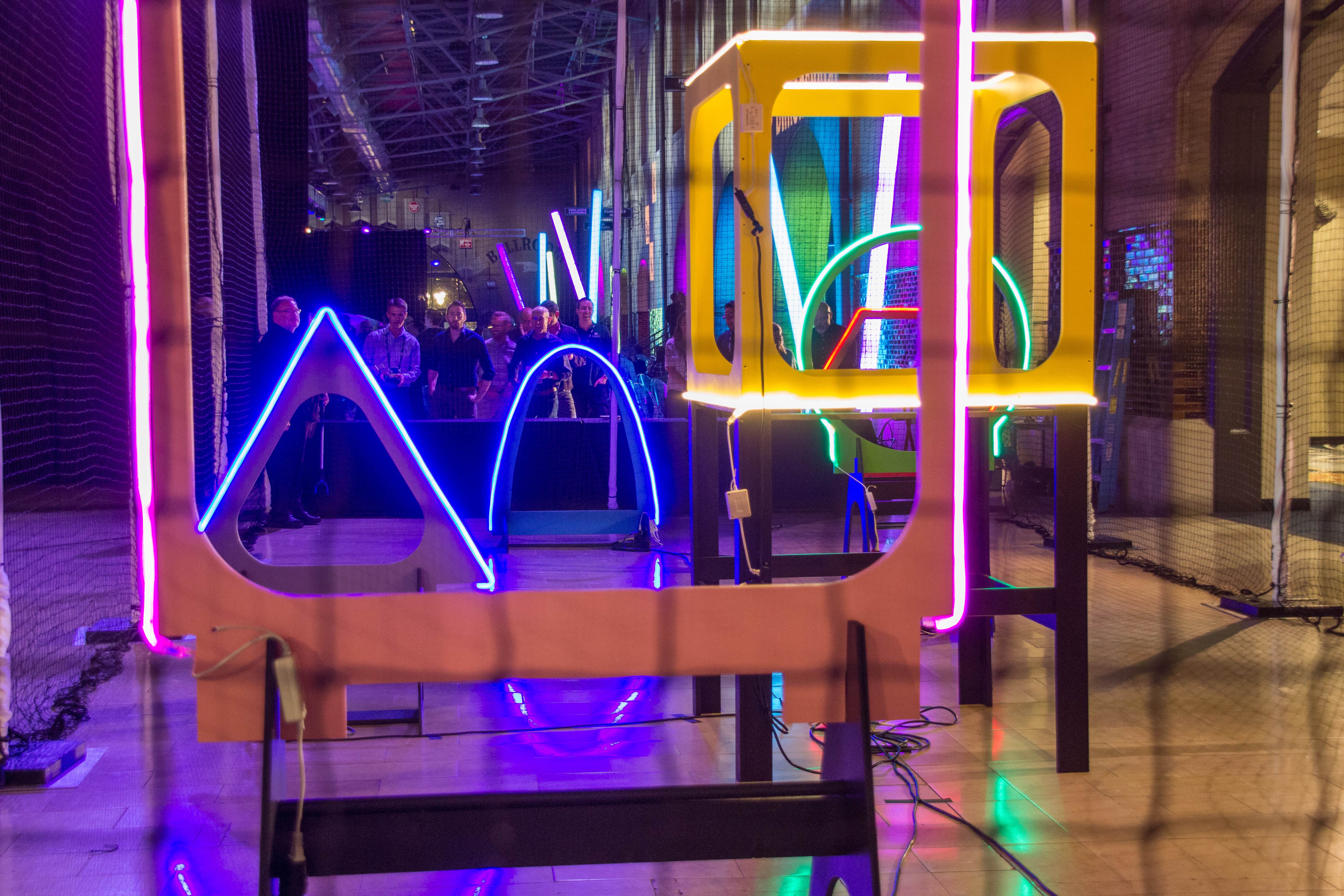
Aerial footage can establish property scale, location context, access, and architectural presence. Specialized FPV drones can move dynamically through interior spaces to create immersive footage that would be difficult to capture any other way. For certain facilities, showrooms, industrial spaces, and branded environments, indoor FPV flights can add a memorable and highly modern visual layer to the final production.
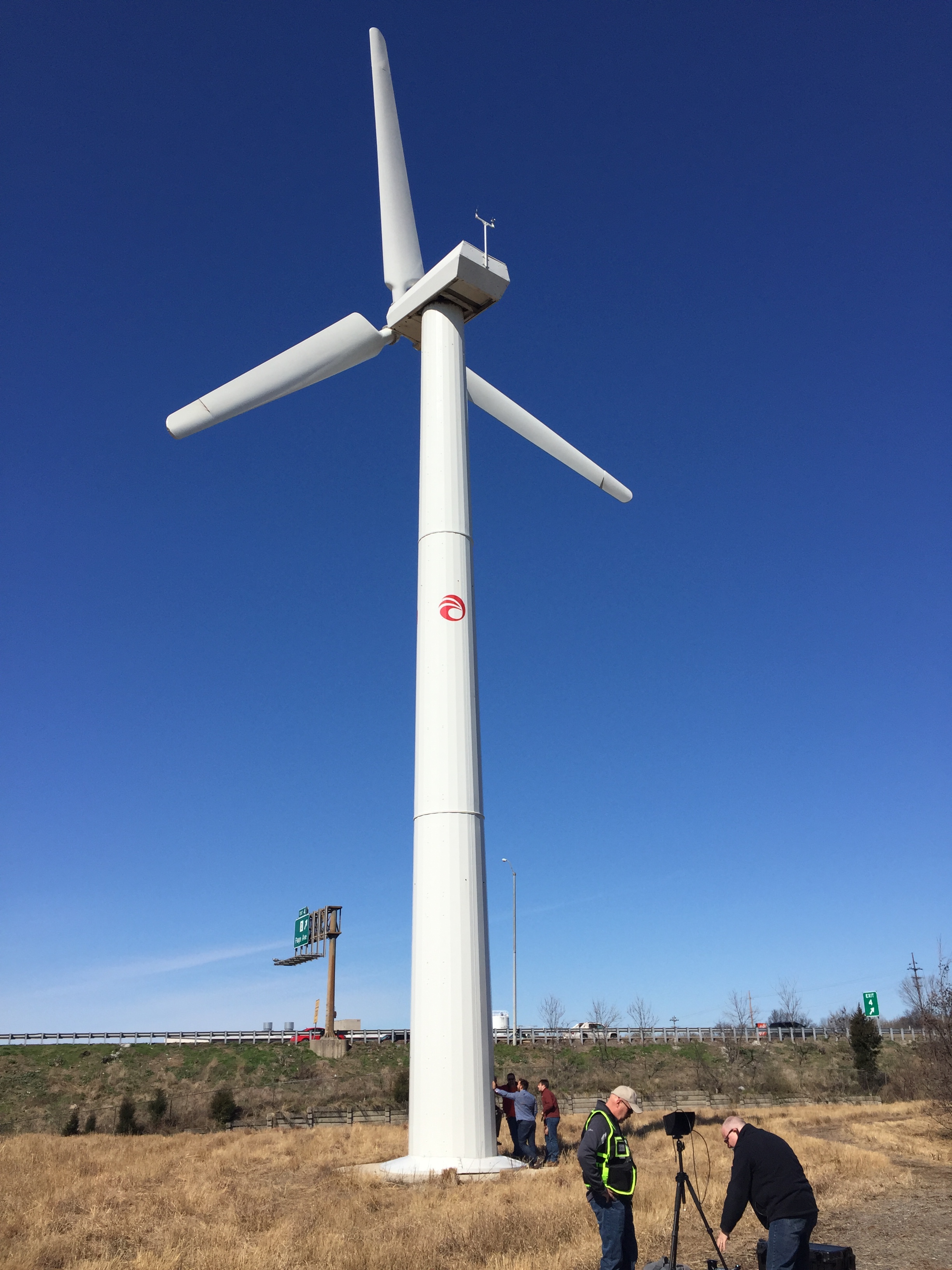
Other specialized drone services can also support business and industrial needs in different ways. Infrared thermal imaging can assist with visual analysis and inspection-related projects. Orthomosaics can provide accurate site mapping and large-area overhead views. LiDAR can support advanced documentation and spatial data collection where precision is important.
When these services are integrated into a broader interview and b-roll production, the result is a much more complete media package.
Repurposing Is Where Production Efficiency Increases
One of the biggest advantages of a well-planned interview and b-roll shoot is how much usable content can come from it. Businesses that think strategically about production are rarely creating only one final video. They are building a media library.
A single shoot can support a main brand or campaign video, short social edits, executive clips, recruiting content, customer stories, trade show visuals, website media, internal communications, and still frames for marketing collateral.
That is why experienced planning matters so much. If the team understands the repurposing goals before the shoot, they can capture a wider variety of framing, subject matter, motion, and visual detail. That gives the business more flexibility later and extends the value of the production investment.
What Businesses Should Look For in a Production Partner
Choosing the right production company requires more than reviewing a demo reel. Decision makers should look for a team that understands both production craft and business communication.
They should be able to make interview subjects comfortable.
They should know how to light real spaces and record clean sound.
They should think strategically about b-roll, not just gather random footage.
They should understand how to work efficiently within active business environments.
They should know how to produce assets that can serve multiple channels and long-term brand use.
They should be able to support photography, video, drone work, editing, and post-production within one coordinated process.
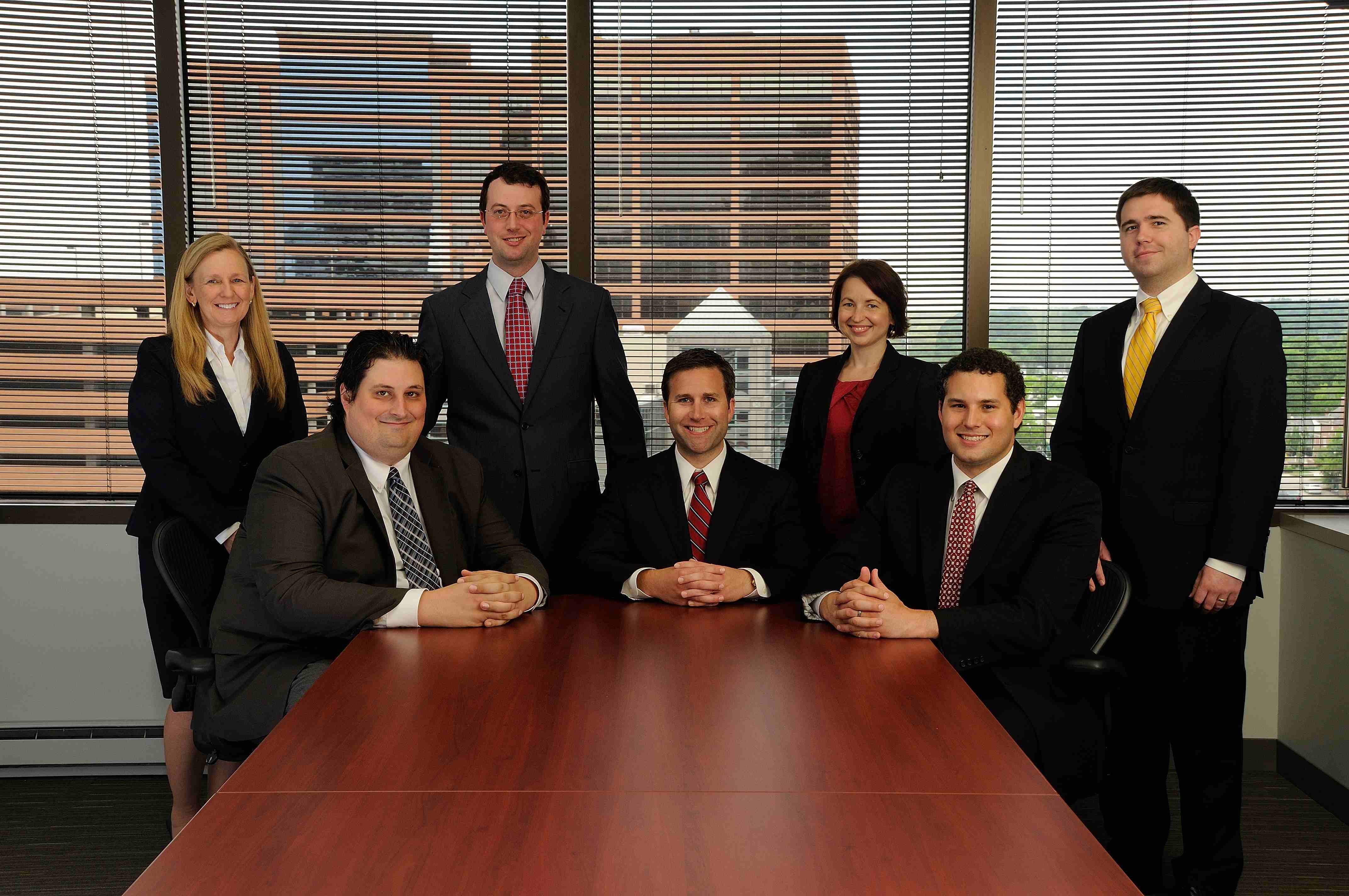
The strongest production partner is not simply a crew with cameras. It is a team that understands story structure, brand presentation, and how to make each shoot day more productive.

Experience Still Makes the Difference
Technology is more available than ever, but access to cameras and software does not replace experience. The quality of interview production still depends on judgment, preparation, adaptability, and editorial thinking. It takes experience to know how to frame a subject, shape a location, ask better questions, anticipate visual needs, and gather footage that will support a strong final edit.
That experience becomes especially important when representing a business publicly. Organizations need media that reflects their professionalism, supports their goals, and can be used confidently across marketing and communications channels.
Final Thoughts
Video interviews and b-roll remain one of the smartest and most versatile content structures available to modern businesses. Interviews deliver the message. B-roll gives that message life, context, and momentum. Together, they allow organizations to communicate with more clarity, authority, and visual strength.
For businesses, agencies, and organizations in the St. Louis area, working with a team that understands both sides of that equation can lead to stronger productions and better long-term results.
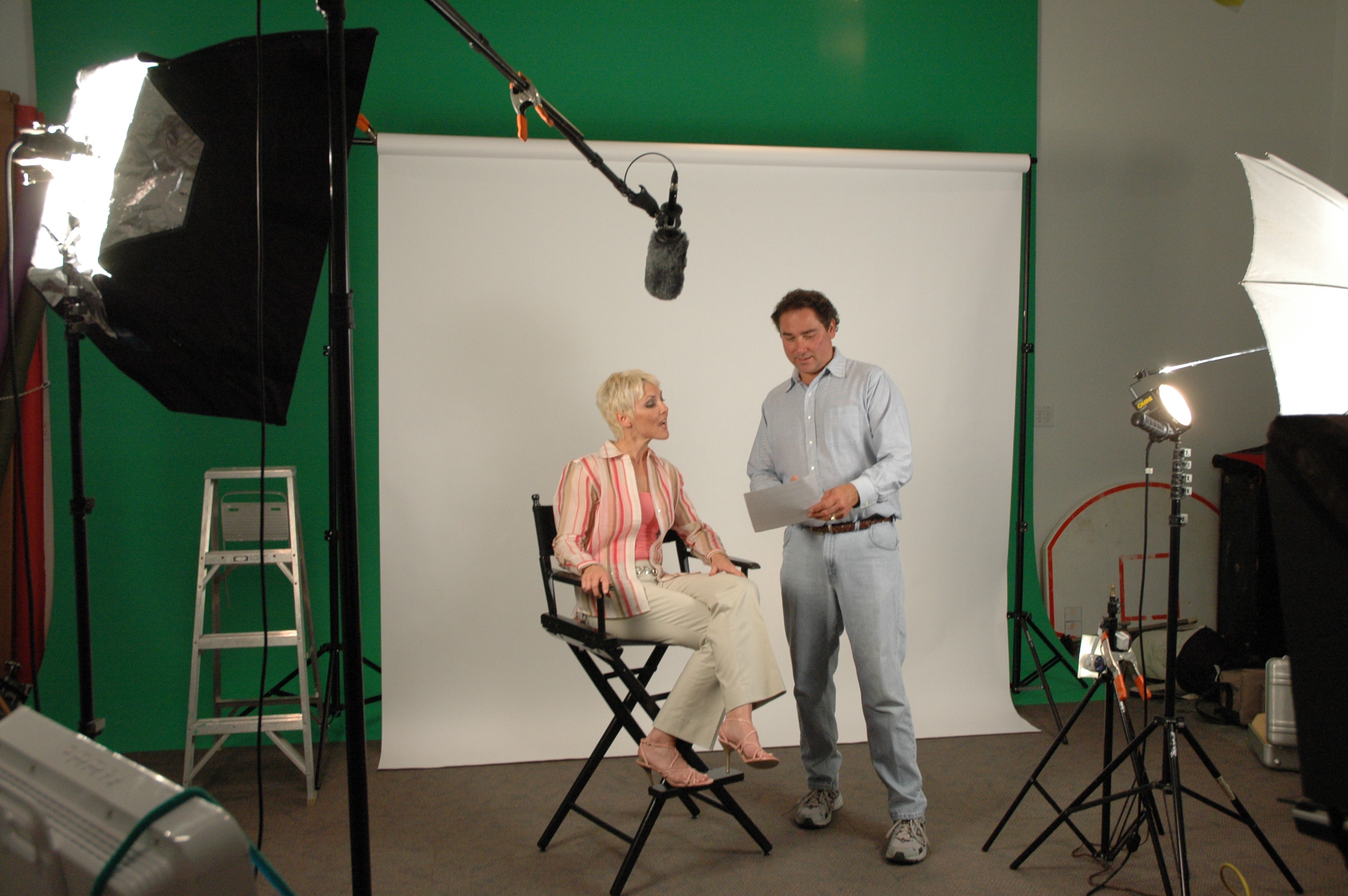
Since 1982, St Louis Video Studio has worked with many businesses, marketing firms, and creative agencies in the St. Louis area for their marketing photography and video. St Louis Video Studio is a full-service professional commercial photography and video production company with the right equipment and creative crew service experience for successful image acquisition. We offer full-service studio and location video and photography, as well as editing, post-production, and licensed drone services. St Louis Video Studio can customize productions for diverse media requirements, and repurposing your photography and video branding to gain more traction is one of our specialties. We are well-versed in all file types, media styles, and accompanying software, and we use the latest Artificial Intelligence tools across our media services. Our private studio lighting and visual setup are ideal for small productions and interview scenes, and our studio is large enough to incorporate props to round out your set. We support every aspect of production, from setting up a private, custom interview studio to supplying professional sound and camera operators and the right equipment, ensuring your next video production is seamless and successful. We are also location scouting and b-roll specialists, can fly specialized FPV drones indoors, and offer additional drone services including infrared thermal, orthomosaics, and LiDAR.

