Unknown's avatar

Video Interviews and B-Roll Specialists in St. Louis

In today’s crowded media environment, businesses need more than generic video content. They need communication tools that are polished, strategic, and flexible enough to support websites, campaigns, sales efforts, recruiting, internal communications, and long-term brand development. That is why professionally produced video interviews paired with purposeful b-roll remain one of the most effective formats for organizations that want to communicate clearly and build credibility.

For companies, agencies, institutions, and organizations in the St. Louis area, interview-based video can capture authentic voices, real expertise, and meaningful stories. But the real strength of the format comes from combining those interviews with the right supporting visuals. B-roll is what turns a talking head into a compelling narrative. It adds proof, energy, pacing, context, and polish. When the production is handled by experienced specialists, the final result feels intentional, engaging, and highly usable across many platforms.

For decision makers overseeing photography, marketing, branding, and video production, understanding the value of strong interview production and b-roll acquisition is essential when planning media that needs to perform.

Why Video Interviews Continue to Be So Effective

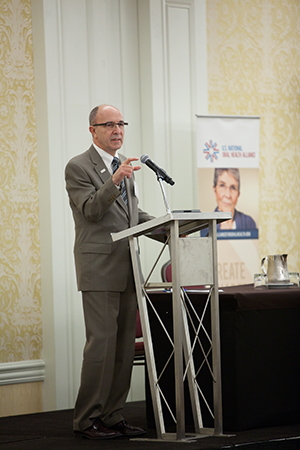
Video interviews remain one of the strongest tools in commercial production because they allow businesses to communicate through real people instead of abstract claims. Whether the speaker is a company leader, employee, client, physician, educator, engineer, technician, or subject matter expert, the interview gives the message authenticity. It creates a direct human connection that audiences respond to.

Businesses use video interviews for many purposes. Some want to explain their company story or brand position. Others want to highlight expertise, showcase customer relationships, recruit employees, communicate internal initiatives, or support public-facing campaigns. In many cases, the interview becomes the foundation of the entire production because it establishes the message, shapes the tone, and guides the overall structure of the edit.

An interview on its own, however, is rarely enough. Even the strongest speaker benefits from visuals that help the audience see what is being discussed. That is where b-roll becomes critical.
What B-Roll Adds to the Story

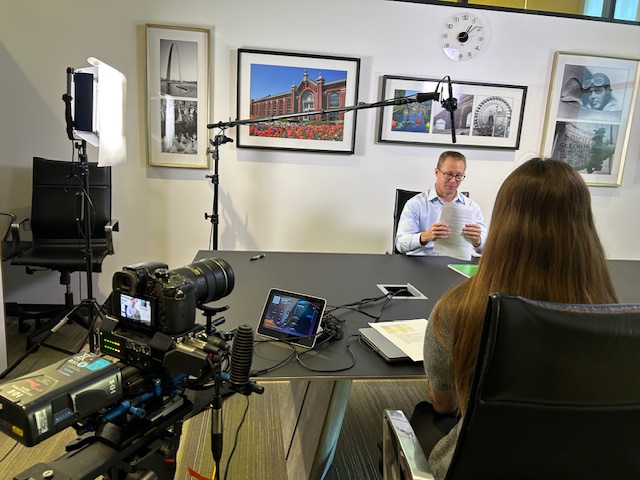
B-roll is far more than supplemental footage. It is one of the key elements that determines whether a finished video feels polished and persuasive or static and forgettable.

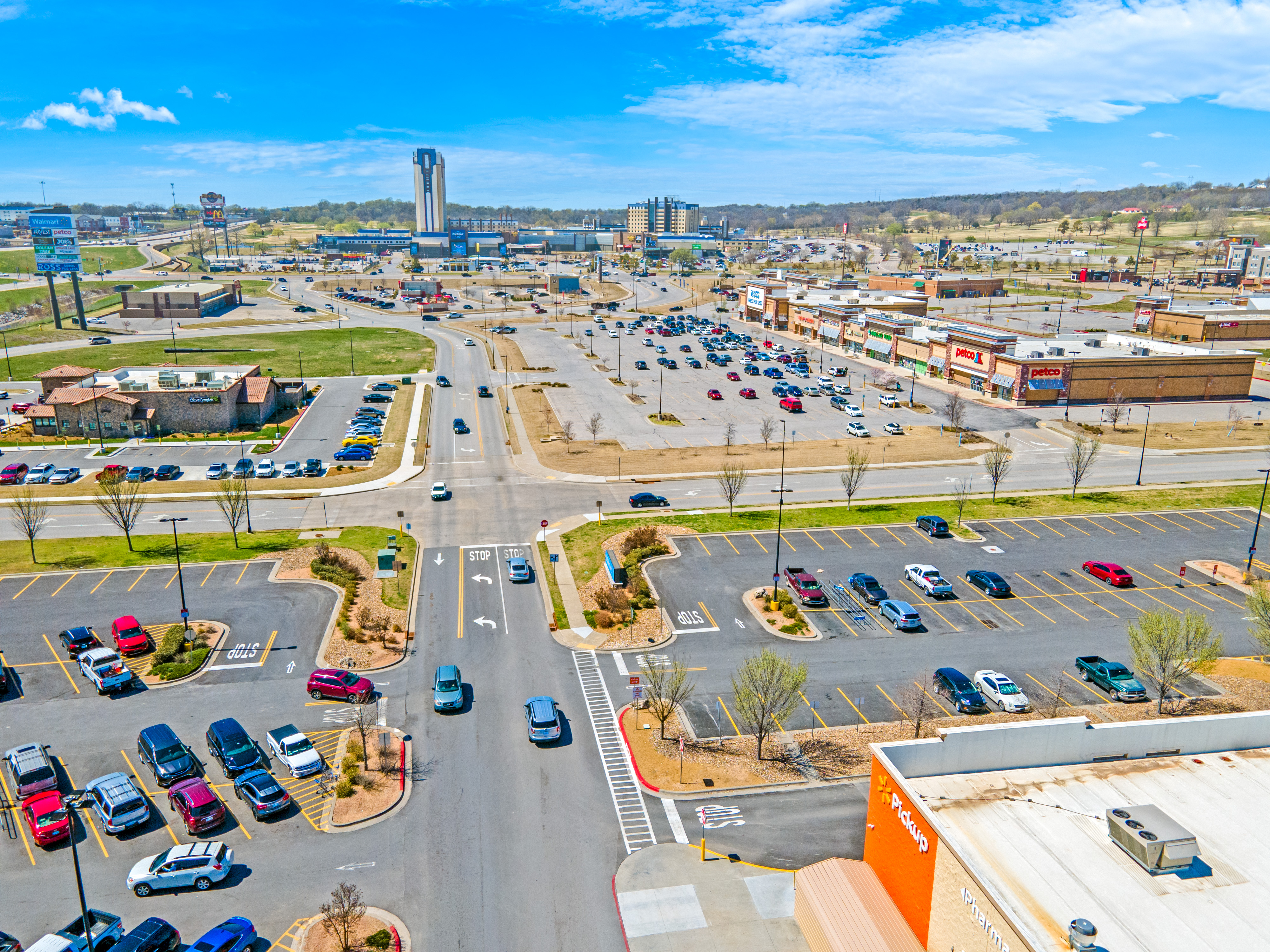
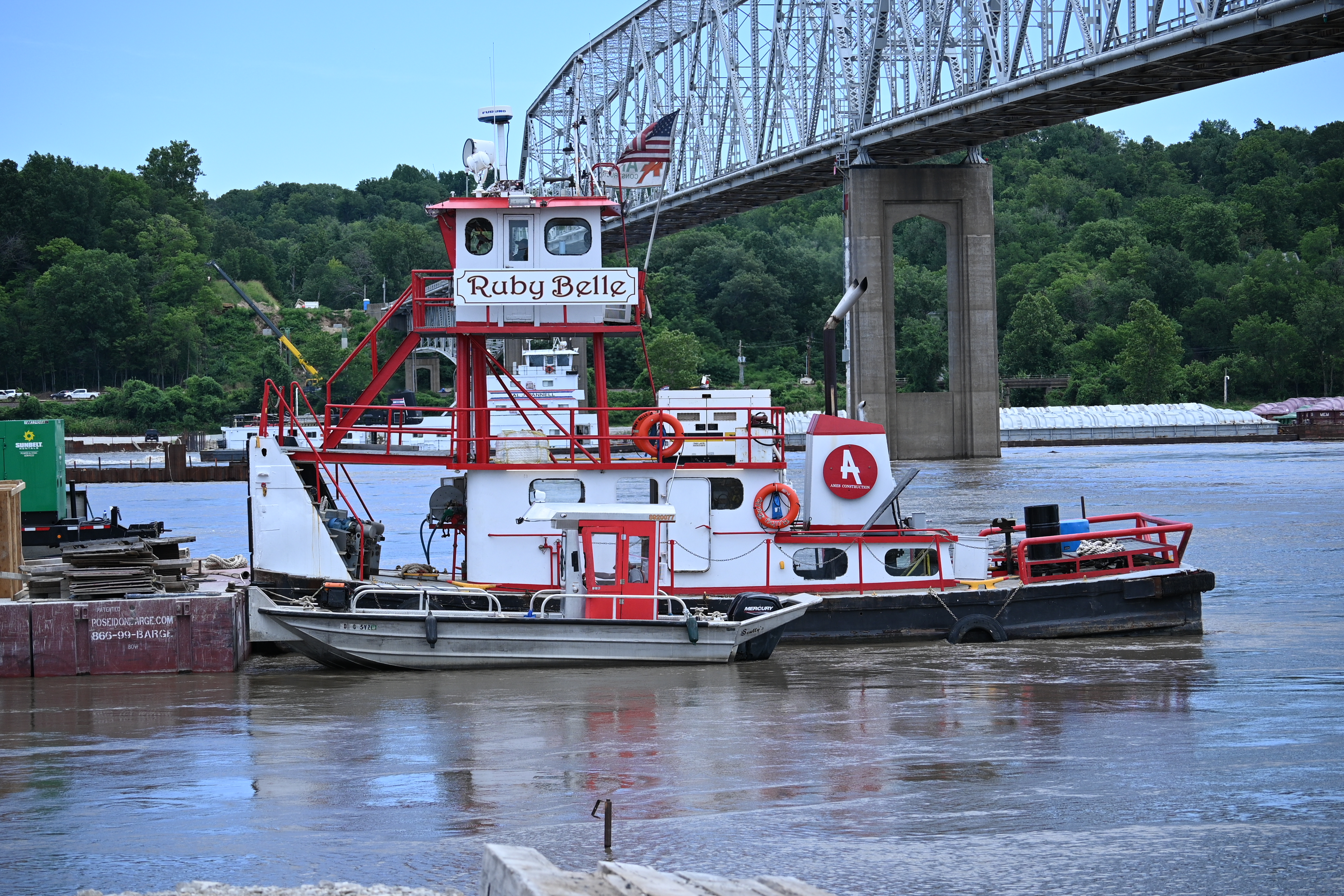
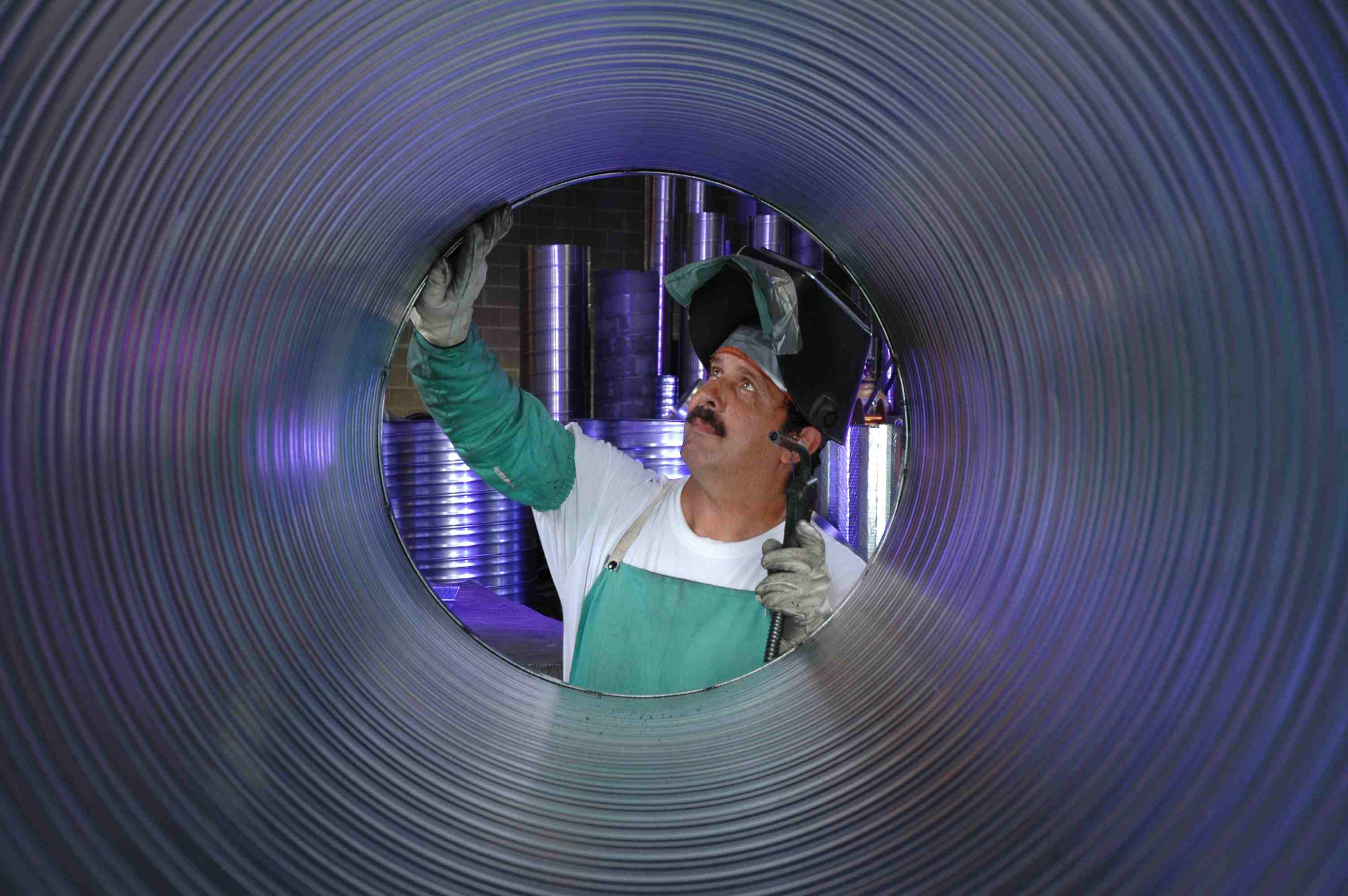
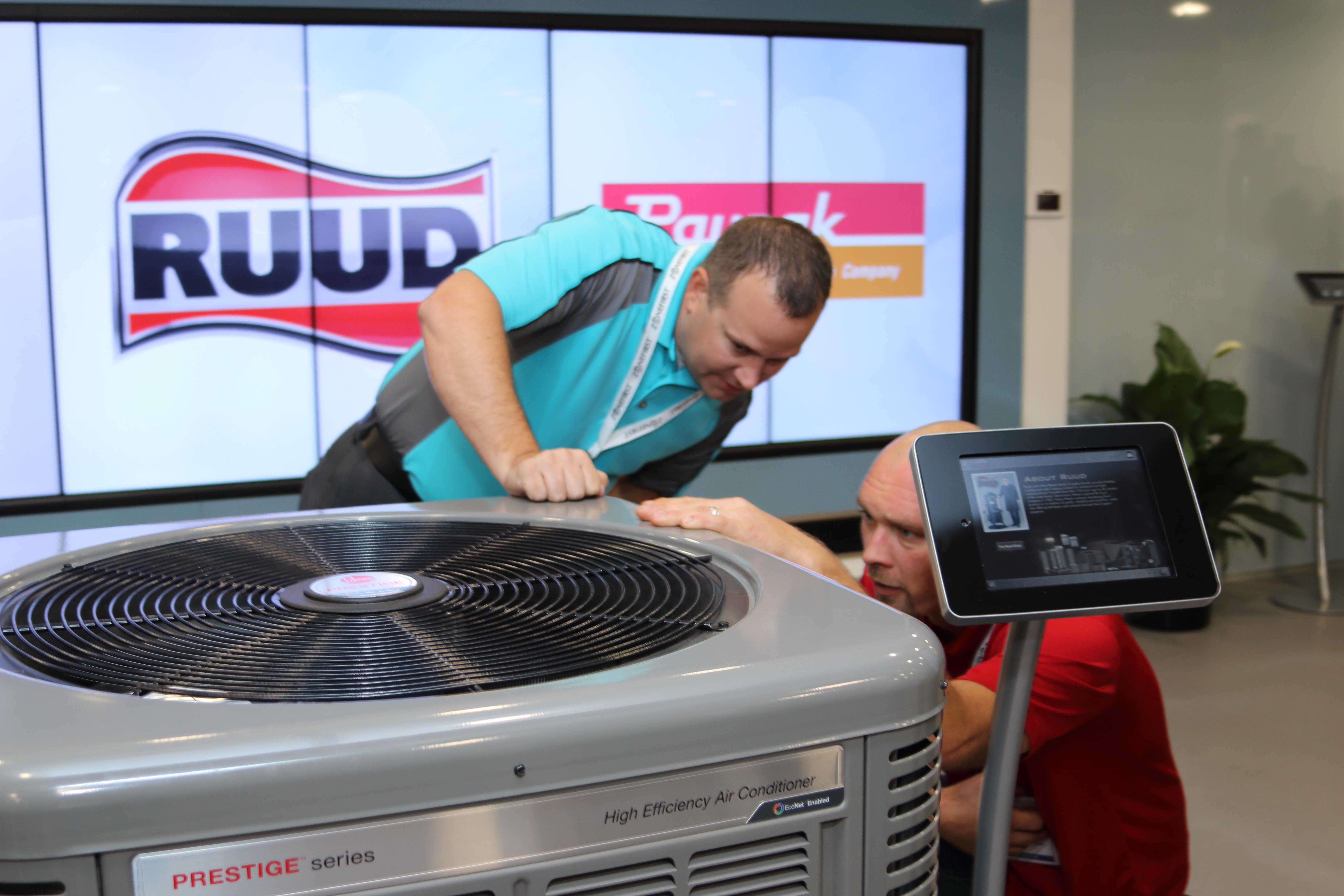
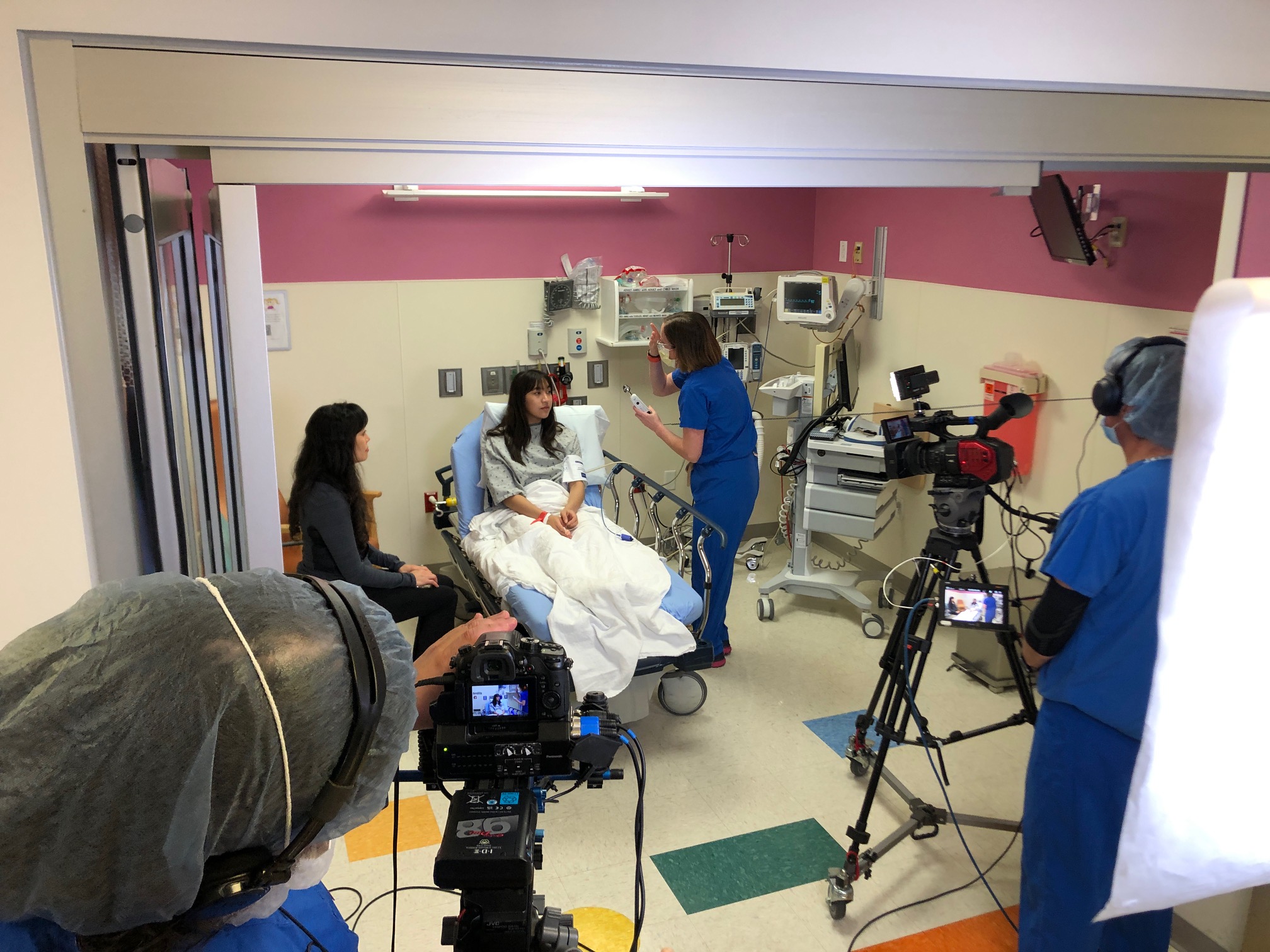
The right b-roll illustrates ideas, supports statements, and gives viewers visual evidence of what the speaker is describing. It can include your team at work, your products, your facility, customer interaction, process details, branded spaces, environmental footage, equipment, workflow, architecture, action shots, drone coverage, and visual textures that enhance the story.

Good b-roll serves several important roles.

It helps viewers understand and retain information by showing what the interview is talking about.

It improves pacing by breaking up long stretches of dialogue with visual variety.

It helps the edit flow more smoothly by covering transitions, restructuring sound bites, and hiding cuts.

It raises production value by making the final video feel more cinematic, composed, and visually intentional.

It increases the return on a production day because the same footage can often be repurposed into shorter edits, social content, web assets, and internal media.

Businesses that underestimate b-roll often end up with a weaker final product. Businesses that plan for it properly usually end up with video content that works harder and lasts longer.
Why Specialist Experience Matters

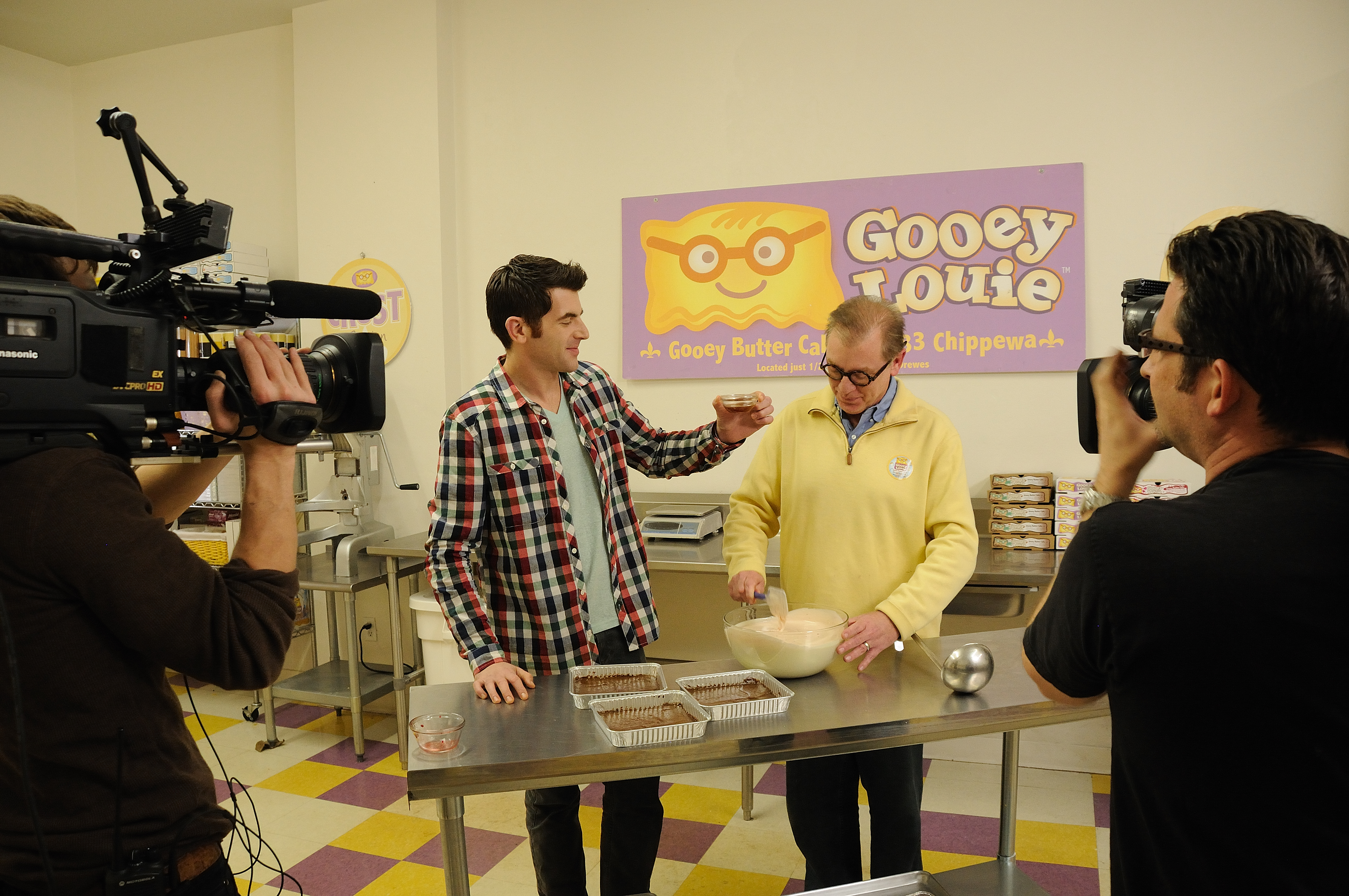
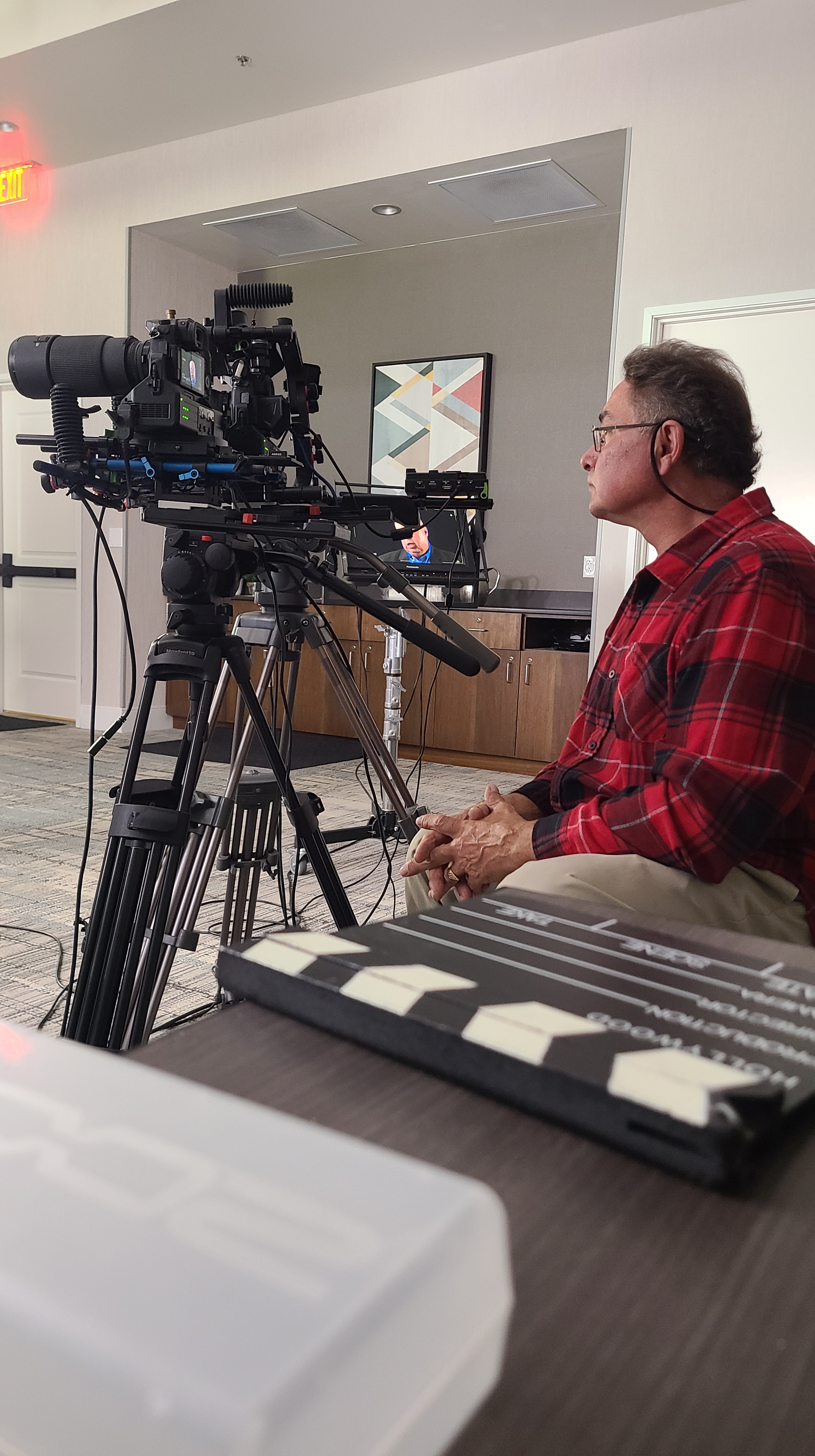
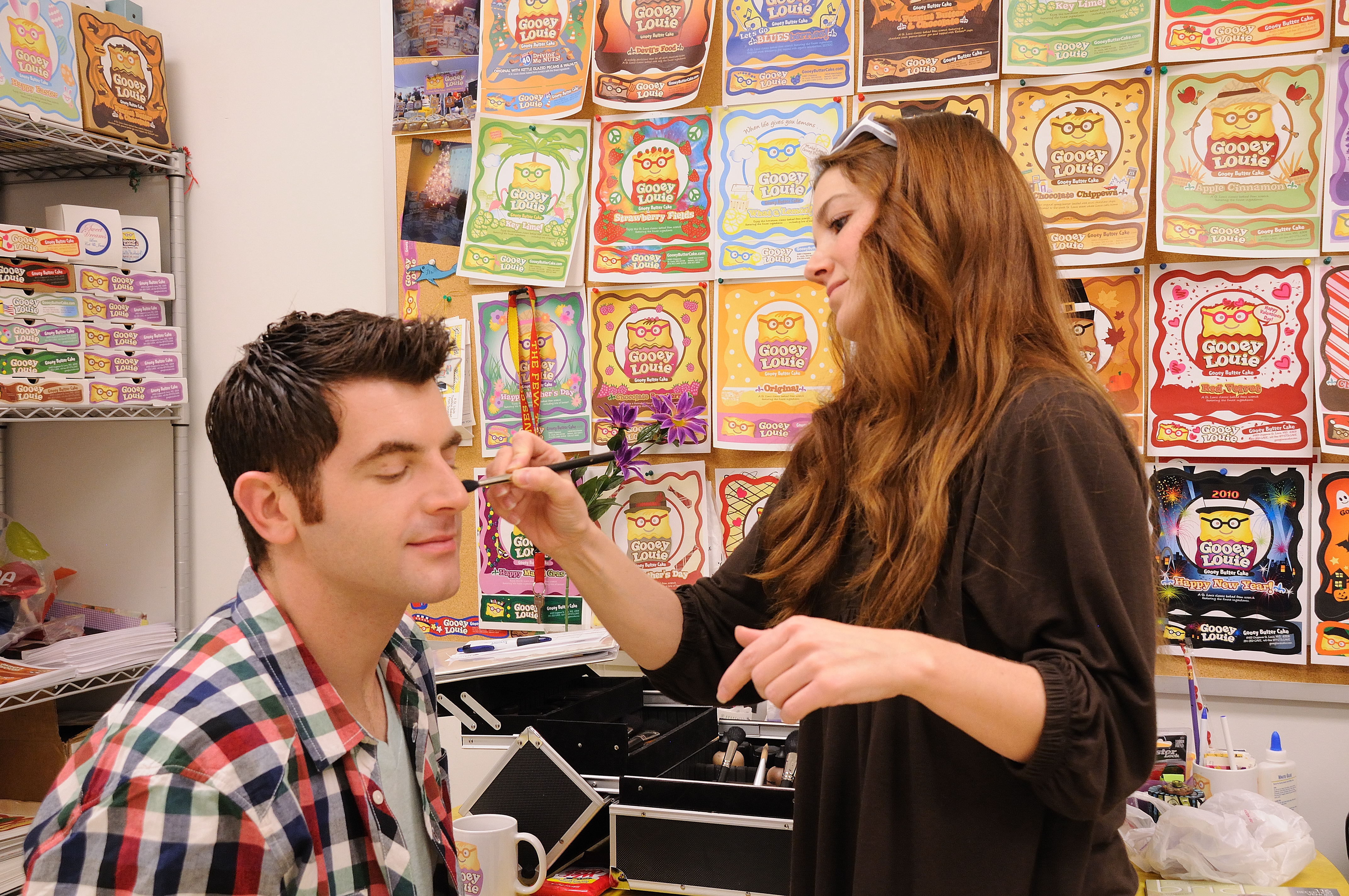
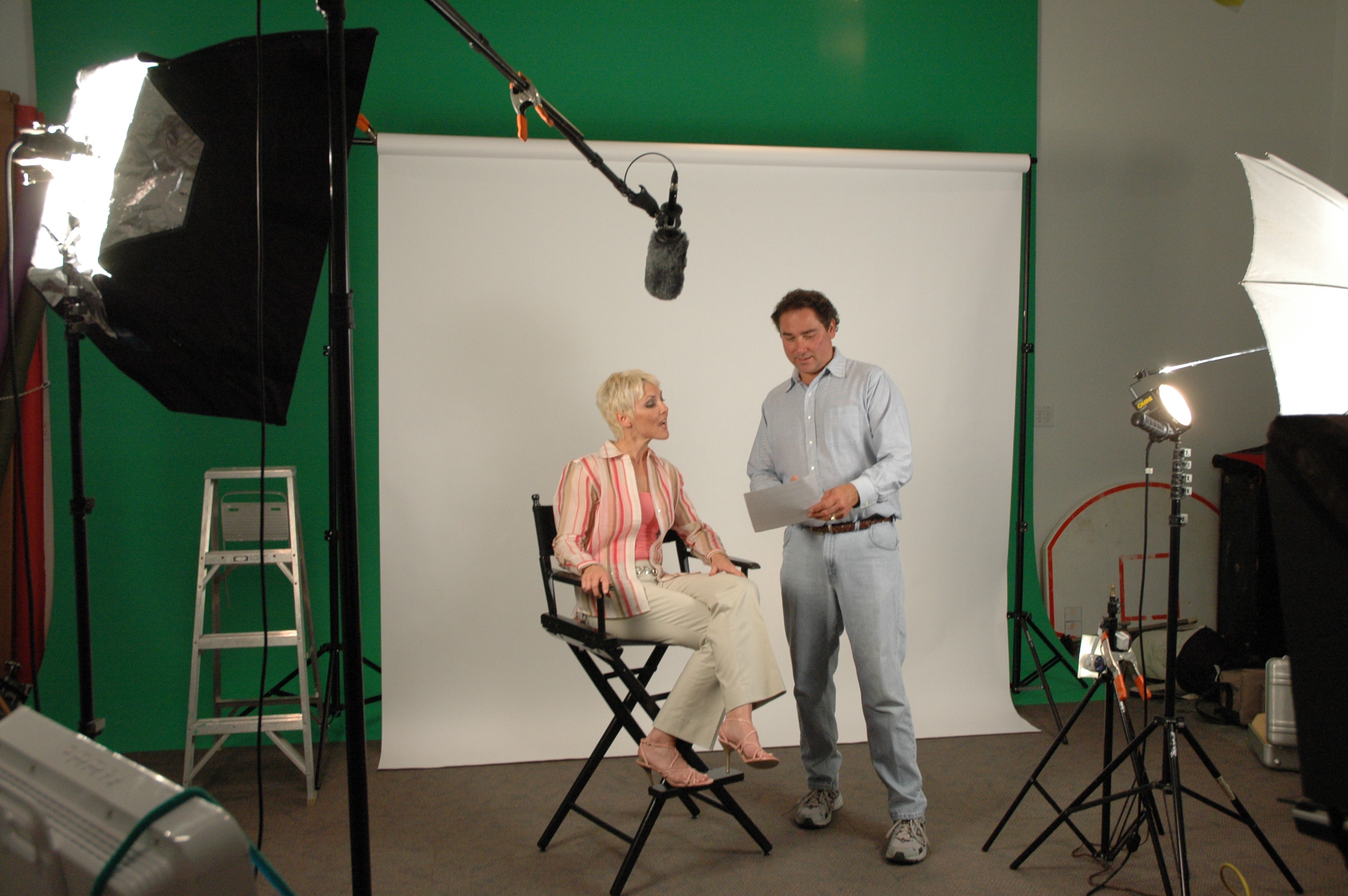
There is a real difference between a crew that occasionally records interviews and a team that specializes in interview-driven productions and b-roll acquisition. Specialists know how to manage everything that affects the quality of the final piece, including subject comfort, lighting, composition, sound, pacing, background selection, and visual continuity.

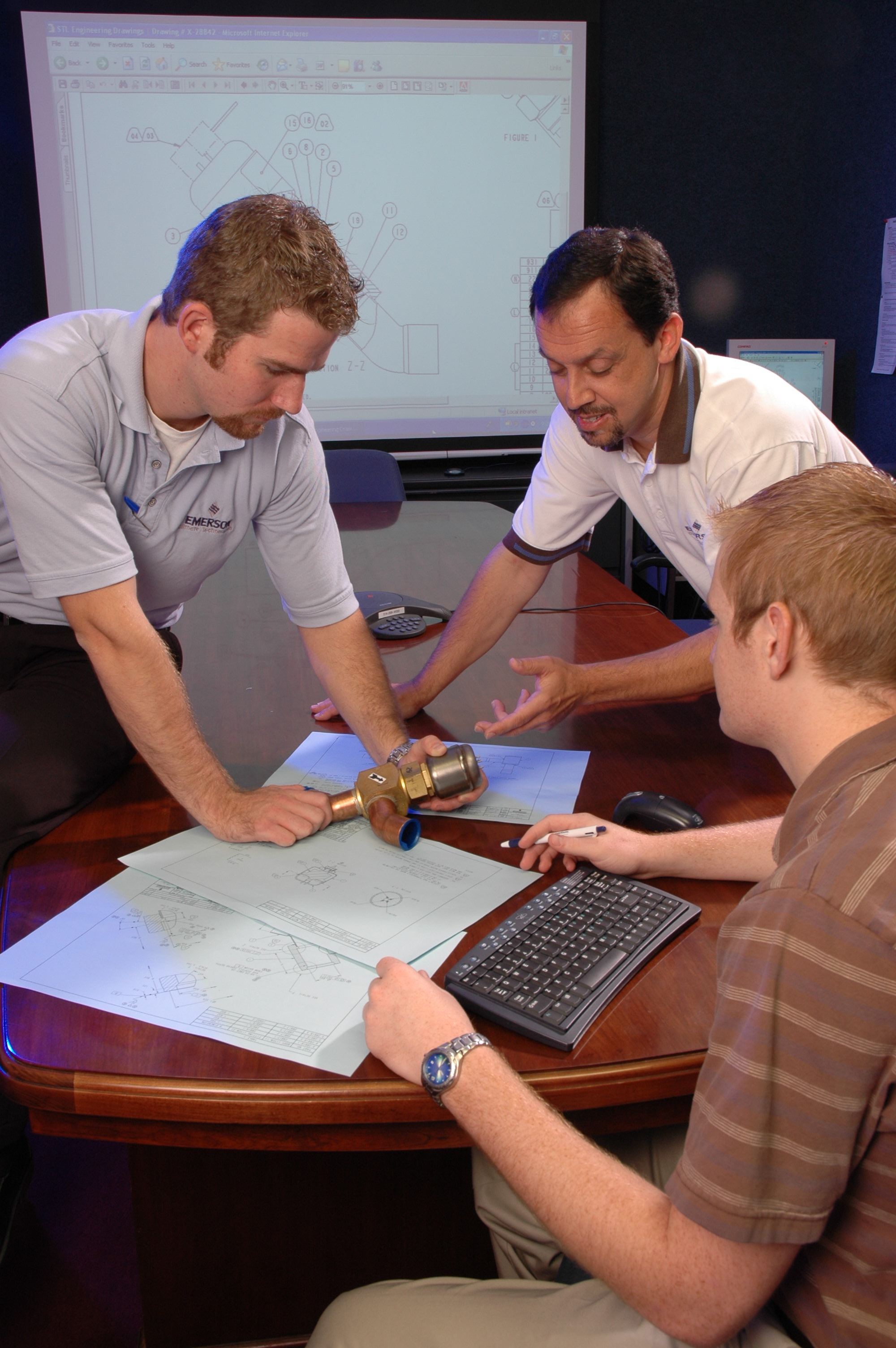
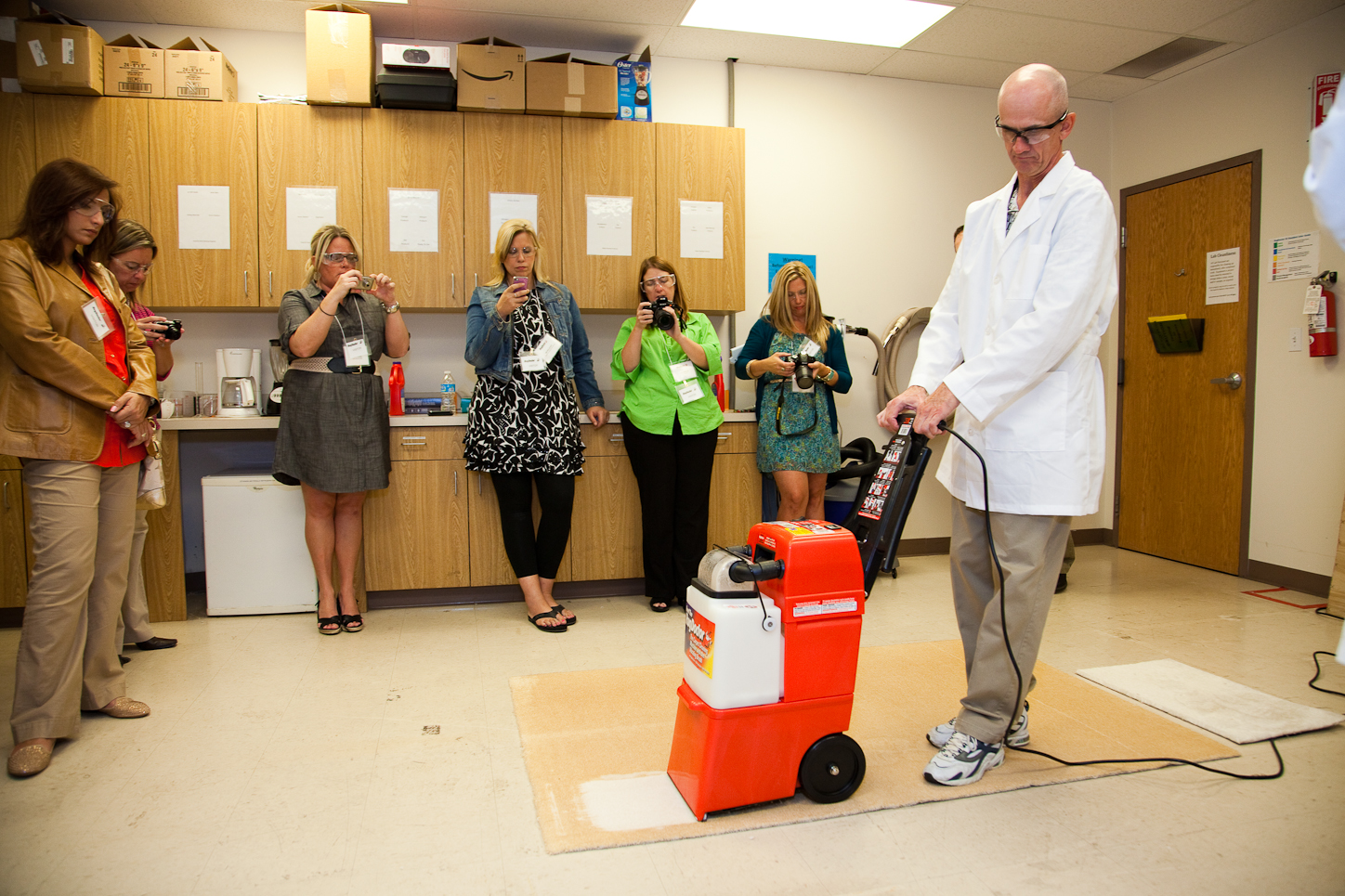
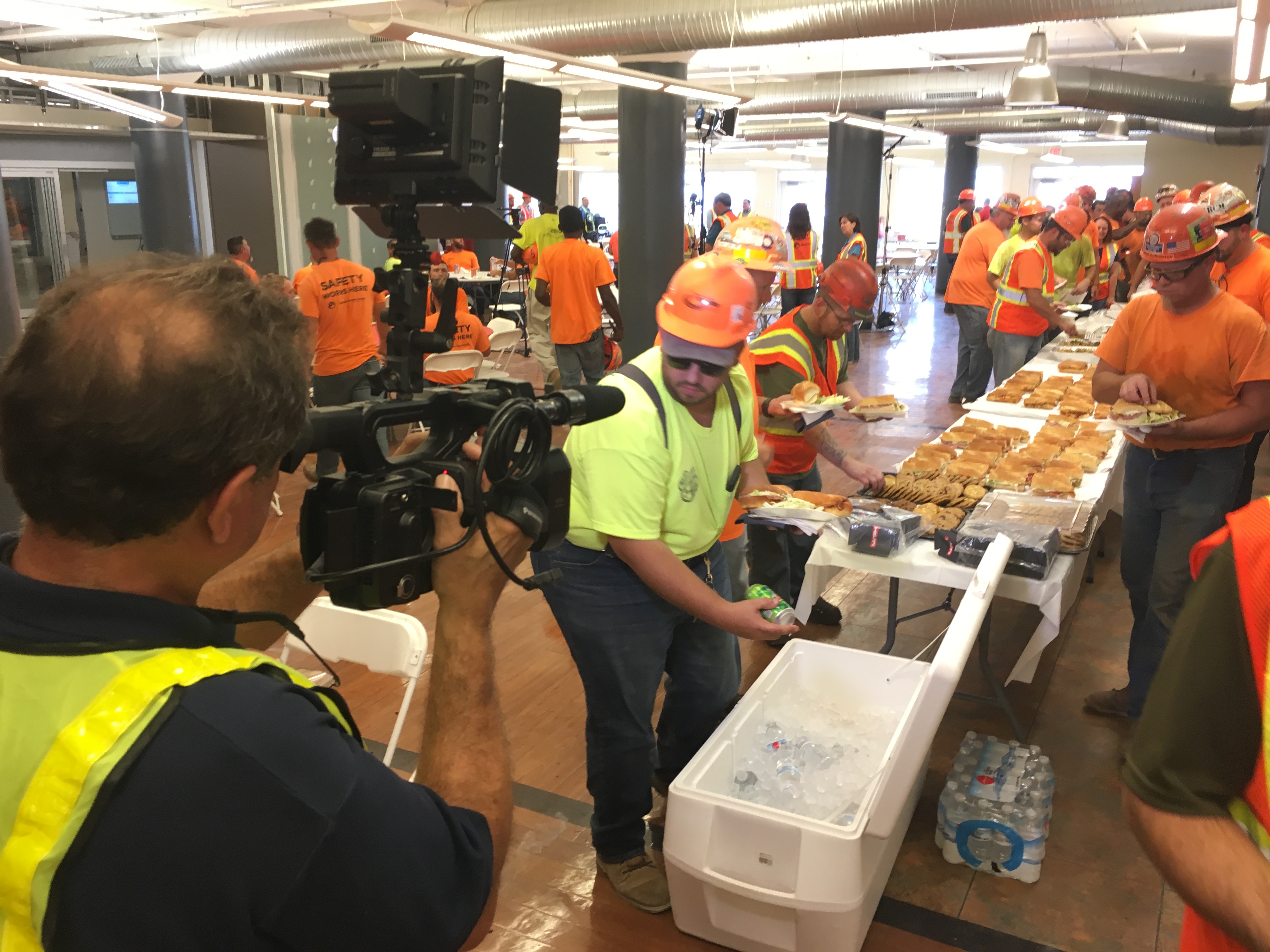
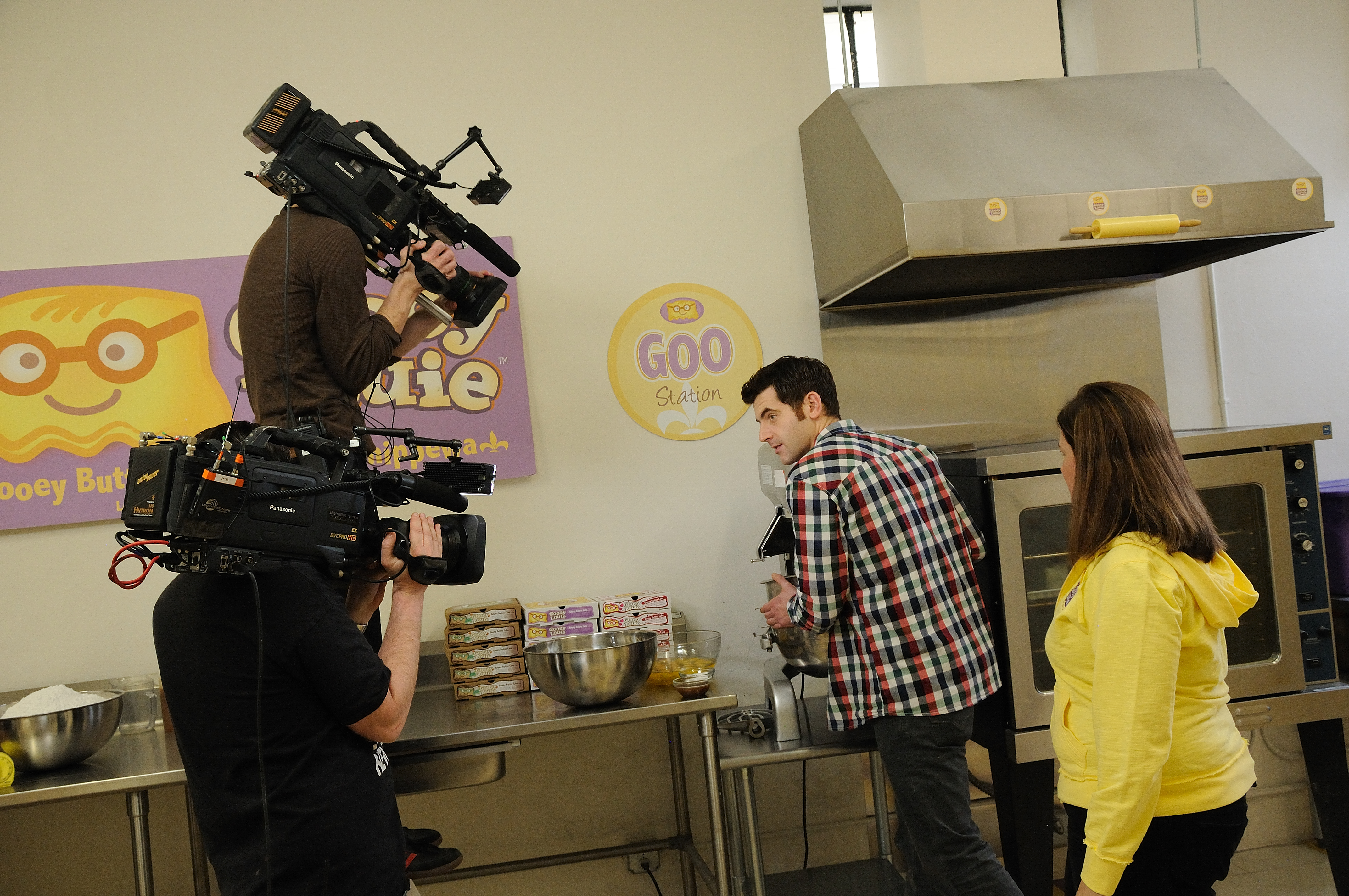
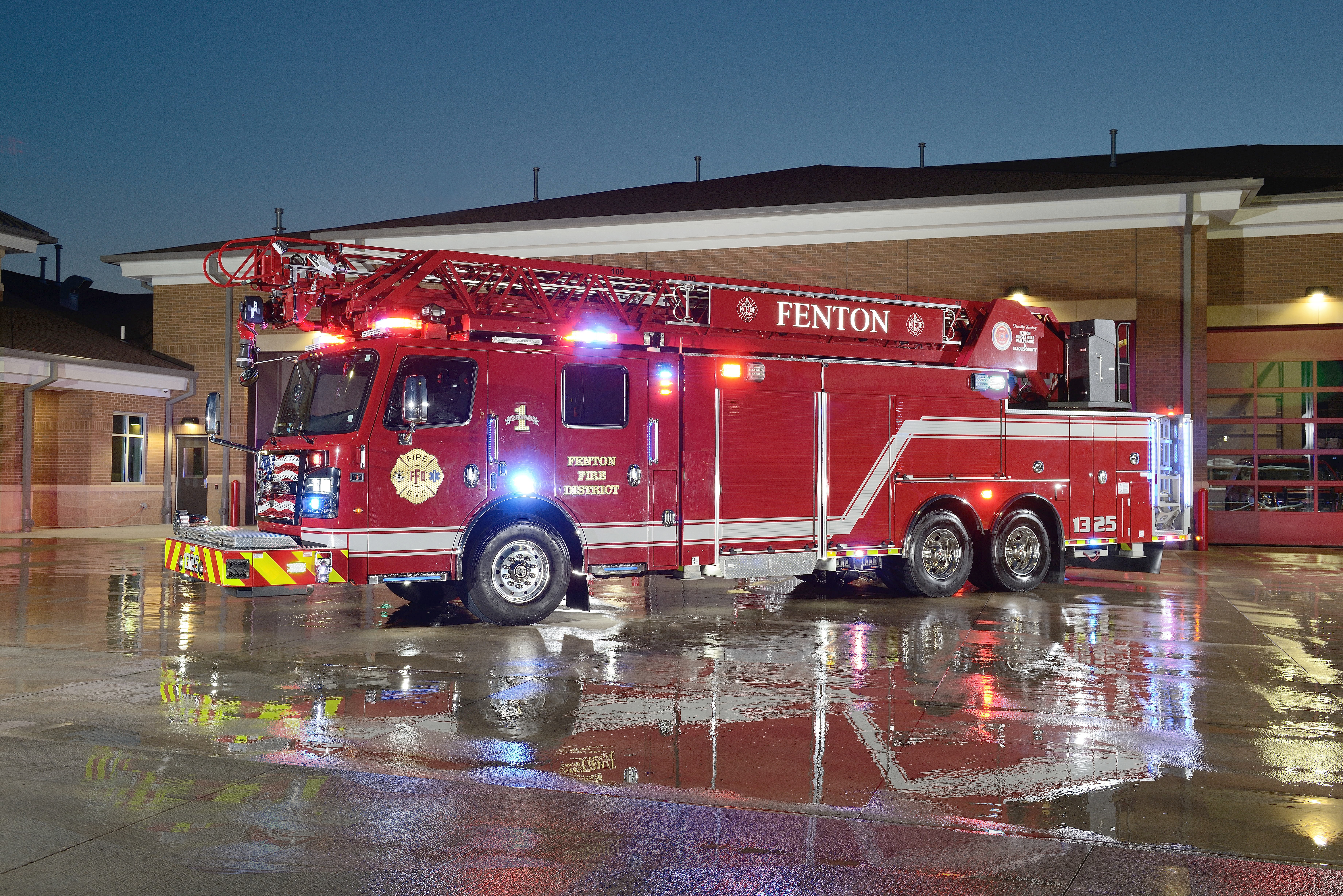
That experience matters even more when productions take place in real working environments rather than controlled studio sets. Offices, conference rooms, warehouses, schools, medical spaces, manufacturing facilities, retail environments, and active job sites all present unique challenges. Lighting may be uneven. Sound may be inconsistent. Schedules may be tight. Operations may still need to continue during the shoot.

An experienced production team understands how to work within those conditions while still delivering strong results. They know how to shape a room, simplify a setup, minimize disruptions, and gather the right footage efficiently. Most importantly, they know how to think ahead to the edit while they are still on location.

Building a Better Business Interview

A successful interview is not accidental. It is the result of planning, production discipline, and knowing how to guide both the subject and the environment.

Start With the Communication Goal

The first step is understanding the purpose of the piece. Is the video meant to drive leads, strengthen trust, explain services, attract talent, support sales, or document a story? The answer affects every production choice that follows, from interview questions to visual style.

Without a clear objective, interviews can sound generic and the production can drift away from the real business need.
Choose the Right Voice

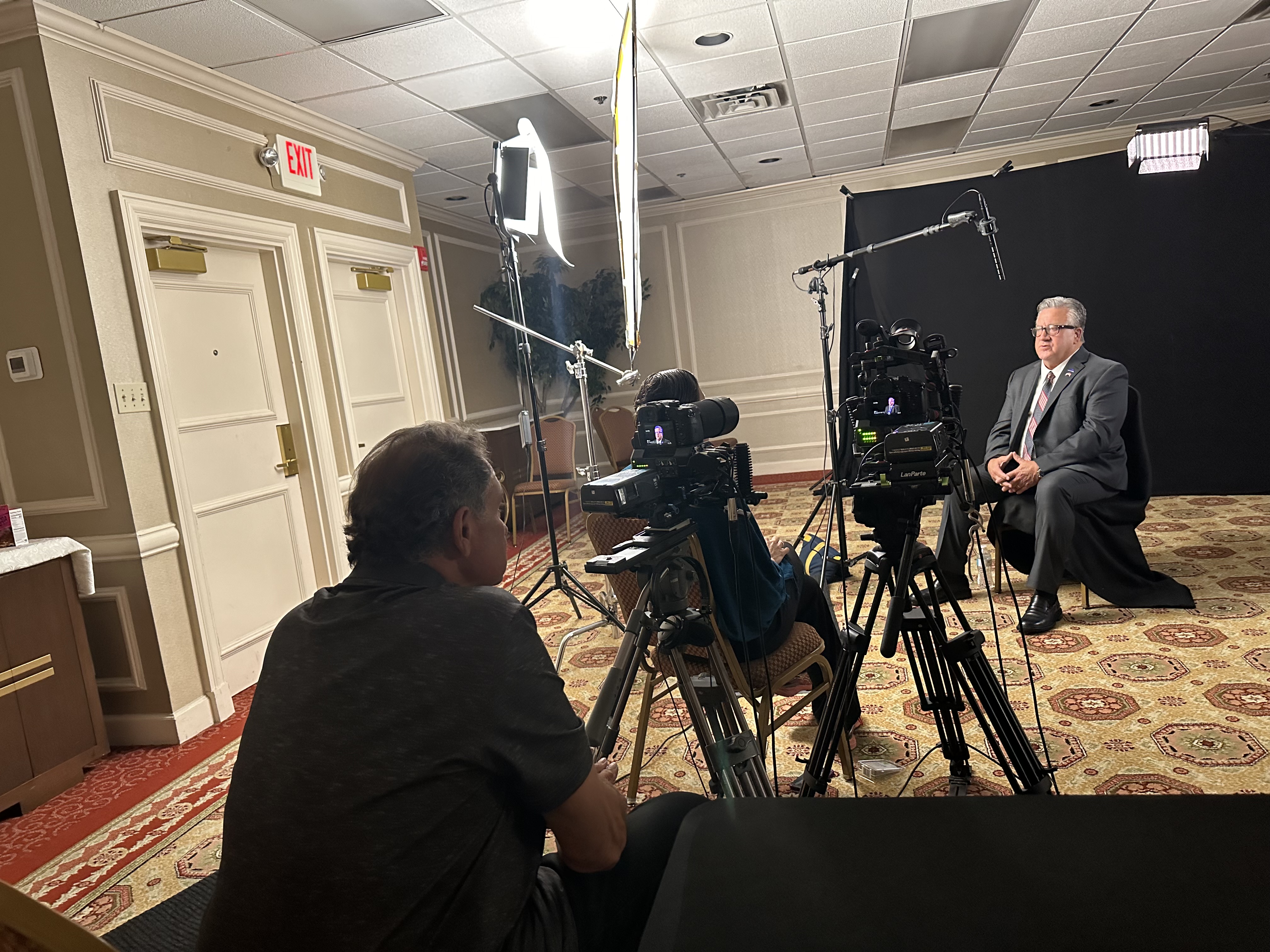
The best on-camera subject is not always the most senior person in the organization. Sometimes it is a founder or executive. Sometimes it is a customer, project manager, technician, or long-time employee. The goal is to feature the person best equipped to speak clearly and credibly about the subject.

The strongest interview subjects are not necessarily performers. They are people with experience, clarity, and authenticity.

Create a Comfortable On-Camera Setting

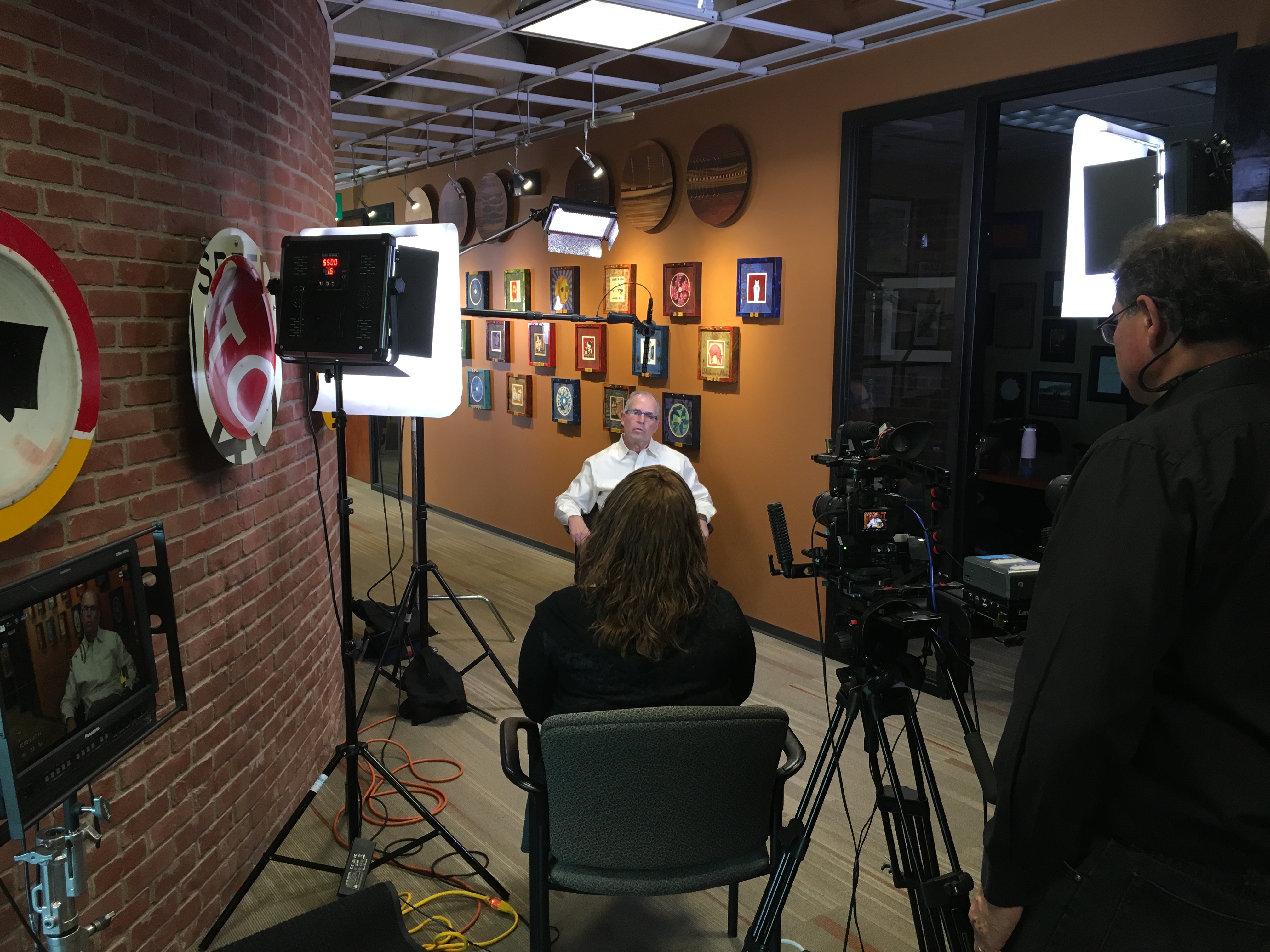
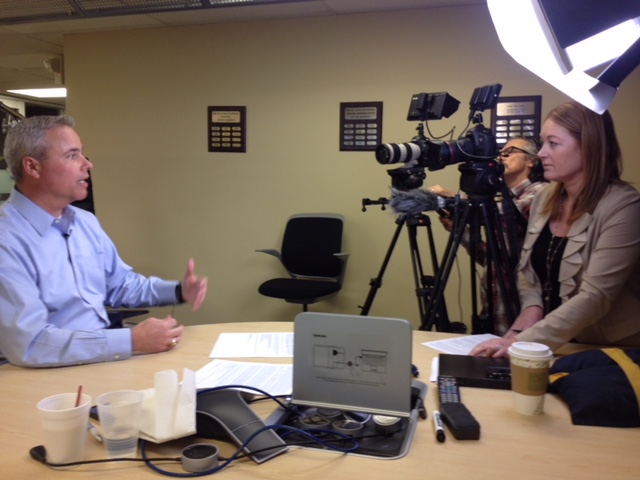
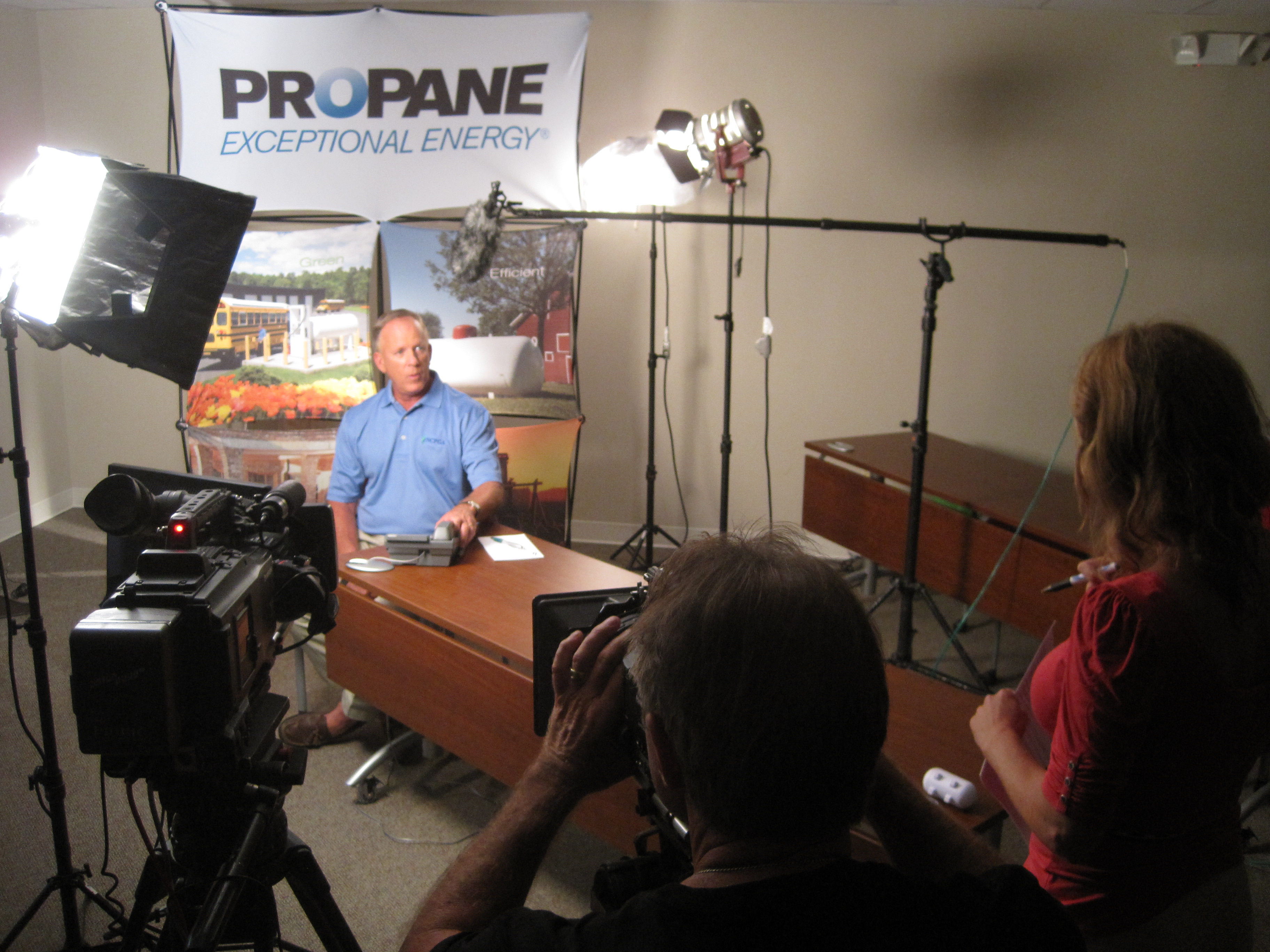
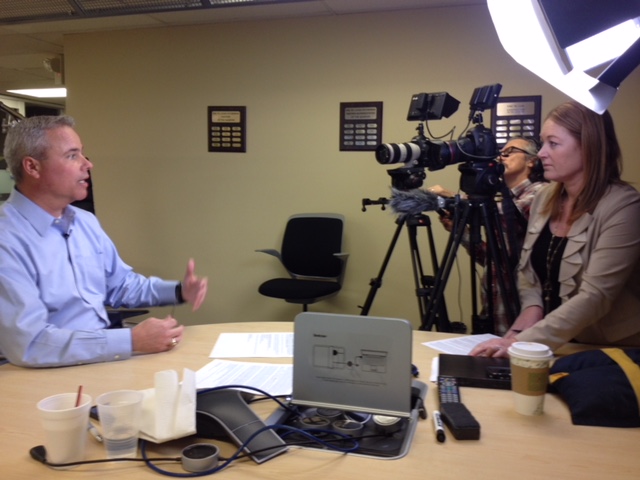
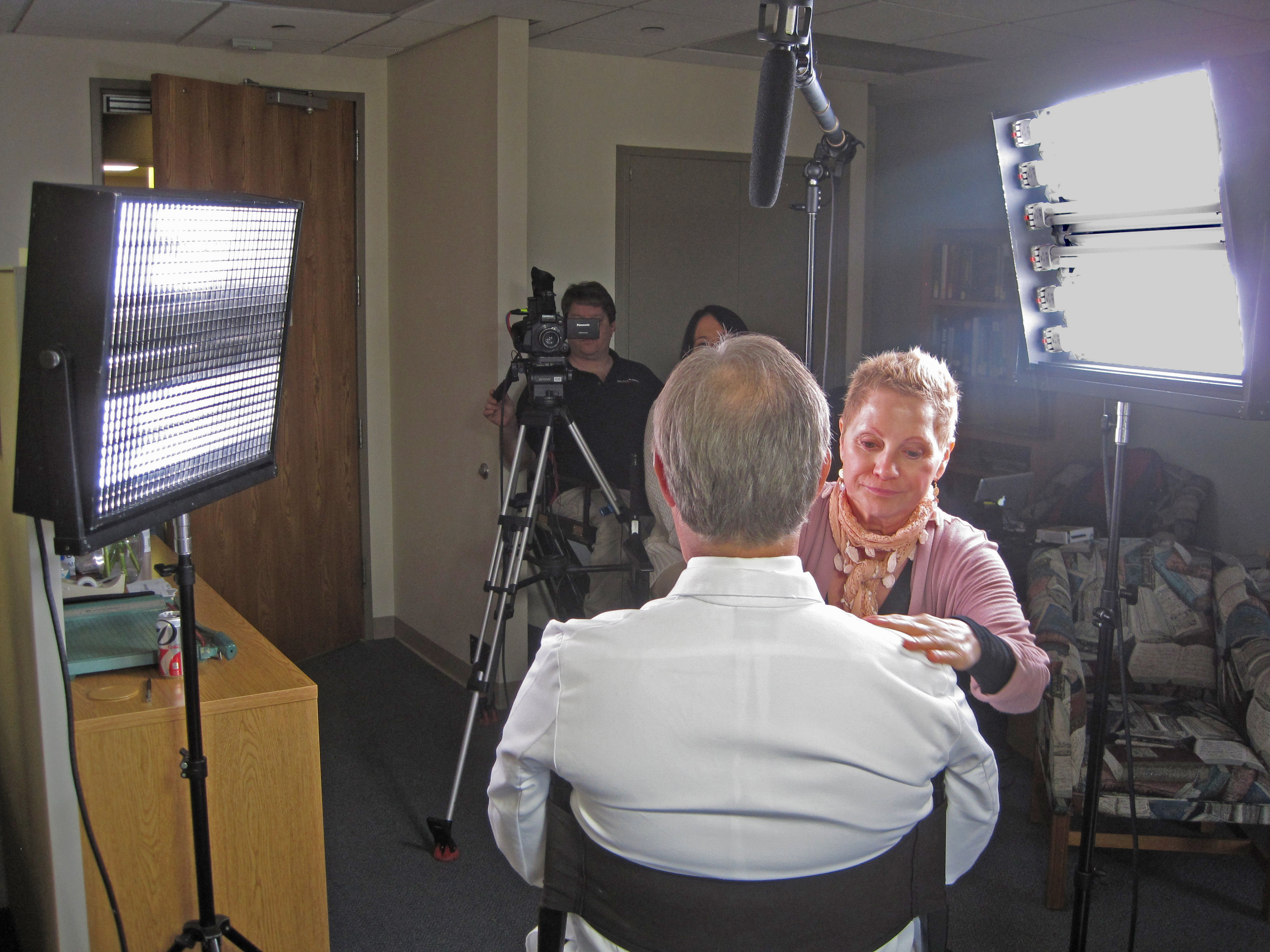
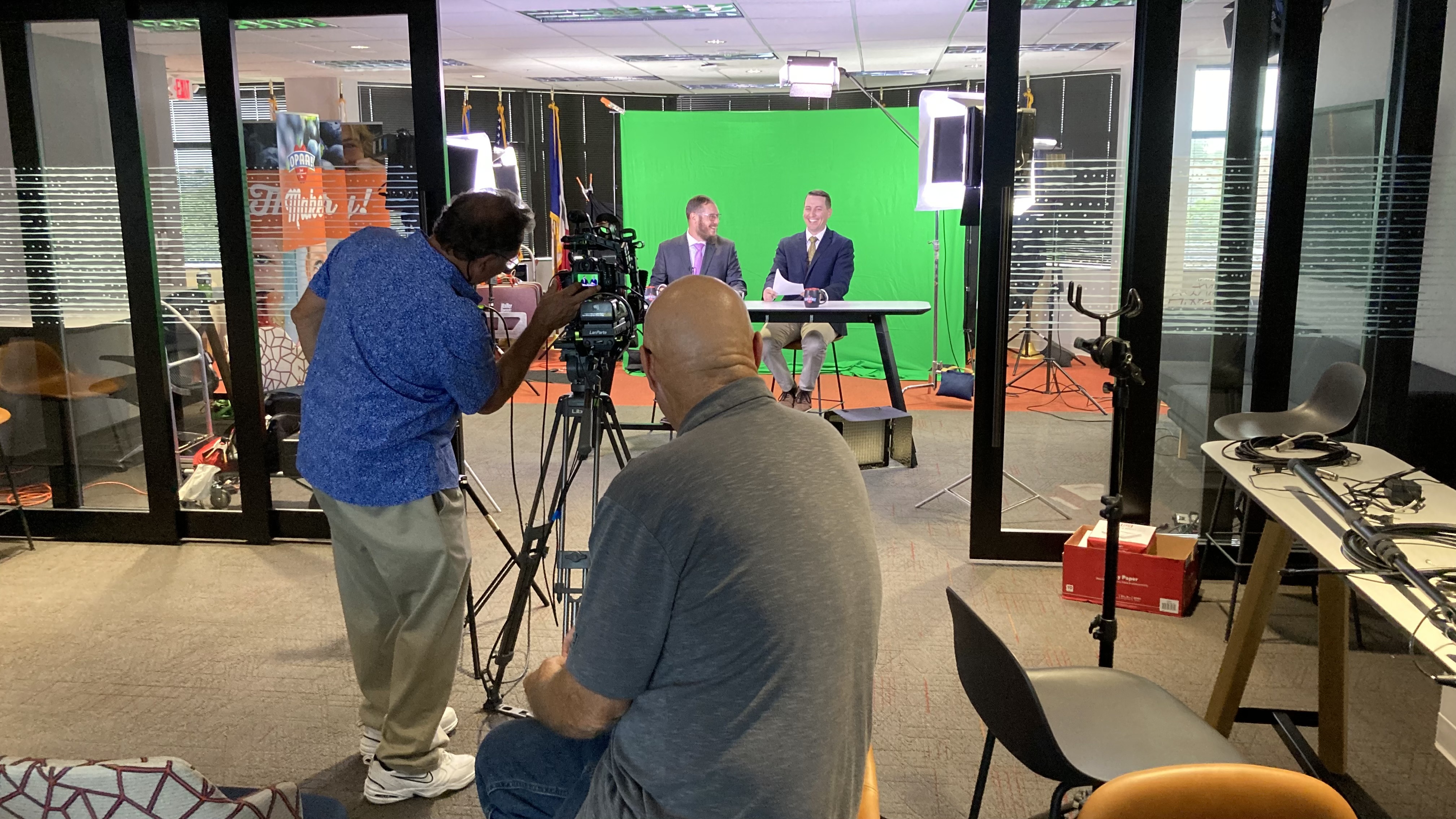
People speak more naturally when the production environment is organized and calm. Camera placement, lighting, background composition, audio setup, and crew demeanor all influence how confident the subject feels. A good team knows how to create a setting that looks professional without making the subject feel overwhelmed.

Ask Questions That Produce Usable Answers

Strong interviews depend on strong prompting. Questions must encourage natural, complete, self-contained responses that can work in the final edit. This requires more than handing someone a list of prompts. It requires listening carefully, following up when needed, and guiding the conversation toward clear and useful statements.

Shoot With the Edit in Mind

Professionals do not only record what is happening in the room. They capture what the editor will need later. That includes alternate framing when appropriate, audio support, room tone, reaction moments, and enough visual flexibility to shape the final sequence with confidence.
What Great B-Roll Looks Like

Strong b-roll is deliberate. It is gathered with purpose, not as an afterthought.

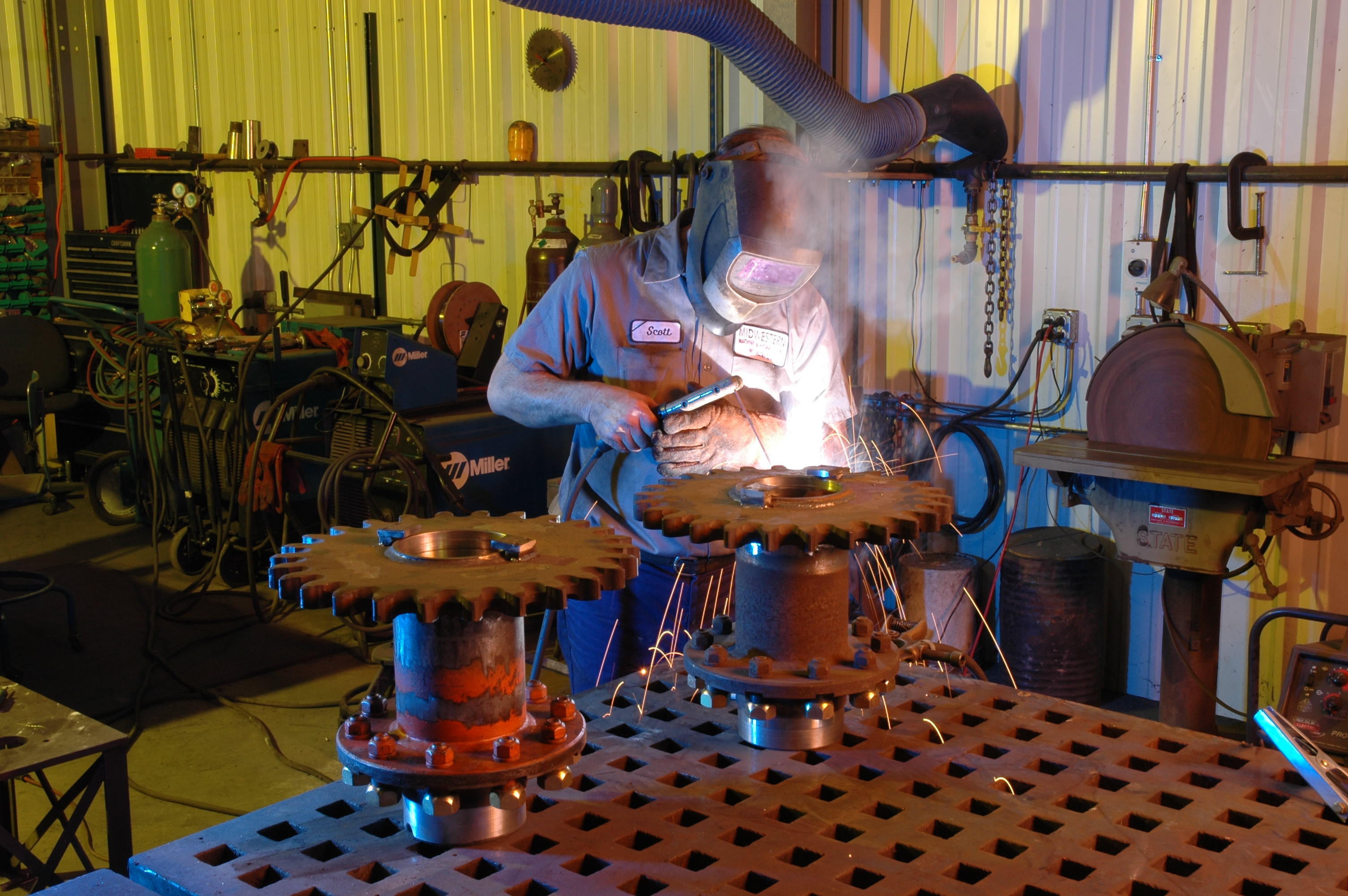
That means understanding what visuals will make the message stronger. A company talking about precision should show precision. A company talking about culture should show people and environment. A business emphasizing customer care should show real interaction and workflow. A facility-focused piece should capture both wide establishing views and detailed process shots.

Experienced b-roll specialists look for layers. They capture broad environmental footage, medium action, and tight detail. They look for movement, process, human interaction, tools, surfaces, brand identifiers, and real moments that give the edit texture and authority.

That variety matters. It makes the finished piece more dynamic, gives editors more flexibility, and supports repurposing across multiple final assets.

Common Uses for Interview and B-Roll Productions

This style of production works across many industries because it is adaptable and efficient.

Professional service firms use interview-driven videos to communicate expertise and build trust.

Manufacturers use them to show process, operations, quality control, and company capability.

Healthcare organizations use them to explain patient care, introduce leadership, and support recruitment.

Schools, colleges, and nonprofits use them to tell mission-driven stories, attract support, and communicate impact.

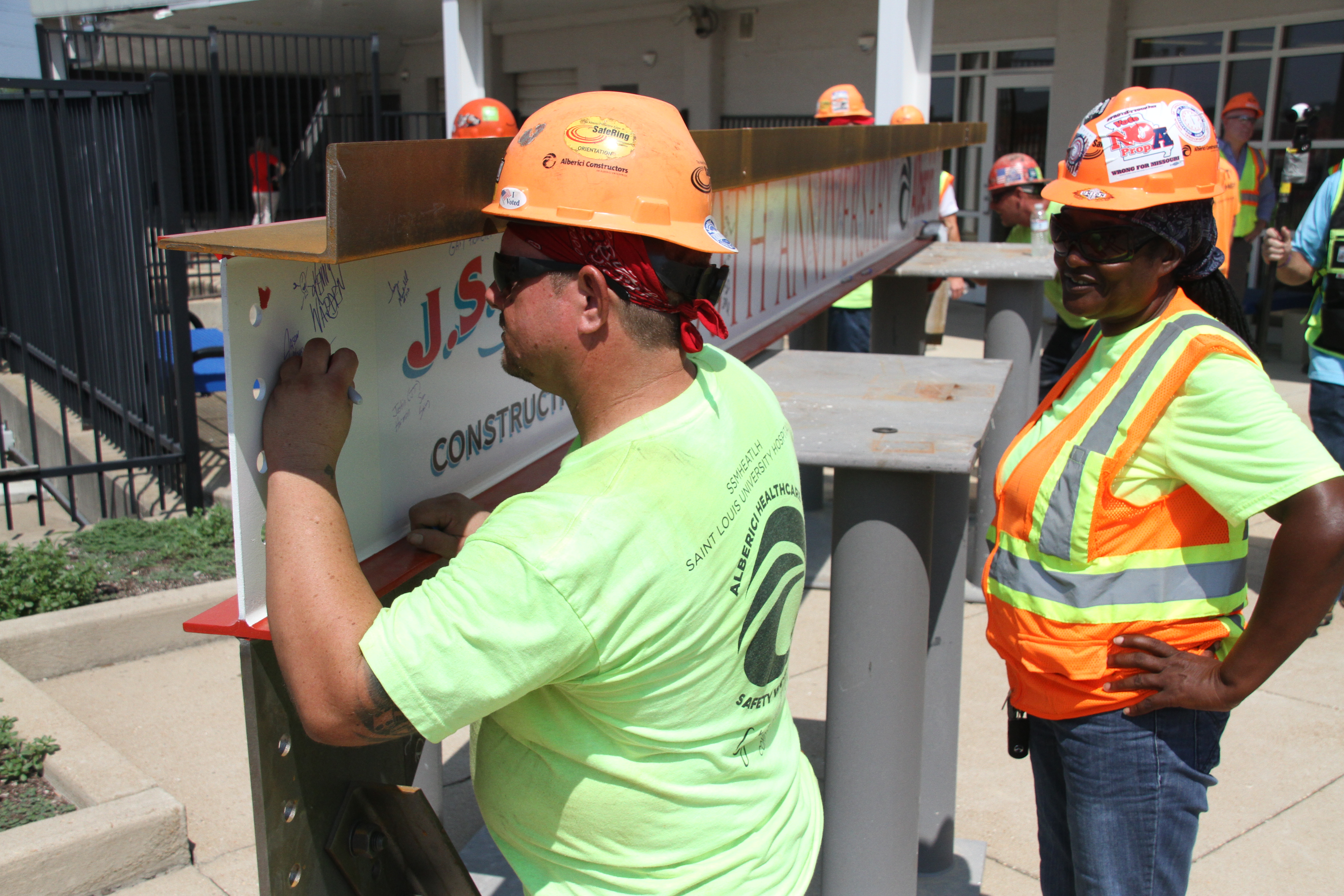
Construction, real estate, and development firms use interviews and supporting visuals to show projects, people, scale, and momentum.

Marketing agencies often rely on this format because one well-planned shoot can generate a wide range of deliverables for a client.
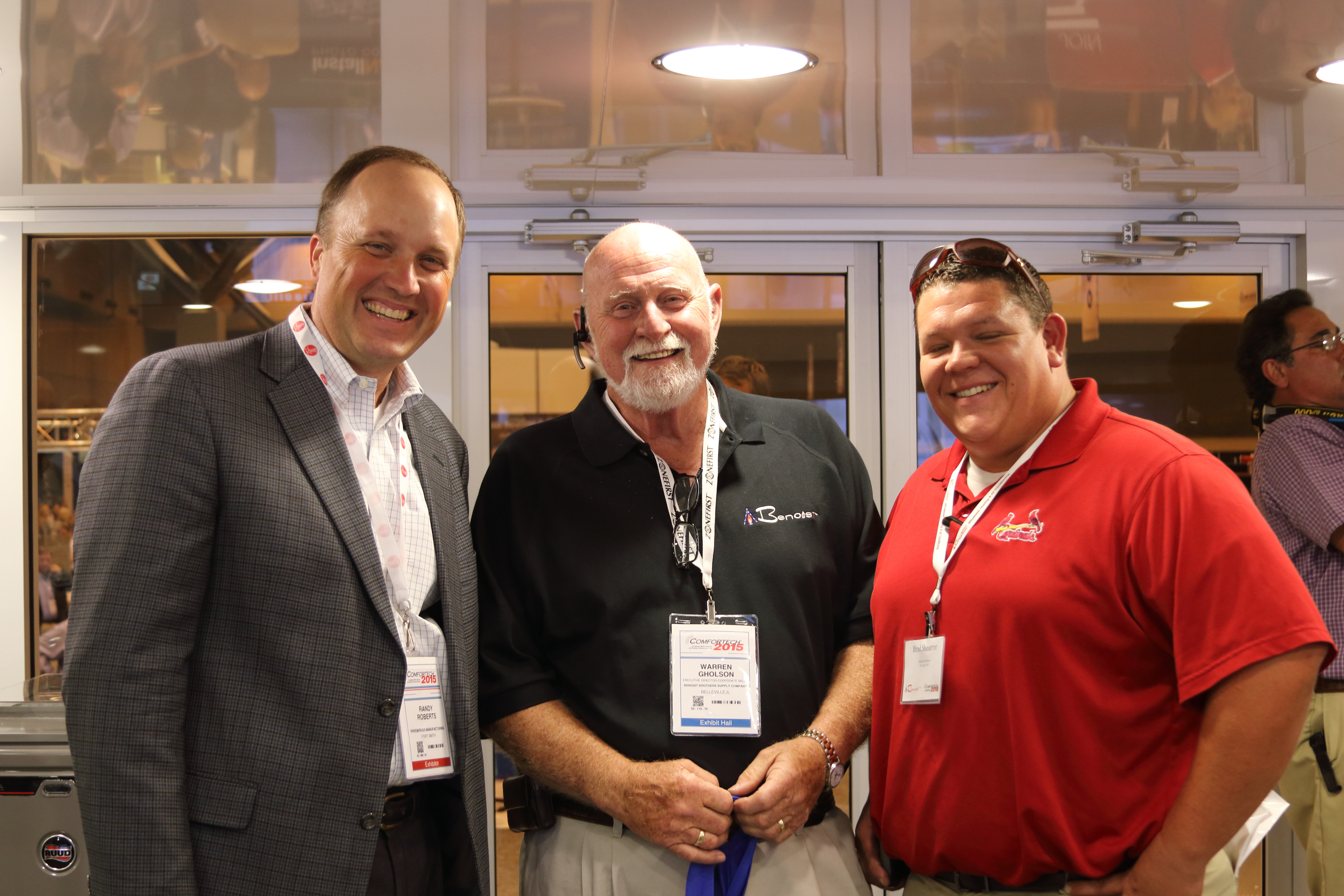
The Role of Location in Strong Productions

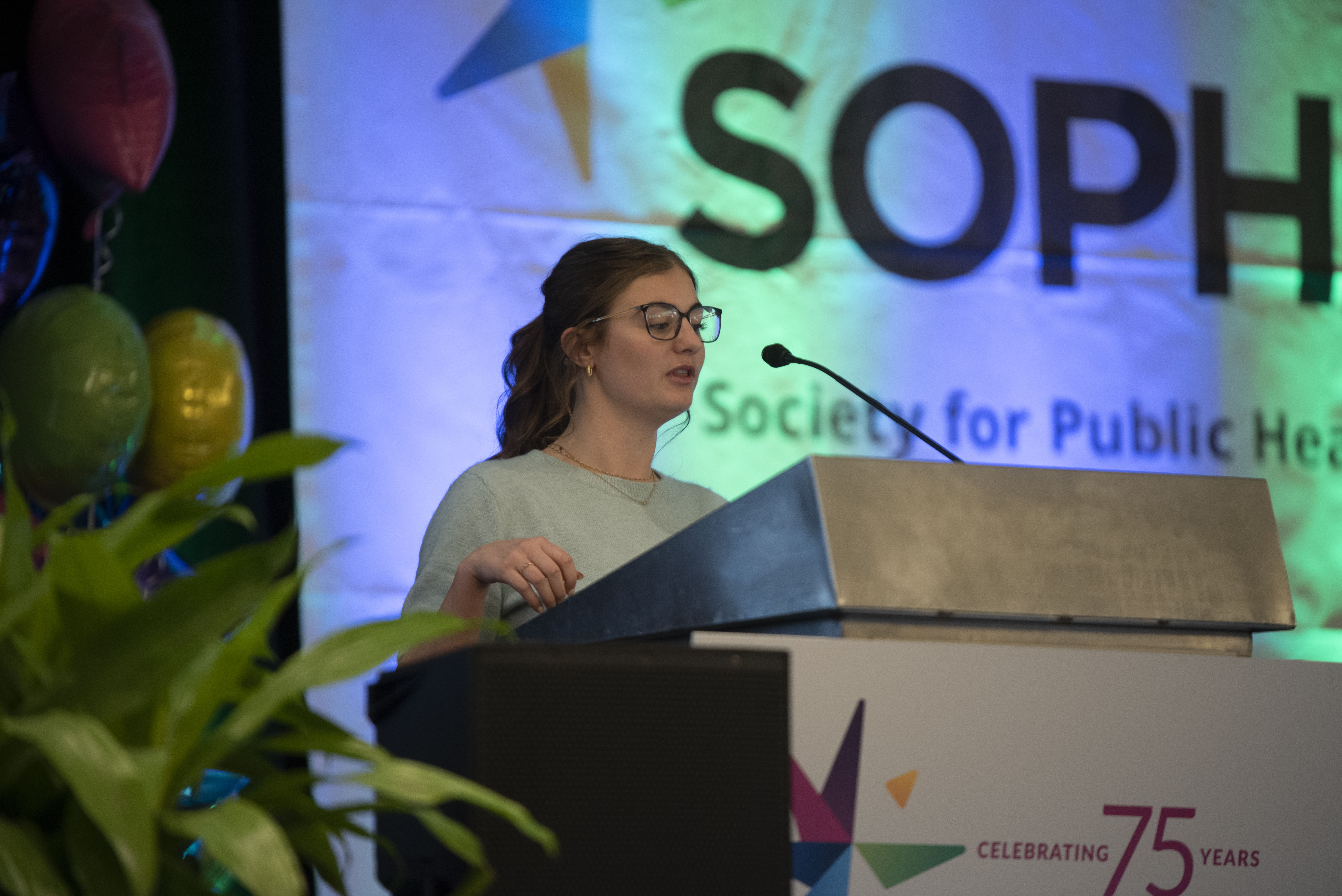
In many business productions, location contributes as much to the final look as the interview itself. The right setting adds credibility, visual character, and contextual depth. But location decisions should be based on more than appearance alone.

An experienced team evaluates locations for sound, light, access, room size, visual distractions, power availability, scheduling demands, and how well the space supports the intended message. A conference room, executive office, production floor, lab, rooftop, warehouse, storefront, or exterior entrance can all play an important role when chosen thoughtfully.

That is why location scouting remains such an important part of professional media planning. It helps identify the spaces that will look strong on camera while also allowing the crew to work efficiently and avoid avoidable problems during production.

Why Audio Quality Is Non-Negotiable

Many clients understandably focus first on the visuals, but interviews depend just as heavily on clean sound. A beautifully lit interview can still fail if the audio is noisy, thin, hollow, or inconsistent.

Professional interview production requires careful attention to microphones, ambient sound, room acoustics, monitoring, and environmental control. Office hum, HVAC systems, foot traffic, machinery, and outside noise all have the potential to undermine an otherwise strong shoot.

For interview-based content, audio quality is part of brand quality. If the subject is hard to hear or unpleasant to listen to, the message loses authority.
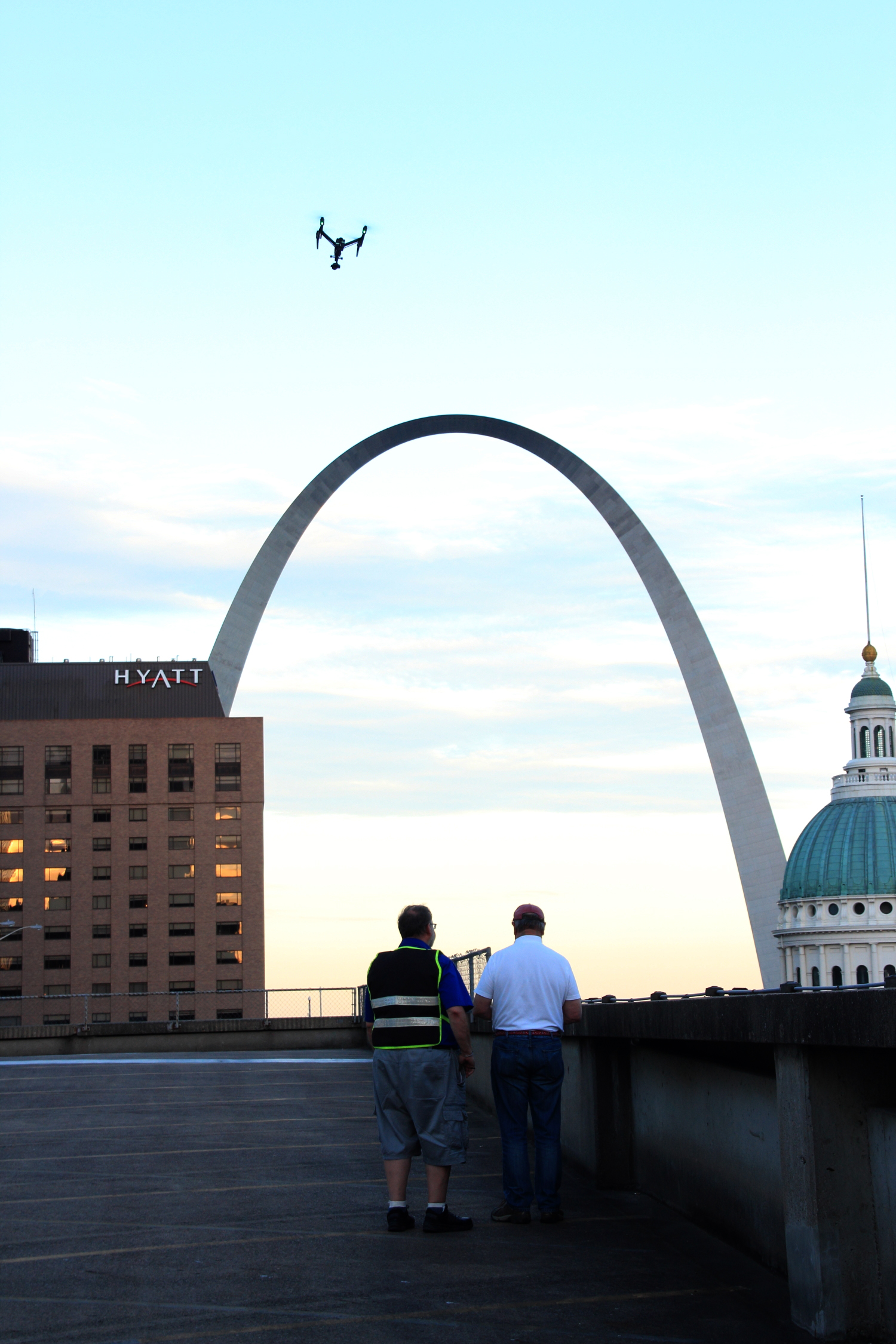
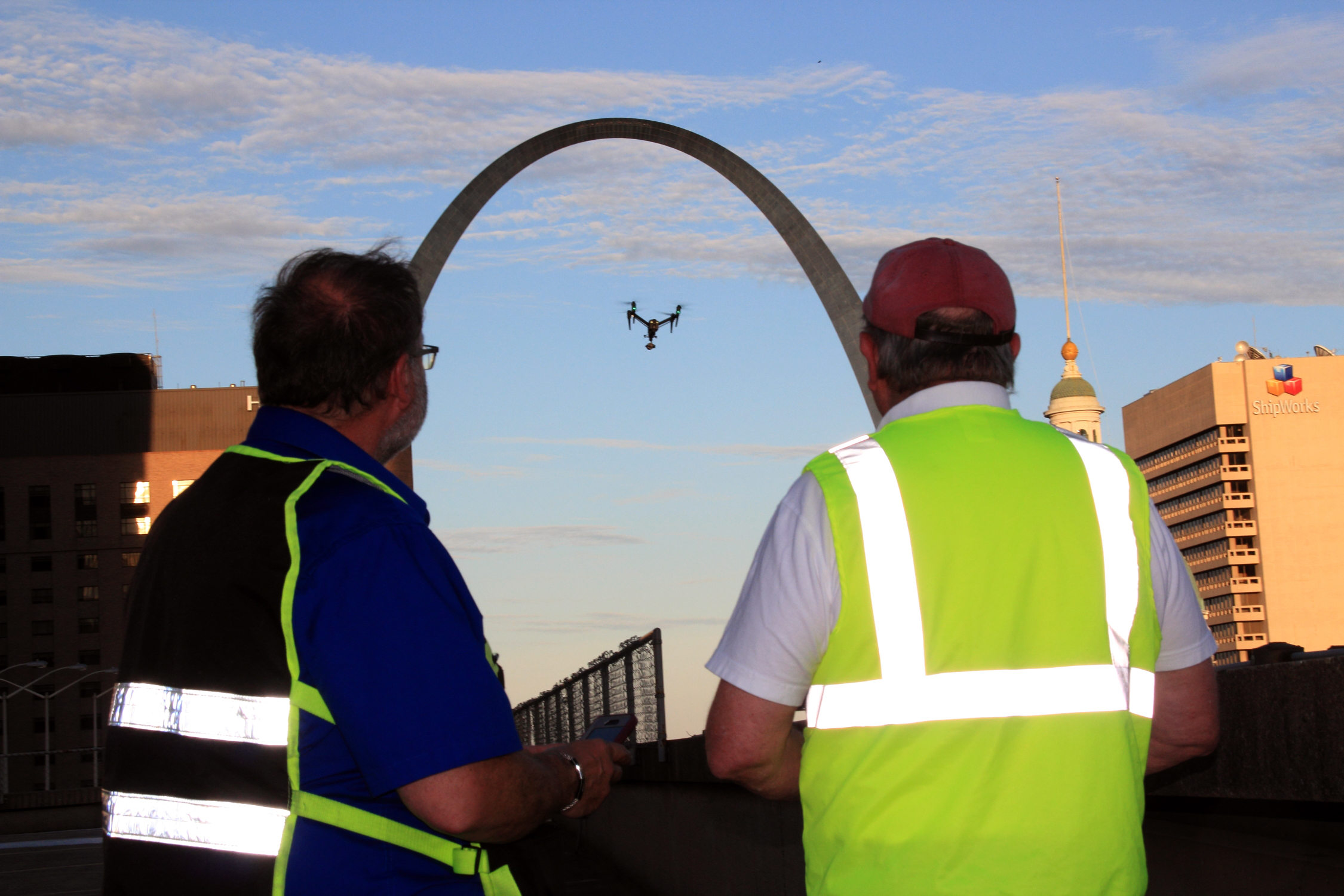
How Drone and Advanced Capture Services Expand Possibilities

Today’s most effective production companies offer more than traditional ground-based video coverage. When appropriate, drone services can add both visual impact and practical value.

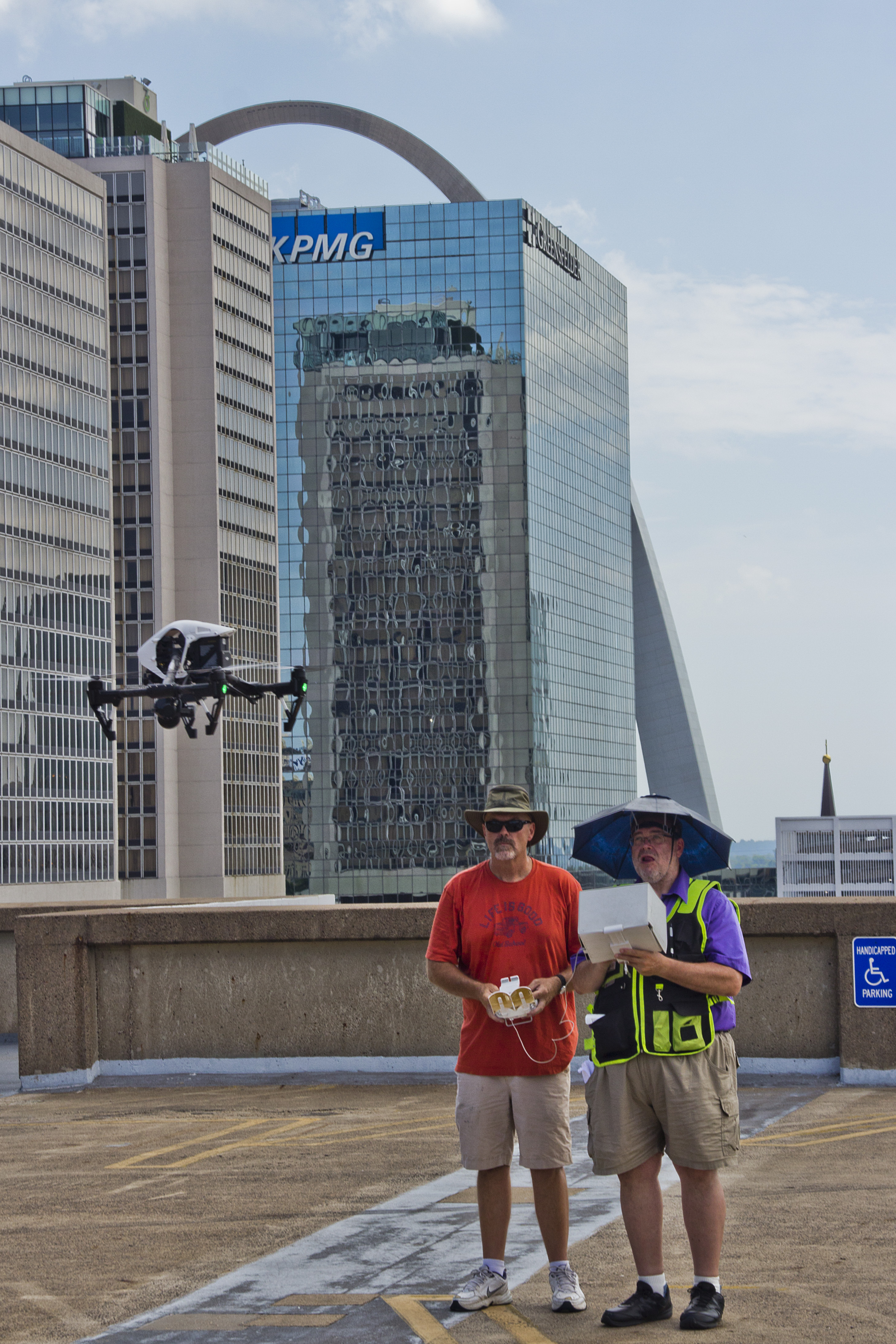
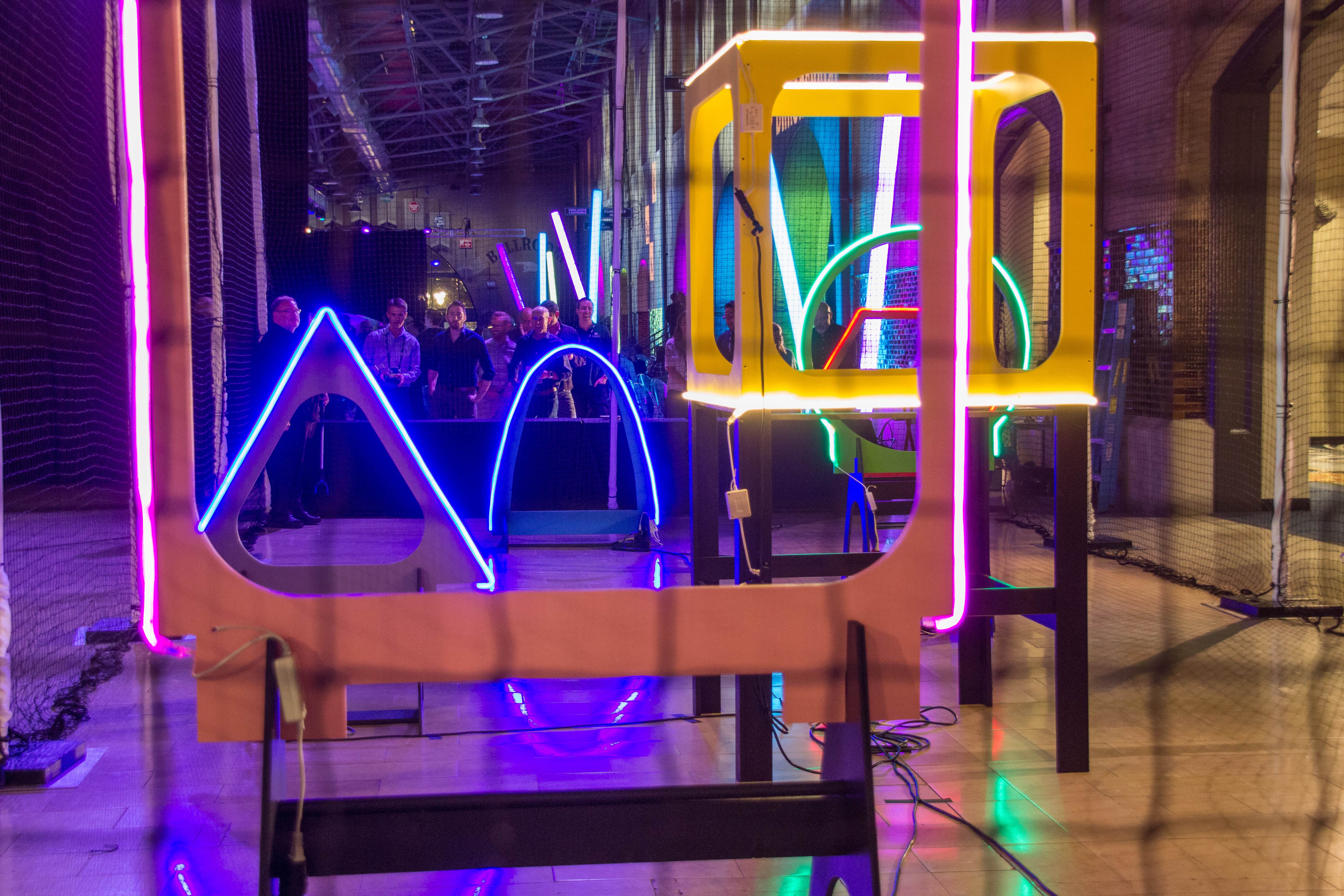
Aerial footage can establish property scale, location context, access, and architectural presence. Specialized FPV drones can move dynamically through interior spaces to create immersive footage that would be difficult to capture any other way. For certain facilities, showrooms, industrial spaces, and branded environments, indoor FPV flights can add a memorable and highly modern visual layer to the final production.

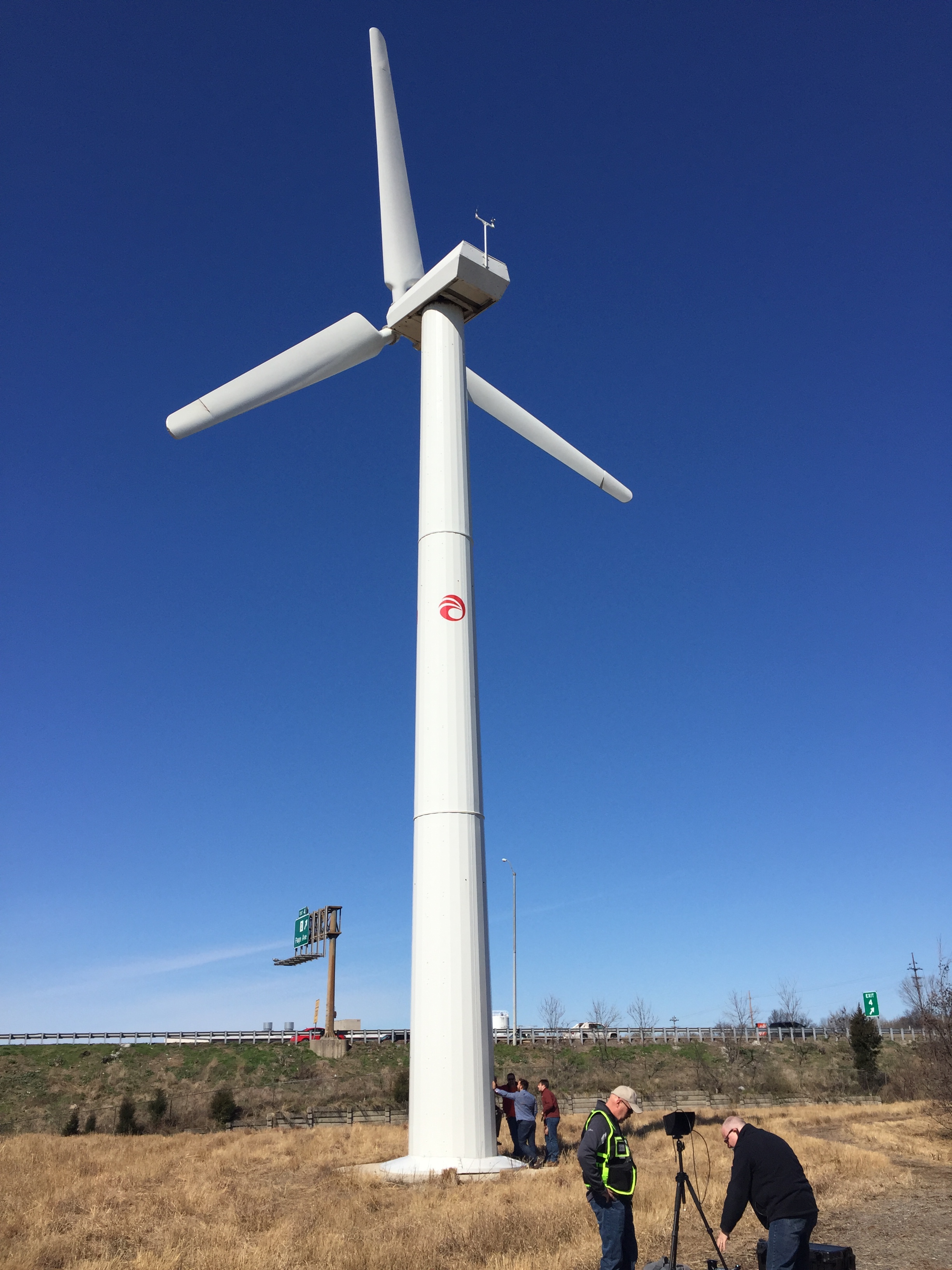
Other specialized drone services can also support business and industrial needs in different ways. Infrared thermal imaging can assist with visual analysis and inspection-related projects. Orthomosaics can provide accurate site mapping and large-area overhead views. LiDAR can support advanced documentation and spatial data collection where precision is important.

When these services are integrated into a broader interview and b-roll production, the result is a much more complete media package.

Repurposing Is Where Production Efficiency Increases

One of the biggest advantages of a well-planned interview and b-roll shoot is how much usable content can come from it. Businesses that think strategically about production are rarely creating only one final video. They are building a media library.

A single shoot can support a main brand or campaign video, short social edits, executive clips, recruiting content, customer stories, trade show visuals, website media, internal communications, and still frames for marketing collateral.

That is why experienced planning matters so much. If the team understands the repurposing goals before the shoot, they can capture a wider variety of framing, subject matter, motion, and visual detail. That gives the business more flexibility later and extends the value of the production investment.

What Businesses Should Look For in a Production Partner

Choosing the right production company requires more than reviewing a demo reel. Decision makers should look for a team that understands both production craft and business communication.

They should be able to make interview subjects comfortable.

They should know how to light real spaces and record clean sound.

They should think strategically about b-roll, not just gather random footage.

They should understand how to work efficiently within active business environments.

They should know how to produce assets that can serve multiple channels and long-term brand use.

They should be able to support photography, video, drone work, editing, and post-production within one coordinated process.

The strongest production partner is not simply a crew with cameras. It is a team that understands story structure, brand presentation, and how to make each shoot day more productive.
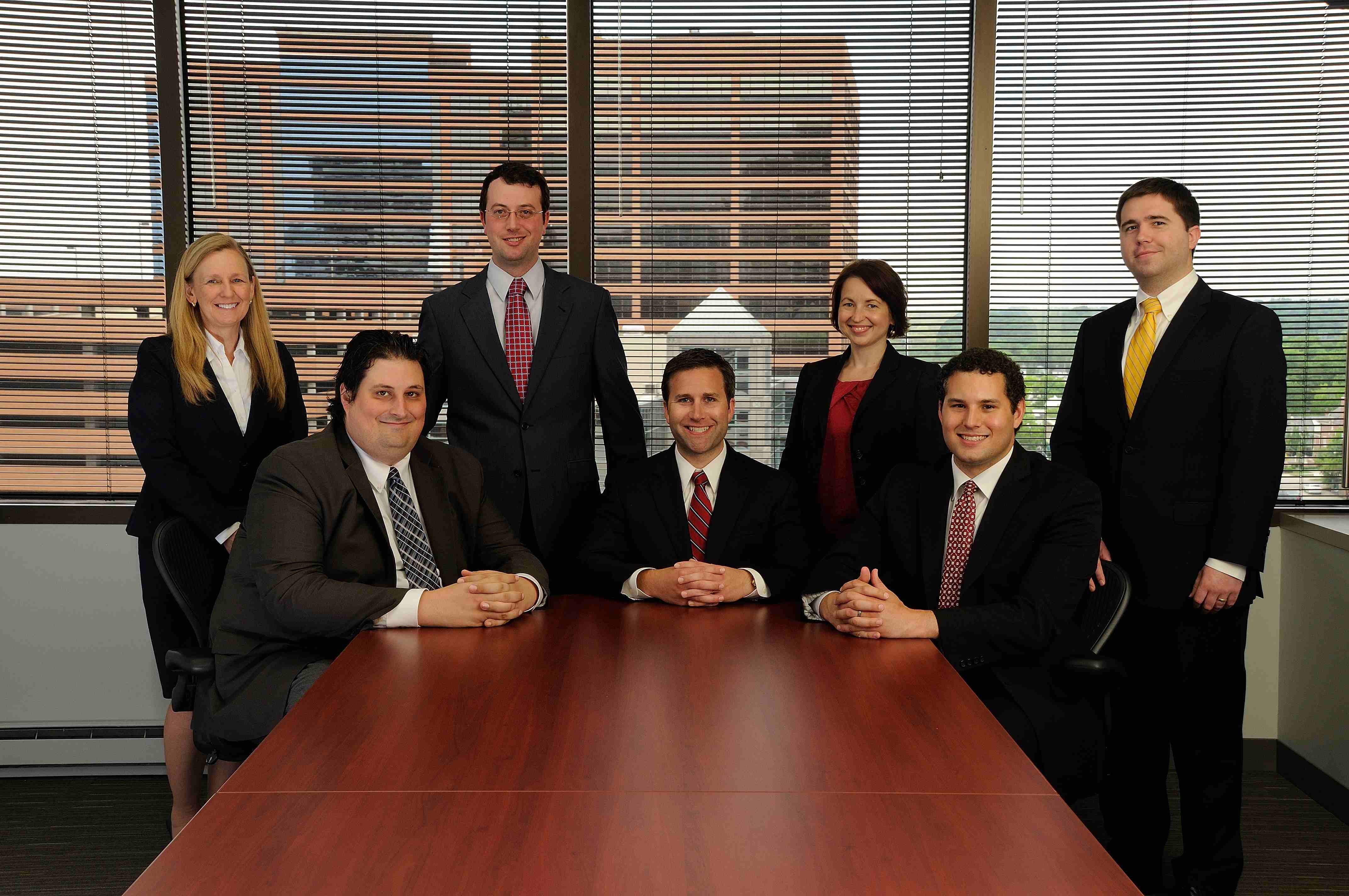
Experience Still Makes the Difference

Technology is more available than ever, but access to cameras and software does not replace experience. The quality of interview production still depends on judgment, preparation, adaptability, and editorial thinking. It takes experience to know how to frame a subject, shape a location, ask better questions, anticipate visual needs, and gather footage that will support a strong final edit.

That experience becomes especially important when representing a business publicly. Organizations need media that reflects their professionalism, supports their goals, and can be used confidently across marketing and communications channels.

Final Thoughts

Video interviews and b-roll remain one of the smartest and most versatile content structures available to modern businesses. Interviews deliver the message. B-roll gives that message life, context, and momentum. Together, they allow organizations to communicate with more clarity, authority, and visual strength.

For businesses, agencies, and organizations in the St. Louis area, working with a team that understands both sides of that equation can lead to stronger productions and better long-term results.

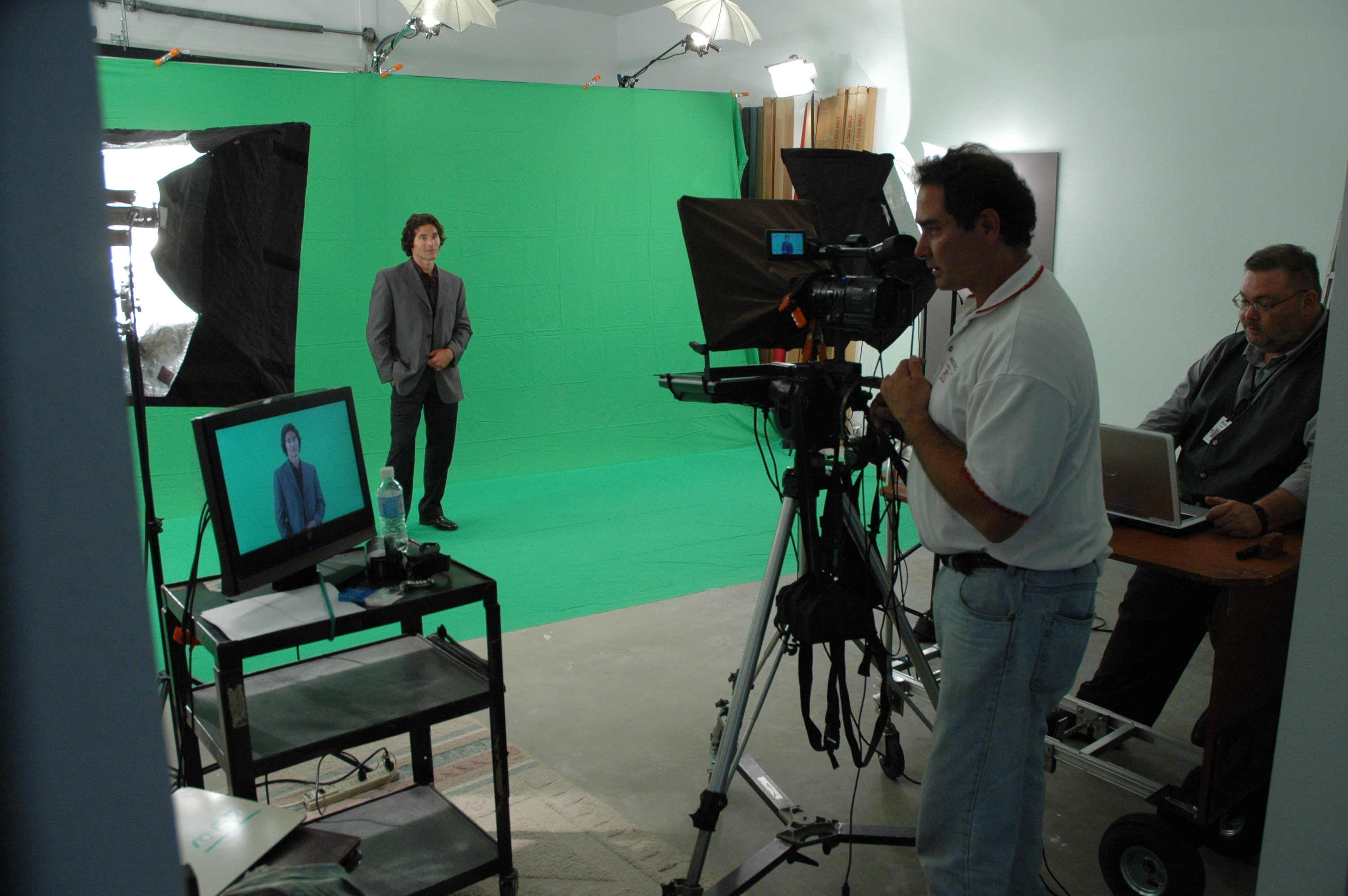
Since 1982, St Louis Video Studio has worked with many businesses, marketing firms, and creative agencies in the St. Louis area for their marketing photography and video. St Louis Video Studio is a full-service professional commercial photography and video production company with the right equipment and creative crew service experience for successful image acquisition. We offer full-service studio and location video and photography, as well as editing, post-production, and licensed drone services. St Louis Video Studio can customize productions for diverse media requirements, and repurposing your photography and video branding to gain more traction is one of our specialties. We are well-versed in all file types, media styles, and accompanying software, and we use the latest Artificial Intelligence tools across our media services. Our private studio lighting and visual setup are ideal for small productions and interview scenes, and our studio is large enough to incorporate props to round out your set. We support every aspect of production, from setting up a private, custom interview studio to supplying professional sound and camera operators and the right equipment, ensuring your next video production is seamless and successful. We are also location scouting and b-roll specialists, can fly specialized FPV drones indoors, and offer additional drone services including infrared thermal, orthomosaics, and LiDAR.

314-913-5626

stlouisvideostudio@gmail.com

Unknown's avatar

Shooting B-Roll for Better Interview Videos: A Director’s Playbook for Decision Makers

If your interviews feel flat, the fix usually isn’t a new camera—it’s better B-roll. Thoughtful cutaway footage elevates on-camera answers into a narrative that persuades, clarifies, and moves viewers to act. Below is the framework we use at St Louis Video Studio to plan, capture, and integrate B-roll that makes interviews land with authority and style.

Why B-Roll Matters (to Business Outcomes)

  • Context & credibility: Show the process, place, and people behind claims to reduce viewer skepticism.
  • Clarity: Visualize features, workflows, and outcomes so complex ideas become self-evident.
  • Pace & retention: Varied imagery resets attention and smooths jump cuts, increasing watch-through.
  • Repurposability: A great B-roll library fuels social edits, sales decks, product pages, and launch reels.

Start with Message, Not a Shot List

Before we talk lenses or gimbals, we map the message arcs you need to land:

  1. Who is speaking and why they’re credible.
  2. What is the benefit or transformation.
  3. How it works (process or proof).
  4. What’s next (CTA or desired action).

For each arc, we pair visual proof points—moments that demonstrate the claim. Example: if an interview mentions “same-day turnaround,” we capture time-stamped workflow boards, scan guns, courier hand-offs, and the final product leaving the dock.

Pre-Production: The B-Roll Blueprint

  • Interview beat sheet: Highlight phrases you know will need cover (jargon, lists, long sentences).
  • Location walk-through: Identify hero spaces, quiet zones, natural movement paths, and drone-safe corridors (we can fly specialized cinewhoop drones indoors).
  • People & permissions: Confirm who can be filmed doing what; secure releases and any brand or safety approvals.
  • Props & demos: Stage real artifacts—devices, packaging, dashboards, product cross-sections.
  • Wardrobe & brand color cues: Ensure textures and tones that play nicely at your brand white balance.
  • Shot architecture: Pre-plan W-M-T (wide/medium/tight) passes for every key activity to guarantee editorial flexibility.

Shot Design That Sells the Story

Prioritize “people doing” over “people pointing.” The most valuable B-roll types for interviews:

  1. Process: Assembly, testing, client hand-offs, onboarding steps.
  2. Environment: Establishing exteriors, signage, interiors with meaningful context (not empty hallways).
  3. Interaction: Team huddles, whiteboard sketches, customer demos, usability testing.
  4. Details & macro: Hands, instruments, displays, textures, materials—visual “verbs.”
  5. Transitions: Doors opening, feet walking, forklifts moving—great for pacing and scene bridges.
  6. Aerials (including indoor): Spatial orientation of facilities, site scale, and equipment layout.

Movement choices:

  • Locked-off for authority (data screens, instruments).
  • Slider or slow gimbal for polish on processes.
  • Handheld micro-movement for energy with people.
  • Dolly-in on key claims (motivated by the interview’s emphasis).
  • Cinewhoop interiors for sweeping reveals without disrupting operations.

Technical Cohesion with Your A-Roll

Consistency beats novelty. Match the interview’s image science:

  • Frame rate: If interviews are at 23.98/24, capture most B-roll at the same rate; reserve 48/60 only for intentional slow-motion beats.
  • Shutter & motion cadence: Keep ~180° shutter (e.g., 1/48 at 24p) for natural motion.
  • White balance & color: Lock Kelvin; avoid auto WB. Shoot one profile (Log or Rec.709) across bodies.
  • Glass & filtration: Polarizer for screens/reflections; variable ND for constant aperture; macro for texture.
  • Lighting continuity: Key practicals (lamps, monitors) to match interview color contrast; add a gentle edge or negative fill to sculpt.
  • Sound beds: Capture NAT sound (machines, keystrokes, ambient room tone) for editorial glue under B-roll.

On-Set Workflow: Coverage Without Chaos

  • Three-pass rule: For each action, run a wide, functional medium, and expressive tight pass.
  • Subject-motivated movement: Start moves on action (hand lift, tool press) to create cut points.
  • Continuity stills: Snap a quick reference photo after each setup for reshoots or future batches.
  • Metadata discipline: Card labels by location/scene; clip notes for high-value selects (“Operator explains torque step”).
  • Coverage ratio: Plan 3–5 minutes of B-roll per minute of interview for efficient edits and future repurposing.

Editorial Integration: Turn Answers into Stories

  • Edit rhythm: Use J-cuts to pre-lap B-roll before new answers; L-cuts to sustain visuals through thought changes.
  • Cut on action: Hide edits by cutting mid-movement (hand pull, page turn).
  • Bridge problem → solution: Start with a friction visual, land on a successful outcome.
  • Use slow motion sparingly: Deploy for emphasis—operator precision, pivotal product moments—and keep it brief.
  • Graphics & captions: Lower thirds, UI callouts, and captioned definitions to translate jargon into value.
  • Color pipeline: One primary grade for cohesion; secondaries to brand hues; maintain believable skin tones.
  • QC pass: Check lip sync on visible dialogue, logo clearance, any safety or compliance visuals.

Smart Uses of AI (That Actually Help)

We incorporate AI where it saves time or adds quality without compromising authenticity:

  • Transcription & paper-edits: Auto-transcribe interviews, keyword search sound bites, and map B-roll candidates to lines.
  • Shot detection & tagging: Quickly cluster similar B-roll for versioning and social pull-through.
  • Noise reduction & speech enhancement: Clean dialogue transparently.
  • Object cleanup (when permitted): Remove stray logos or identifiers.
  • Style-consistent color assists: AI-guided balancing across multi-camera shoots before the final grade.

Repurposing: Squeeze More Value from Every Shoot

  • Aspect ratio strategy: Capture “clean” frames to support 16:9, 1:1, and 9:16 outputs.
  • Evergreen B-roll library: Tag by product, process, persona, and outcome for future campaigns.
  • Versioning plan: From a single interview, spin a 90-second hero, 30-second cut-downs, and 10–15 second verticals for ads and social.
  • Rights & compliance: Track releases, expiration windows, and facility restrictions to keep assets usable long-term.

Practical Tools: Checklists You Can Use

Pre-Production B-Roll Checklist

  • Interview beat sheet with visual proof points
  • Location map + drone/flight plan (indoor corridors marked)
  • Releases/approvals (brand, safety, compliance)
  • Props/products staged; screens prepped with demo data
  • Wardrobe guidance issued; color temperature plan set
  • Shot architecture: W-M-T passes per action
  • NAT sound targets identified

On-Set Coverage Pattern (per scene)

  1. Establishing wide (5–10 sec static)
  2. Functional mediums (two angles)
  3. Tights & macro (hands, indicators, textures)
  4. Expressive move (slow push or lateral)
  5. Transition beats (doors, feet, forklifts)
  6. NAT sound bed (20–30 sec)

Post-Production Hand-Off

  • Labeled folders by scene/action
  • Paper-edit with B-roll suggestions per line
  • Color notes, white balance targets, any legal flags
  • Shortlist of “hero” shots for thumbnails and teasers

A Sample Half-Day Run of Show

  • 00:00–00:30 Lighting & audio for interview; camera tests; white balance lock
  • 00:30–01:30 Interview capture (primary + safety cam)
  • 01:30–02:30 Process B-roll (W-M-T passes)
  • 02:30–03:00 Interaction & demo sequences (customers or internal team)
  • 03:00–03:15 Indoor drone reveals (corridor + hero space)
  • 03:15–03:30 Details, macro, transitions, NAT sound, safety pickups

Why Teams Hire Us for This

St Louis Video Studio is a full-service professional commercial photography and video production company with the right equipment and seasoned crew to ensure reliable, high-quality image acquisition—in studio or on location. We handle studio and location video and photography, editing, and post-production, and our licensed drone pilots (including specialized indoor flight) add dynamic perspectives safely and legally.

We customize productions for diverse media requirements and repurpose your photography and video branding to extend reach across platforms. Our team is well-versed in all file types, media styles, and the accompanying software, and we leverage the latest in Artificial Intelligence for transcription, tagging, cleanup, color assistance, and accelerated post workflows—always with human creative oversight.

Our private studio lighting and visual setup is ideal for small productions and interview scenes, with enough space to incorporate props and create on-brand environments. We support every aspect of your production—from setting up a private, custom interview studio to supplying professional sound and camera operators and the right gear—so your next video is seamless and successful.

Since 1982, we’ve partnered with businesses, marketing firms, and creative agencies across the St. Louis area to deliver marketing photography and video that performs. If you’re ready to transform your interviews with B-roll that actually moves the needle, we’re ready to roll.

314-913-5626

stlouisvideostudio@gmail.com

Unknown's avatar

How to Make Your Video Interviews More Personal: A Guide to Authentic Corporate Storytelling

In today’s competitive business world, video interviews have become a go-to tool for storytelling, whether for marketing purposes, client testimonials, or internal company communication. However, creating a truly personal and engaging interview requires more than just placing a camera in front of a speaker. It’s about creating an environment that makes the interviewee feel at ease and encouraging them to share authentic stories that resonate with the audience.

Encourage natural pauses, allow the speaker to elaborate on their answers, and build upon previous responses. This type of back-and-forth conversation, when done correctly, can make your audience feel as though they’re listening in on a meaningful dialogue rather than just receiving information.

Why Personalizing Video Interviews Matters

In the world of corporate communications, personal connections are more important than ever. When a video interview feels genuine, it allows your brand to connect on a deeper level with viewers. Personal stories, shared in an authentic setting, invite your audience into the experience, helping them understand the values, motivations, and human side of your company. This can be an invaluable asset in brand-building, employee engagement, and customer trust.

Creating these personal connections through video interviews, however, doesn’t just happen by chance—it requires strategic planning, the right equipment, and an understanding of how to make the most out of the setting, sound, and style.

1. Set the Right Environment for Authenticity

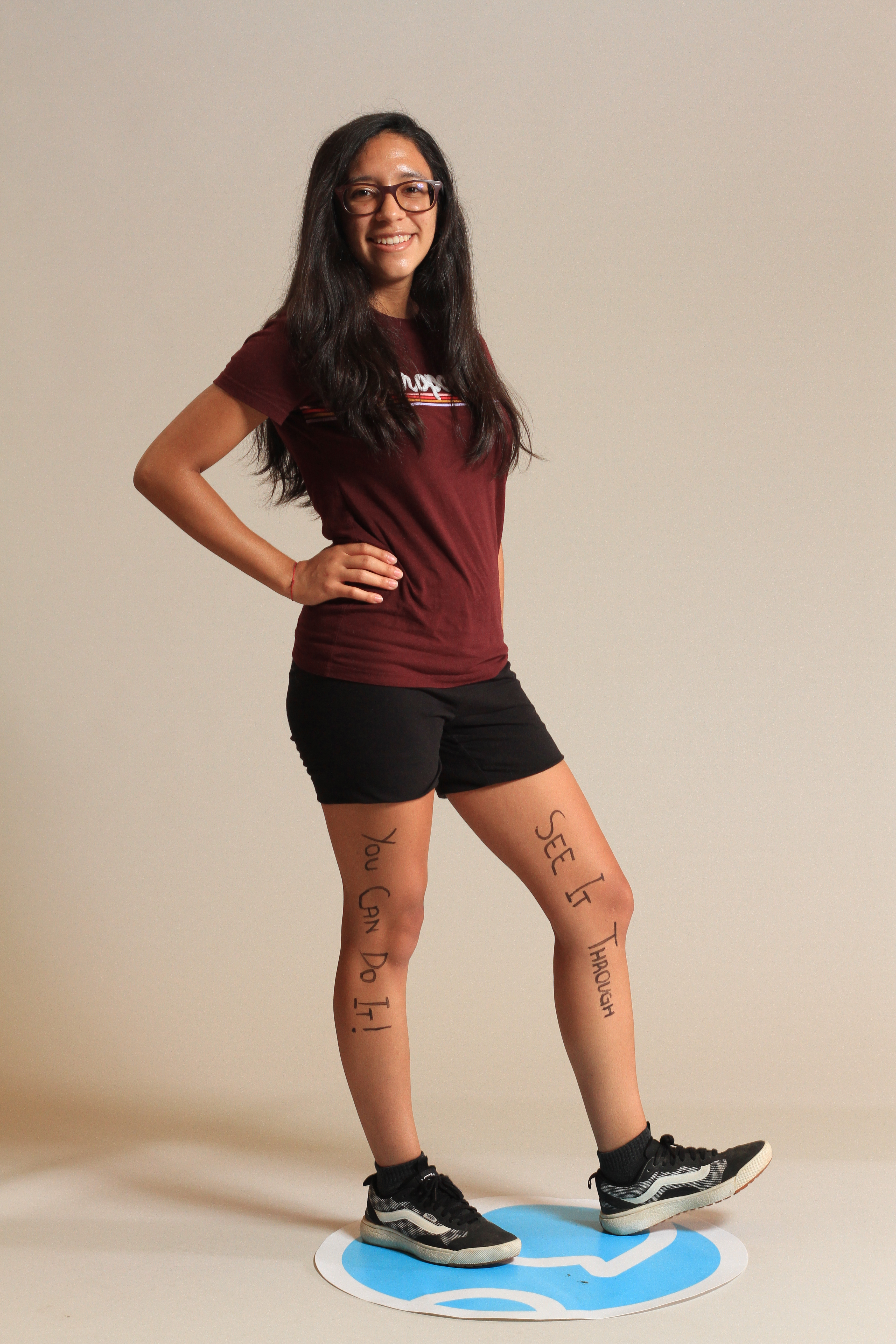
The first step in making an interview personal is setting the right environment. At St. Louis Video Studio, we specialize in designing private, custom interview setups that allow for a comfortable and controlled environment. This means providing lighting that flatters the speaker, a backdrop that fits the narrative, and soundproofing that eliminates distractions.

The location is just as important. While an office setting may work in some instances, consider using spaces that reflect the essence of the story you want to tell. If you’re interviewing a creative team member, for example, showcasing their workspace or a branded space can make the interview feel more connected to their daily life.

2. Create an Interview Flow That Prompts Real Answers

Making your video interview feel personal starts long before the camera begins rolling. A key element is asking the right questions. Focus on open-ended questions that encourage storytelling rather than yes/no answers. Create a relaxed environment where the speaker feels free to share anecdotes, challenges, and successes that paint a full picture of their role in the company.

Our experience at St. Louis Video Studio includes crafting interview scripts that help guide the conversation naturally while keeping it personal. It’s important to adjust the tone of the questions to fit the personality of the person you’re interviewing. This allows their voice and perspective to come through clearly.

3. Lighting and Camera Techniques for Intimacy

Lighting plays a pivotal role in how personal your video interview feels. Harsh, unflattering light can create a cold or unwelcoming atmosphere. Our private studio setup at St. Louis Video Studio allows us to control lighting perfectly, creating a softer, warmer tone that flatters the subject and sets the mood for an intimate conversation.

Our crew uses high-quality lighting and camera equipment to ensure that the visual quality of your video matches the personal story being told. Using techniques such as close-up shots can enhance the intimacy of the interview, allowing viewers to see the speaker’s emotions more clearly. We also use our expertise in framing and angles to highlight the interviewee’s body language, which can significantly contribute to making the video feel more connected and personal.

4. Make the Interview Feel Like a Conversation

Instead of presenting the interview as a formal Q&A session, aim for a more conversational tone. Encourage natural pauses, allow the speaker to elaborate on their answers, and build upon previous responses. This type of back-and-forth conversation, when done correctly, can make your audience feel as though they’re listening in on a meaningful dialogue rather than just receiving information.

A personalized interview often means editing out the sterile, overly-polished moments in favor of showing the human side. At St. Louis Video Studio, we specialize in editing and post-production to bring out the best moments in the conversation. Our team will ensure the final product feels as authentic as it was in the moment, without making the speaker sound scripted or over-rehearsed.

5. Leverage the Power of Location and Props

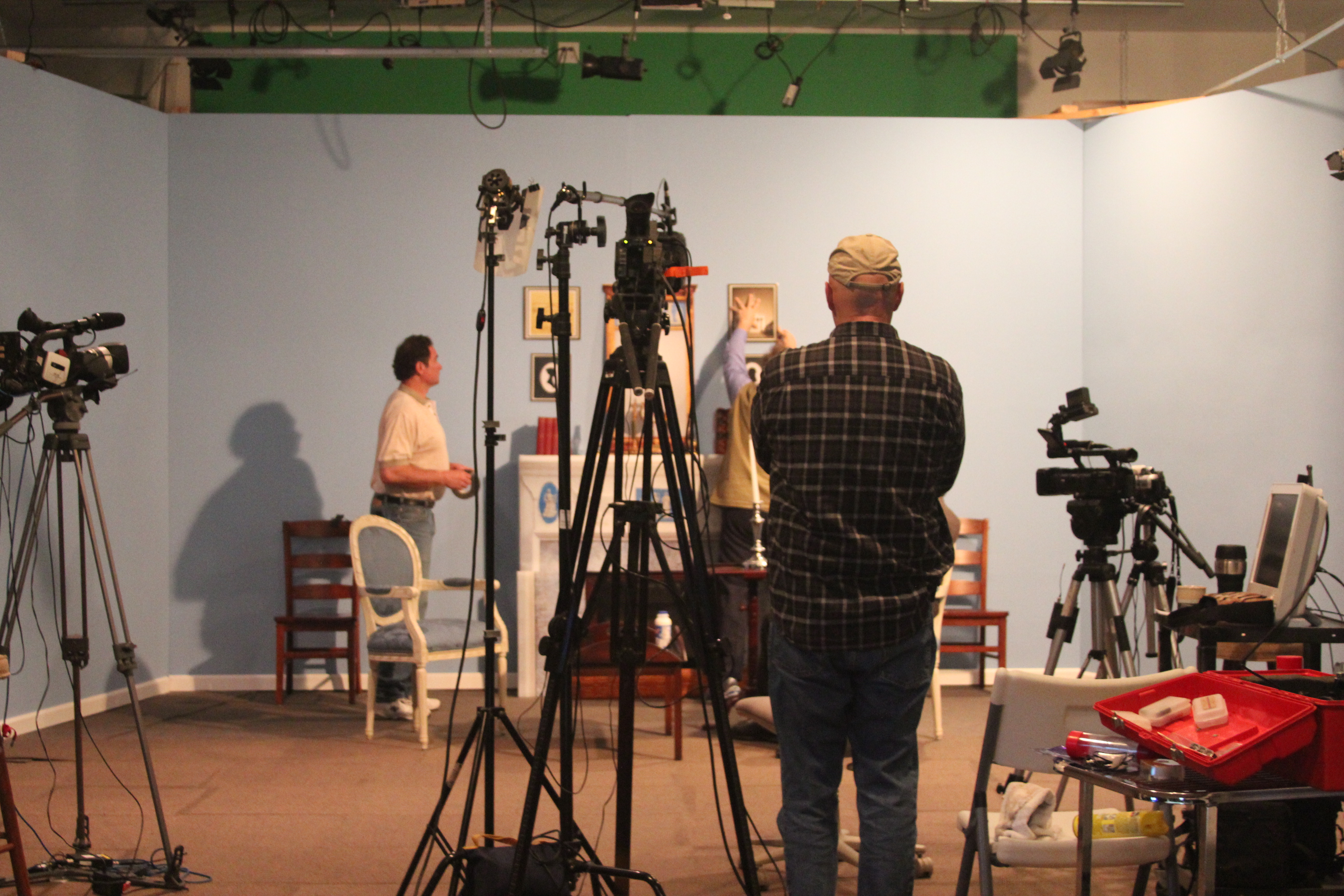
Sometimes, the location can tell a story just as much as the words do. Whether it’s the work environment of the interviewee, a specific set design, or even props that align with the company’s branding, these elements can enhance the personal feel of the video. At St. Louis Video Studio, we have a large, versatile studio space that can be customized with props or designed to match your vision.

Props can be as simple as a branded item that holds personal significance or something more elaborate that enhances the interview’s narrative. These touches can turn a basic corporate video into something that feels more engaging and personal.

6. Incorporate Testimonials from Others

Another way to add a personal touch to your interview is by including short testimonials from colleagues or customers. Adding their voices helps to reinforce the narrative being shared in the interview. This can create a fuller picture of the subject’s contributions or the impact of the company’s product or service.

7. Make Use of Professional Equipment for a Polished Finish

Finally, to make your interview feel more professional yet personal, you need the right equipment. At St. Louis Video Studio, we utilize top-of-the-line video and audio equipment to capture high-quality sound and visuals that make your interview shine. From high-definition cameras to state-of-the-art microphones and lighting, we ensure that every aspect of the production matches the personal tone you’re aiming for.

Why St. Louis Video Studio Is Your Go-To for Personal Video Interviews

St. Louis Video Studio is a full-service professional commercial photography and video production company that specializes in creating impactful, personal video content. With over four decades of experience, we have the right equipment and creative crew to deliver exceptional results for your corporate video needs.

We offer full-service studio and location video and photography, as well as expert editing, post-production, and licensed drone pilots. St. Louis Video Studio excels in customizing productions for diverse media requirements, ensuring that your video aligns perfectly with your brand and messaging.

Repurposing your photography and video branding is one of our specialties. We understand how to take existing assets and reformat them for different platforms, helping your company maintain consistent and effective messaging. We’re well-versed in all types of file formats and media styles, ensuring that your video production is both versatile and ready for any distribution channel.

Whether you’re planning an interview, a testimonial, or a full-fledged marketing campaign, our private studio lighting and setup are perfect for small productions and interviews. We can accommodate props, and our crew is skilled in all aspects of production, from camera and sound operators to the use of indoor drones for dynamic shots.

Since 1982, St. Louis Video Studio has been serving businesses, marketing firms, and agencies across the St. Louis area. Our extensive experience means we understand how to create videos that make a real impact. Let us help you bring your next video project to life, creating engaging, authentic content that connects with your audience on a personal level.

314-913-5626

stlouisvideostudio@gmail.com