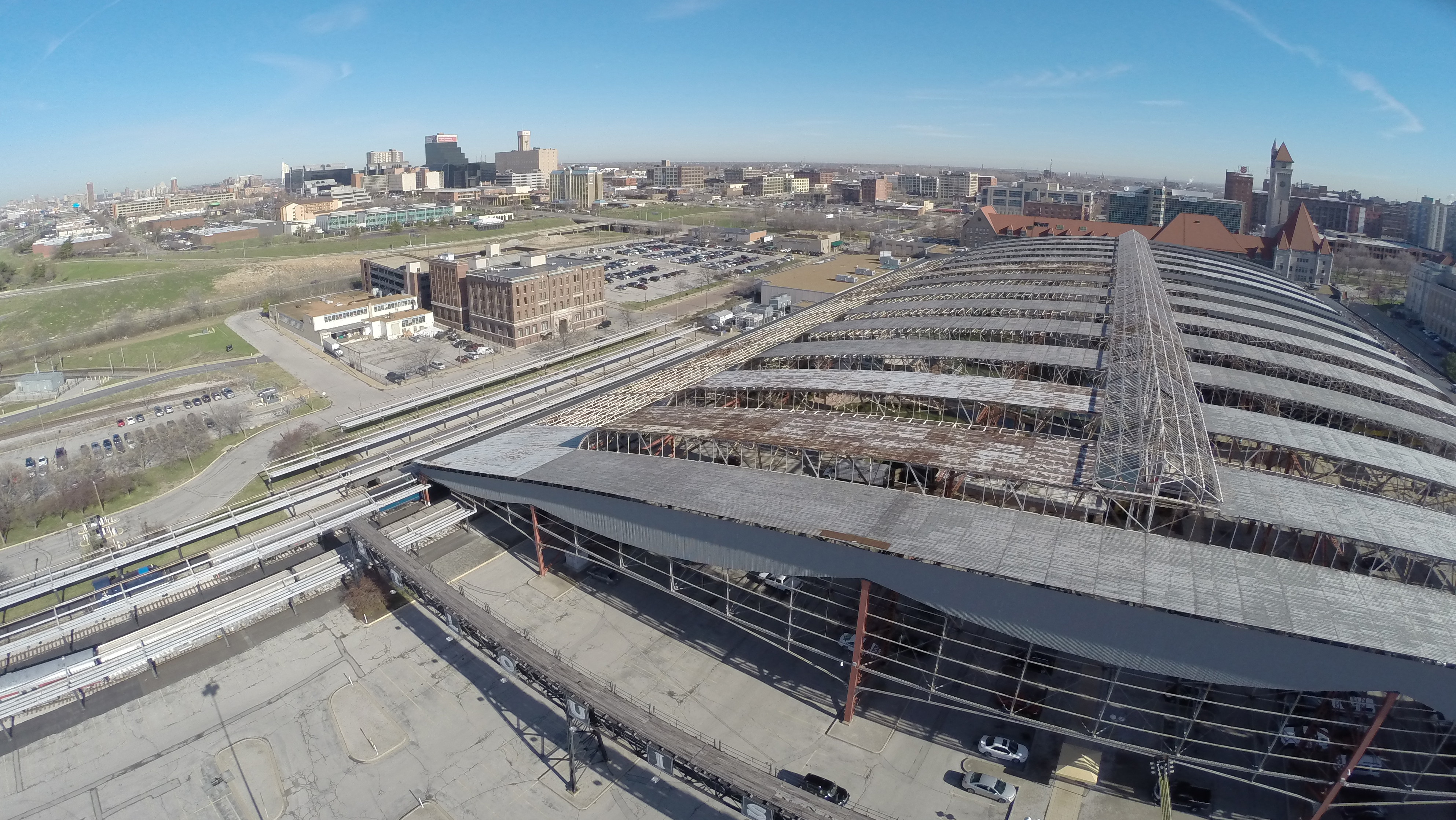
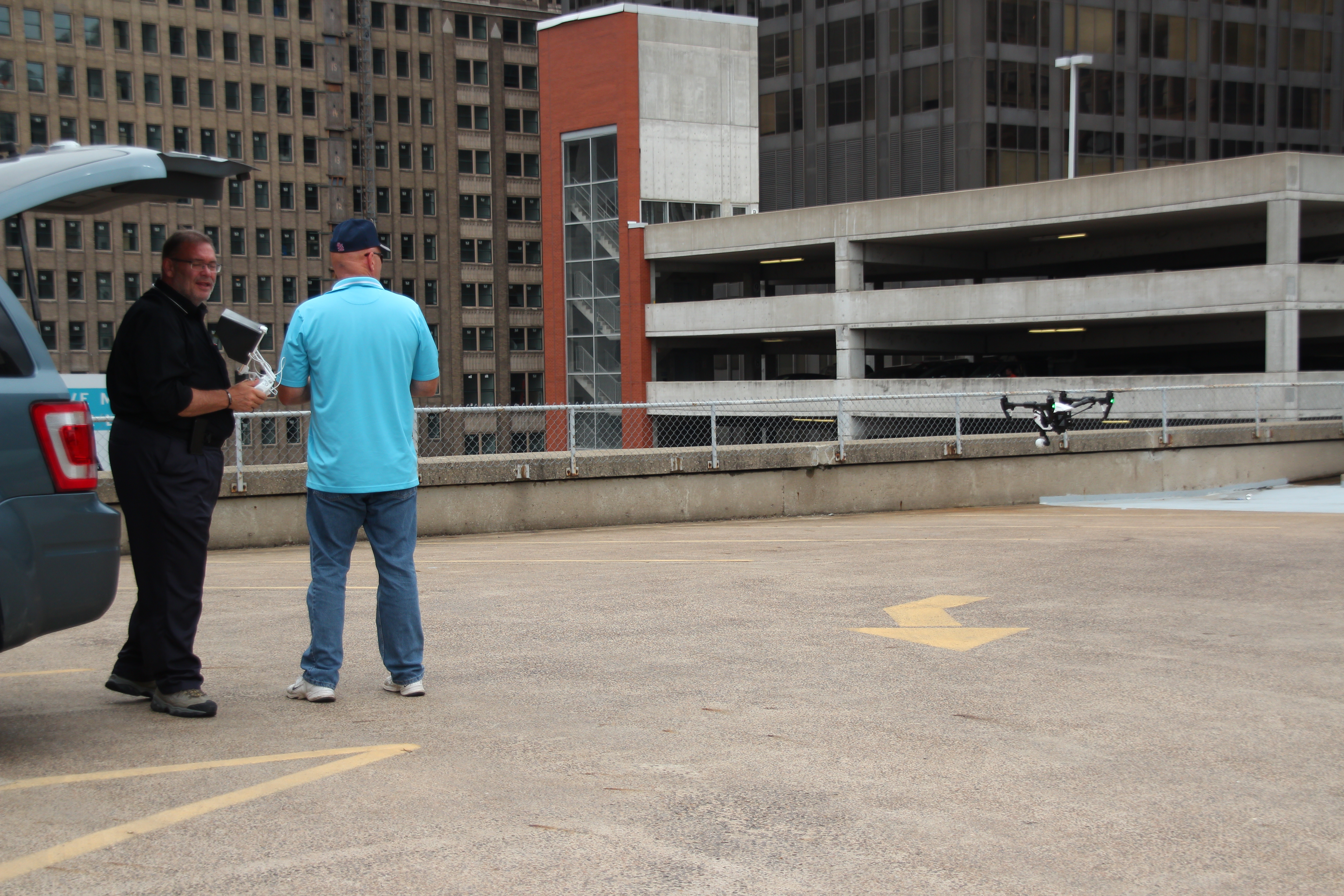
For businesses, agencies, municipalities, contractors, developers, and organizations, hiring a licensed drone pilot is not just a technical preference. It is a professional requirement.
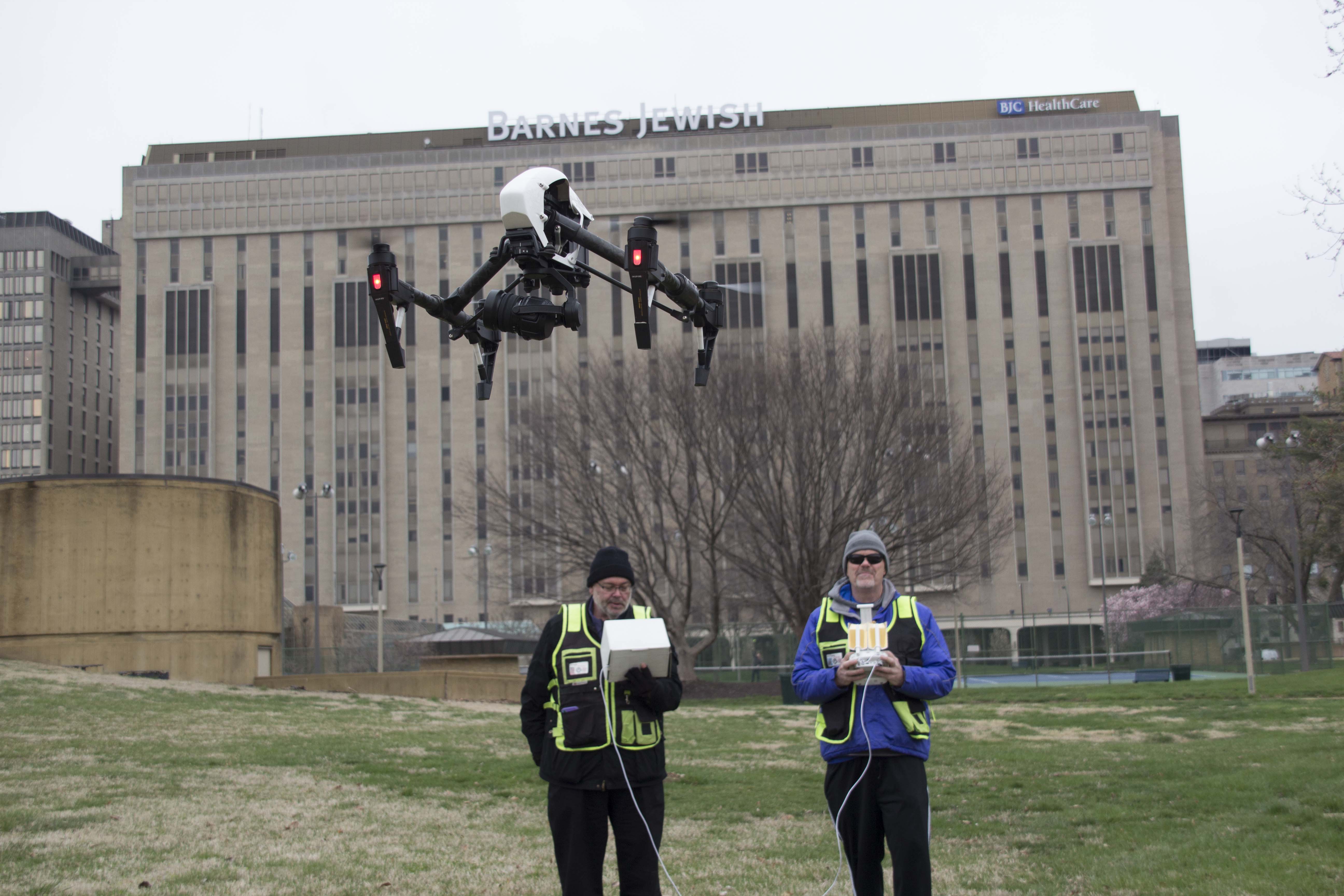
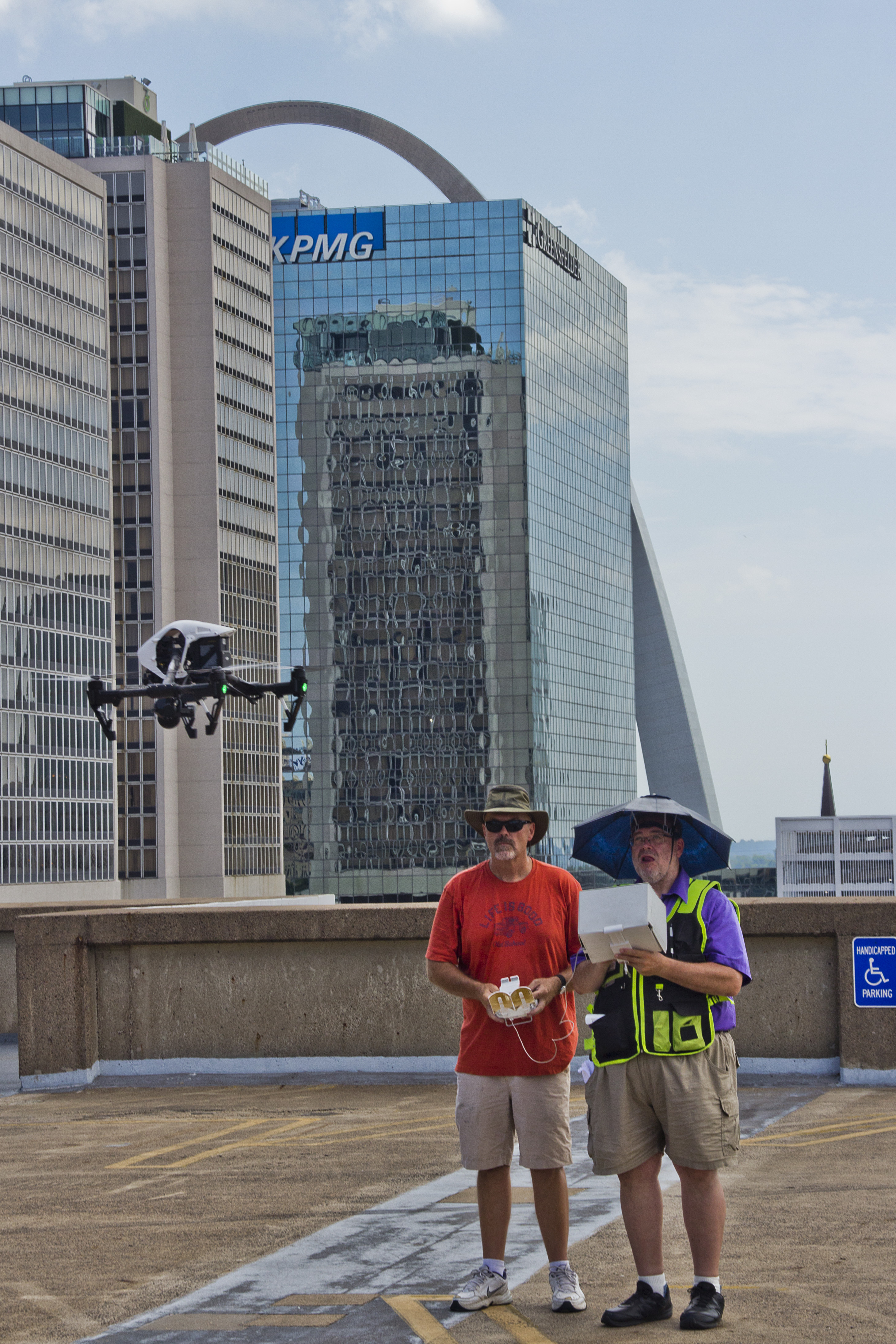
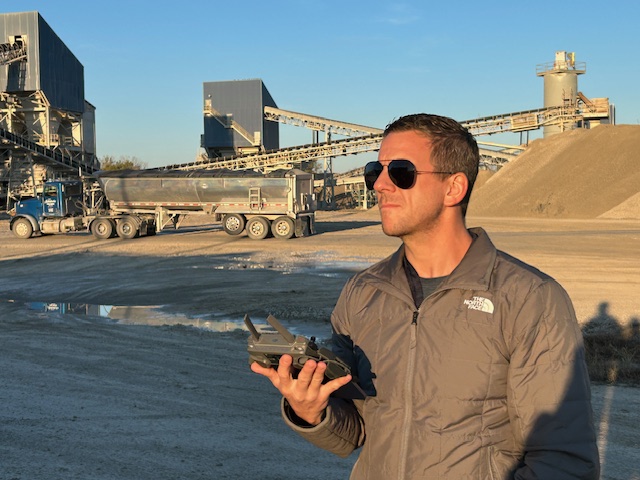
Commercial drone operations involve airspace rules, FAA requirements, weather evaluation, flight restrictions, property considerations, safety planning, and liability concerns. A licensed drone pilot understands how to evaluate whether a flight can be performed safely and legally. That includes checking airspace, assessing site conditions, identifying obstacles, maintaining visual line of sight, understanding altitude restrictions, and making sound decisions before and during flight.
An experienced drone pilot also knows when not to fly. Wind, rain, low visibility, nearby airports, power lines, heavy pedestrian traffic, reflective surfaces, active construction equipment, and tight urban environments can all affect the safety and success of a drone operation.
For decision makers, this matters because drone footage is often captured around valuable property, active business operations, employees, customers, vehicles, equipment, and public spaces. A professional pilot reduces risk while increasing the chances of capturing footage that is technically clean, visually strong, and usable in the final production.
The Importance of Insurance and Professional Accountability
Insurance is another key consideration when selecting a drone production provider. Commercial drone work can involve flying near buildings, rooftops, signage, vehicles, industrial equipment, construction zones, event venues, and large groups of people. Even when flights are carefully planned, professional accountability matters.
An insured drone production company gives businesses and agencies greater confidence that the project is being handled responsibly. It also reflects a professional approach to risk management. Drone work should not be treated casually, especially when the footage is being created for a business, institution, construction firm, real estate developer, healthcare organization, manufacturer, school, or public-facing campaign.
St Louis Video Studio understands that commercial clients need more than impressive-looking aerial shots. They need a production partner who respects safety, protects the client’s reputation, and understands the professional standards required on business and agency assignments.
Simple Aerial Projects Still Require Experience
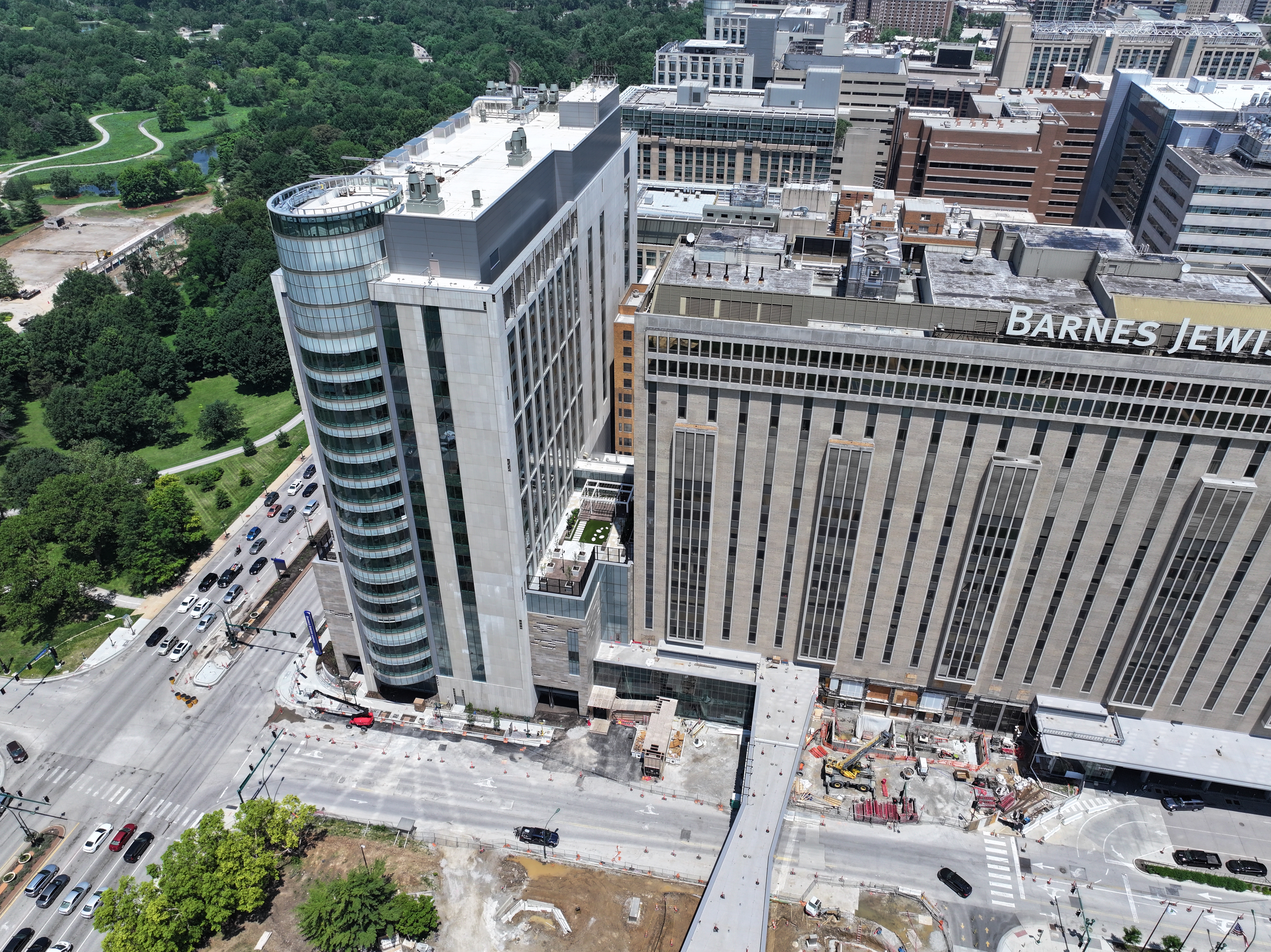
Many drone projects appear simple on the surface. A company may need an exterior shot of its building. A real estate team may need aerial views of a property. A contractor may need progress documentation. A marketing department may want a few aerial clips to add production value to a corporate video.
Even these straightforward assignments benefit from experience.
A skilled drone crew considers the best time of day, sun angle, shadows, wind direction, property access, flight path, background distractions, camera movement, framing, and how the footage will be edited. A simple exterior shot can be elevated by using the right approach, speed, altitude, and reveal. A building can look more substantial with the correct angle. A property can be made easier to understand with a thoughtful combination of wide shots, approaches, orbits, and detail views.
The goal is not to fly randomly and hope for something attractive. The goal is to capture purposeful footage that supports the message.
For example, an aerial establishing shot may be used in a website video, a social media campaign, a sales presentation, a recruiting piece, a trade show loop, or a corporate overview. When the footage is captured professionally from the beginning, it can be reused across multiple platforms and campaigns.
Advanced Drone Projects Require Technical Skill and Planning
Some aerial assignments require more than standard drone footage. Advanced projects may involve complex flight environments, technical imaging, data capture, mapping, inspection support, or specialized production techniques.
These projects can include:
Indoor FPV drone fly-throughs
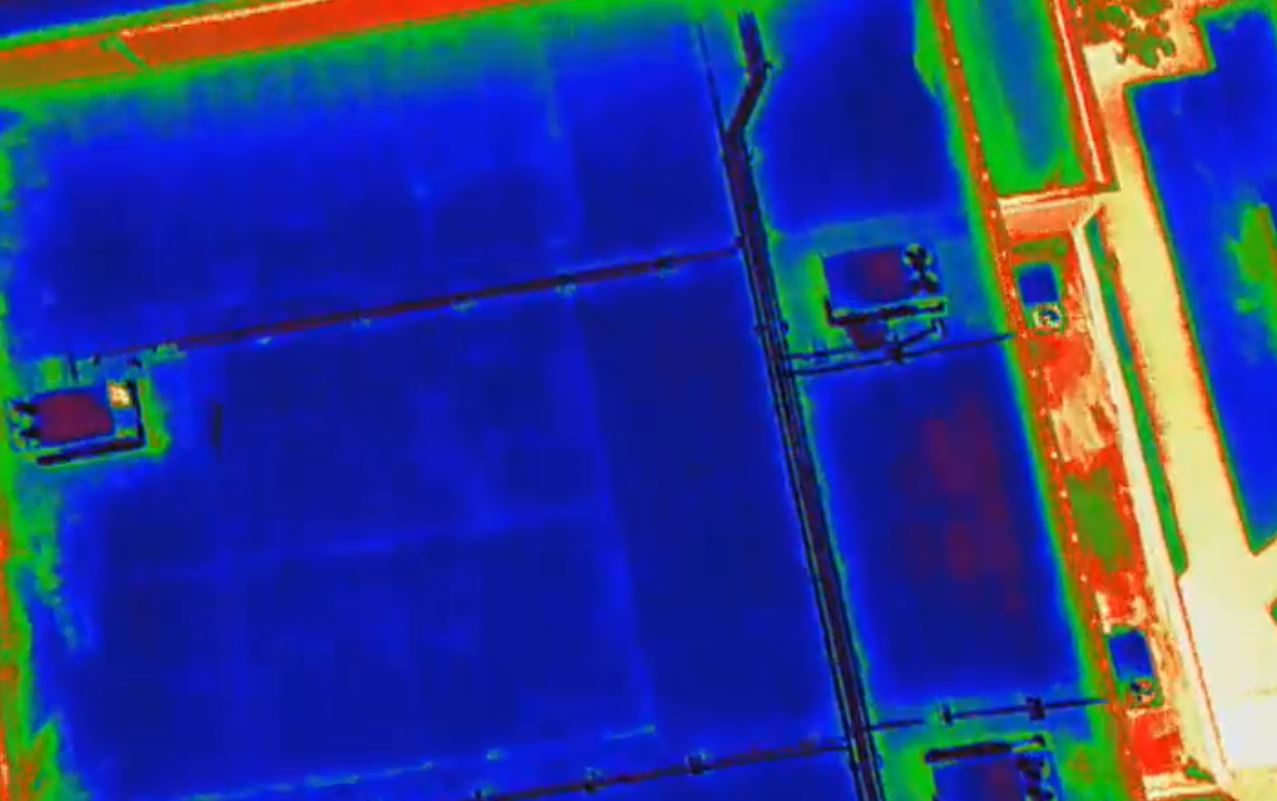
Infrared thermal drone imaging
Orthomosaic mapping
LiDAR capture
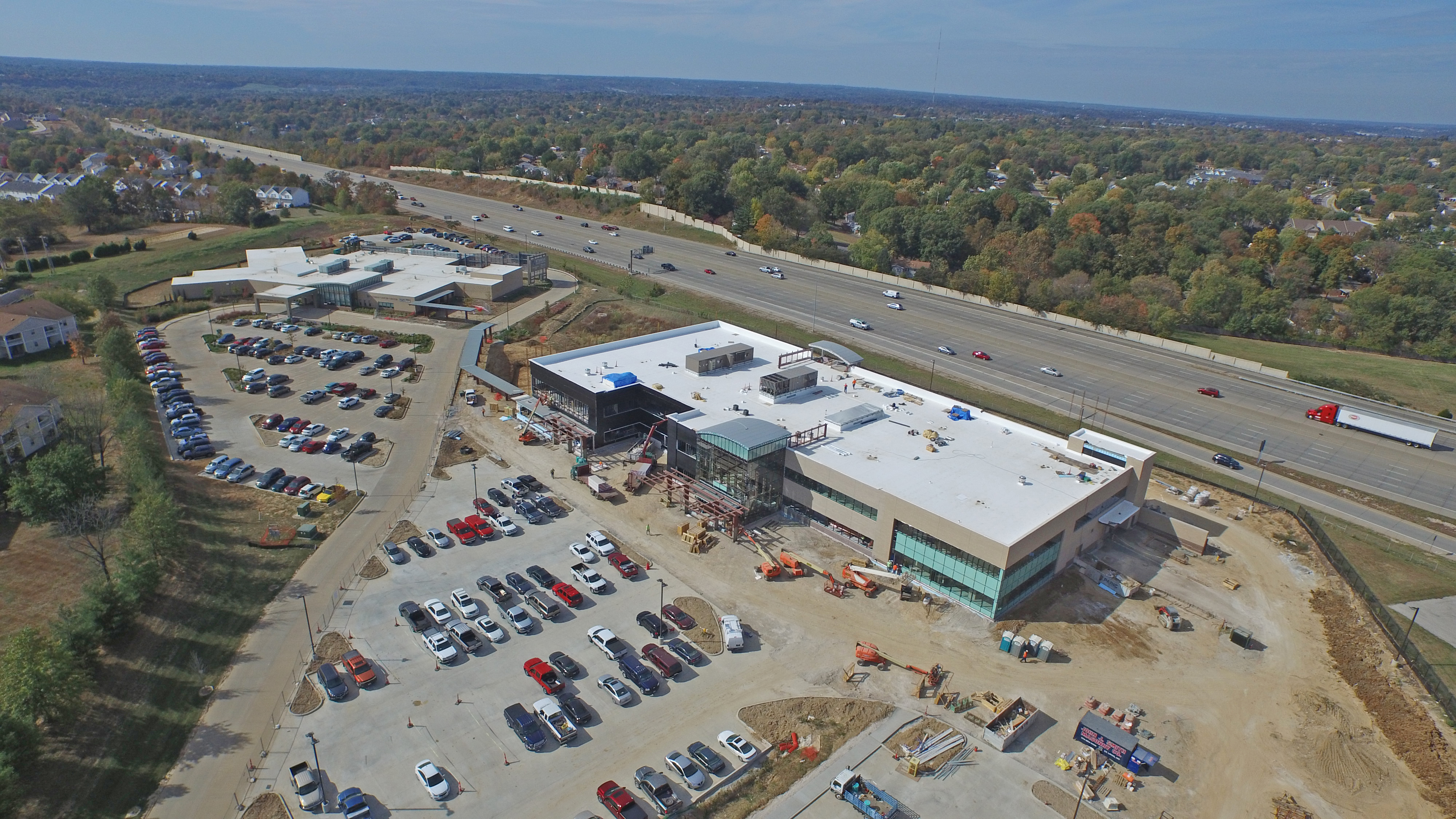
Construction progress documentation
Commercial roof inspection support
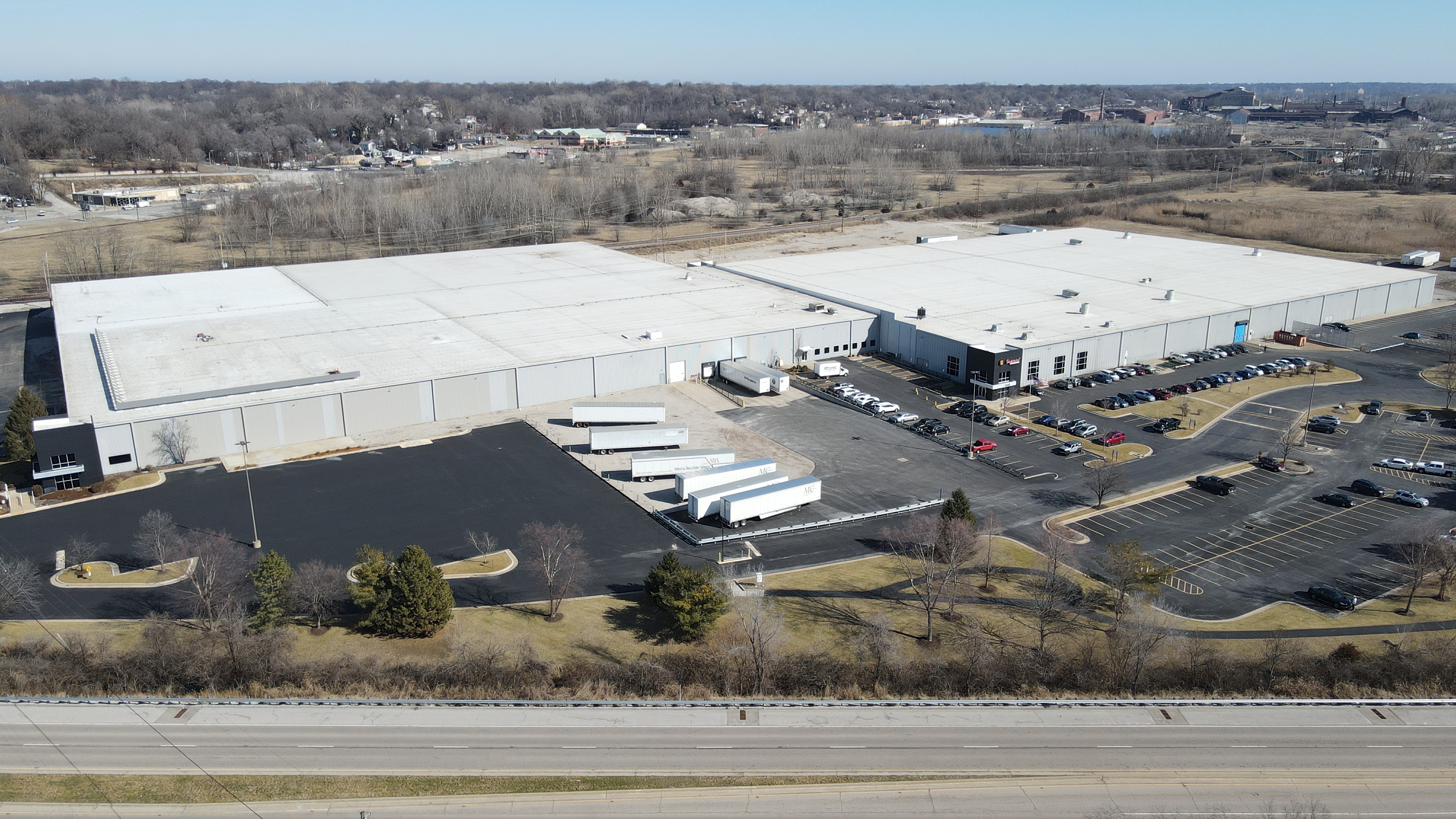
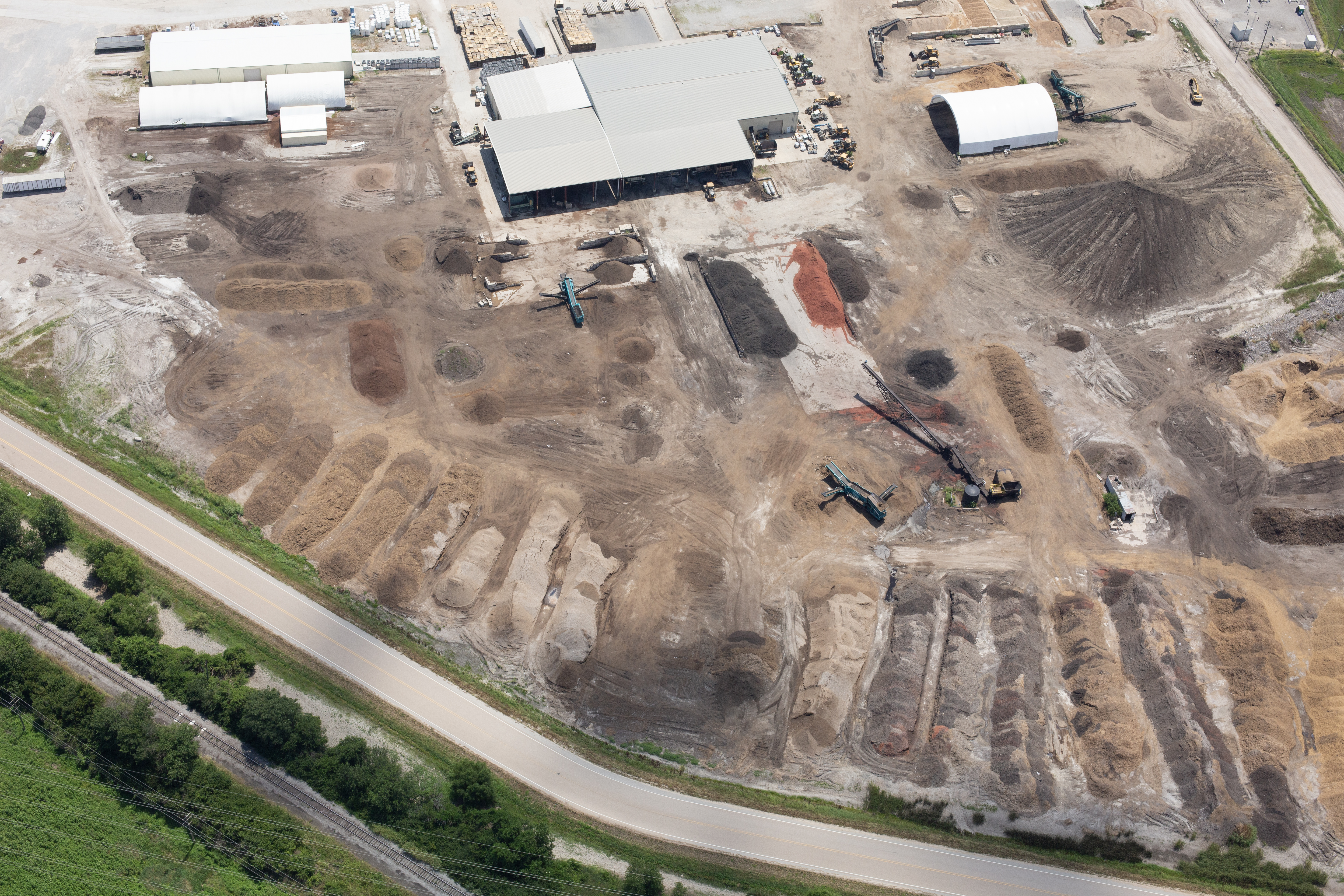
Industrial site imaging
Large property surveys
Facility overview videos
Event aerial coverage
Real estate and development documentation
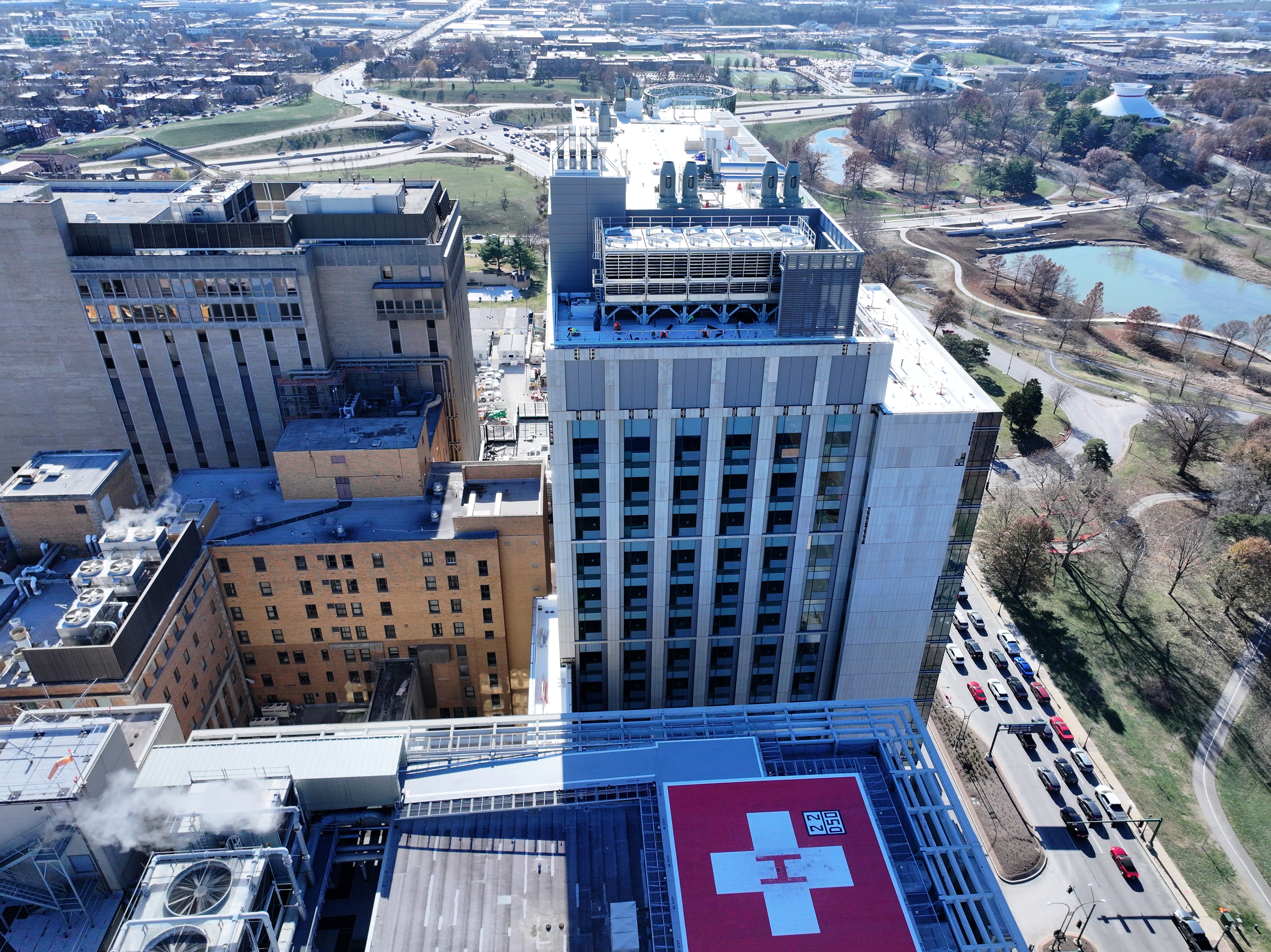
Campus, hospital, school, and corporate location videos
B-roll acquisition for larger productions
Advanced aerial projects demand a production team that understands both drone operation and the broader purpose of the imagery. The footage may need to support marketing, planning, documentation, safety review, engineering coordination, stakeholder updates, investor presentations, recruitment, public relations, or internal communications.
This is where St Louis Video Studio’s full-service production experience becomes valuable. We understand how aerial visuals fit into a larger communication strategy.
As decision-makers in photography, marketing, and video production, you are constantly seeking innovative tools to gain a competitive edge and make more informed strategic choices. In today’s data-driven landscape, advanced drone technology, specifically equipped with LIDAR and Thermal imaging sensors, has emerged as a game-changer across numerous industries, providing unparalleled visual and structural information.
LIDAR Drones: Creating Precise 3D Worlds
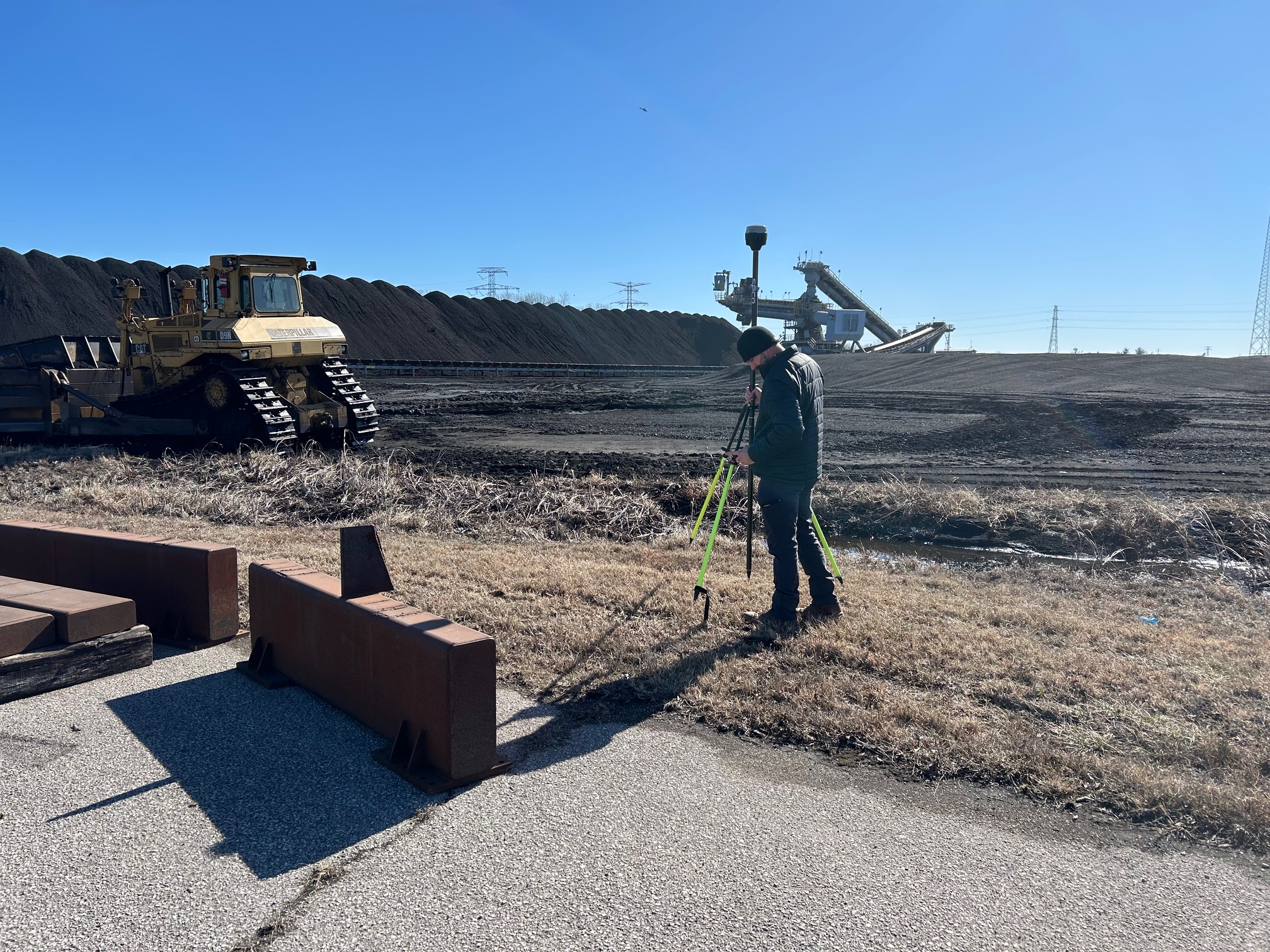
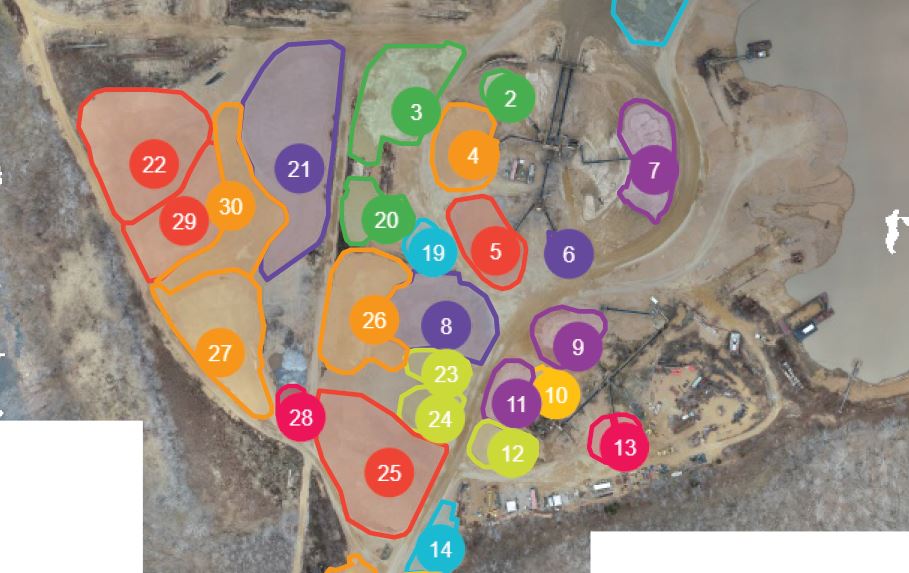
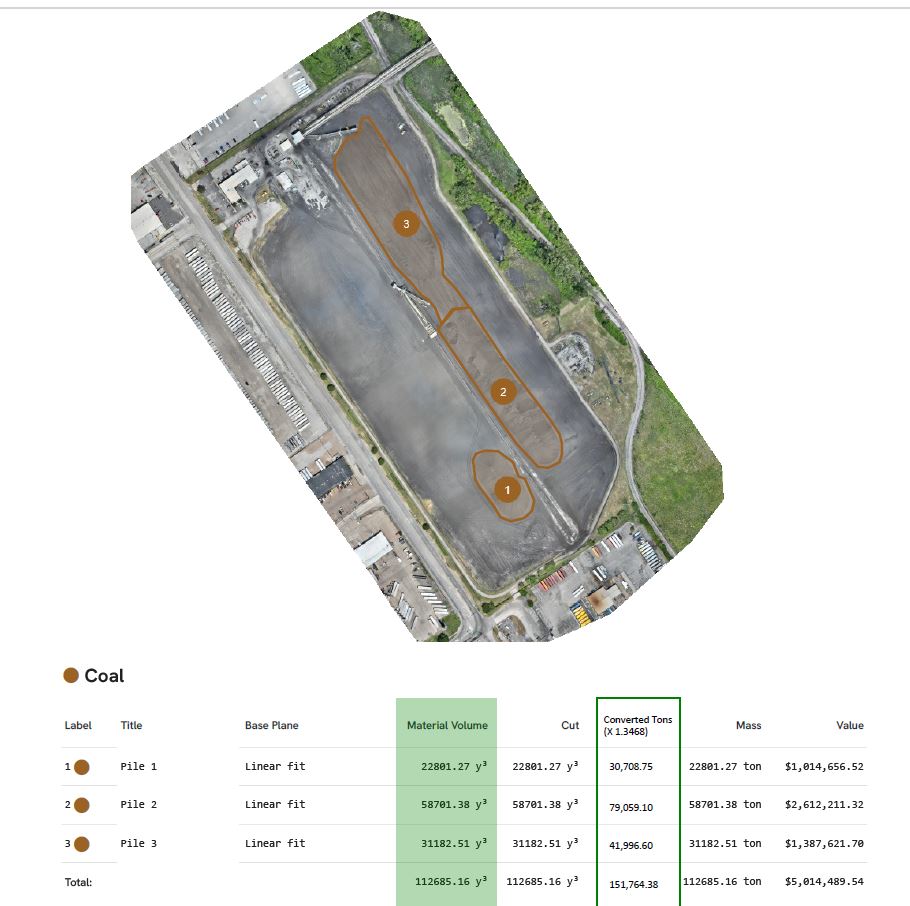
LIDAR, an acronym for Light Detection and Ranging, uses rapid laser pulses to map the environment in three dimensions. While conventional aerial photography captures a visual representation, LIDAR creates a dense “point cloud” that accurately measures distances and shapes. For businesses, this translates to incredibly precise topographic maps, detailed 3D models of infrastructure, and accurate volumetric calculations for stockpiles or construction materials.
Imagine being able to survey vast or challenging terrains in a fraction of the time and cost compared to traditional ground methods. LIDAR can penetrate vegetation, revealing the true ground surface, which is invaluable for pre-construction planning, flood modeling, and forestry management. For infrastructure maintenance, LIDAR scans can detect subtle structural changes over time, allowing for proactive repairs and enhanced safety protocols.
Thermal Imaging Drones: Seeing Heat Signatures
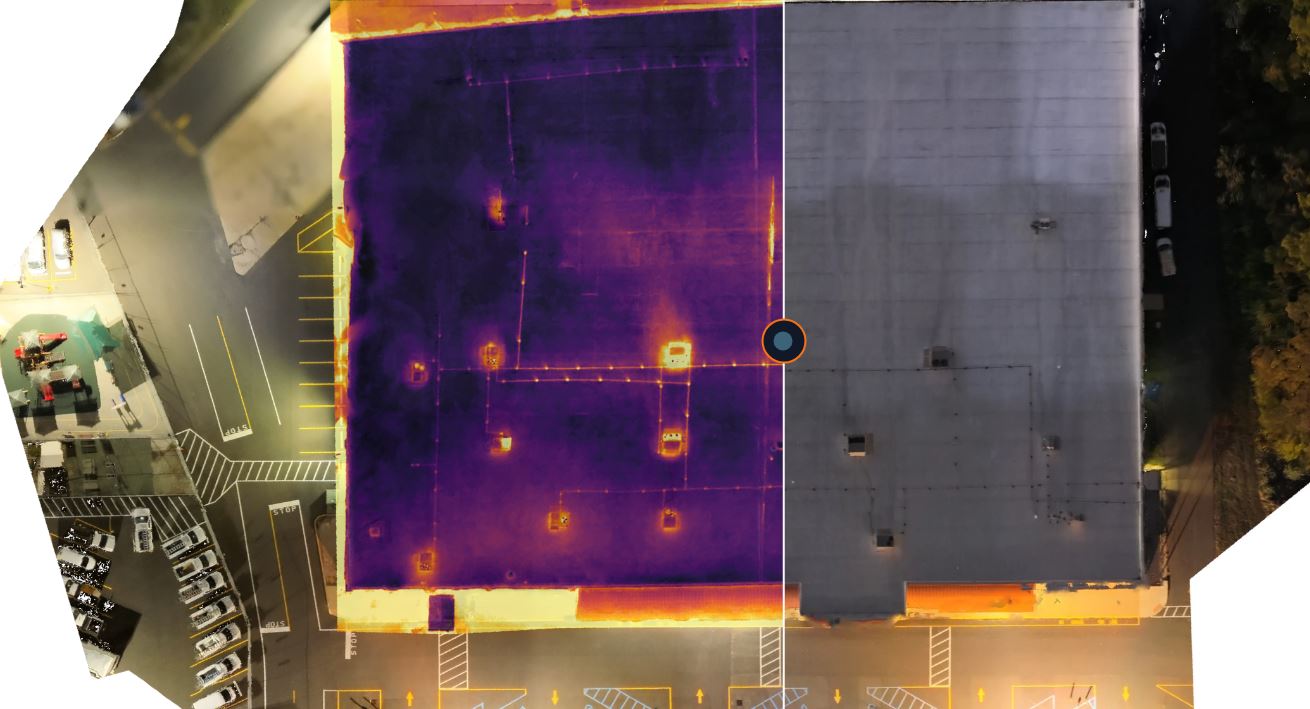
Complementing LIDAR’s structural data, thermal imaging sensors on drones detect heat radiation, not just visible light. This technology visualizes temperature variations across surfaces, revealing hidden issues invisible to the naked eye. Businesses use thermal drones for energy audits, identifying insulation voids, moisture penetration in roofing, or heat loss from buildings.
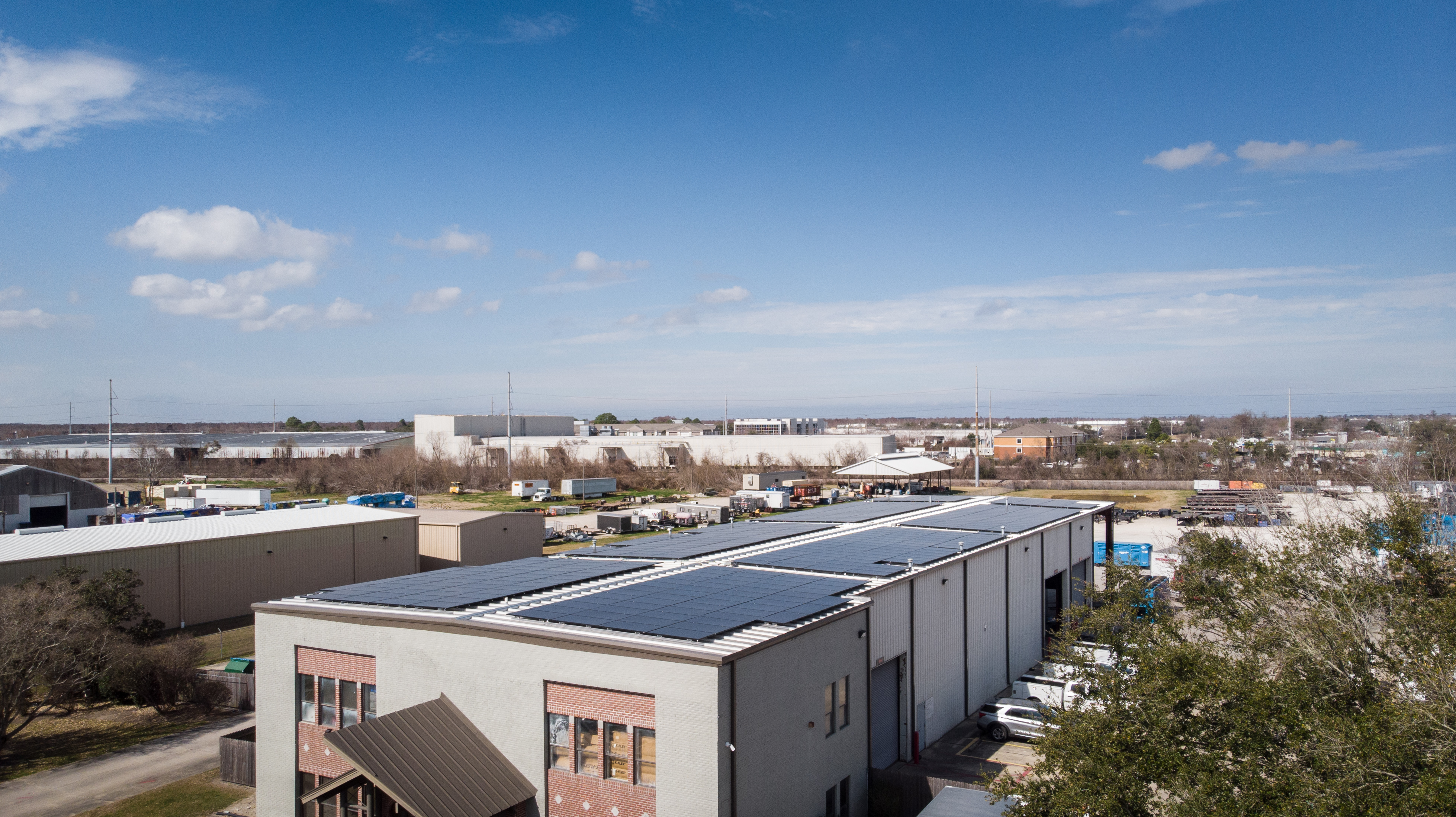
In industrial settings, thermal inspections can pinpoint overheating electrical components, leaking pipelines, or failing mechanical systems, preventing costly downtime and potential hazards. Thermal drones are also critical for solar panel maintenance, quickly identifying malfunctioning cells. Beyond inspections, they enhance security operations and search and rescue efforts by detecting heat signatures in diverse environments.
Integrating Data for Actionable Insights
The true power lies in the synergistic use of LIDAR and thermal data. Imagine overlaying thermal temperature information onto a precise 3D model generated by LIDAR. This comprehensive perspective enables you to not only visualize the structure but also immediately understand its thermal characteristics. This combined data empowers decision-makers to optimize energy usage, prioritize maintenance, ensure safety compliance, and streamline operations with unprecedented clarity.
St. Louis Video Studio: Your Expert Partner for Advanced Drone Solutions
Unlocking these sophisticated insights requires more than just advanced technology; it demands a seasoned partner with deep expertise, the right equipment, and a creative, capable crew. As a long-standing fixture in the St. Louis production community since 1982, St. Louis Video Studio has evolved alongside technology, positioning itself as a premier full-service professional commercial photography and video production company.
We understand successful image acquisition involves more than just launching a drone. It requires experienced pilots, high-resolution sensors, and meticulous planning to ensure accurate data capture. Our licensed drone operators (including specialized drone services for St Louis Video Studio) have worked with many businesses, marketing firms, and creative agencies in the St. Louis area, delivering high-impact visual data and compelling content across diverse applications. Our capabilities even extend indoors, as we can fly our specialized drones indoors to capture unique perspectives within large facilities, warehouses, or even during complex indoor events, providing invaluable data and stunning visuals where conventional access is limited.
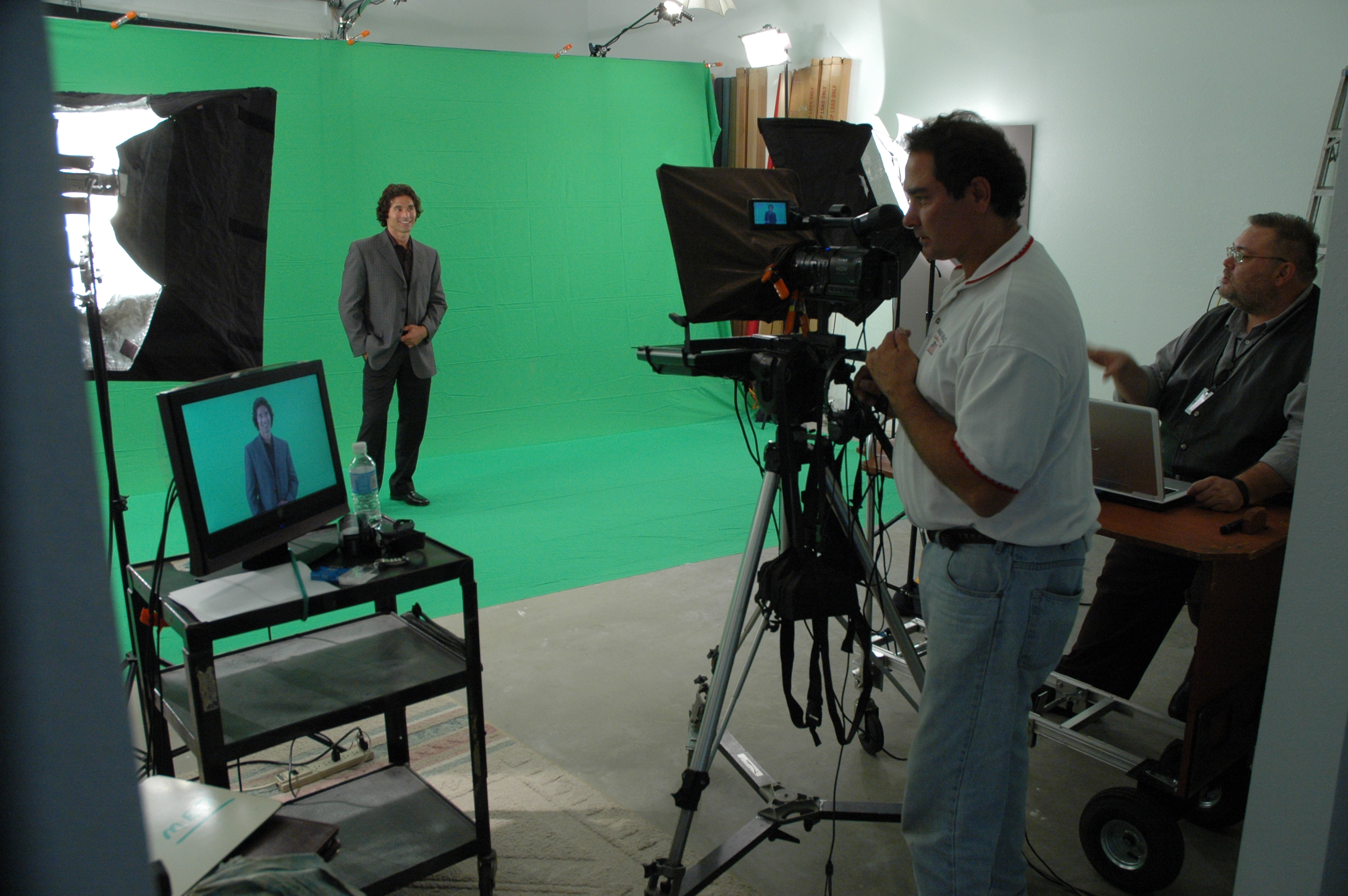
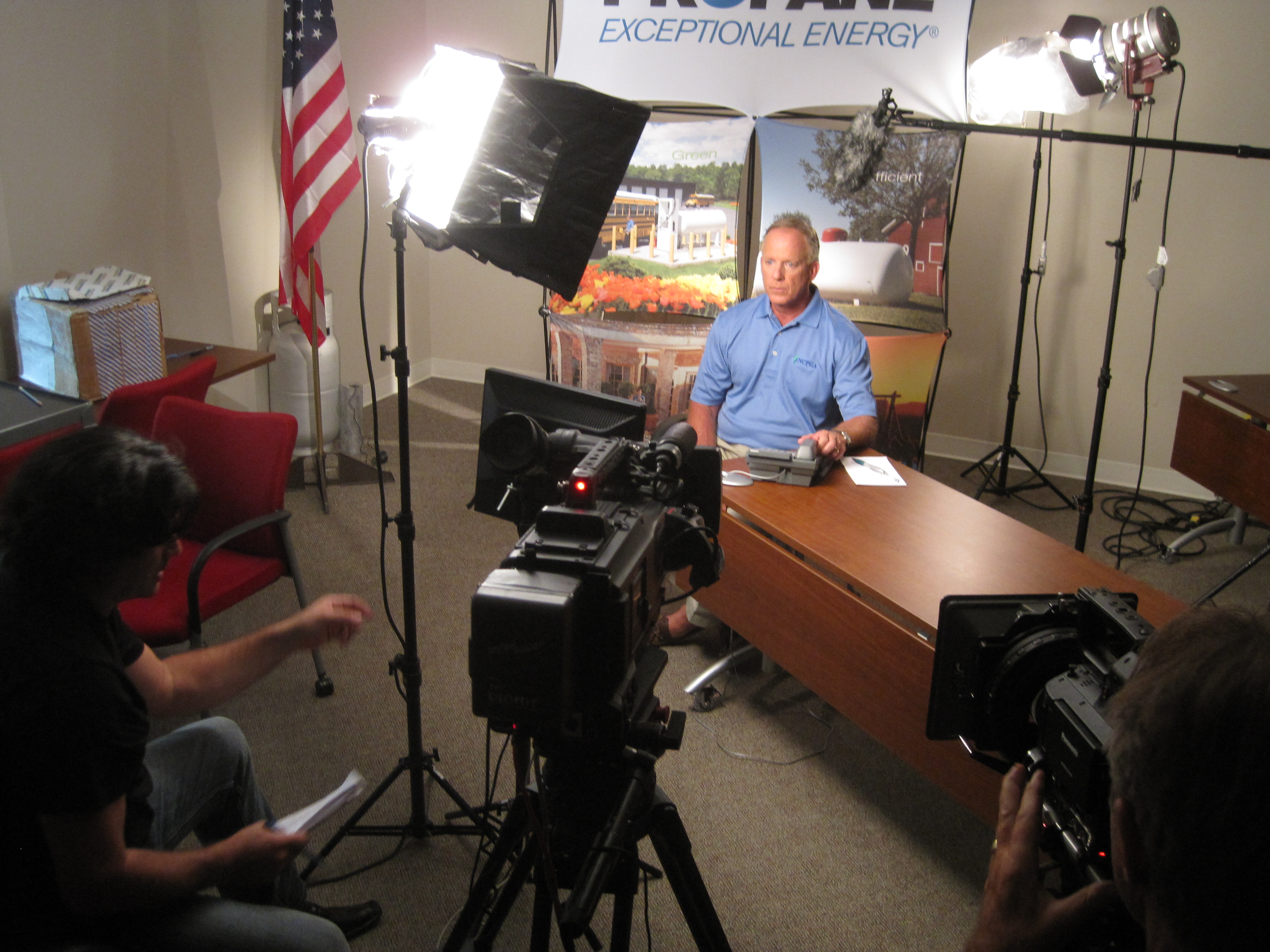
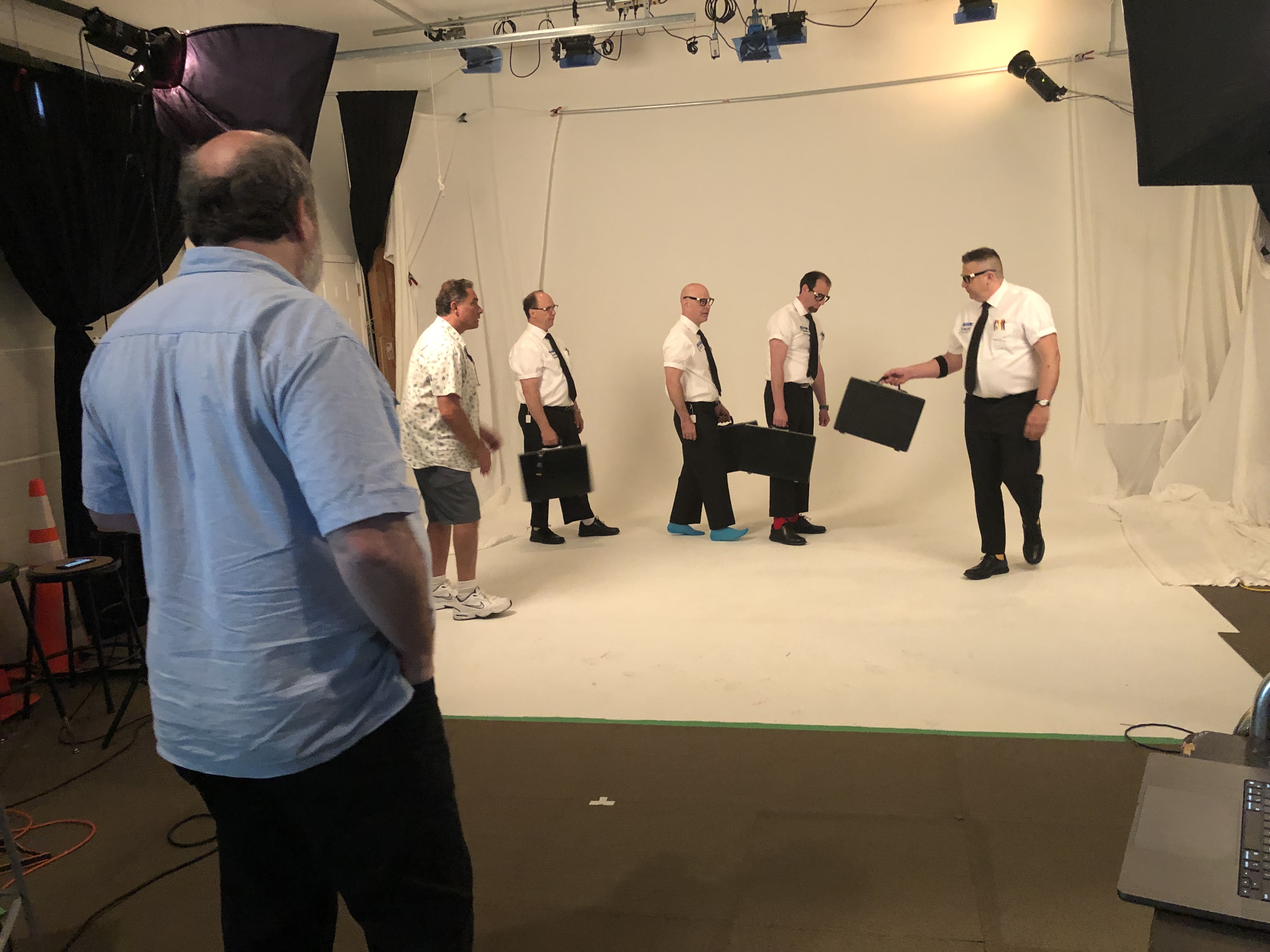
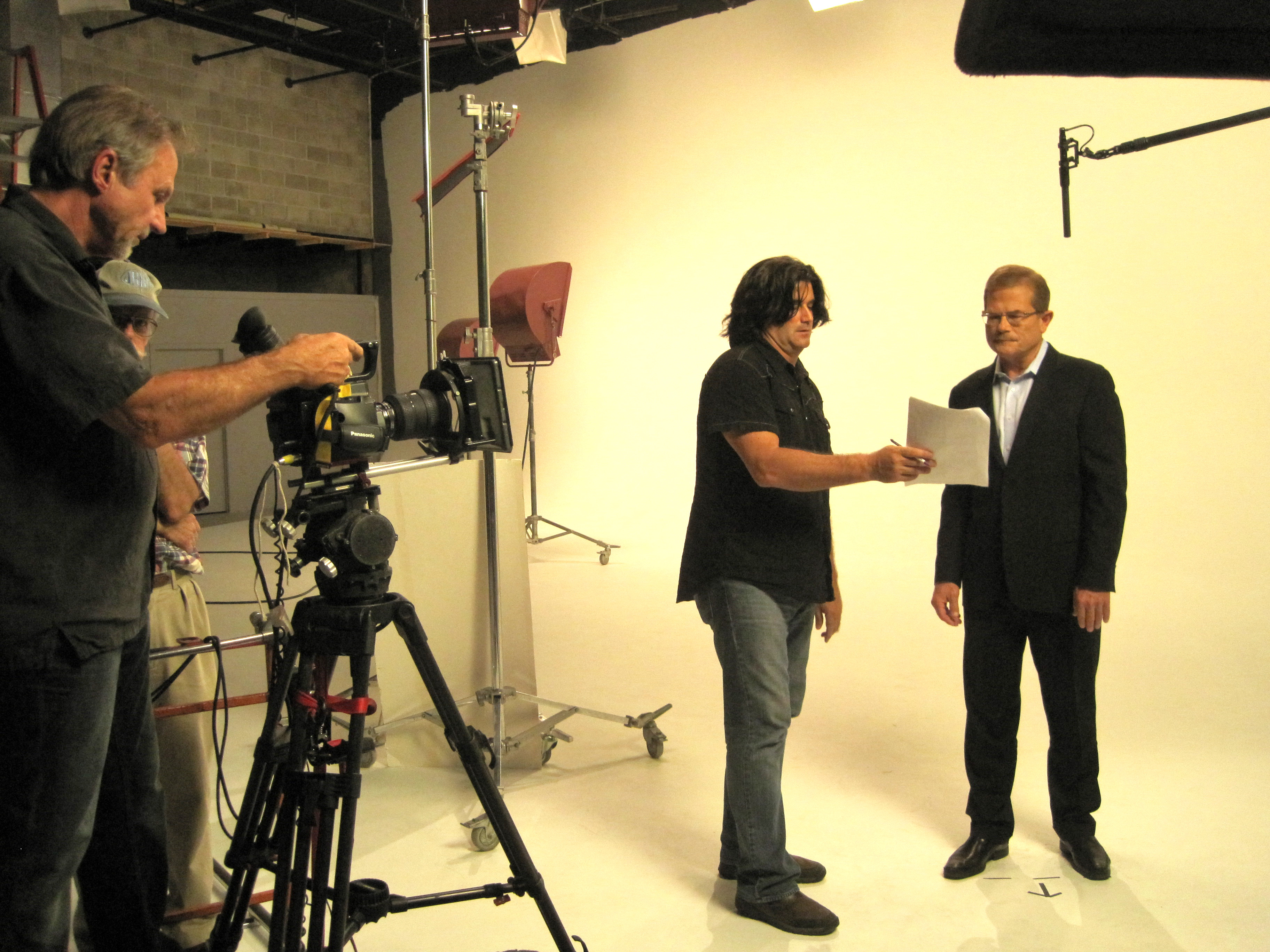
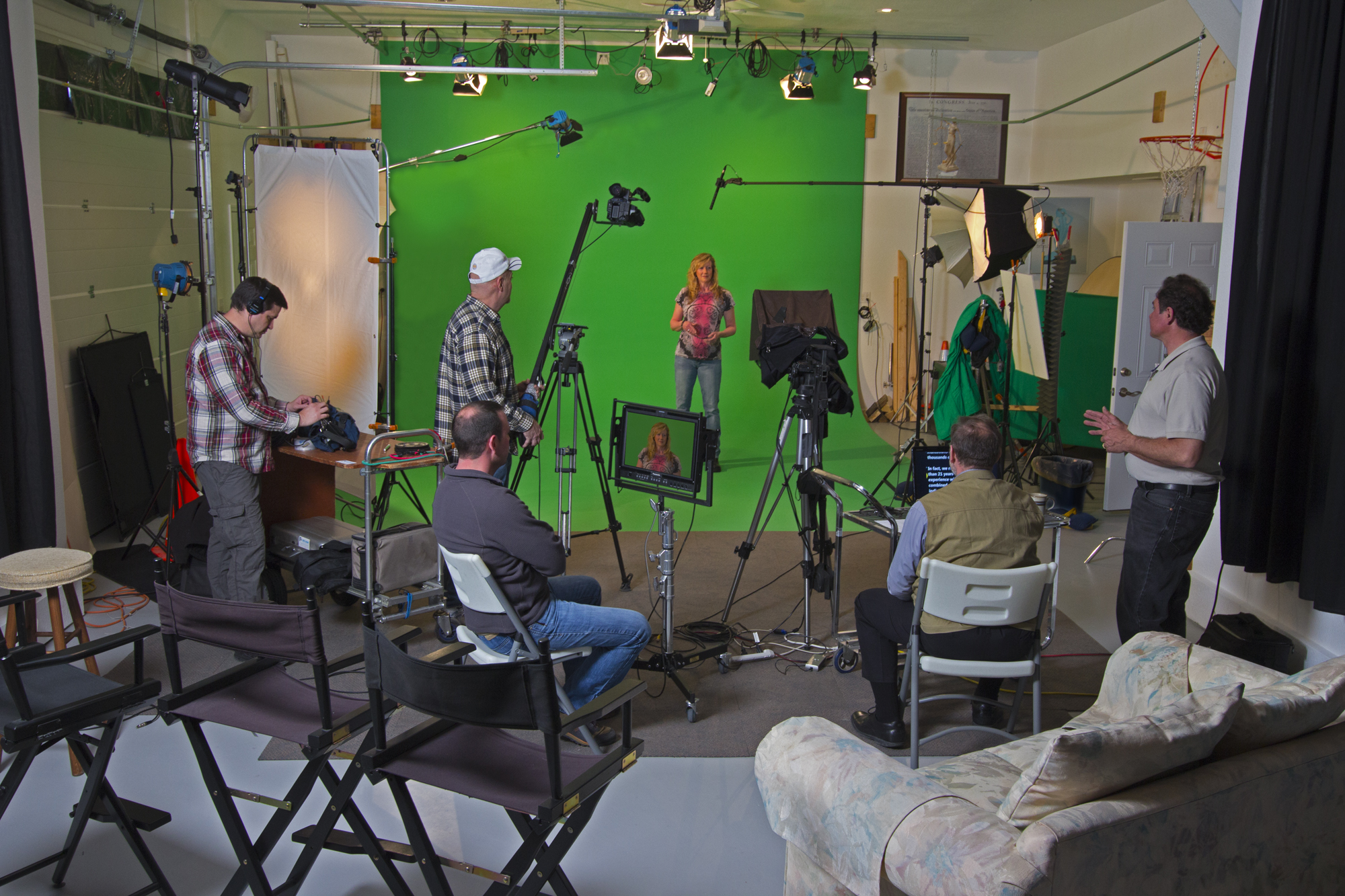
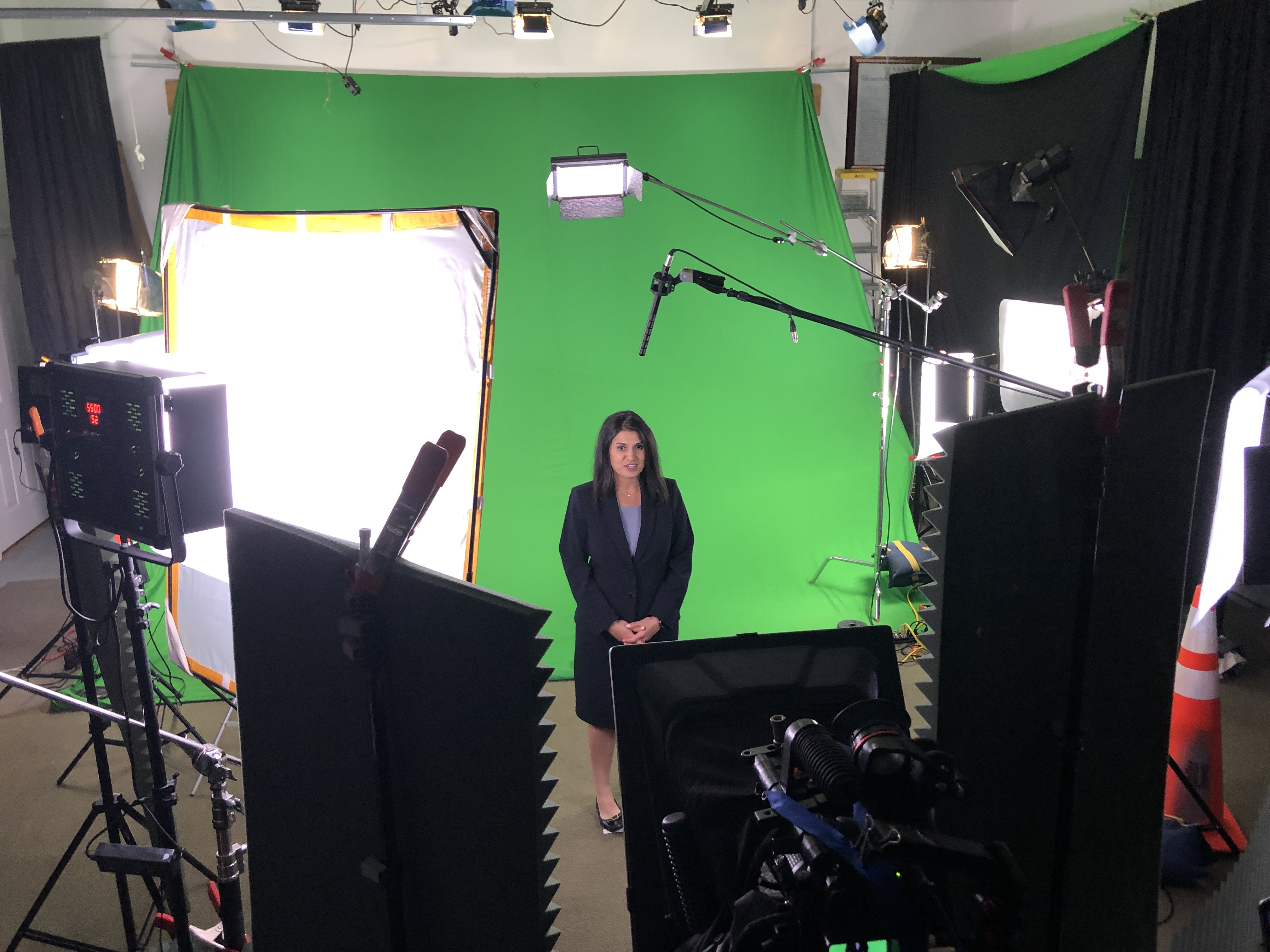
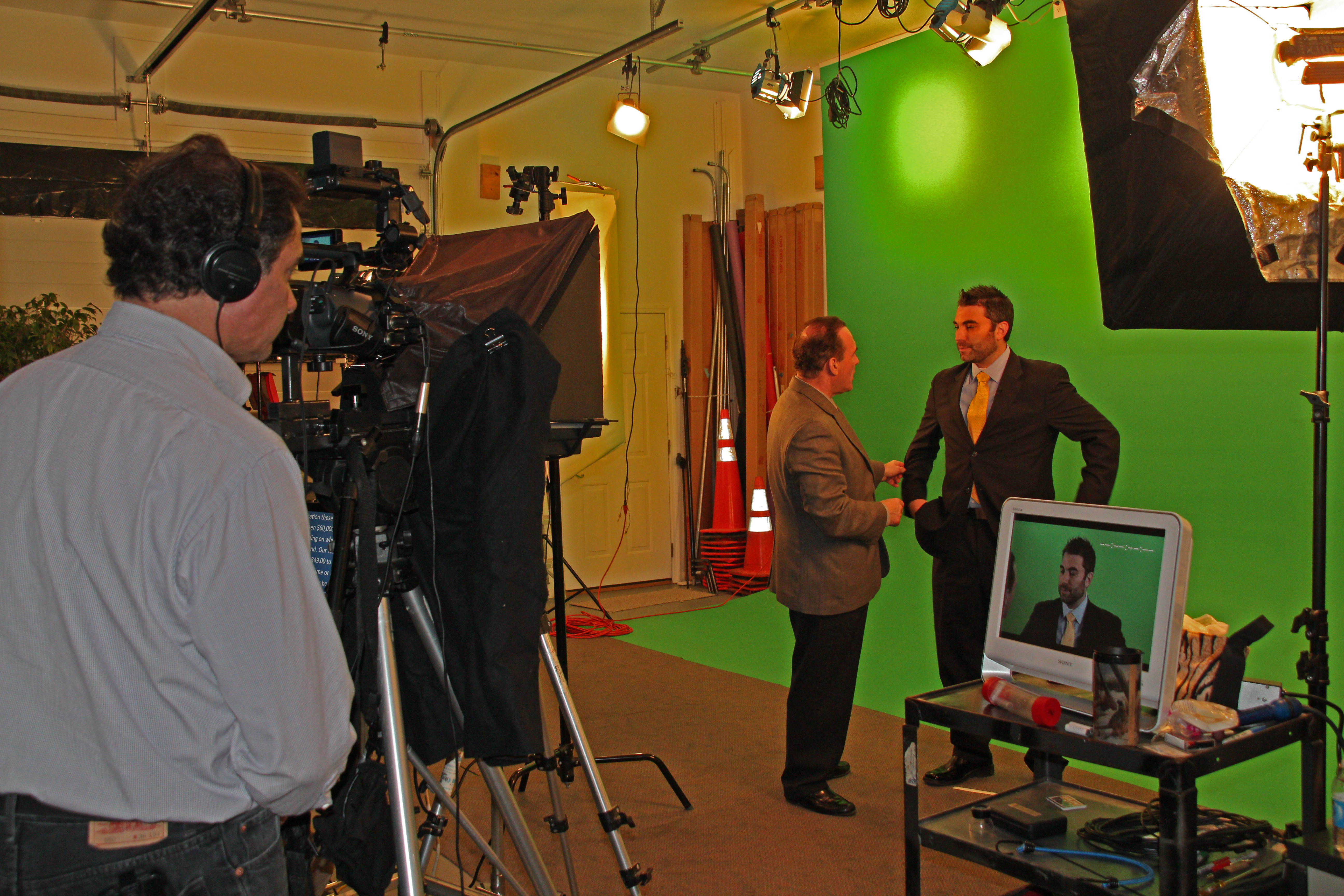
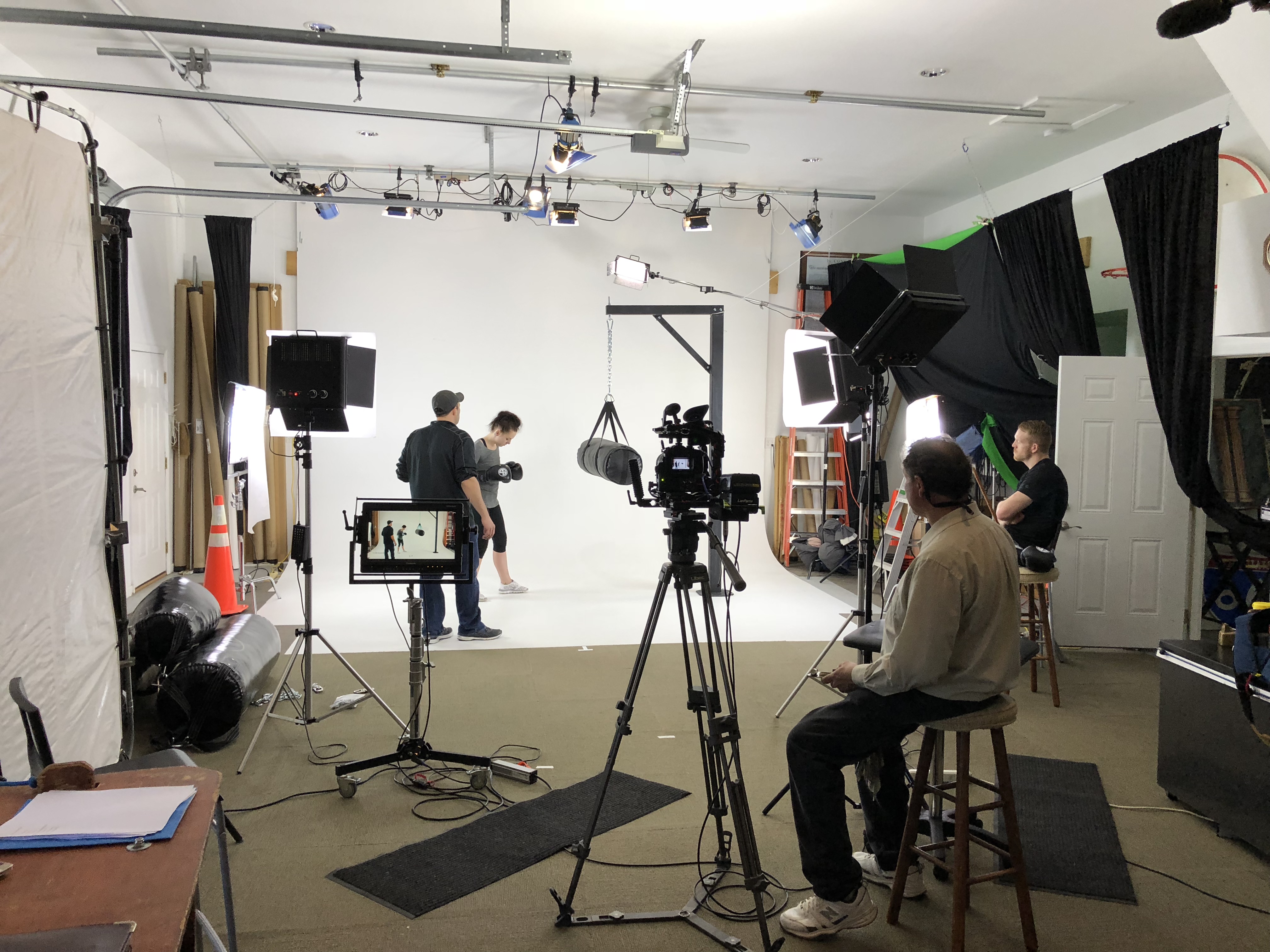
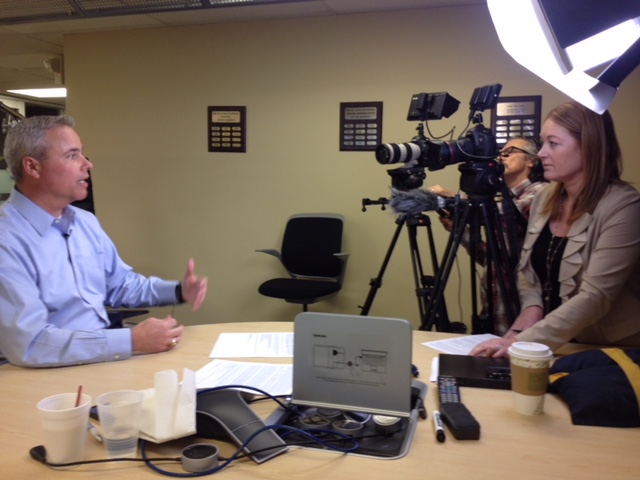
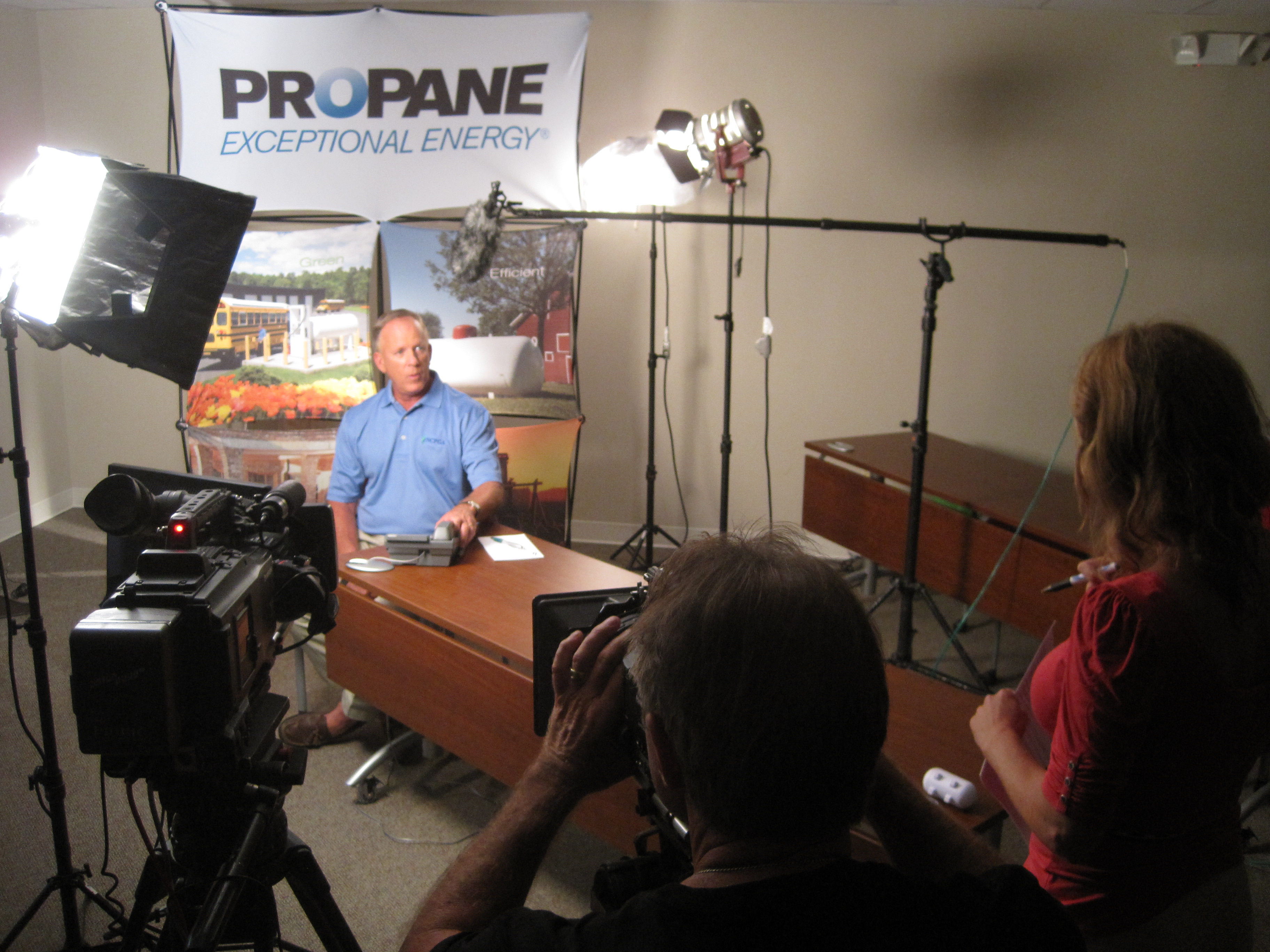
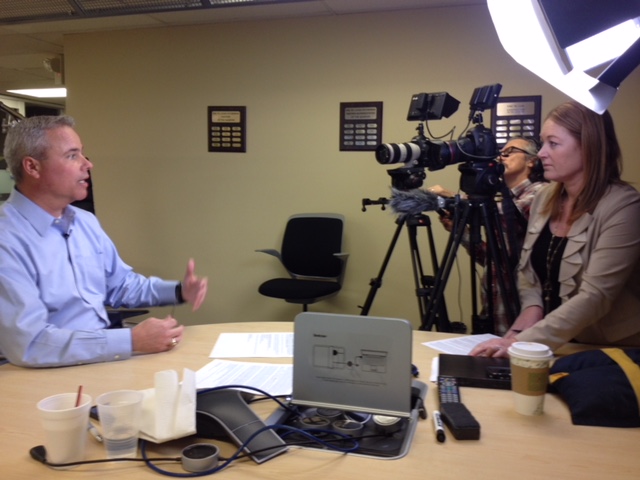
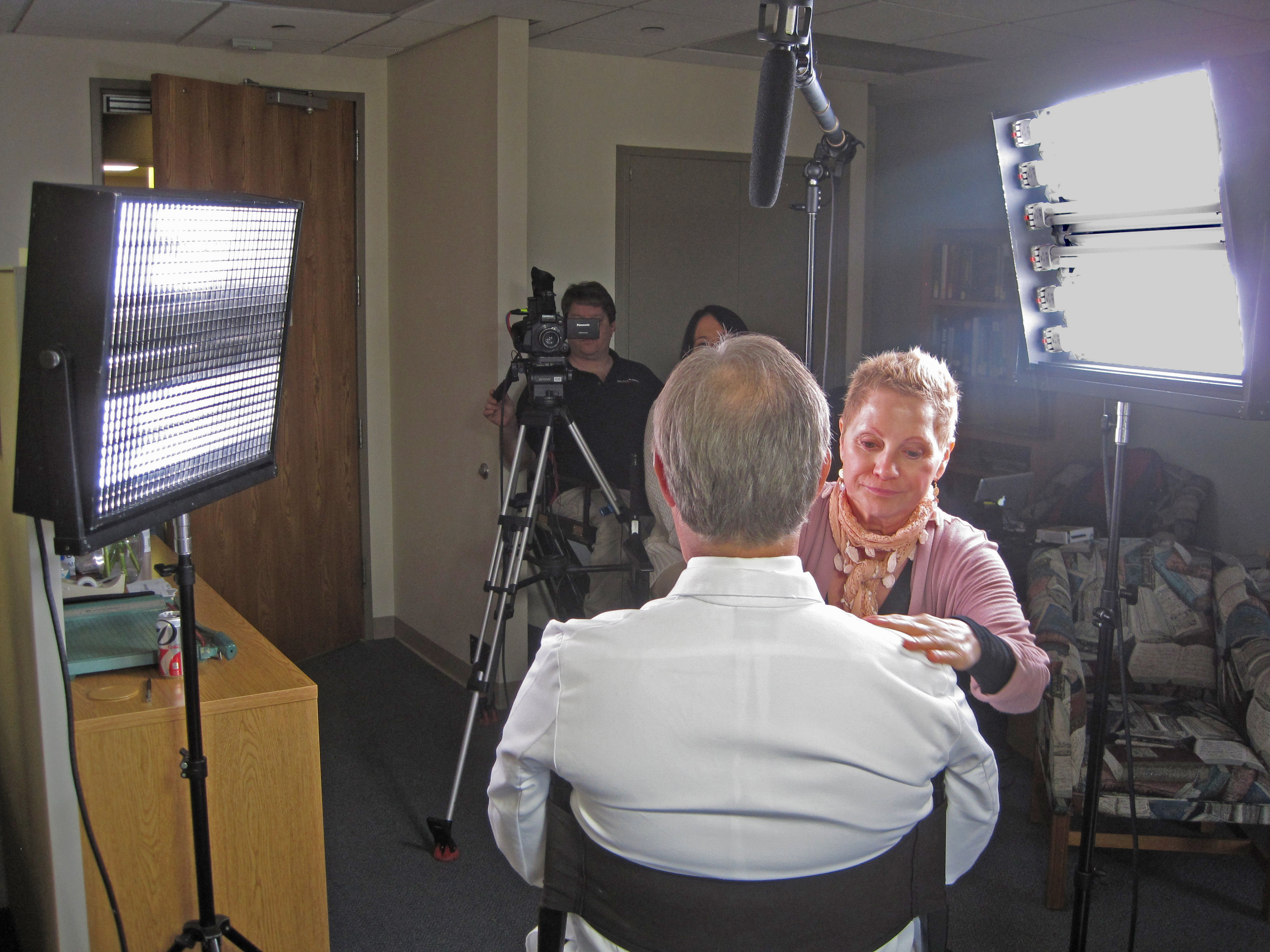
Beyond our aerial expertise, we provide full-service studio and location video and photography. Our private studio lighting and visual setup is perfect for small productions and interview scenes, meticulously supporting every aspect of your production—from setting up a private, custom interview studio to supplying professional sound and camera operators, as well as providing the right equipment—ensuring your next video production is seamless and successful. Our studio is large enough to incorporate props to round out your set, should your vision require more elaborate staging.
Data acquisition is only part of the equation. We offer comprehensive editing, post-production, and full-service media capabilities, ensuring that the raw imagery and information are transformed into compelling narratives, clear visual guides, or precise actionable reports. We use the latest in Artificial Intelligence for all our media services, enhancing efficiency and visual quality throughout the entire process. Our creative crew is well-versed in handling diverse file types and styles of media and proficient with accompanying software, guaranteeing seamless integration with your existing platforms or marketing initiatives.
We excel not only at creating new, high-impact content but also in customizing productions for diverse media requirements and skillfully repurposing your existing photography and video branding to ensure your visual identity consistently gains more traction across all channels. Our dedication to your success extends to supporting every aspect of your production, from the initial concept to the final, polished deliverable.
So, whether you’re looking to gain critical structural data, improve energy efficiency, enhance safety protocols, or simply elevate your brand through sophisticated visuals captured from above (or even indoors!), St. Louis Video Studio has the experience (since 1982), technology, and dedicated crew to make it happen successfully. Contact us today to discuss how LIDAR and thermal drone technology, backed by our comprehensive professional services, can empower your next project.
Decision makers don’t usually have a “video problem” or a “photo problem.” You have a throughput problem: more channels, faster timelines, tighter approvals, more internal stakeholders, and a constant need to refresh creative without restarting from zero.
An economical video and photography studio isn’t the one with the lowest day rate. It’s the one that reliably delivers usable, on-brand assets with minimal reshoots, predictable production time, and a post workflow designed for repurposing—so each shoot generates value across web, social, sales enablement, internal comms, recruiting, PR, and paid campaigns.
Below is how to think about economical production like an operator, not a shopper.
“Economical” doesn’t mean “cheap”—it means engineered efficiency
If you’ve ever paid for a “low-cost” shoot that required:
multiple revisions because messaging wasn’t locked,
preventable audio issues,
inconsistent lighting across interviews,
missing coverage that forced a pickup day,
or deliverables that didn’t match your platform needs…
…you already know the real cost is waste.
Economical production is designed to eliminate waste in four areas:
Pre-production clarity (the fastest way to cut cost without cutting quality)
On-set efficiency (less downtime, fewer surprises, more coverage per hour)
When the edit is structured, you reduce the number of review cycles and protect timelines—especially with multiple stakeholders.
AI as a cost-and-speed amplifier (when used correctly)
AI can absolutely make production more economical—but only when it’s used to accelerate real work (not create chaos).
High-impact, practical uses include:
transcript-based editing and faster selects,
caption workflows and versioning,
searchability across archives (find the right quote fast),
noise reduction and cleanup (when applied surgically),
metadata tagging for repurposing.
The key is restraint: AI should reduce friction while keeping human control over brand voice, legal risk, and story.
Indoor drones: when they help—and when they’re a distraction
Indoor drone work can be powerful for:
facility walk-throughs,
warehouse and operations coverage,
revealing scale and flow,
connecting scenes without hard cuts.
But it has to be executed with safety, planning, and purpose:
flight path design,
risk mitigation around people and equipment,
and shots that integrate into the narrative.
Used well, indoor drone footage can replace more expensive rigging, stabilize movement, and deliver “production value” without production drag.
Deliverables matter: economical means you get exactly what you need, in the right formats
Decision makers don’t want “the video.” You want:
the right versions,
correctly exported,
platform-ready,
and easy to deploy internally.
That includes clarity on:
aspect ratios (16:9, 9:16, 1:1),
compression and bitrate targets,
audio mix needs,
caption formats (burned-in vs sidecar),
still frames and thumbnails,
and a clean handoff for your marketing stack.
When deliverables are planned upfront, you avoid last-minute scramble and re-exports that eat time (and patience).
A quick checklist: how to evaluate an economical studio partner
Ask these questions before you commit:
How do you structure pre-production so we don’t waste shoot time?
How do you design deliverables for repurposing across channels?
What’s your audio plan, and what redundancies do you use?
How do you manage review cycles and feedback consolidation?
Can you maintain a consistent look across multiple shoot days/months?
What’s your approach to versioning (cutdowns, vertical edits, captions)?
How do you handle file formats, handoff, and archival?
A studio that answers these clearly is usually the one that protects your budget and your brand.
Why St Louis Video Studio is built for economical, high-impact production
At St Louis Video Studio, we’ve spent decades refining a production model that’s efficient without cutting corners. As a full-service video and photography production corporation since 1982, we’ve worked with many businesses, marketing firms, and creative agencies in the St. Louis area—so we understand what decision makers need: reliable execution, predictable timelines, and assets that work across platforms.
We’re a full-service professional commercial photography and video production company with the right equipment and creative crew service experience for successful image acquisition. We offer full-service studio and location video and photography, as well as editing, post-production, and licensed drone work. St Louis Video Studio can customize your productions for diverse types of media requirements, and repurposing your photography and video branding to gain more traction is one of our specialties.
We’re well-versed in all file types, media styles, and accompanying software—and we use the latest in Artificial Intelligence across our media services to speed workflows without sacrificing quality. Our private studio lighting and visual setup is ideal for small productions and interview scenes, and our studio is large enough to incorporate props to round out your set. We support every aspect of your production—from setting up a private, custom interview studio to supplying professional sound and camera operators, as well as providing the right equipment—ensuring your next video production is seamless and successful. And yes, we can fly our specialized drones indoors when the shot calls for it.
If your goal is to produce more high-quality content with less waste—without compromising on brand, consistency, or production value—an economical studio partner should feel like a force multiplier. That’s exactly how we operate.
If you run—or market—a service repair business, you already know what customers want before they call: confidence.
They want to know:
Are you legit?
Will you show up?
Will you treat my home or facility with respect?
Will you fix it right the first time?
Will I get surprised by the price?
A polished brand video helps, but the videos that consistently book more repairs often look simpler: real technicians, real jobs, real proof. That’s the core idea behind “Film Your Day”—a practical content approach where you capture your work as it happens and turn it into high-trust marketing that converts.
This isn’t about becoming an influencer. It’s about documenting what you already do—then editing it into videos that reduce hesitation and increase bookings.
Why “Film Your Day” works for repairs
Most service companies compete on similar claims: fast, friendly, affordable, experienced. Your prospects assume everyone says that.
What they can’t easily see is how you operate:
cleanliness and professionalism
diagnostic skill
safety practices
communication style
quality control
tools and process
“Film Your Day” bridges the trust gap. It shows competence in a way a website can’t.
When done well, these videos become:
lead generators (social + local search)
appointment setters (retargeting + landing pages)
objection handlers (sales follow-up)
reputation builders (Google Business Profile content, reviews support)
The 4 video types that book more service repairs
You don’t need dozens of concepts. You need a repeatable set that targets how customers decide.
1) The “Before / After + What We Found” video
Purpose: Prove results and expertise quickly. Length: 20–60 seconds.
quick tech-to-camera line (10 seconds): “Here’s what caused it…”
What not to film
customer faces / private documents / addresses in frame
sensitive security systems without permission
anything that reveals a client’s vulnerabilities (especially commercial facilities)
A professional production partner will help build a simple on-site workflow that’s fast, compliant, and repeatable.
The script that converts: “Problem → Cause → Fix → Proof → Next step”
Service video scripts should be short and structured. Here’s a template that works across trades:
Hook (1 sentence): “If your [unit/system] is doing this… don’t ignore it.” Cause: “In this case, the real issue was [specific cause].” Fix: “We [repair step] and replaced [part] to restore [function].” Proof: “Now you can see [result]—and here’s what we checked to confirm it.” CTA: “If you’re seeing this at your home/facility, call us and we’ll diagnose it before it turns into a bigger repair.”
It’s not sales copy. It’s competent communication.
Editing choices that separate “content” from “bookings”
The difference between views and booked calls is often the edit.
Make it scannable
Decision makers and homeowners watch on phones. Use:
tight pacing (cut dead space)
on-screen keywords (“Cause,” “Fix,” “Result”)
simple captions (not walls of text)
clear audio (no echo, no compressor pumping)
Show proof, not just talking
Use b-roll of the diagnostic step and the verification step. That’s where credibility lives.
Add local trust signals
For repair services, local presence matters. Include:
This is how you scale without constantly “creating new ideas.”
Where these videos make the phone ring
If you want bookings, distribute where intent and trust intersect:
Google Business Profile: post weekly clips; supports local conversion behavior
Service pages: embed the most relevant videos on each service page (HVAC, plumbing, electrical, roofing, etc.)
Retargeting ads: show “before/after” and “what we found” videos to people who visited your site
Sales follow-up: text/email a 30-second proof clip after an estimate
LinkedIn (B2B service repairs): facility managers respond well to process + safety + reliability content
Common mistakes (and quick fixes)
Mistake: Every video is “we’re the best.” Fix: Make videos about customer problems and your process.
Mistake: Too long, too slow. Fix: Lead with the problem/result, then explain.
Mistake: No call to action. Fix: One line: “If you’re seeing this, schedule service.”
Mistake: Footage exists but never gets used. Fix: Batch-edit and publish on a simple cadence (e.g., 2 shorts/week).
Closing: why St. Louis Video Studio is built for “Film Your Day” service content
At St. Louis Video Studio, we’ve worked with businesses, marketing firms, and creative agencies in the St. Louis area since 1982, helping organizations turn real-world operations into professional marketing assets that build trust and drive action.
We’re a full-service professional commercial photography and video production company with the right equipment and creative crew service experience for successful image acquisition. We offer full-service studio and location video and photography, plus editing and post-production, and licensed drone support—including the ability to fly specialized drones indoors when the project calls for it.
St. Louis Video Studio can customize your productions for diverse media requirements, and we specialize in repurposing your photography and video branding so each shoot produces multiple deliverables across platforms. We’re well-versed in all file types, media styles, and the software needed to deliver clean, usable assets for web, social, broadcast, and internal communications. We also use the latest Artificial Intelligence tools to accelerate editing workflows, create fast cutdowns, and help you publish consistently without sacrificing quality.
Our private studio lighting and visual setup is perfect for small productions and interview scenes, and our studio has room for props and set elements to round out your look. We support every aspect of your production—from building a private, custom interview studio to supplying professional sound and camera operators and the right equipment—so your next video production is seamless and successful.
If you want to film your day and turn everyday repairs into consistent bookings, we can help you build a practical video system that captures real proof, edits for trust, and publishes with purpose.
Energy waste rarely announces itself with a flashing red light. Most of the time, it slips out quietly—through a failing roof membrane, leaky windows, uninsulated walls, or aging mechanical systems. By the time a problem becomes visible inside the building, you’ve often already paid for it several times over in wasted energy, moisture damage, and emergency repairs.
Drone-based thermal inspections change that equation. They give you a fast, safe, and visual way to see exactly where your building is losing heat—across an entire facility or campus—without scaffolding, lifts, or guesswork.
For facility managers, building owners, and the marketing and communications teams who support them, this kind of visual data isn’t only a maintenance tool. It’s also powerful storytelling and documentation: proof of due diligence, sustainability efforts, and capital improvement ROI.
Let’s break down how drone inspections help you “fix” building heat loss—practically, safely, and in a way that can be clearly communicated to stakeholders.
What “Building Heat Loss” Really Looks Like in the Real World
Heat loss isn’t a single problem; it’s a cluster of related issues that show up in different ways:
Roofing failures
Wet or saturated insulation under a membrane
Seams and penetrations where warm air escapes
Ponding water that leads to long-term moisture and structural issues
Wall and façade problems
Thermal bridging at structural elements
Missing or compromised insulation in panels or cavities
Failing joints around expansion gaps and cladding
Windows, doors, and openings
Leaky curtain walls and storefront systems
Gaps around overhead doors in loading docks and warehouses
Aging weatherstripping that no longer seals
Mechanical and utility losses
Steam line leaks
Inefficient rooftop units (RTUs) running hot
Poorly insulated piping and ductwork
All of these issues show up as temperature anomalies—areas that are warmer or colder than they should be relative to surrounding surfaces. Thermal cameras mounted on drones capture this delta and translate it into clear, actionable visuals.
Why Traditional Inspections Miss So Much
Conventional building envelope inspections rely heavily on:
Walking the roof with a handheld thermal camera
Lift-based checks of façades
Visual inspections from the ground
Trial-and-error destructive testing
Those methods can work—but they’re:
Slow and labor-heavy
Limited in coverage (you see only what you can safely reach)
Dependent on the inspector’s vantage point and experience
Potentially disruptive to building operations
In large facilities—corporate campuses, industrial plants, logistics hubs, healthcare complexes—it’s easy for problem areas to stay hidden for years simply because no one can see them safely, quickly, and comprehensively.
Drone inspections step over those limitations.
How Drone-Based Thermal Inspections Work
A modern building heat-loss drone survey typically includes two data layers:
Thermal (infrared) imagery – to show temperature anomalies
High-resolution visual imagery – to document physical conditions
Here’s what the process looks like when it’s done professionally:
1. Pre-Planning
Review site constraints (airspace, nearby airports, local restrictions)
Map building footprints, roof levels, obstructions, and critical areas
Coordinate with building management for access, timing, and safety
2. Optimal Timing and Conditions
Thermal inspections depend on contrasts. The best results typically come when:
There’s a clear difference between indoor and outdoor temperatures
The building has gone through a heating or cooling cycle
Direct sunlight and reflective surfaces are managed to avoid false positives
An experienced drone crew plans flight schedules to maximize this contrast and minimize noise in the data.
3. Flight and Data Capture
Using specialized drones equipped with radiometric thermal sensors, the crew:
Flies precise grid patterns over roofs and façades
Captures overlapping thermal stills and/or video
Collects matching high-res visual imagery for context
With the right gear and pilots, an inspection that would take days on lifts can often be captured in a fraction of the time—with no one leaving the ground.
4. Analysis and Interpretation
Raw thermal data is only half the job. The real value comes from:
Comparing thermal images with visual imagery to understand what’s happening at each anomaly (e.g., seam failure, wet insulation, missing insulation, mechanical issue)
Creating maps and reports that align anomalies with real-world locations and roof or building drawings
Flagging priority areas by severity, risk, and likely cause
This is where pairing commercial drone pilots with a seasoned imaging and post-production team pays off. You’re not just getting “cool pictures”—you’re getting usable intelligence.
Where Drone Thermal Inspections Deliver the Biggest Wins
1. Commercial Roofs
Flat and low-slope roofs are a perfect fit for drone thermography. Aerial thermal imagery can reveal:
Wet or saturated insulation
Failing seams, flashings, and penetrations
Heat loss around HVAC curbs, vents, and skylights
Instead of guessing where to core sample or cut, you target the exact spots that show anomalies—reducing destructive testing and focusing repair budgets where they matter.
2. Building Envelopes and Façades
From high-rise office towers to big-box retail, drones can scan façades quickly and safely to detect:
Missing or poorly installed insulation
Thermal bridging at structural elements and anchors
Air leakage around windows, doors, and façade transitions
For owners, this is invaluable evidence when evaluating contractor work, planning façade upgrades, or developing long-term capital budgets.
3. Industrial and Utility Infrastructure
Drone-based thermal imaging is also effective for:
Steam tunnels and pipe runs
Heat exchangers and process equipment
Mechanical rooms and rooftop units (when accessible to line-of-sight)
Being able to capture both thermal and visual data from elevated angles gives maintenance teams an immediate short list of what to address first.
Turning Technical Data into Clear Visual Communication
You’re not just fixing heat loss; you’re also justifying budgets, demonstrating ESG progress, and communicating risk and ROI to non-technical audiences.
That’s where expert video and photography production comes in. Thoughtful post-production can transform your drone capture into:
Executive-ready presentations
Before/after visuals of problem areas and completed repairs
Simple overlays that show thermal anomalies alongside the visible image
Callouts and annotations explaining what each hotspot means
Board and investor updates
Short, narrated explainer videos that walk through issues, solutions, and projected savings
Visual documentation of capital improvements tied to sustainability and resilience goals
Marketing and ESG storytelling
Branded micro-videos and stills demonstrating your commitment to energy efficiency
Visual proof that your organization is proactive about infrastructure health, not reactive
When drone and thermal inspections are paired with a professional studio and post-production team, you’re not just checking boxes—you’re creating a visual asset library that supports operations, compliance, and brand.
Planning a Drone Inspection Program That Actually Pays Off
To get maximum value from building heat-loss inspections, treat them as a structured program, not a one-off event.
Consider:
Baseline Survey
Capture current conditions across roofs, façades, and key mechanical areas
Identify and rank anomalies by risk and cost impact
Targeted Repairs and Upgrades
Use the visuals to guide contractors directly to problem zones
Prioritize “quick win” fixes with strong ROI
Follow-Up and Verification Flights
Confirm completed repairs actually resolved the thermal issues
Build a “before and after” visual record for internal and external stakeholders
Ongoing Monitoring
Schedule periodic inspections (annually or after major weather events)
Track trends over time to anticipate failures before they become critical
When your inspection assets are captured and processed by an experienced imaging partner, each year’s data layers cleanly onto the last. Over time, you build a visual history of the building’s performance that’s hard to dispute—and incredibly valuable.
Why Professional Production Quality Matters
Anyone can buy a drone and a thermal camera. Very few can:
Fly safely and legally in complex environments
Capture usable, consistent images and video that align with inspection goals
Color-grade, annotate, and edit that footage into a coherent story for decision makers
Deliver footage and stills in formats that your engineers, contractors, marketing team, and executives can all use without frustration
That’s the gap a dedicated video studio fills—translating raw technical capture into polished, clear, and versatile visual assets.
Partner with St. Louis Video Studio for Drone Heat-Loss Inspections
St. Louis Video Studio is an experienced, full-service professional commercial photography and video production company with the right equipment and creative crew experience for successful image acquisition—on the ground and in the air.
We offer full-service studio and location video and photography, as well as editing, post-production and licensed drone pilots. St. Louis Video Studio can customize your productions for a wide range of media requirements, from technical inspection documentation to executive briefings and marketing campaigns.
Repurposing your photography and video branding to gain more traction is another specialty. We are well-versed in all file types, styles of media and accompanying software, and we use the latest in Artificial Intelligence for all our media services—from smart noise reduction and image enhancement to AI-assisted editing and content versioning.
Our private studio lighting and visual setup is perfect for small productions and interview scenes, and our studio is large enough to incorporate props to round out your set. We support every aspect of your production—from setting up a private, custom interview studio to supplying professional sound and camera operators, as well as providing the right equipment—ensuring your next video production is seamless and successful.
For inspections that demand unique perspectives, we can even fly our specialized drones indoors where appropriate and safe, capturing views that traditional methods simply cannot reach.
As a full-service video and photography production corporation since 1982, St. Louis Video Studio has worked with many businesses, marketing firms and creative agencies in the St. Louis area for their marketing photography and video. Whether you’re documenting building heat loss, showcasing repairs, or telling a broader story about your organization’s commitment to efficiency and sustainability, we’re ready to help you capture it—and communicate it—clearly.
In today’s fast-paced business landscape, attention spans are shrinking, and the demand for digestible, easily accessible information is at an all-time high. For decision-makers in marketing, video production, and photography services, this presents a unique challenge: how do you deliver essential training and educational content effectively when your audience is time-poor and inundated with information? The answer lies in the strategic repurposing of your valuable long-form training sessions into shorter, more impactful video clips.
Traditional lengthy training videos, while comprehensive, often suffer from diminishing engagement. Learners can become overwhelmed, lose focus, and struggle to retain key information. This is where the “micro-learning” approach, fueled by intelligently segmented video content, truly shines.
Why Shorter is Smarter: The Benefits of Video Micro-Content
Enhanced Engagement and Retention: Shorter videos are less daunting and easier to consume. This leads to higher completion rates and, more importantly, improved information retention. When content is broken down into specific, bite-sized modules, learners can focus on one concept at a time, making it easier to absorb and recall.
On-Demand Accessibility and Flexibility: Imagine your employees needing a quick refresher on a specific procedure. Instead of sifting through an hour-long training video, they can instantly access a two-minute clip that addresses their exact need. This on-demand availability empowers self-directed learning and immediate problem-solving.
Targeted Learning Paths: By segmenting your training, you can create customized learning paths. Different departments or roles may only need specific information from a broader training session. Shorter clips allow you to tailor content precisely, avoiding information overload and increasing relevance.
Versatility in Distribution: Short video clips are incredibly versatile. They can be embedded in internal communication platforms, shared on social media for external outreach, used in email newsletters, or even integrated into interactive learning modules. This expands the reach and utility of your initial investment in training content.
Cost-Effective Updates and Iteration: If a particular policy or procedure changes, it’s far more efficient to update or reshoot a short, specific video clip than to revise an entire long-form production. This agility ensures your training content remains current and accurate with minimal overhead.
SEO and Discoverability: For external-facing educational content, shorter, keyword-rich videos are more likely to rank higher in search results, driving organic traffic and positioning your organization as a thought leader.
The Strategic Approach to Transformation
Converting your extensive training sessions into impactful micro-content isn’t simply about cutting a long video into arbitrary segments. It requires a thoughtful, strategic approach:
Content Audit and Identification of Key Concepts: Begin by meticulously reviewing your existing long-form training. Identify the core learning objectives, key takeaways, and distinct topics that can stand alone as individual video segments. Think about the natural breaks in the information flow.
Scripting for Brevity and Clarity: Even if the original training was unscripted, consider creating concise scripts or outlines for your shorter clips. Each video should have a clear purpose, a defined beginning, middle, and end, and deliver a single, focused message.
Visual Reinforcement: Leverage strong visuals to enhance understanding. This might include on-screen text, graphics, animations, or relevant B-roll footage. Remember, the goal is to convey information efficiently, and visuals are a powerful tool for this.
Professional Editing and Post-Production: The quality of your micro-content reflects on your brand. Professional editing ensures smooth transitions, clear audio, consistent branding, and an overall polished look. This includes color correction, sound design, and the addition of lower thirds or graphics.
Strategic Call to Action (Where Applicable): For external content, consider a subtle call to action. This could be a link to more information, a sign-up form, or an invitation to explore related topics. For internal training, the call to action might be a quick quiz or a link to a relevant resource.
Leveraging AI in Media Production: Modern video production is significantly enhanced by Artificial Intelligence. AI can assist in transcription, content summarization, identifying key moments for segmentation, and even generating initial edits. This streamlines the process of breaking down long videos and optimizing them for various platforms.
By embracing the strategy of converting long training sessions into shorter, purposeful video clips, businesses and organizations can dramatically improve the efficacy of their educational content. It’s an investment that pays dividends in employee engagement, knowledge retention, and the overall professional image of your brand.
St Louis Video Studio and Photography: Your Partner in Image Acquisition Success
At St Louis Video Studio, we understand the critical importance of effective visual communication. As a full-service professional commercial photography and video production company since 1982, we bring unparalleled experience and a creative crew to every project. We are equipped with the right tools and expertise for successful image acquisition, offering full-service studio and location video and photography. Our services extend to comprehensive editing, post-production, and we boast licensed drone pilots for captivating aerial perspectives, including the unique capability to fly our specialized drones indoors.
St Louis Video Studio excels at customizing productions for diverse media requirements. We specialize in repurposing your photography and video branding to gain more traction, ensuring your visual assets work harder for you. Well-versed in all file types, styles of media, and accompanying software, we leverage the latest in Artificial Intelligence for all our media services, optimizing workflows and enhancing creative output.
Our private studio offers the perfect lighting and visual setup for small productions and interview scenes, with ample space to incorporate props and round out your set. We support every aspect of your production—from setting up a private, custom interview studio to supplying professional sound and camera operators, as well as providing the right equipment—ensuring your next video production is seamless and successful. Since 1982, St Louis Video Studio has proudly partnered with numerous businesses, marketing firms, and creative agencies in the St. Louis area, delivering exceptional marketing photography and video solutions.
As seasoned videographers, photographers, and producers at St Louis Video Studio, we’ve guided countless businesses and organizations through the seemingly complex world of video production. We understand that for many decision-makers, the idea of planning a video shoot can conjure images of logistical nightmares, budget overruns, and unexpected complications. However, with a structured approach and clear communication, planning a video shoot can be an efficient, even enjoyable, process that leads to exceptional results.
This post will demystify the planning stages, offering expert insights into how to approach your next video project with confidence and clarity, ensuring a stress-free journey from concept to captivating final product.
The Foundation: Why Meticulous Planning Matters
Think of video production as building a house. You wouldn’t start hammering nails without blueprints. Similarly, a video shoot requires a solid foundation of planning to prevent costly mistakes, wasted time, and creative compromises. Poor planning often leads to:
Scope Creep: The project expands beyond initial agreements, leading to budget and timeline issues.
Miscommunication: Vision discrepancies between client and production team, resulting in dissatisfaction.
Logistical Headaches: Unforeseen location issues, equipment shortages, or scheduling conflicts.
Mediocre Results: Rushed decisions on set compromise the final quality and impact of your message.
Your Stress-Free Planning Blueprint: Key Steps
Step 1: Define Your “Why” and “Who” – The Strategic Core
Before any creative ideas take shape, solidify the strategic purpose of your video.
Clear Objectives: What specific business goal does this video serve? Is it lead generation, brand awareness, employee training, product launch, or something else?
Target Audience: Who are you trying to reach? Understanding their demographics, pain points, and preferences will inform every creative decision.
Key Message: What is the single most important takeaway you want viewers to remember? Keep it concise and impactful.
Call to Action: What do you want viewers to do after watching the video? Visit a website, make a purchase, sign up for a newsletter?
Transparency and realism here are paramount to avoiding stress later.
Establish a Budget Range: Communicate your financial parameters upfront. A professional production company can then advise on what’s achievable within those limits.
Set a Realistic Timeline: Factor in pre-production (planning, scripting, scheduling), production (filming), and post-production (editing, graphics, revisions). Good video takes time.
Contingency Planning: Always build in a buffer for both budget and time to account for unforeseen circumstances (e.g., weather delays, minor script changes).
Step 3: Creative Brief & Concept Development – Aligning Visions
This is where your vision starts to materialize.
Detailed Creative Brief: Provide your production partner with as much information as possible: brand guidelines, competitor examples, preferred styles, tone, and any existing assets.
Concept Presentation: Your production team should present initial concepts, script outlines, and visual references (mood boards, example videos). This is a collaborative phase for feedback and refinement.
Scripting & Storyboarding: Once a concept is approved, a detailed script is developed. For more complex shoots, storyboards or shot lists visually map out each scene, ensuring everyone is on the same page.
Step 4: Logistics & Scheduling – The Nitty-Gritty
This is where the detailed execution plan comes together.
Location Scouting: Identify and secure ideal locations that align with the creative vision and practical requirements. Consider lighting, sound, permits, and accessibility.
Talent Casting (if applicable): Whether professional actors or your own employees, ensure talent is briefed, available, and comfortable with their roles.
Crew & Equipment Allocation: A professional studio will assign the right videographers, photographers, sound technicians, lighting specialists, and the necessary equipment (cameras, drones, specialized lighting) for your specific shoot.
Detailed Production Schedule (Call Sheet): This document is the bible for shoot day, outlining timings, locations, scenes, and contact information for everyone involved. Share it widely.
Step 5: Pre-Production Meeting – Final Checks
A final meeting before the shoot day is crucial to ensure everyone is aligned.
Review Everything: Go over the script, storyboard, schedule, and logistical details one last time with all key stakeholders.
Address Questions: Provide an opportunity for any last-minute questions or concerns from the client or crew.
Contingency Plans: Discuss what-if scenarios (e.g., bad weather for an outdoor shoot) and agreed-upon backup plans.
By meticulously following these steps, you’re not just planning a video shoot; you’re orchestrating a seamless experience designed for success. The result is a high-quality video that achieves your marketing and communication goals, produced without the usual stress and uncertainty.
At St Louis Video Studio, we believe that brilliant video and photography begin with exceptional planning. As a full-service professional commercial photography and video production company since 1982, we bring over four decades of experience to every project. We possess the right equipment and a creative crew with extensive service experience for successful image acquisition. We offer full-service studio and location video and photography, as well as comprehensive editing, post-production, and licensed drone pilots.
St Louis Video Studio can customize your productions for diverse types of media requirements, specializing in repurposing your photography and video branding to gain more traction. We are well-versed in all file types and styles of media and accompanying software, utilizing the latest in Artificial Intelligence for all our media services to ensure cutting-edge results. Our private studio lighting and visual setup is perfect for small productions and interview scenes, large enough to incorporate props to round out your set. We support every aspect of your production—from setting up a private, custom interview studio to supplying professional sound and camera operators, as well as providing the right equipment—ensuring your next video production is seamless and successful. We can even fly our specialized drones indoors for unique perspectives and dynamic shots.
Having worked with numerous businesses, marketing firms, and creative agencies in the St. Louis area, St Louis Video Studio is your trusted partner for marketing photography and video, transforming complex production processes into stress-free, successful ventures.
If your interviews feel flat, the fix usually isn’t a new camera—it’s better B-roll. Thoughtful cutaway footage elevates on-camera answers into a narrative that persuades, clarifies, and moves viewers to act. Below is the framework we use at St Louis Video Studio to plan, capture, and integrate B-roll that makes interviews land with authority and style.
Why B-Roll Matters (to Business Outcomes)
Context & credibility: Show the process, place, and people behind claims to reduce viewer skepticism.
Clarity: Visualize features, workflows, and outcomes so complex ideas become self-evident.
Pace & retention: Varied imagery resets attention and smooths jump cuts, increasing watch-through.
Repurposability: A great B-roll library fuels social edits, sales decks, product pages, and launch reels.
Start with Message, Not a Shot List
Before we talk lenses or gimbals, we map the message arcs you need to land:
Who is speaking and why they’re credible.
What is the benefit or transformation.
How it works (process or proof).
What’s next (CTA or desired action).
For each arc, we pair visual proof points—moments that demonstrate the claim. Example: if an interview mentions “same-day turnaround,” we capture time-stamped workflow boards, scan guns, courier hand-offs, and the final product leaving the dock.
Pre-Production: The B-Roll Blueprint
Interview beat sheet: Highlight phrases you know will need cover (jargon, lists, long sentences).
Location walk-through: Identify hero spaces, quiet zones, natural movement paths, and drone-safe corridors (we can fly specialized cinewhoop drones indoors).
People & permissions: Confirm who can be filmed doing what; secure releases and any brand or safety approvals.
Props & demos: Stage real artifacts—devices, packaging, dashboards, product cross-sections.
Wardrobe & brand color cues: Ensure textures and tones that play nicely at your brand white balance.
Shot architecture: Pre-plan W-M-T (wide/medium/tight) passes for every key activity to guarantee editorial flexibility.
Shot Design That Sells the Story
Prioritize “people doing” over “people pointing.” The most valuable B-roll types for interviews:
St Louis Video Studio is a full-service professional commercial photography and video production company with the right equipment and seasoned crew to ensure reliable, high-quality image acquisition—in studio or on location. We handle studio and location video and photography, editing, and post-production, and our licensed drone pilots (including specialized indoor flight) add dynamic perspectives safely and legally.
We customize productions for diverse media requirements and repurpose your photography and video branding to extend reach across platforms. Our team is well-versed in all file types, media styles, and the accompanying software, and we leverage the latest in Artificial Intelligence for transcription, tagging, cleanup, color assistance, and accelerated post workflows—always with human creative oversight.
Our private studio lighting and visual setup is ideal for small productions and interview scenes, with enough space to incorporate props and create on-brand environments. We support every aspect of your production—from setting up a private, custom interview studio to supplying professional sound and camera operators and the right gear—so your next video is seamless and successful.
Since 1982, we’ve partnered with businesses, marketing firms, and creative agencies across the St. Louis area to deliver marketing photography and video that performs. If you’re ready to transform your interviews with B-roll that actually moves the needle, we’re ready to roll.