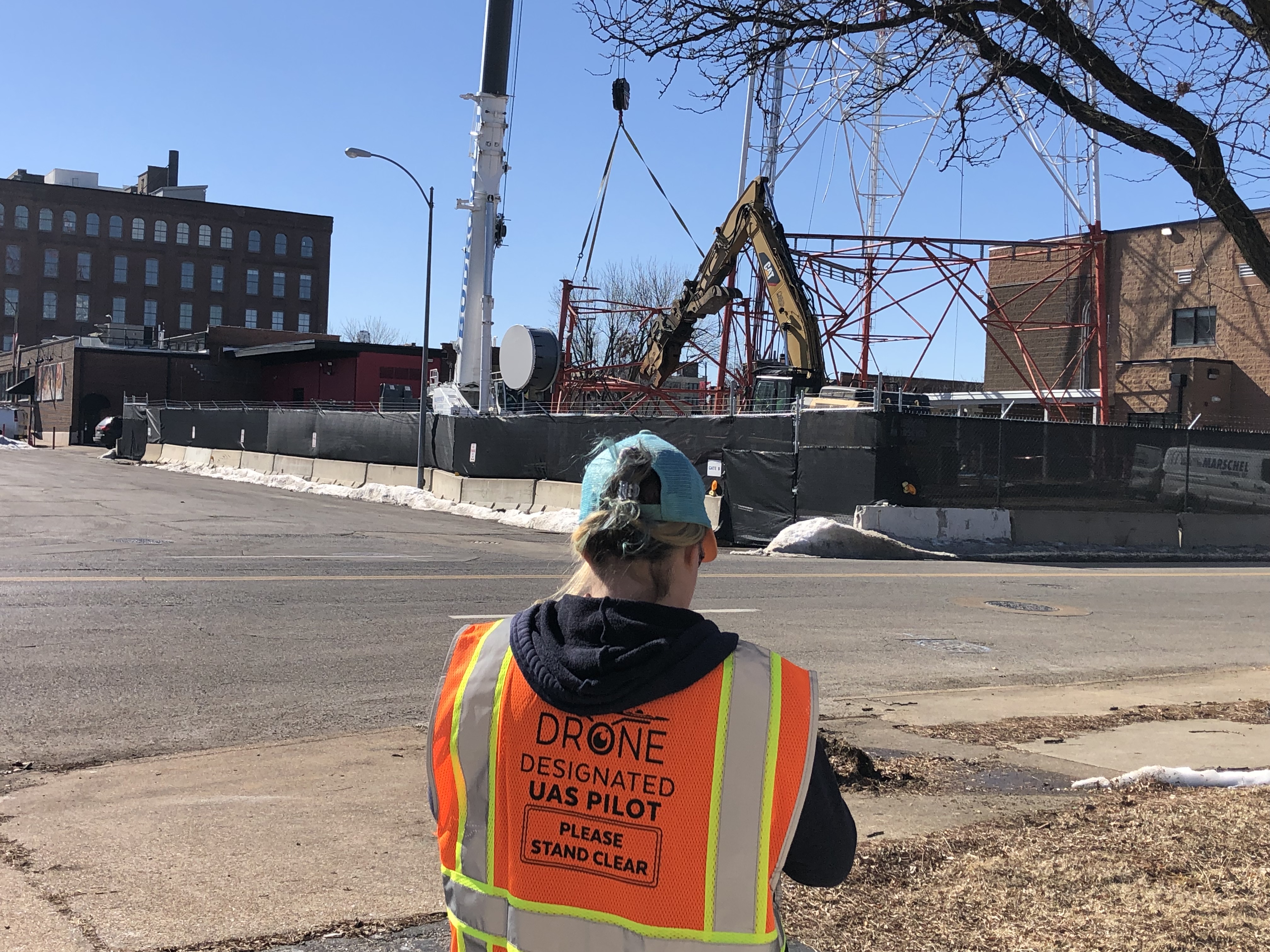
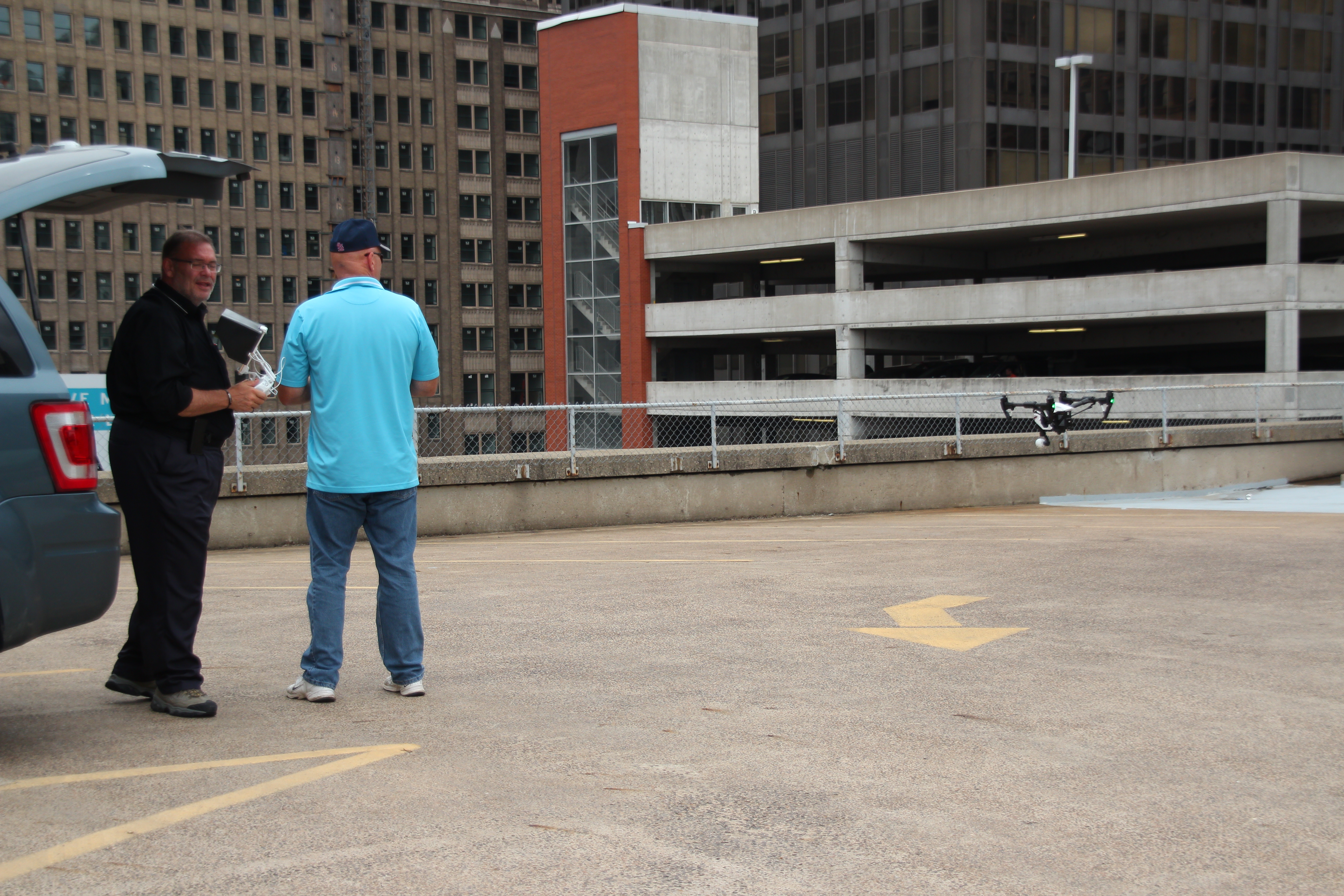
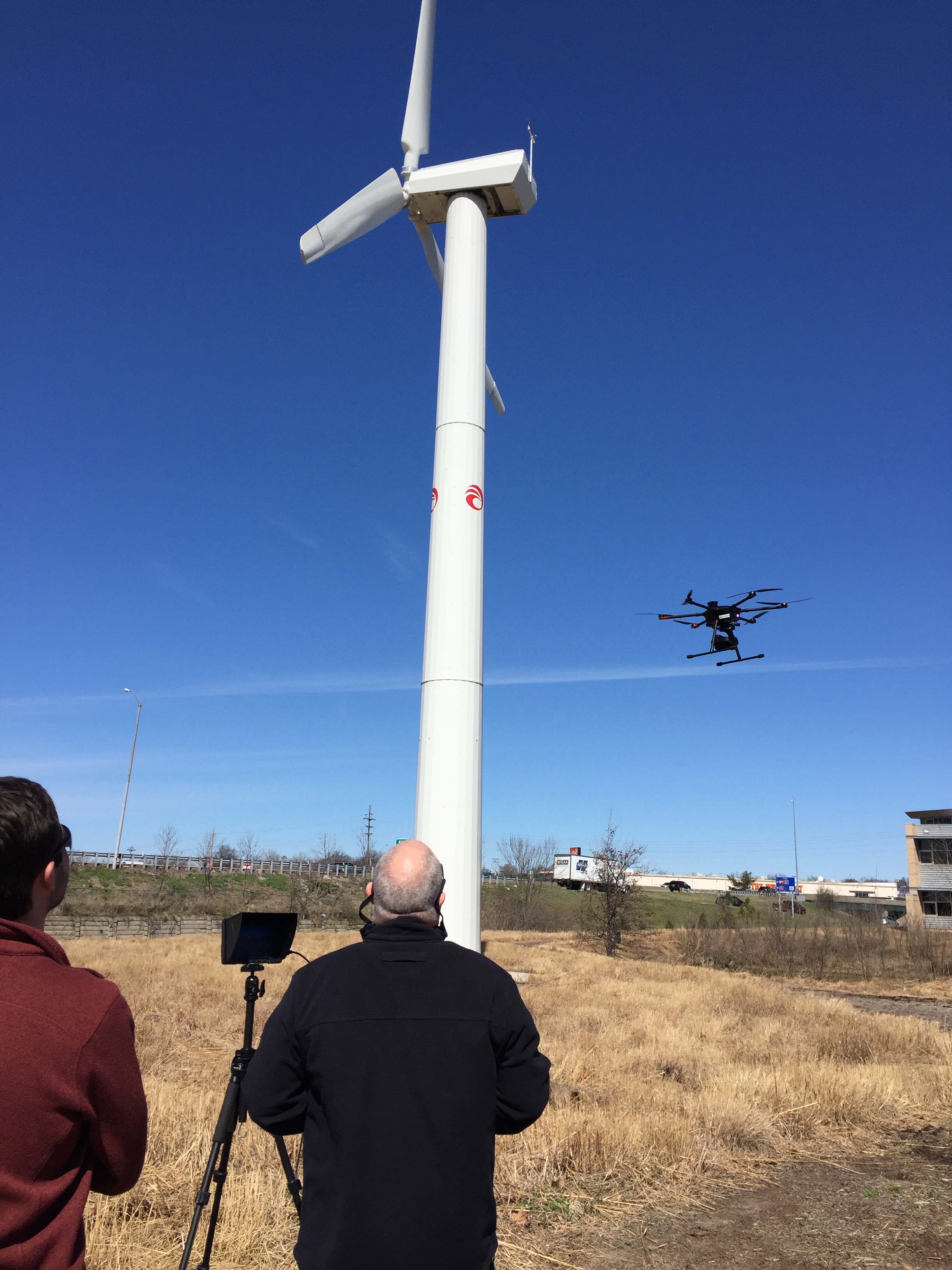
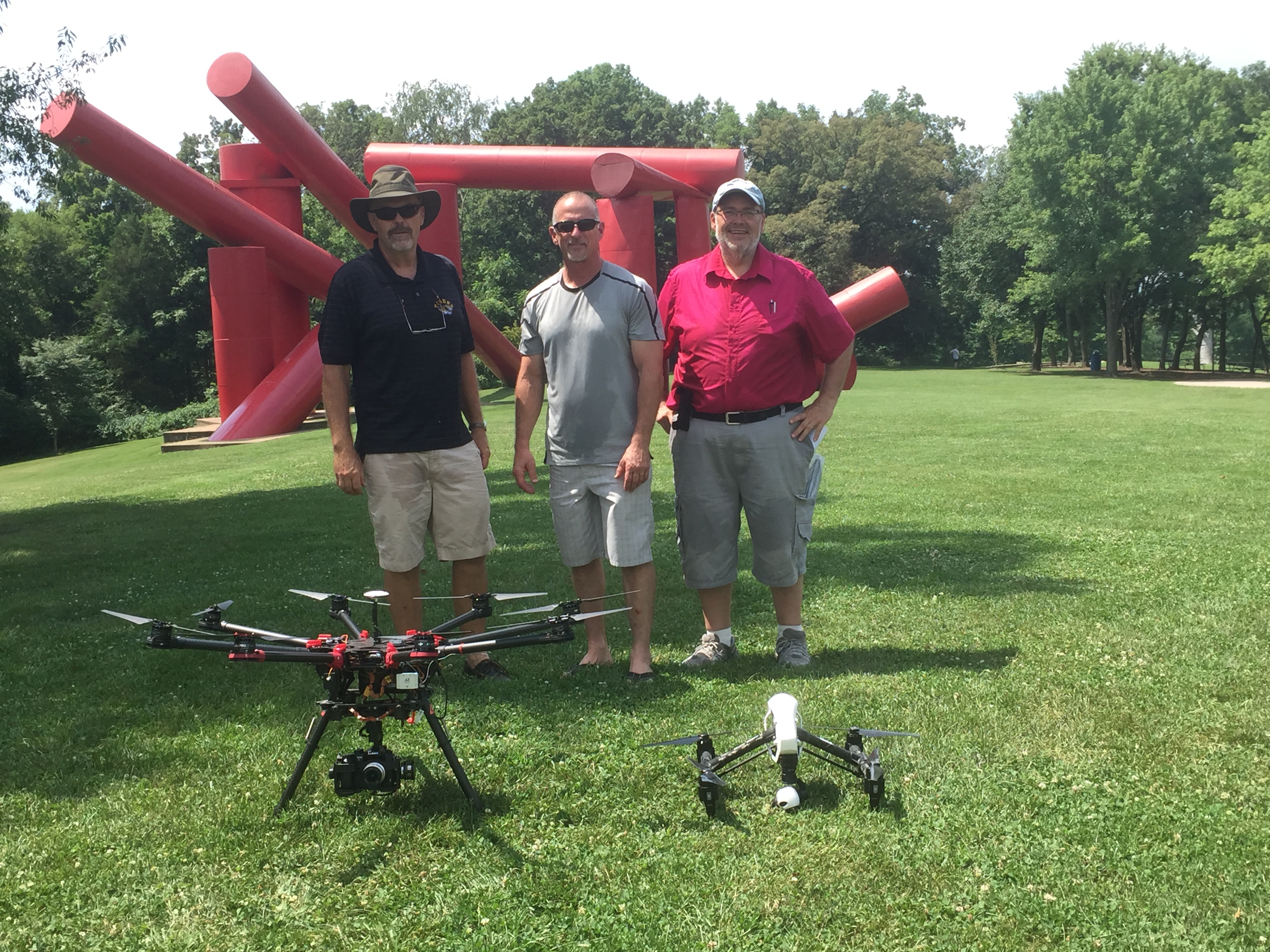
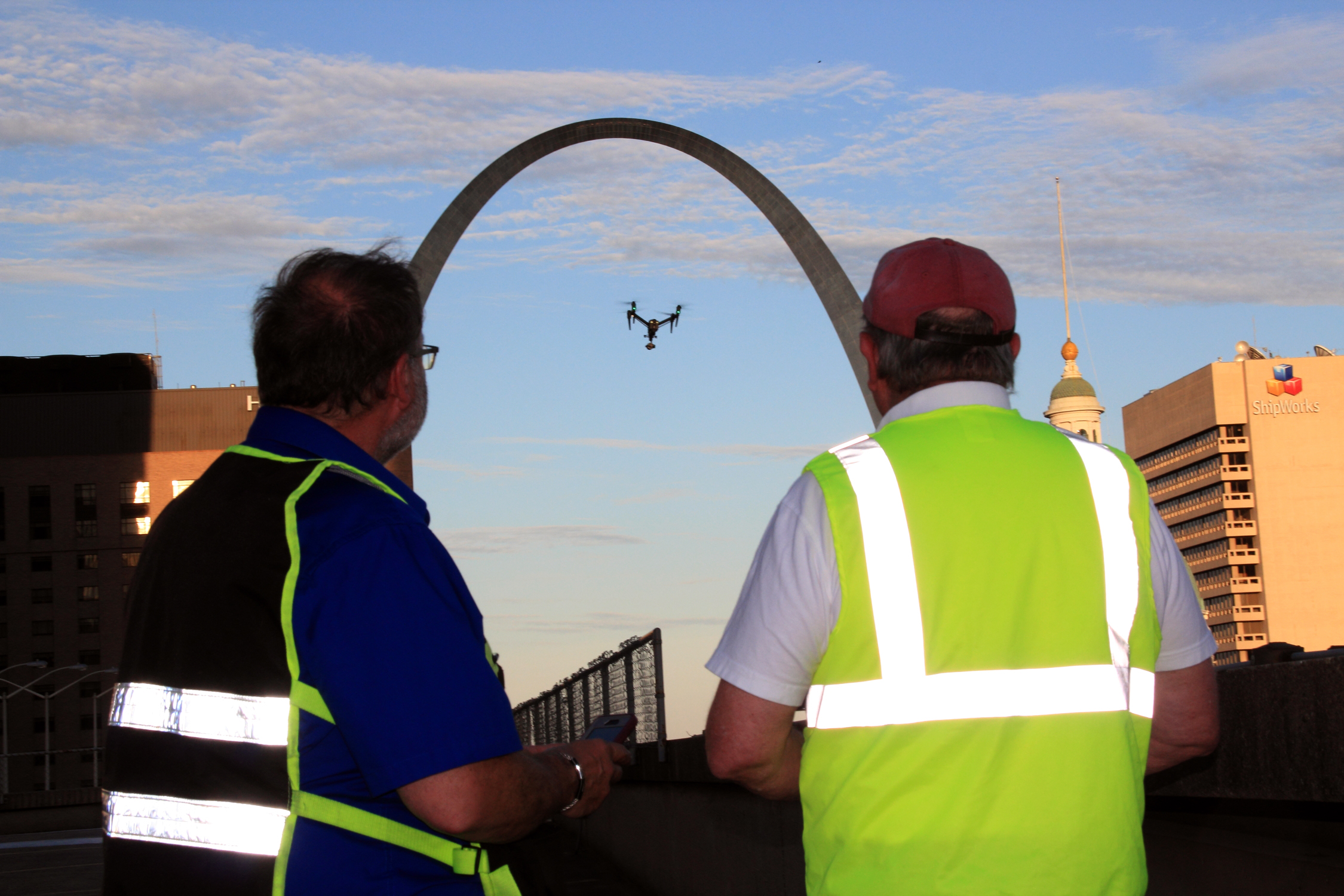
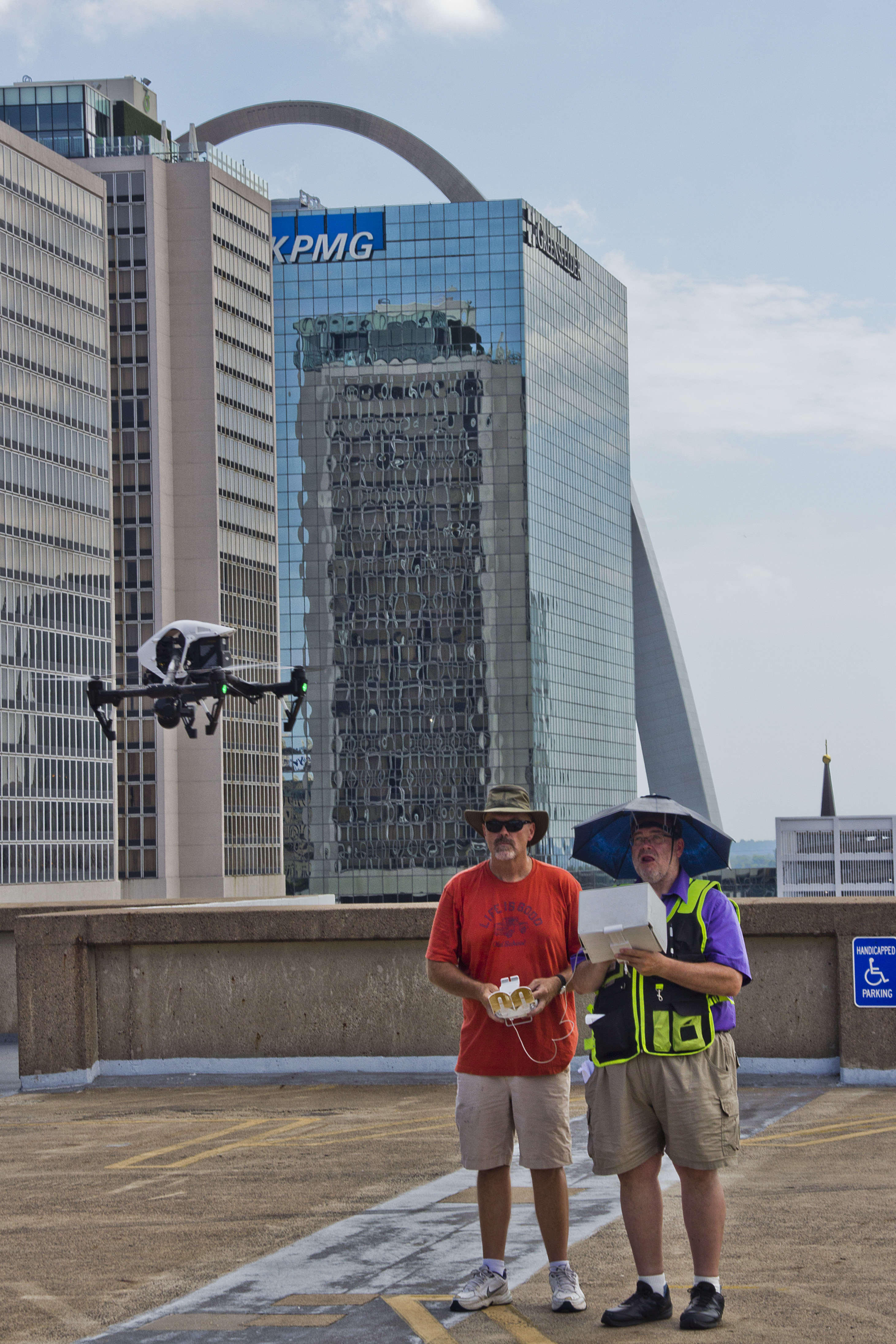
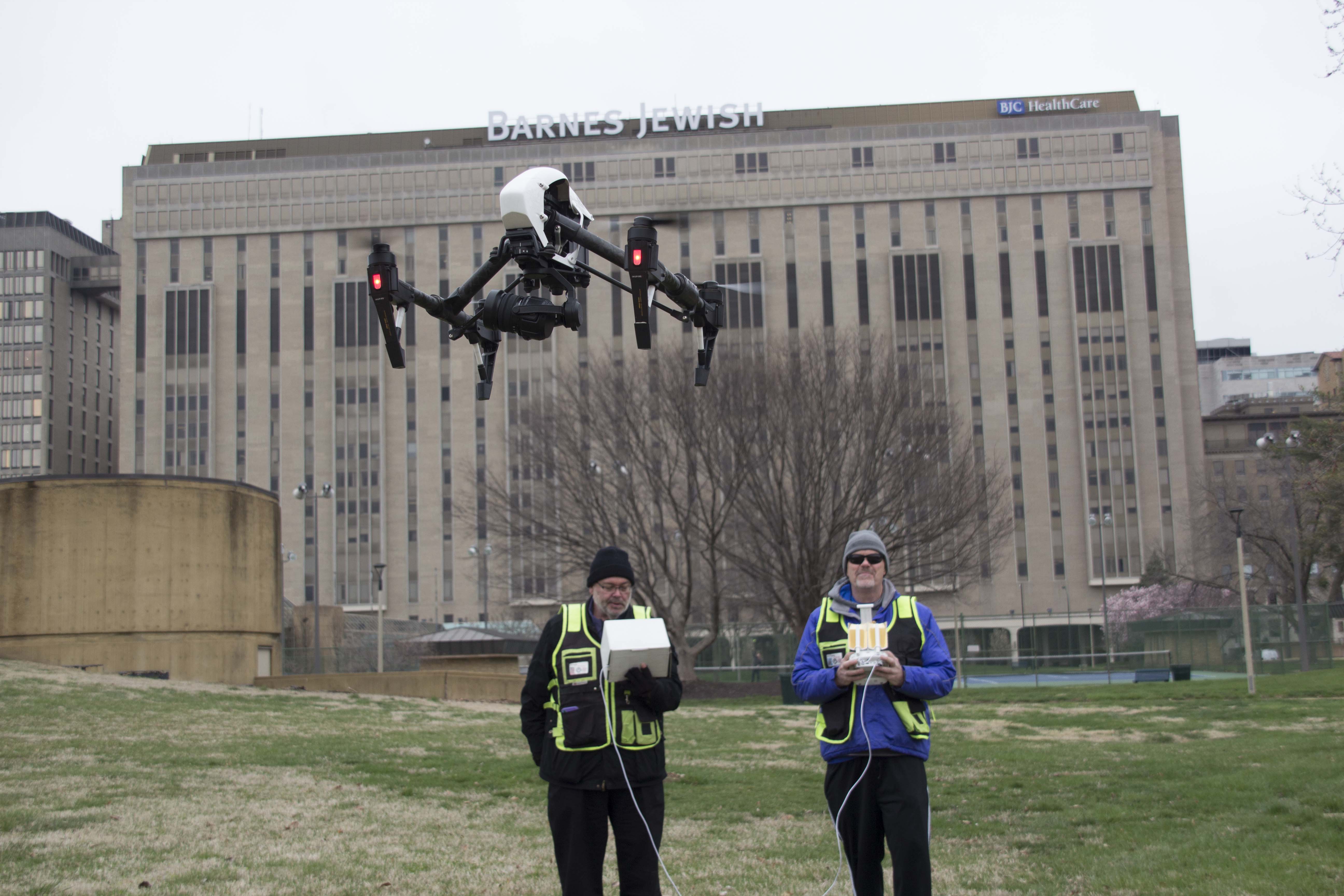
For businesses, agencies, municipalities, contractors, developers, and organizations, hiring a licensed drone pilot is not just a technical preference. It is a professional requirement.
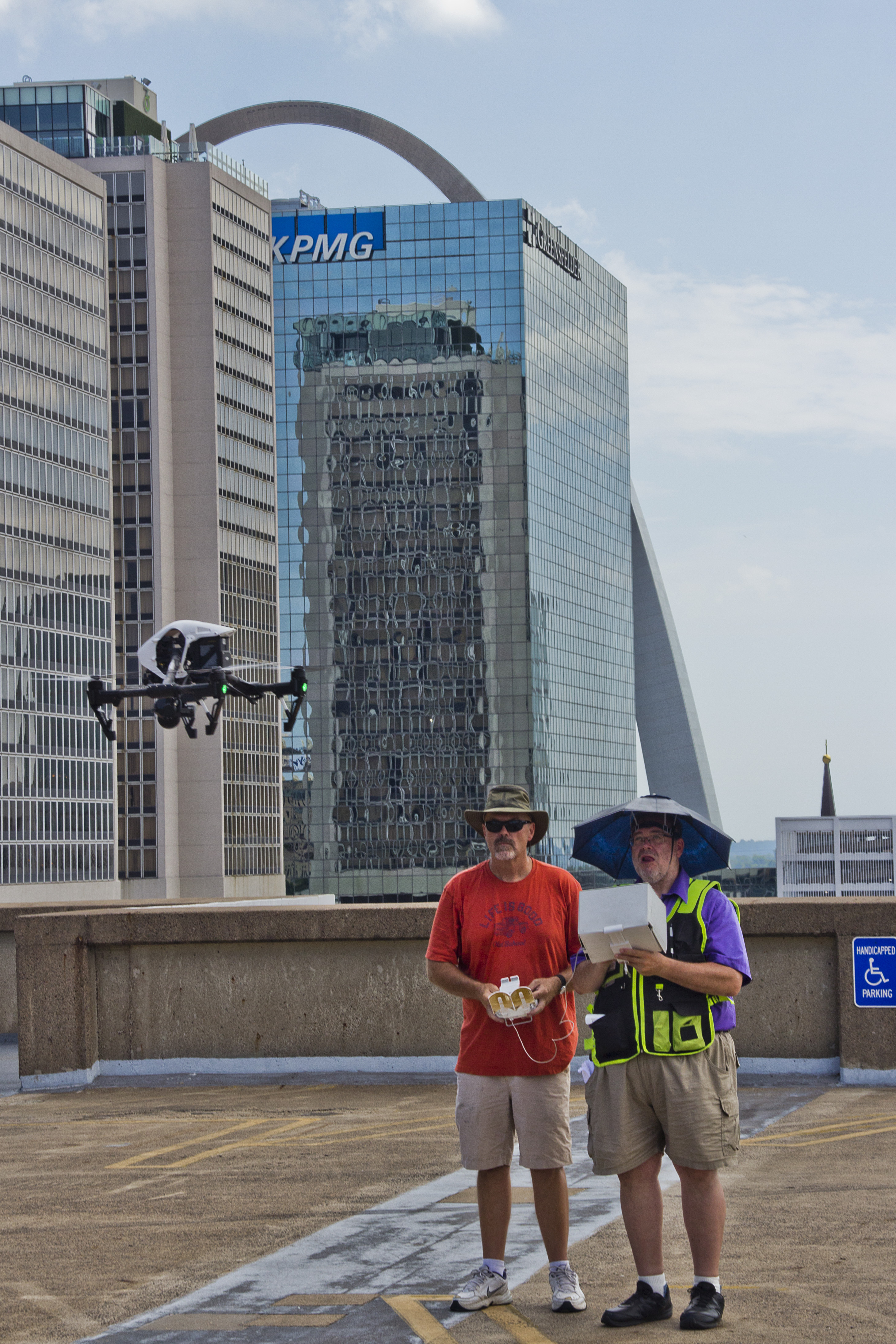
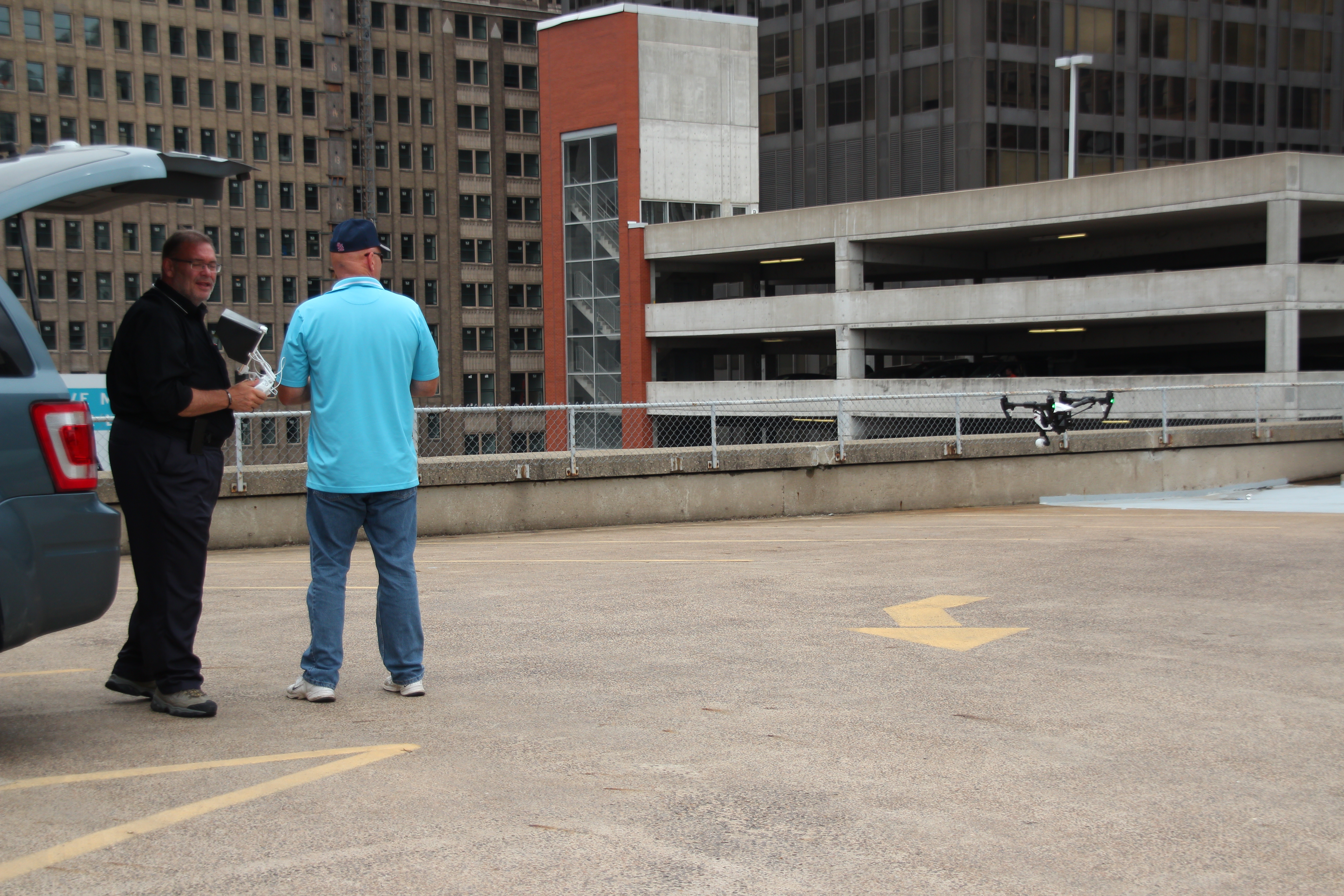
Commercial drone operations involve airspace rules, FAA requirements, weather evaluation, flight restrictions, property considerations, safety planning, and liability concerns. A licensed drone pilot understands how to evaluate whether a flight can be performed safely and legally. That includes checking airspace, assessing site conditions, identifying obstacles, maintaining visual line of sight, understanding altitude restrictions, and making sound decisions before and during flight.
An experienced drone pilot also knows when not to fly. Wind, rain, low visibility, nearby airports, power lines, heavy pedestrian traffic, reflective surfaces, active construction equipment, and tight urban environments can all affect the safety and success of a drone operation.
For decision makers, this matters because drone footage is often captured around valuable property, active business operations, employees, customers, vehicles, equipment, and public spaces. A professional pilot reduces risk while increasing the chances of capturing footage that is technically clean, visually strong, and usable in the final production.
The Importance of Insurance and Professional Accountability
Insurance is another key consideration when selecting a drone production provider. Commercial drone work can involve flying near buildings, rooftops, signage, vehicles, industrial equipment, construction zones, event venues, and large groups of people. Even when flights are carefully planned, professional accountability matters.
An insured drone production company gives businesses and agencies greater confidence that the project is being handled responsibly. It also reflects a professional approach to risk management. Drone work should not be treated casually, especially when the footage is being created for a business, institution, construction firm, real estate developer, healthcare organization, manufacturer, school, or public-facing campaign.
St Louis Video Studio understands that commercial clients need more than impressive-looking aerial shots. They need a production partner who respects safety, protects the client’s reputation, and understands the professional standards required on business and agency assignments.
Simple Aerial Projects Still Require Experience
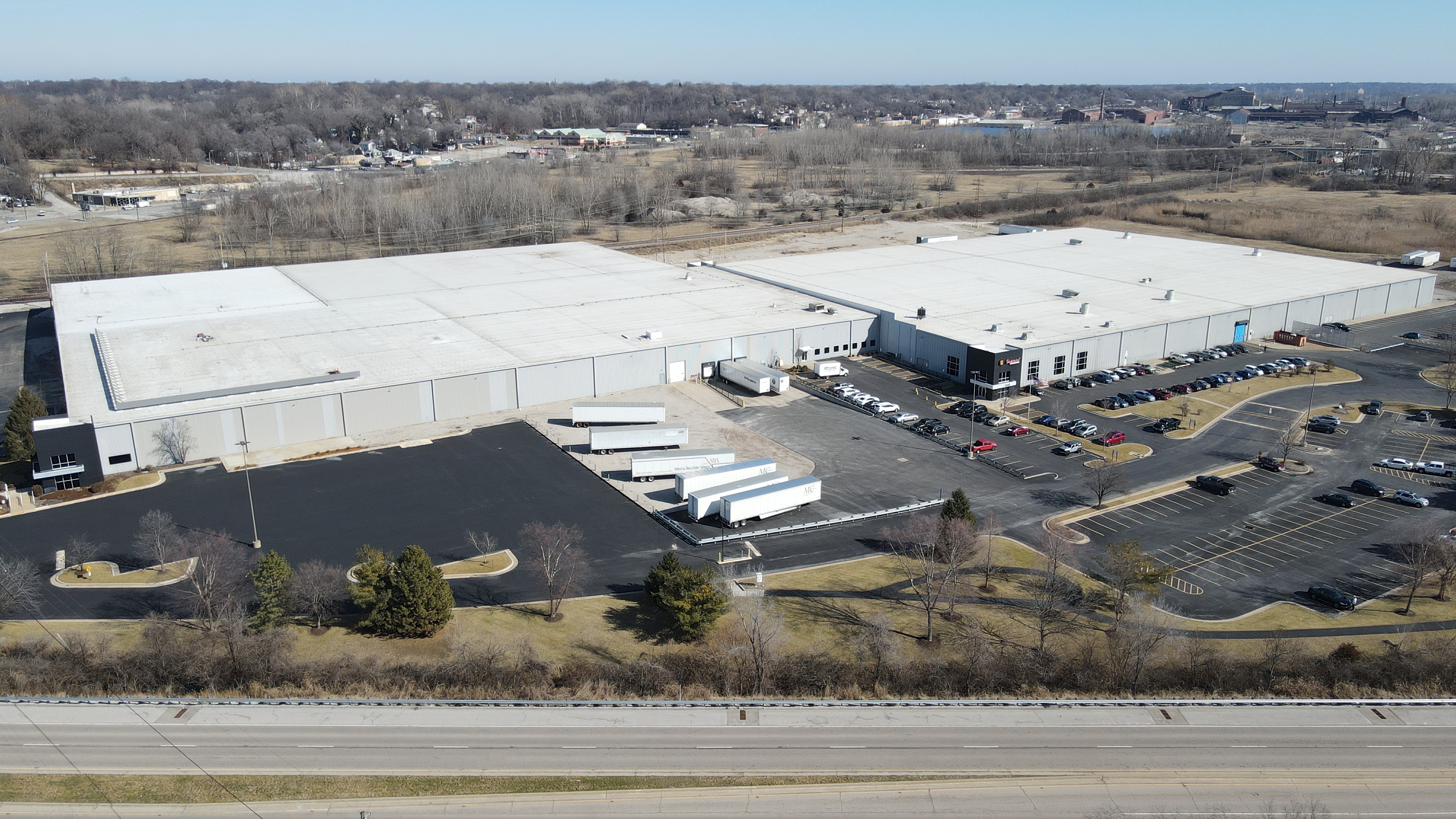
Many drone projects appear simple on the surface. A company may need an exterior shot of its building. A real estate team may need aerial views of a property. A contractor may need progress documentation. A marketing department may want a few aerial clips to add production value to a corporate video.
Even these straightforward assignments benefit from experience.
A skilled drone crew considers the best time of day, sun angle, shadows, wind direction, property access, flight path, background distractions, camera movement, framing, and how the footage will be edited. A simple exterior shot can be elevated by using the right approach, speed, altitude, and reveal. A building can look more substantial with the correct angle. A property can be made easier to understand with a thoughtful combination of wide shots, approaches, orbits, and detail views.
The goal is not to fly randomly and hope for something attractive. The goal is to capture purposeful footage that supports the message.
For example, an aerial establishing shot may be used in a website video, a social media campaign, a sales presentation, a recruiting piece, a trade show loop, or a corporate overview. When the footage is captured professionally from the beginning, it can be reused across multiple platforms and campaigns.
Advanced Drone Projects Require Technical Skill and Planning
Some aerial assignments require more than standard drone footage. Advanced projects may involve complex flight environments, technical imaging, data capture, mapping, inspection support, or specialized production techniques.
These projects can include:
Indoor FPV drone fly-throughs
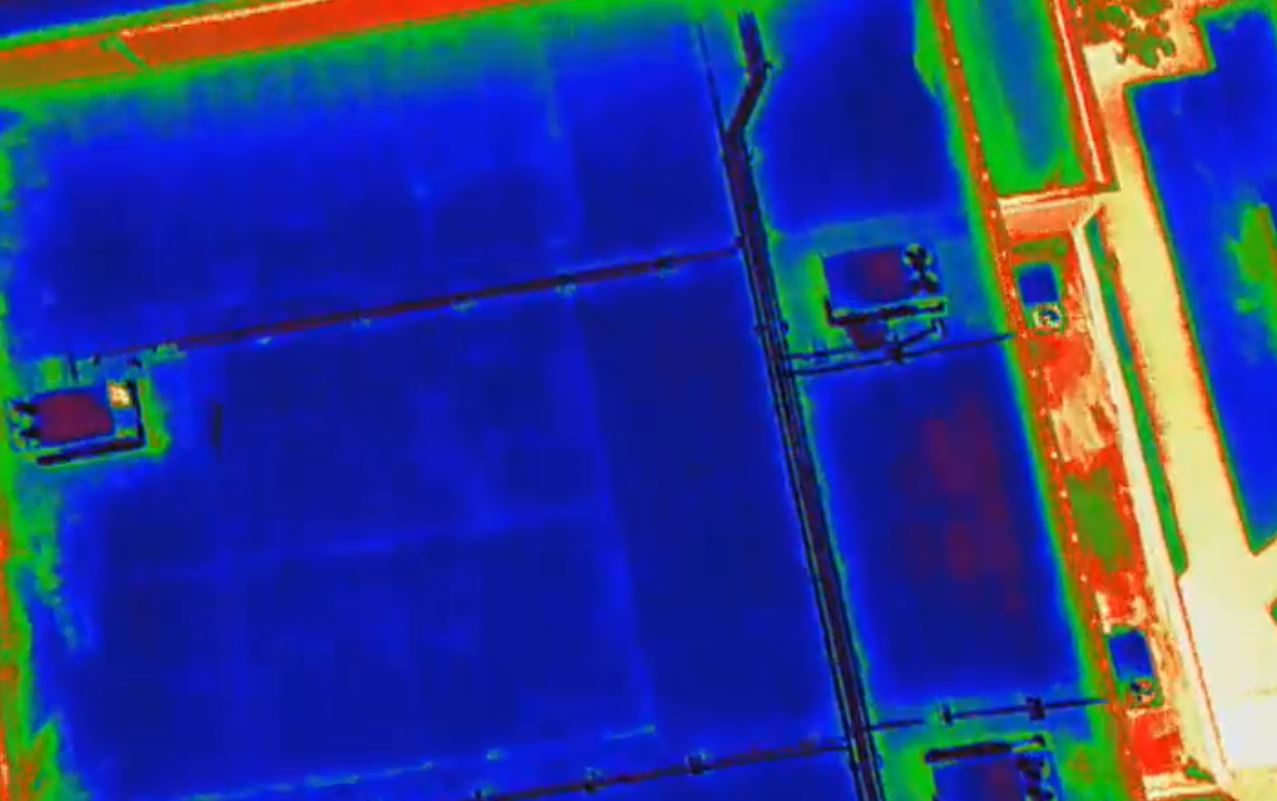
Infrared thermal drone imaging
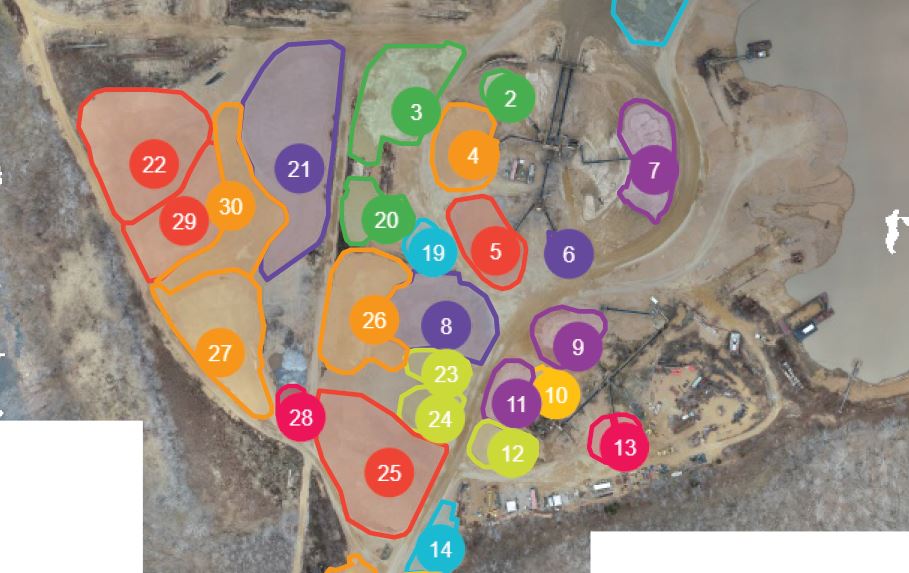
Orthomosaic mapping
LiDAR capture
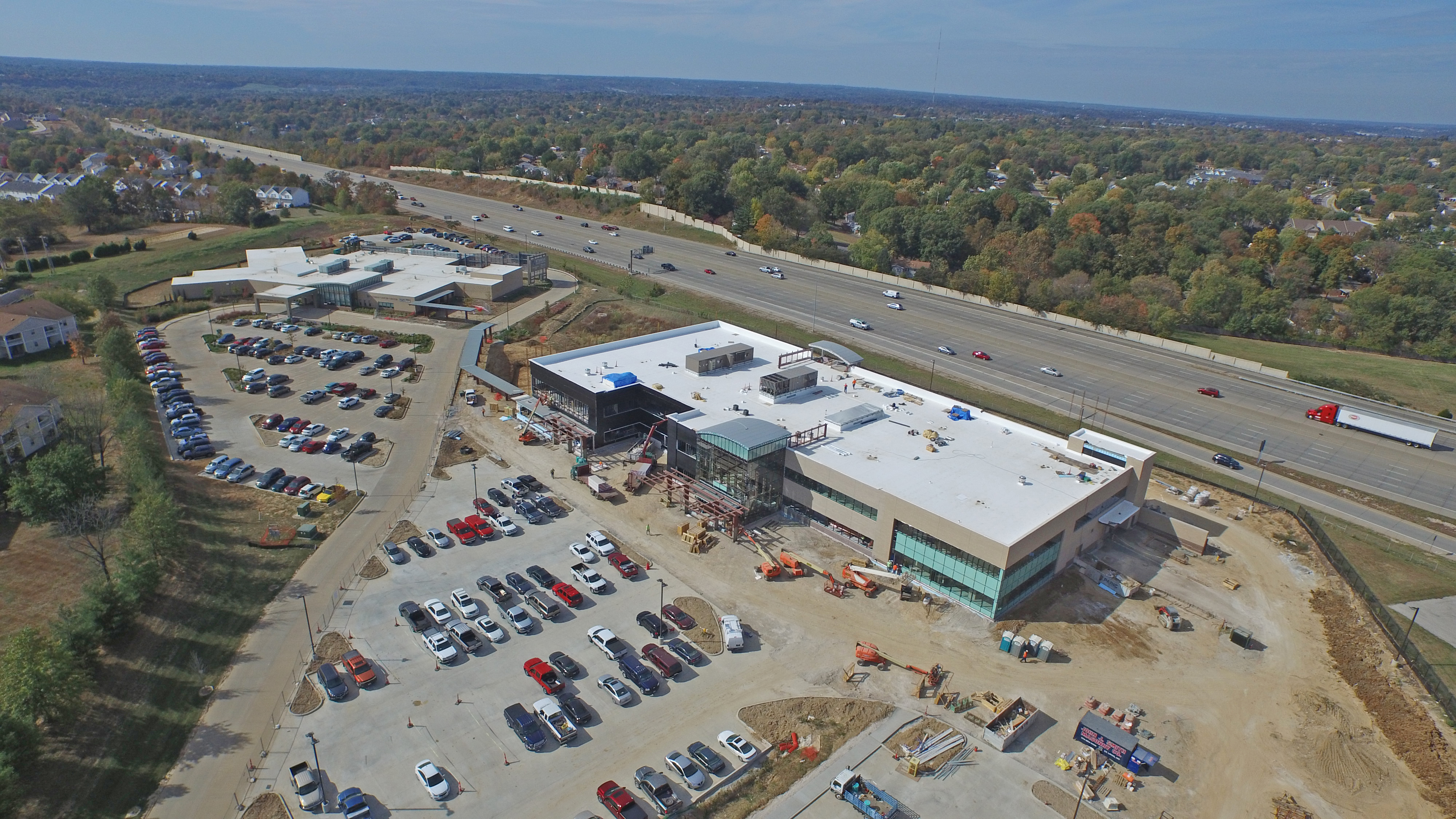
Construction progress documentation
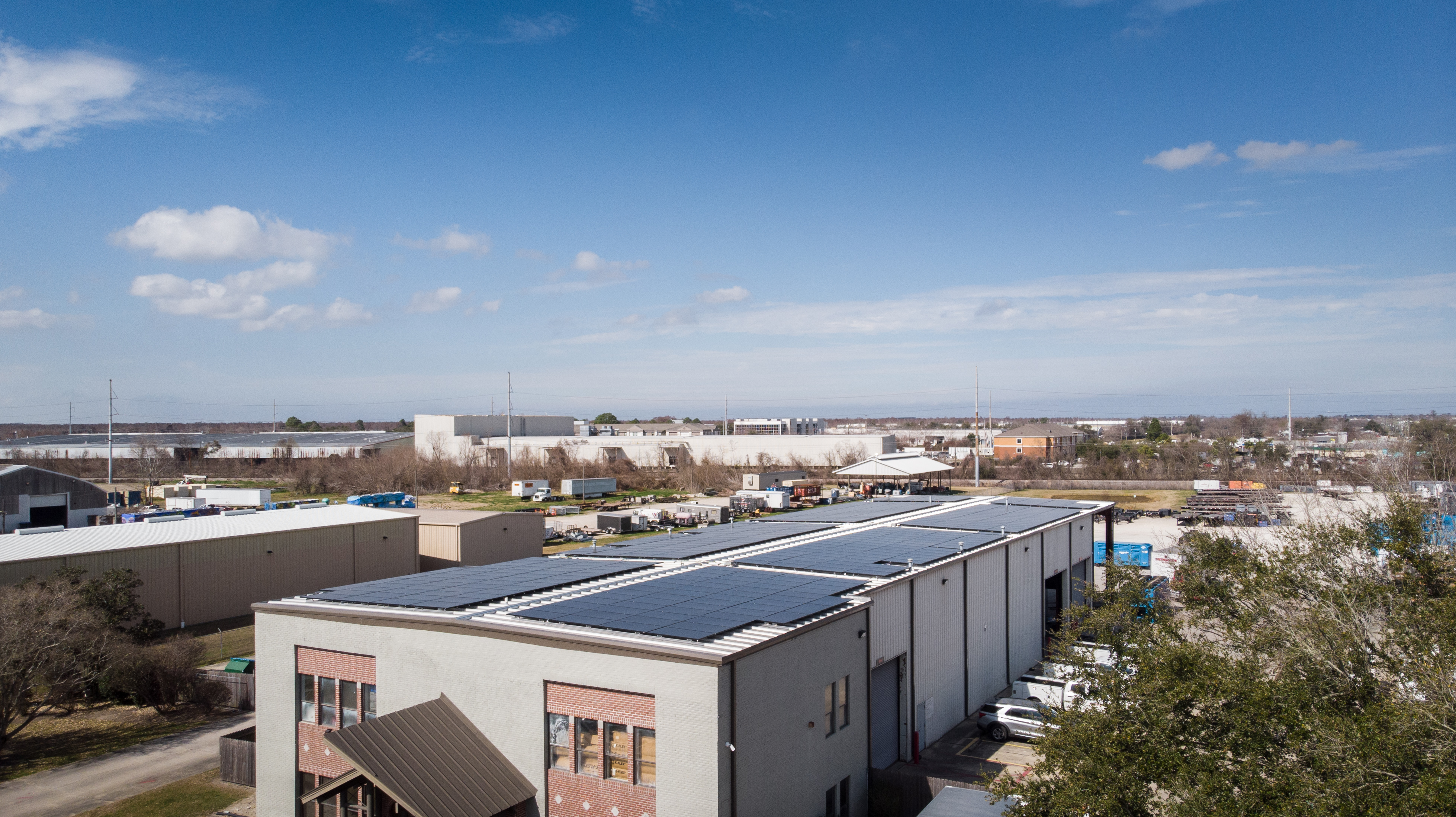
Commercial roof inspection support
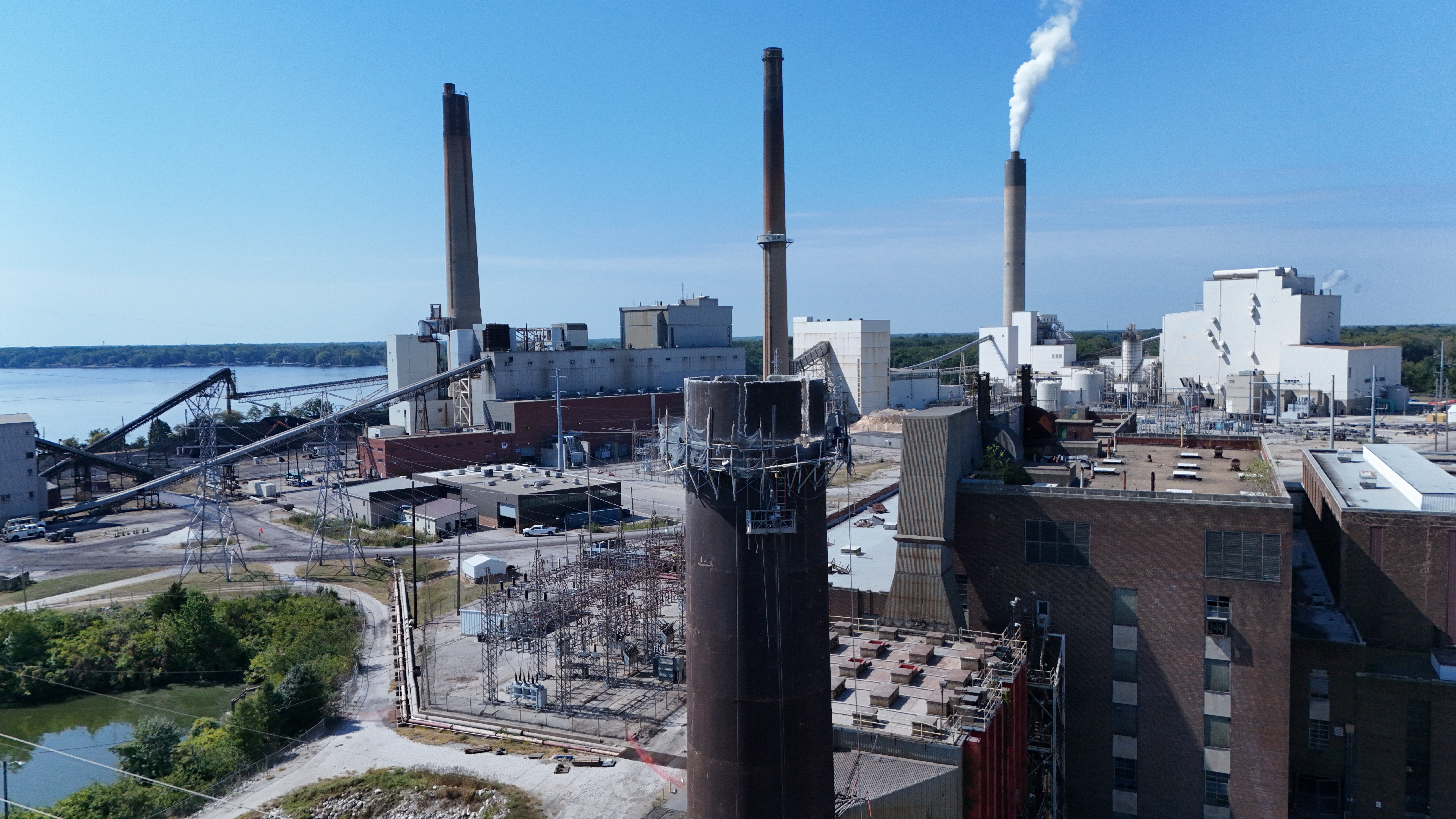
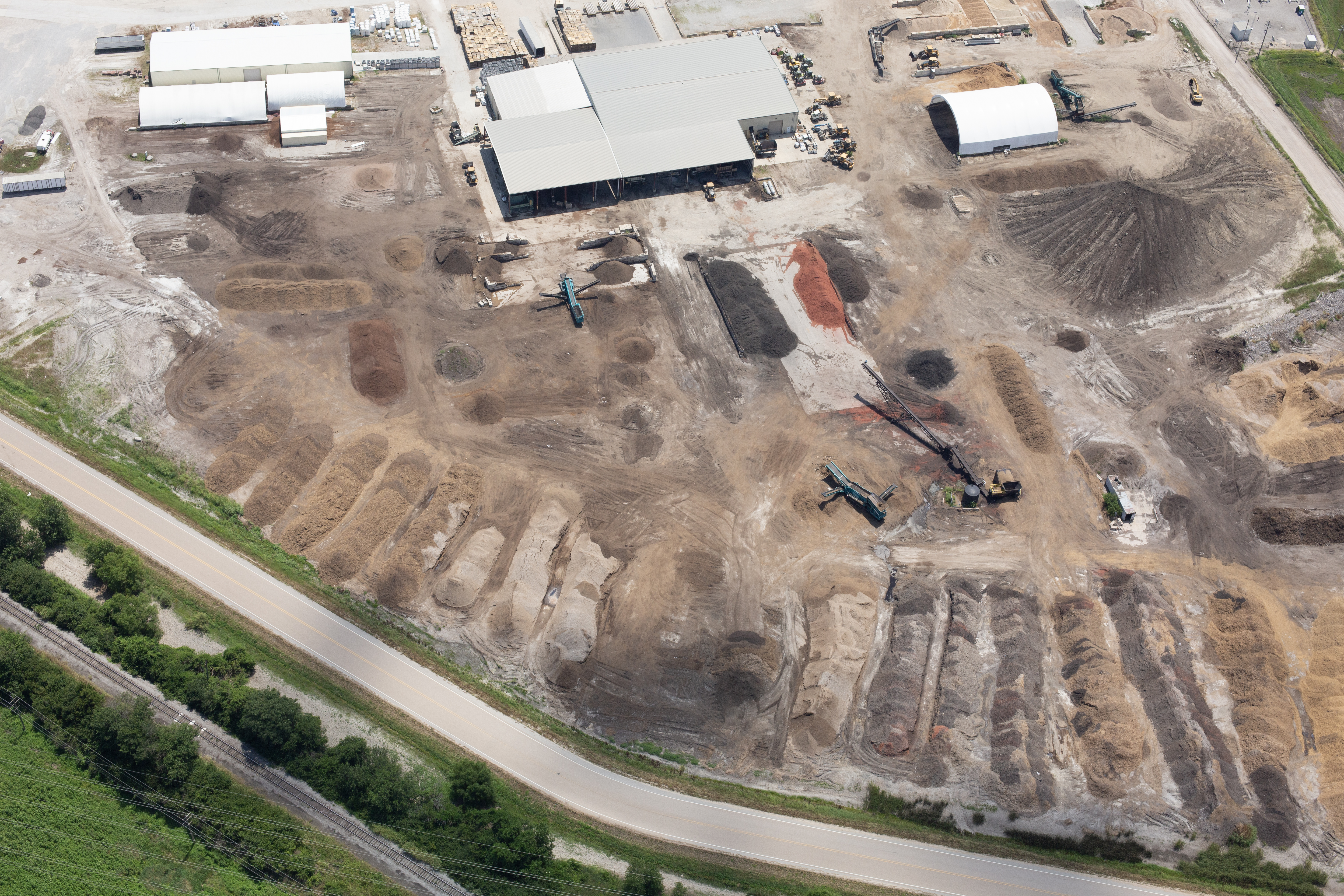
Industrial site imaging
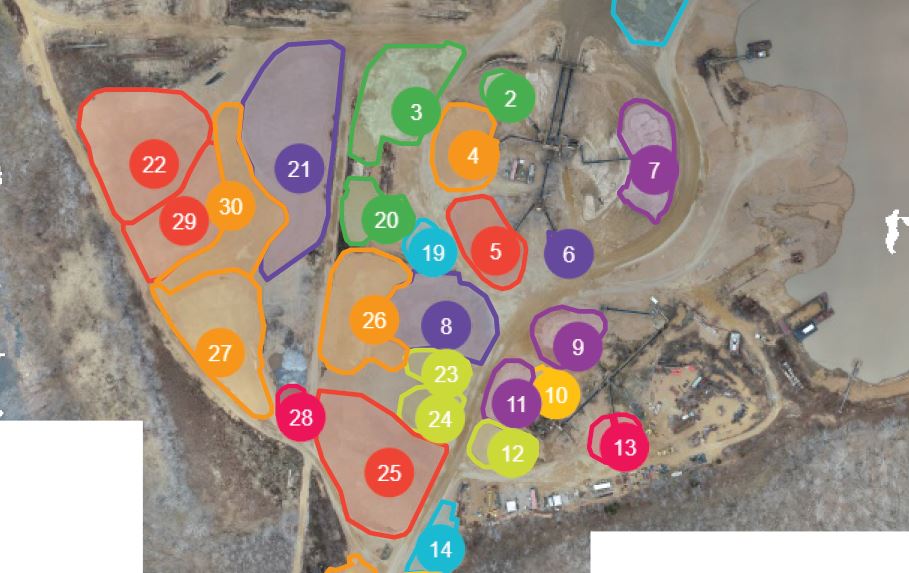
Large property surveys
Facility overview videos
Event aerial coverage
Real estate and development documentation
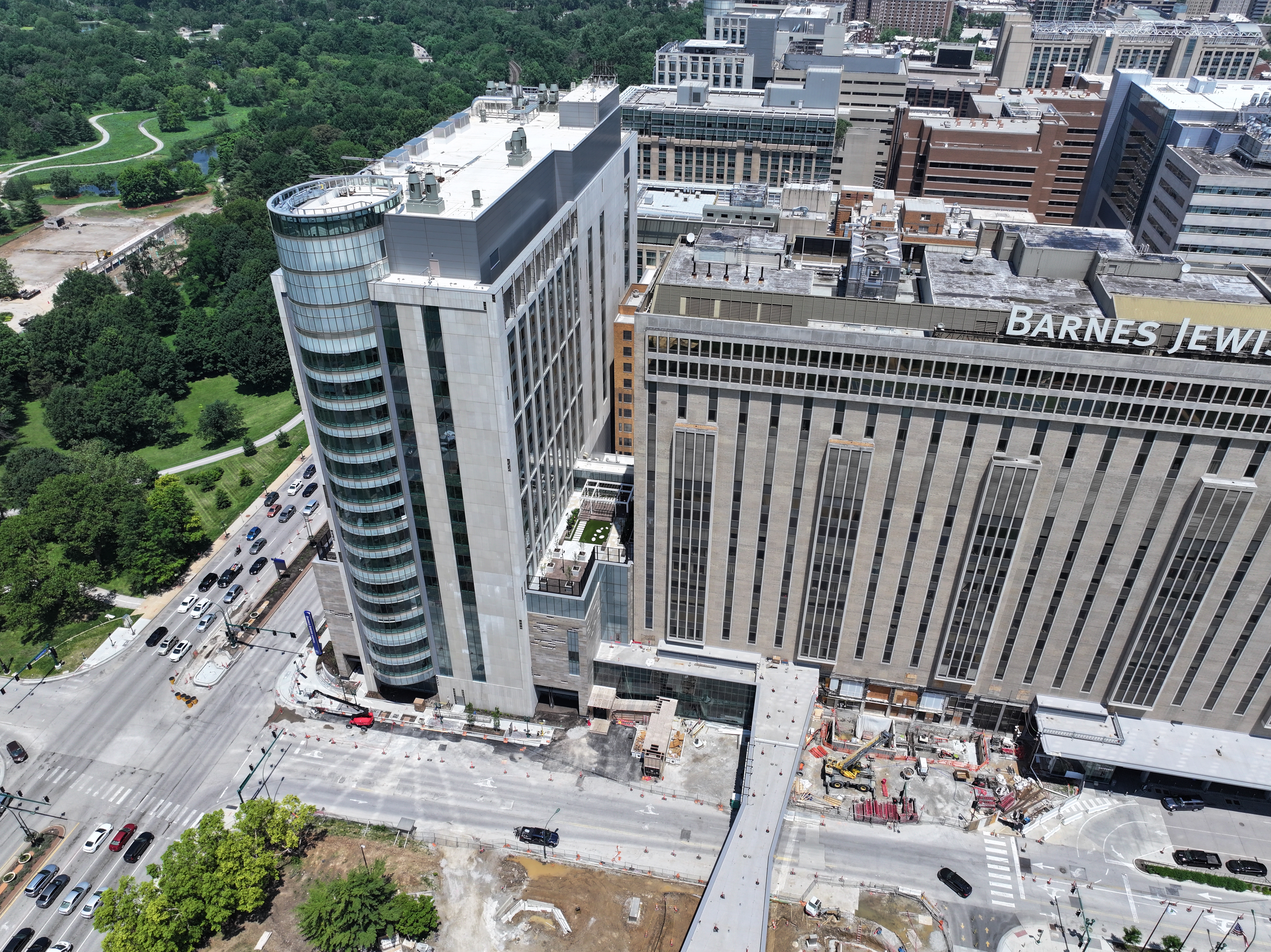
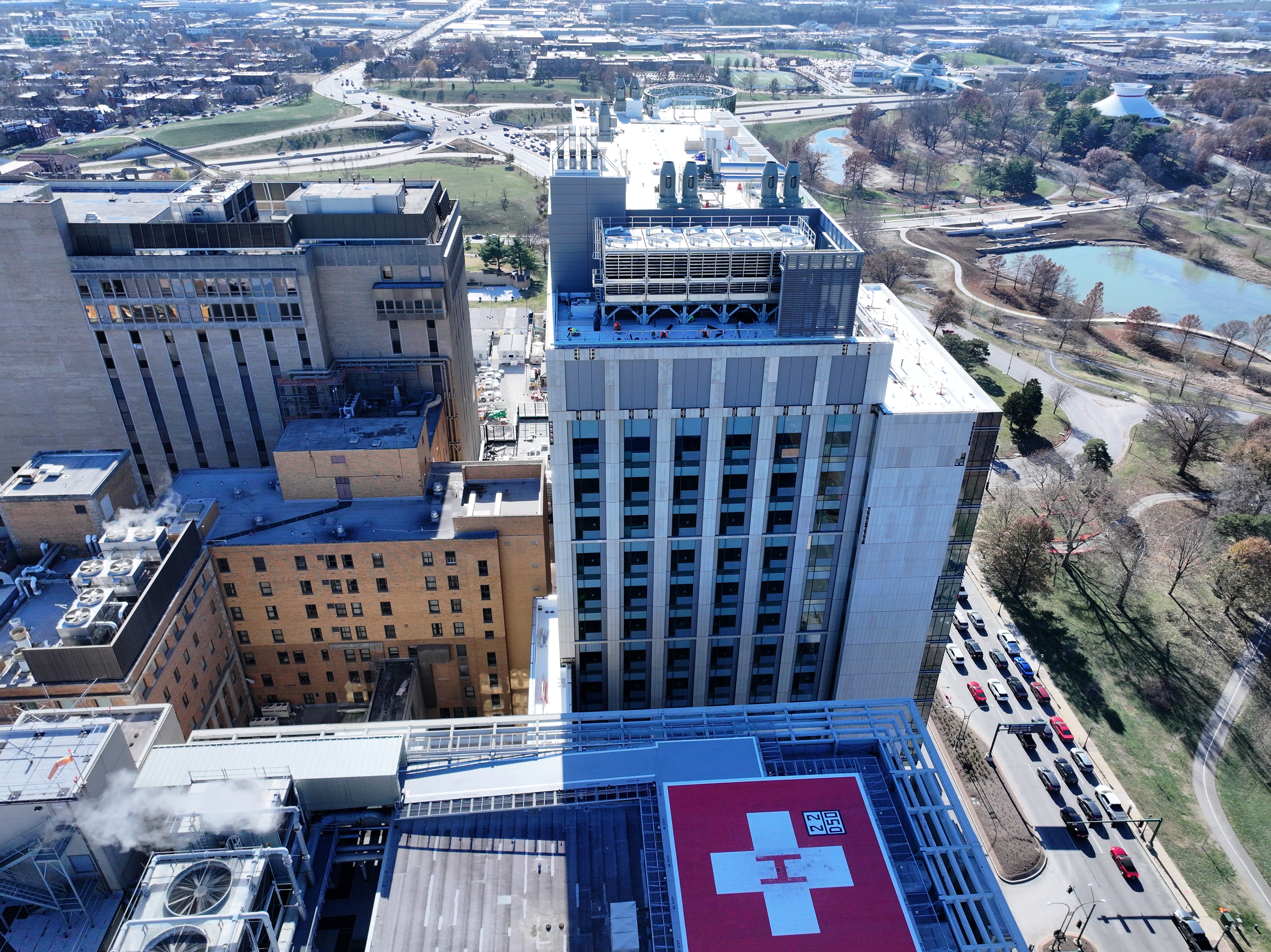
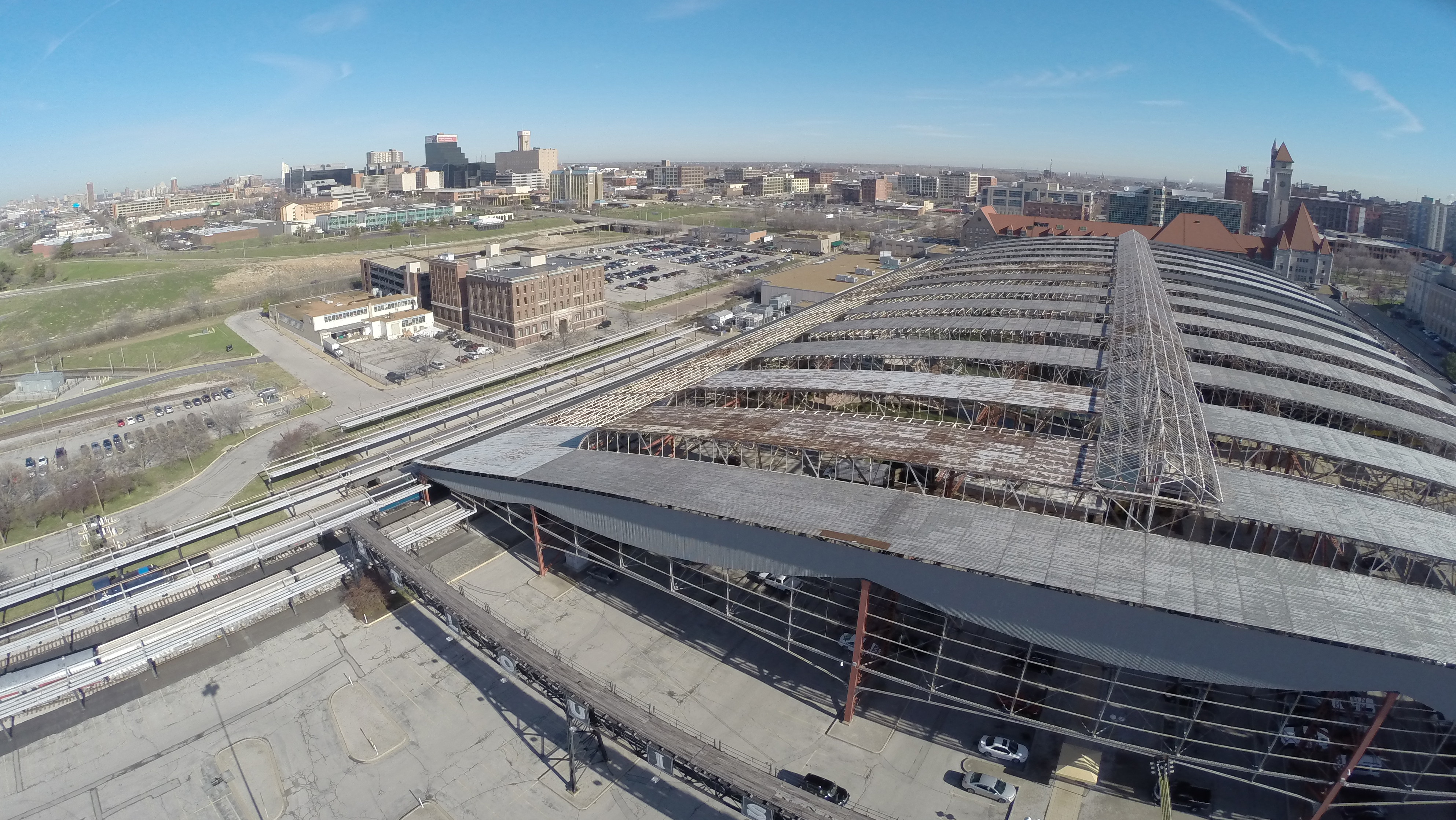
Campus, hospital, school, and corporate location videos
B-roll acquisition for larger productions
Advanced aerial projects demand a production team that understands both drone operation and the broader purpose of the imagery. The footage may need to support marketing, planning, documentation, safety review, engineering coordination, stakeholder updates, investor presentations, recruitment, public relations, or internal communications.
This is where St Louis Video Studio’s full-service production experience becomes valuable. We understand how aerial visuals fit into a larger communication strategy.
As decision-makers in photography, marketing, and video production, you are constantly seeking innovative tools to gain a competitive edge and make more informed strategic choices. In today’s data-driven landscape, advanced drone technology, specifically equipped with LIDAR and Thermal imaging sensors, has emerged as a game-changer across numerous industries, providing unparalleled visual and structural information.
LIDAR Drones: Creating Precise 3D Worlds
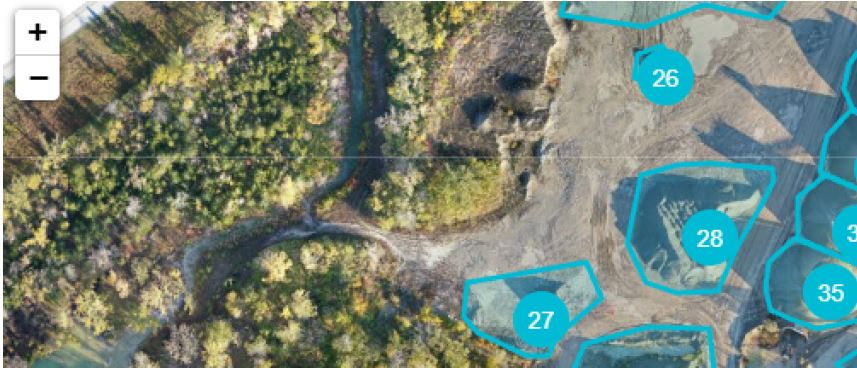
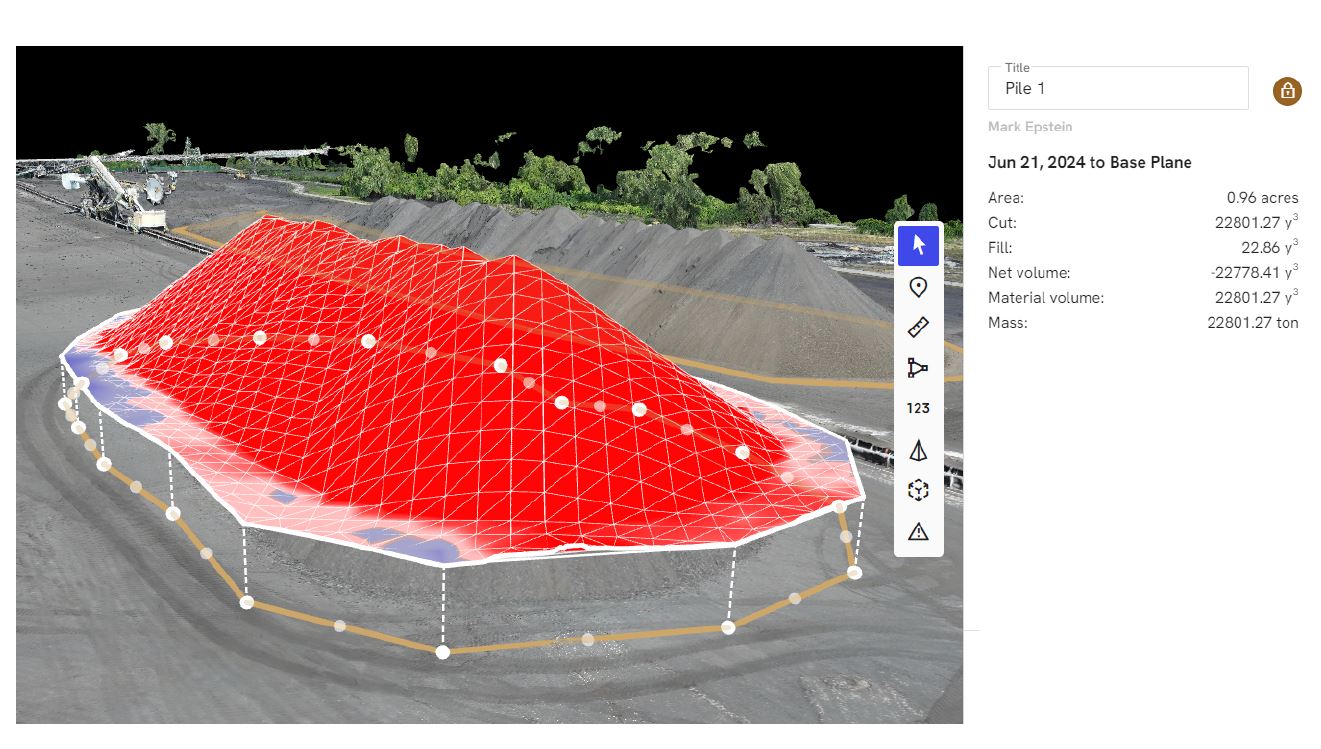
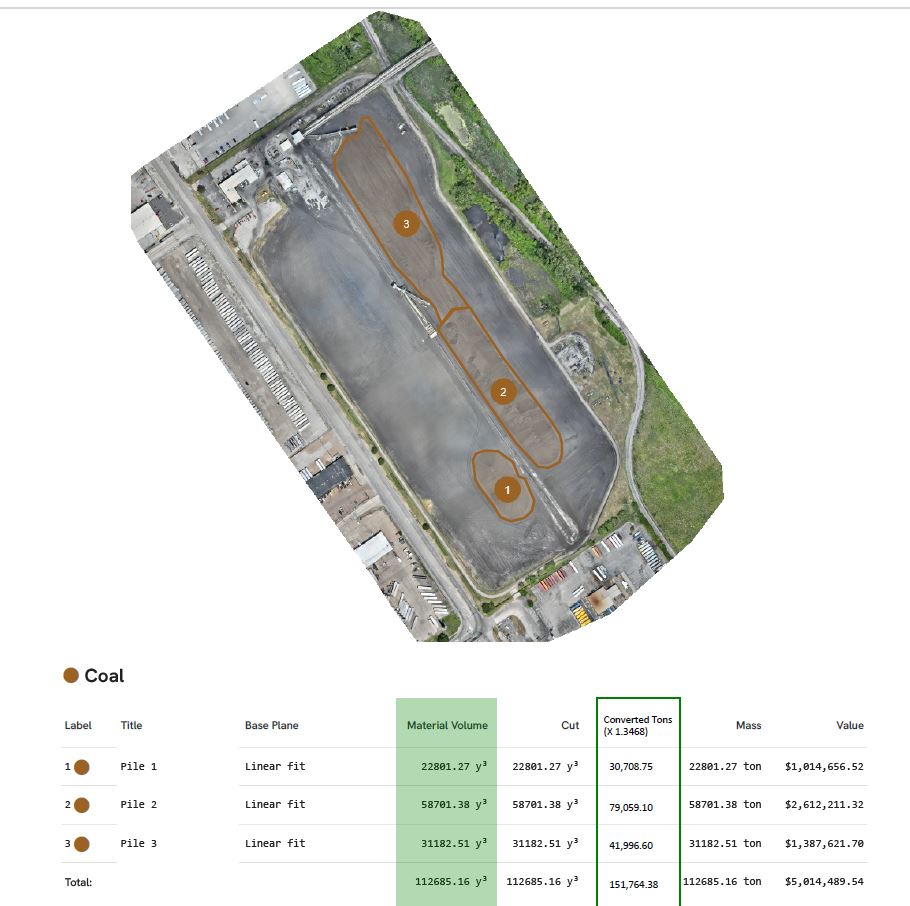
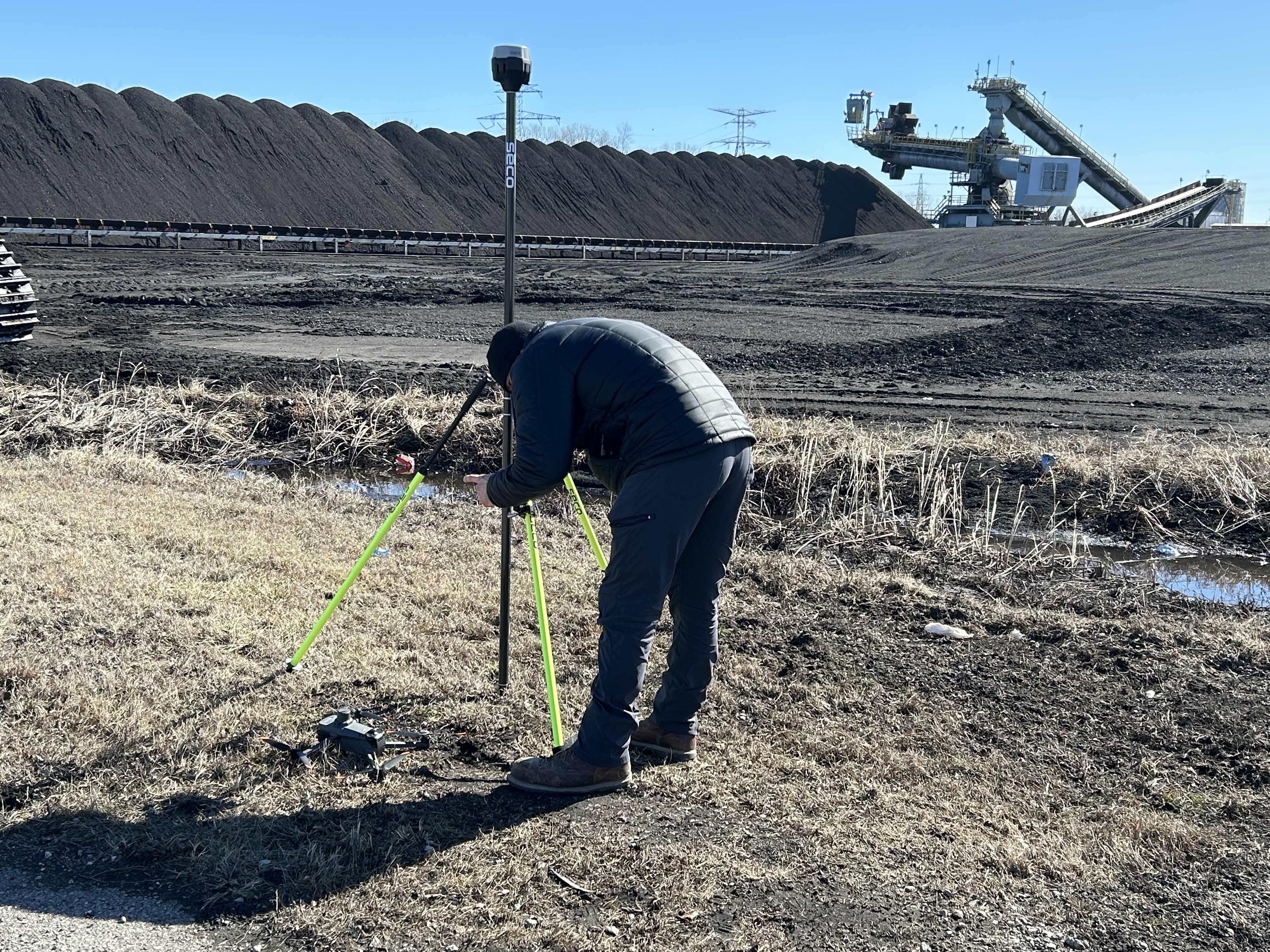
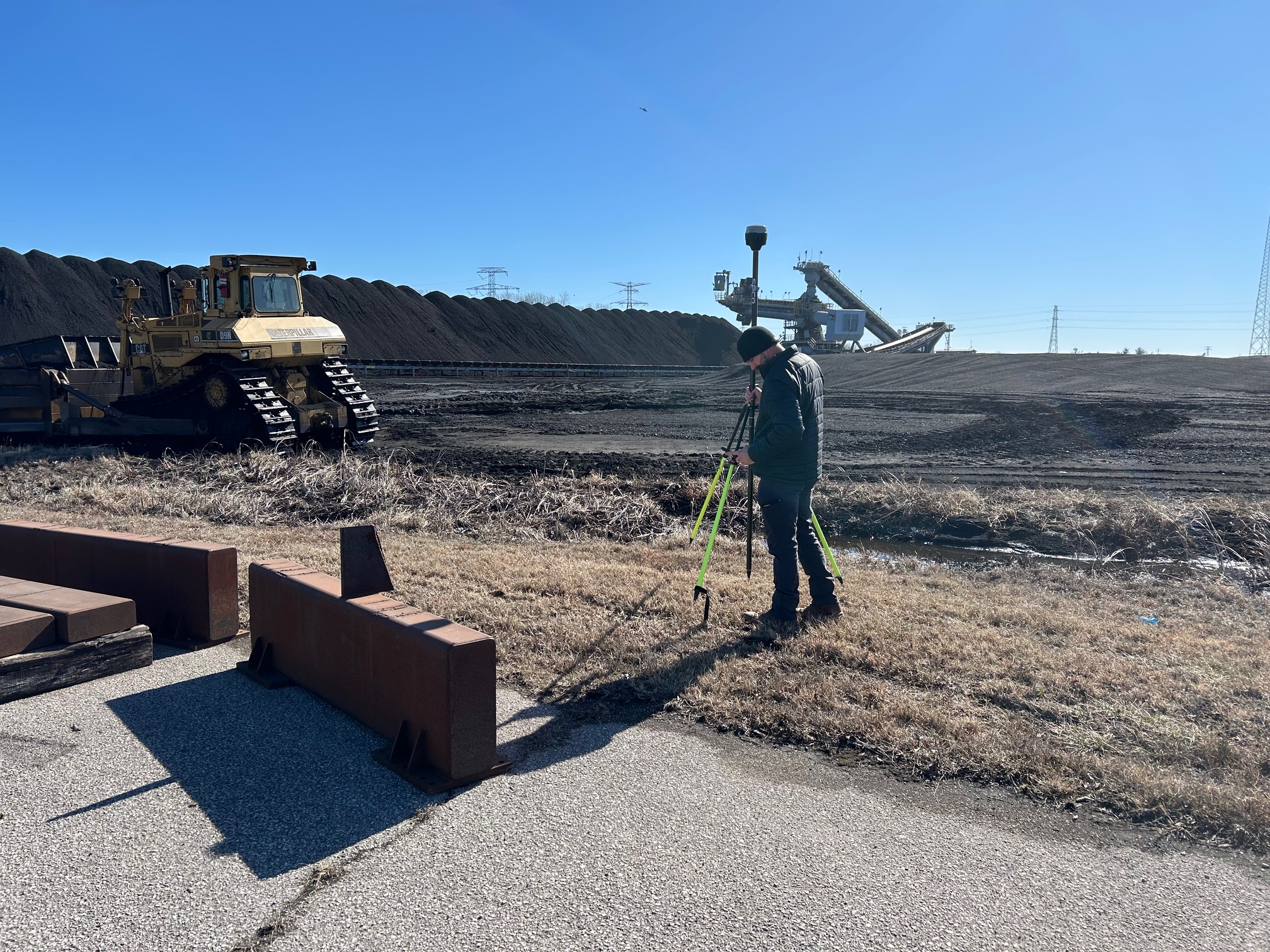
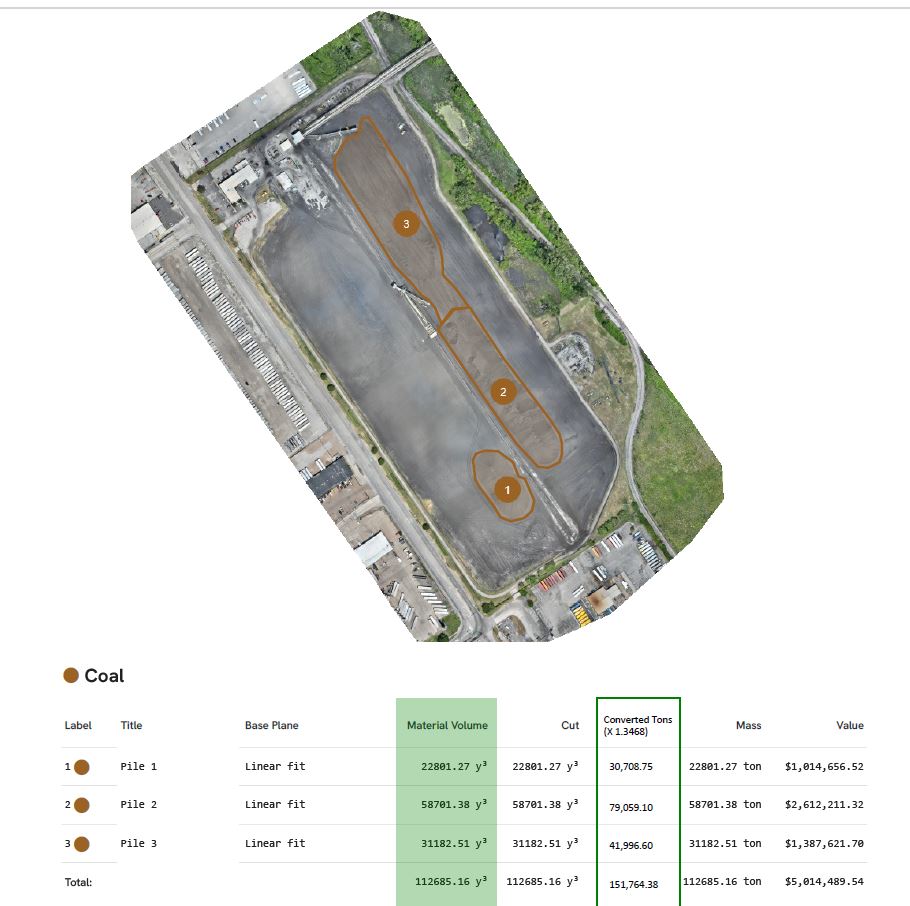
LIDAR, an acronym for Light Detection and Ranging, uses rapid laser pulses to map the environment in three dimensions. While conventional aerial photography captures a visual representation, LIDAR creates a dense “point cloud” that accurately measures distances and shapes. For businesses, this translates to incredibly precise topographic maps, detailed 3D models of infrastructure, and accurate volumetric calculations for stockpiles or construction materials.
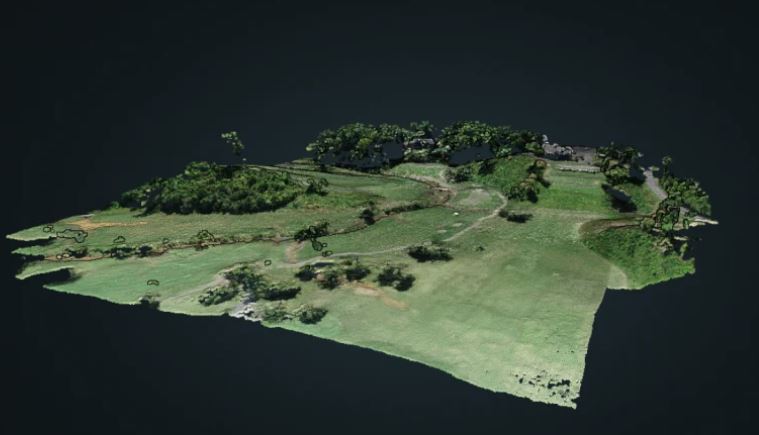
Imagine being able to survey vast or challenging terrains in a fraction of the time and cost compared to traditional ground methods. LIDAR can penetrate vegetation, revealing the true ground surface, which is invaluable for pre-construction planning, flood modeling, and forestry management. For infrastructure maintenance, LIDAR scans can detect subtle structural changes over time, allowing for proactive repairs and enhanced safety protocols.
Thermal Imaging Drones: Seeing Heat Signatures
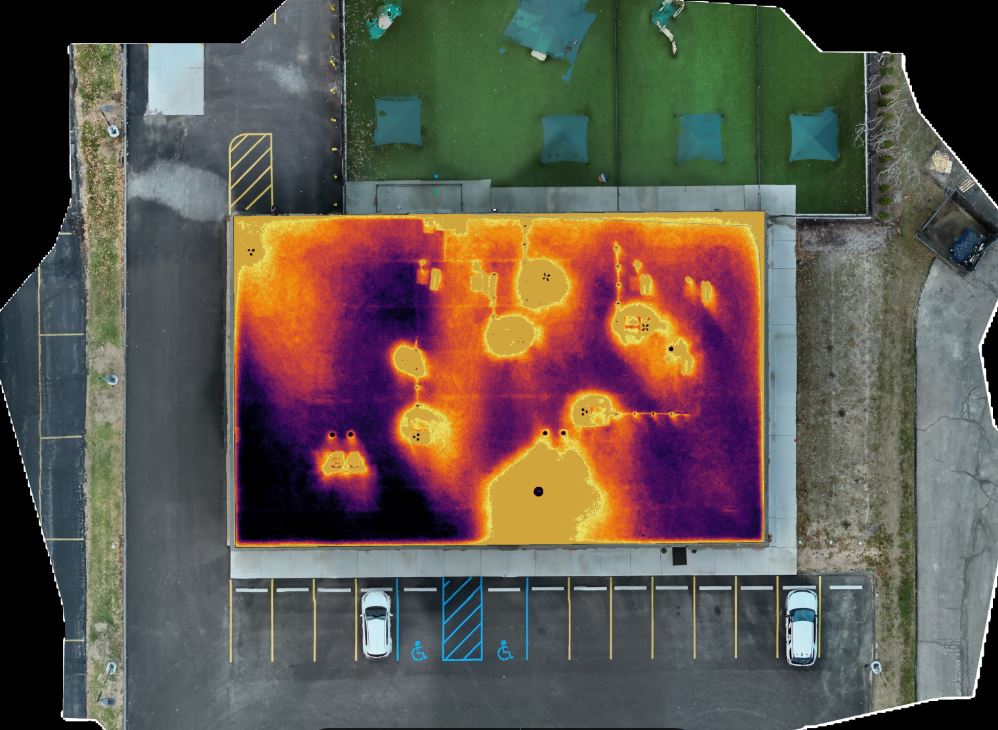
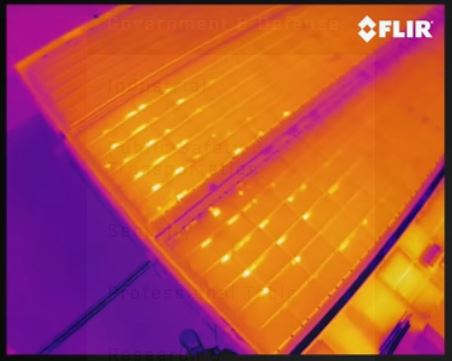
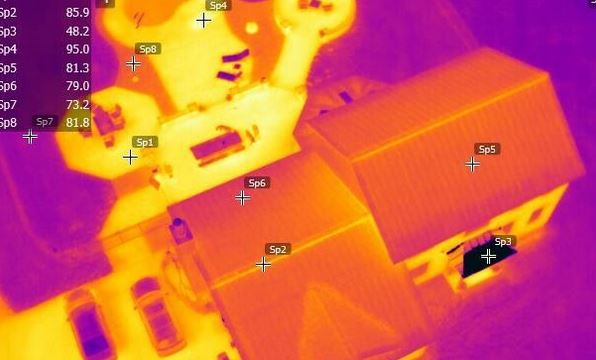
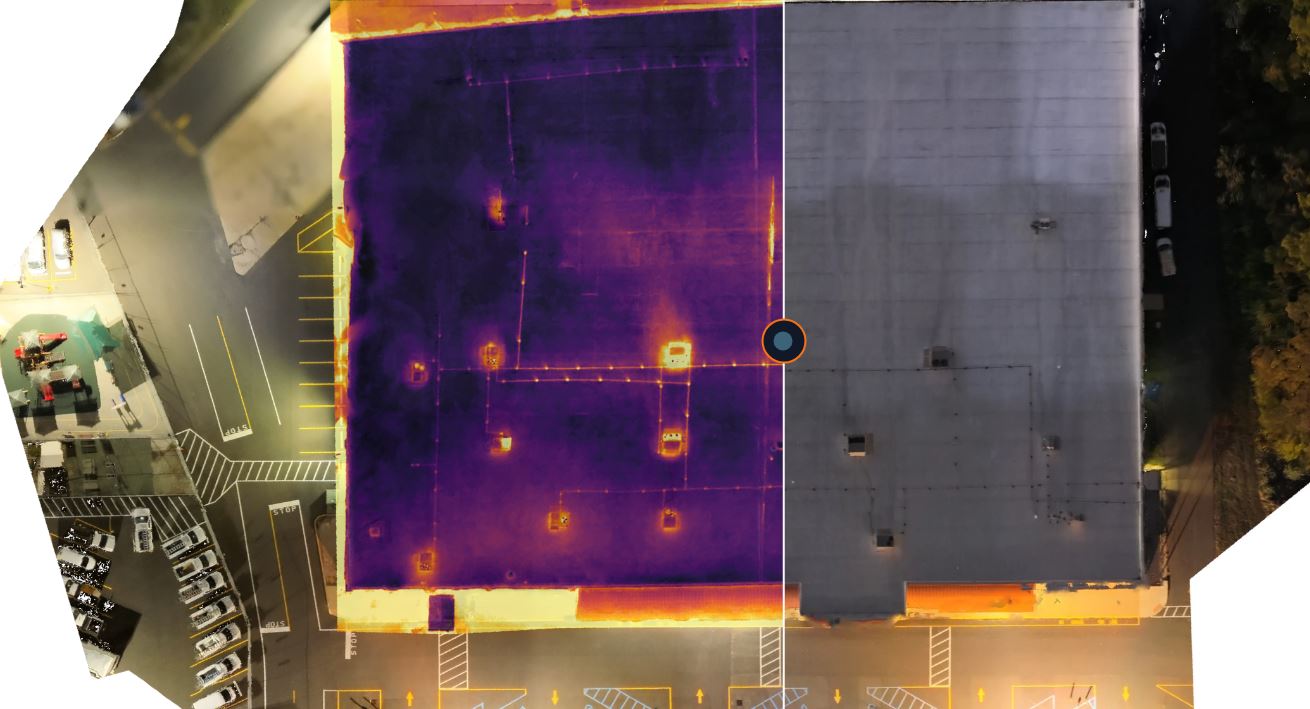
Complementing LIDAR’s structural data, thermal imaging sensors on drones detect heat radiation, not just visible light. This technology visualizes temperature variations across surfaces, revealing hidden issues invisible to the naked eye. Businesses use thermal drones for energy audits, identifying insulation voids, moisture penetration in roofing, or heat loss from buildings.
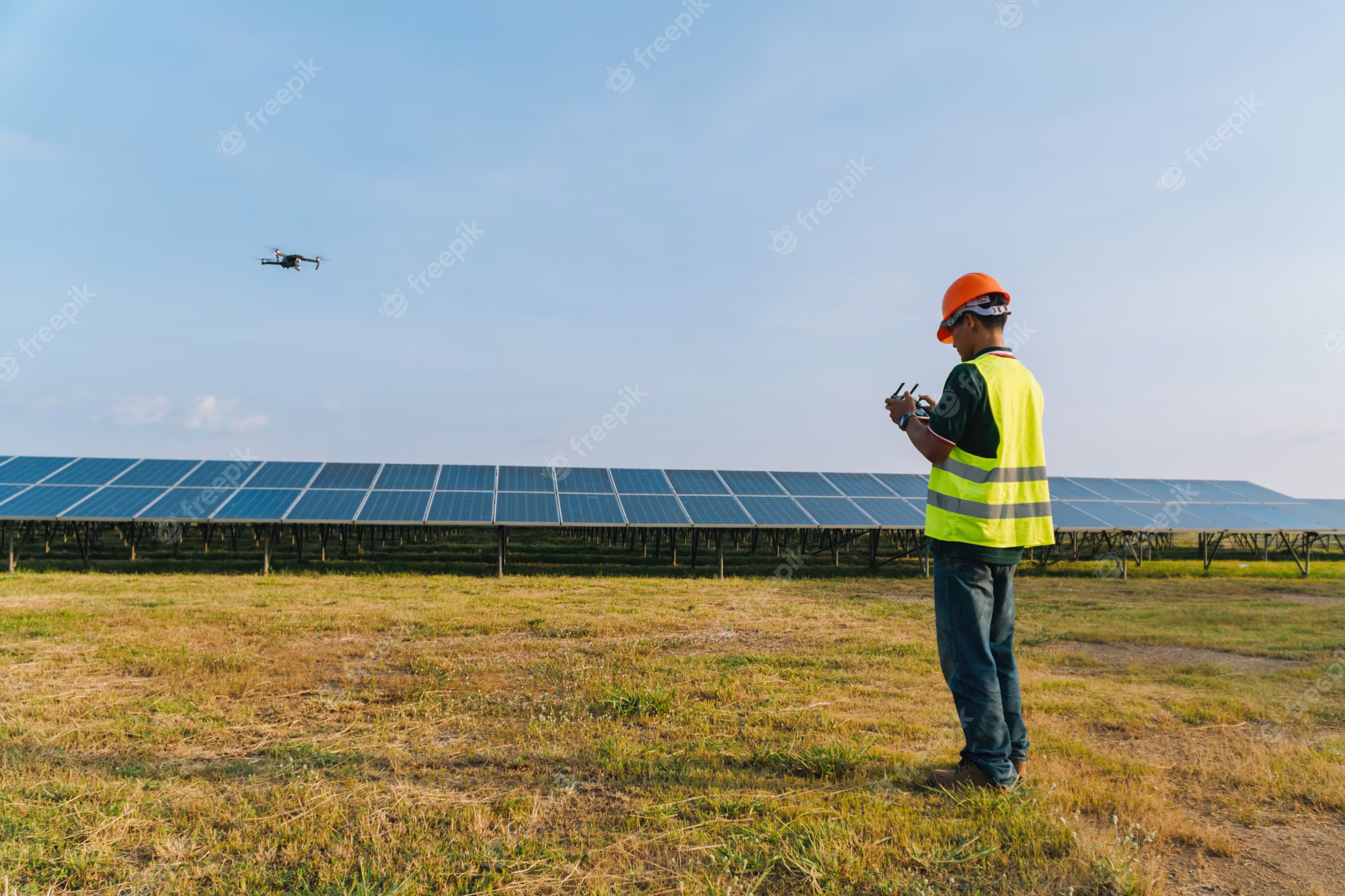
In industrial settings, thermal inspections can pinpoint overheating electrical components, leaking pipelines, or failing mechanical systems, preventing costly downtime and potential hazards. Thermal drones are also critical for solar panel maintenance, quickly identifying malfunctioning cells. Beyond inspections, they enhance security operations and search and rescue efforts by detecting heat signatures in diverse environments.
Integrating Data for Actionable Insights
The true power lies in the synergistic use of LIDAR and thermal data. Imagine overlaying thermal temperature information onto a precise 3D model generated by LIDAR. This comprehensive perspective enables you to not only visualize the structure but also immediately understand its thermal characteristics. This combined data empowers decision-makers to optimize energy usage, prioritize maintenance, ensure safety compliance, and streamline operations with unprecedented clarity.
St. Louis Video Studio: Your Expert Partner for Advanced Drone Solutions
Unlocking these sophisticated insights requires more than just advanced technology; it demands a seasoned partner with deep expertise, the right equipment, and a creative, capable crew. As a long-standing fixture in the St. Louis production community since 1982, St. Louis Video Studio has evolved alongside technology, positioning itself as a premier full-service professional commercial photography and video production company.
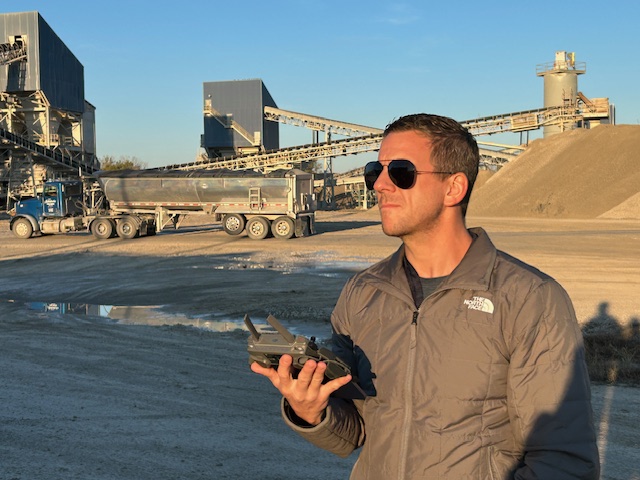
We understand successful image acquisition involves more than just launching a drone. It requires experienced pilots, high-resolution sensors, and meticulous planning to ensure accurate data capture. Our licensed drone operators (including specialized drone services for St Louis Video Studio) have worked with many businesses, marketing firms, and creative agencies in the St. Louis area, delivering high-impact visual data and compelling content across diverse applications. Our capabilities even extend indoors, as we can fly our specialized drones indoors to capture unique perspectives within large facilities, warehouses, or even during complex indoor events, providing invaluable data and stunning visuals where conventional access is limited.
Beyond our aerial expertise, we provide full-service studio and location video and photography. Our private studio lighting and visual setup is perfect for small productions and interview scenes, meticulously supporting every aspect of your production—from setting up a private, custom interview studio to supplying professional sound and camera operators, as well as providing the right equipment—ensuring your next video production is seamless and successful. Our studio is large enough to incorporate props to round out your set, should your vision require more elaborate staging.
Data acquisition is only part of the equation. We offer comprehensive editing, post-production, and full-service media capabilities, ensuring that the raw imagery and information are transformed into compelling narratives, clear visual guides, or precise actionable reports. We use the latest in Artificial Intelligence for all our media services, enhancing efficiency and visual quality throughout the entire process. Our creative crew is well-versed in handling diverse file types and styles of media and proficient with accompanying software, guaranteeing seamless integration with your existing platforms or marketing initiatives.
We excel not only at creating new, high-impact content but also in customizing productions for diverse media requirements and skillfully repurposing your existing photography and video branding to ensure your visual identity consistently gains more traction across all channels. Our dedication to your success extends to supporting every aspect of your production, from the initial concept to the final, polished deliverable.
So, whether you’re looking to gain critical structural data, improve energy efficiency, enhance safety protocols, or simply elevate your brand through sophisticated visuals captured from above (or even indoors!), St. Louis Video Studio has the experience (since 1982), technology, and dedicated crew to make it happen successfully. Contact us today to discuss how LIDAR and thermal drone technology, backed by our comprehensive professional services, can empower your next project.
Energy waste rarely announces itself with a flashing red light. Most of the time, it slips out quietly—through a failing roof membrane, leaky windows, uninsulated walls, or aging mechanical systems. By the time a problem becomes visible inside the building, you’ve often already paid for it several times over in wasted energy, moisture damage, and emergency repairs.
Drone-based thermal inspections change that equation. They give you a fast, safe, and visual way to see exactly where your building is losing heat—across an entire facility or campus—without scaffolding, lifts, or guesswork.
For facility managers, building owners, and the marketing and communications teams who support them, this kind of visual data isn’t only a maintenance tool. It’s also powerful storytelling and documentation: proof of due diligence, sustainability efforts, and capital improvement ROI.
Let’s break down how drone inspections help you “fix” building heat loss—practically, safely, and in a way that can be clearly communicated to stakeholders.
What “Building Heat Loss” Really Looks Like in the Real World
Heat loss isn’t a single problem; it’s a cluster of related issues that show up in different ways:
Roofing failures
Wet or saturated insulation under a membrane
Seams and penetrations where warm air escapes
Ponding water that leads to long-term moisture and structural issues
Wall and façade problems
Thermal bridging at structural elements
Missing or compromised insulation in panels or cavities
Failing joints around expansion gaps and cladding
Windows, doors, and openings
Leaky curtain walls and storefront systems
Gaps around overhead doors in loading docks and warehouses
Aging weatherstripping that no longer seals
Mechanical and utility losses
Steam line leaks
Inefficient rooftop units (RTUs) running hot
Poorly insulated piping and ductwork
All of these issues show up as temperature anomalies—areas that are warmer or colder than they should be relative to surrounding surfaces. Thermal cameras mounted on drones capture this delta and translate it into clear, actionable visuals.
Why Traditional Inspections Miss So Much
Conventional building envelope inspections rely heavily on:
Walking the roof with a handheld thermal camera
Lift-based checks of façades
Visual inspections from the ground
Trial-and-error destructive testing
Those methods can work—but they’re:
Slow and labor-heavy
Limited in coverage (you see only what you can safely reach)
Dependent on the inspector’s vantage point and experience
Potentially disruptive to building operations
In large facilities—corporate campuses, industrial plants, logistics hubs, healthcare complexes—it’s easy for problem areas to stay hidden for years simply because no one can see them safely, quickly, and comprehensively.
Drone inspections step over those limitations.
How Drone-Based Thermal Inspections Work
A modern building heat-loss drone survey typically includes two data layers:
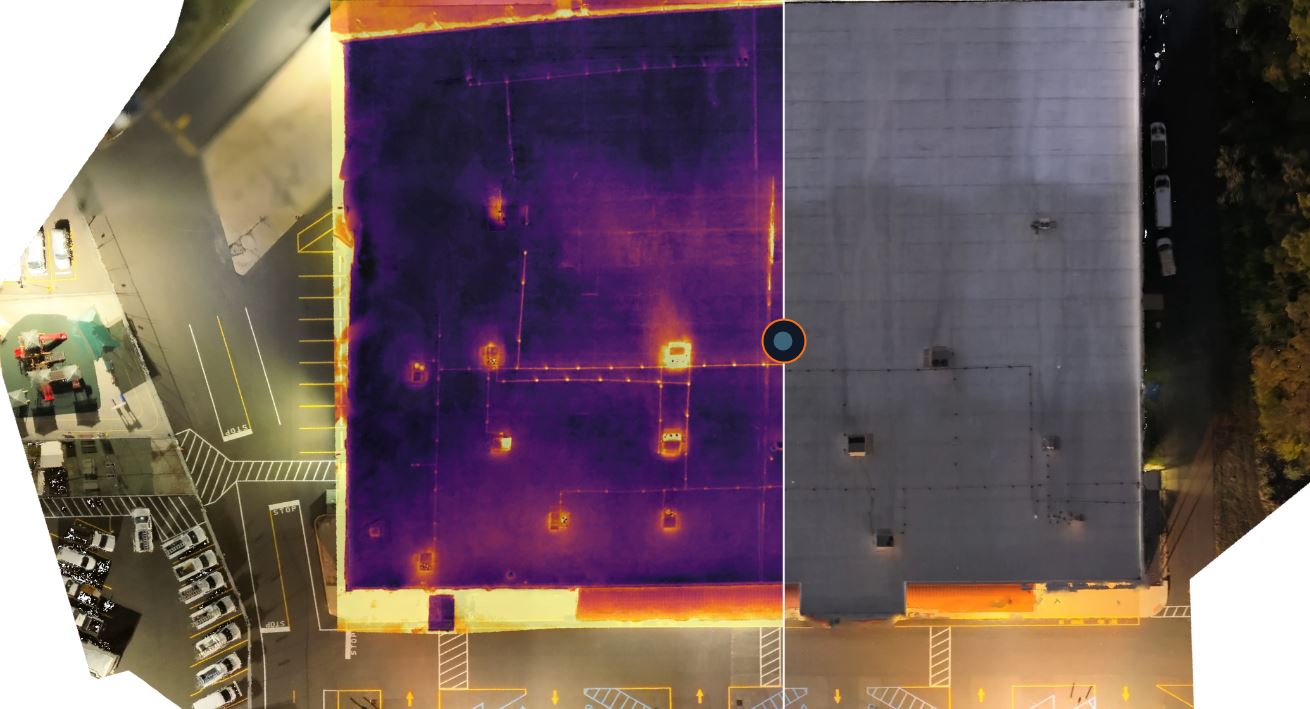
Thermal (infrared) imagery – to show temperature anomalies
High-resolution visual imagery – to document physical conditions
Here’s what the process looks like when it’s done professionally:
1. Pre-Planning
Review site constraints (airspace, nearby airports, local restrictions)
Map building footprints, roof levels, obstructions, and critical areas
Coordinate with building management for access, timing, and safety
2. Optimal Timing and Conditions
Thermal inspections depend on contrasts. The best results typically come when:
There’s a clear difference between indoor and outdoor temperatures
The building has gone through a heating or cooling cycle
Direct sunlight and reflective surfaces are managed to avoid false positives
An experienced drone crew plans flight schedules to maximize this contrast and minimize noise in the data.
3. Flight and Data Capture
Using specialized drones equipped with radiometric thermal sensors, the crew:
Flies precise grid patterns over roofs and façades
Captures overlapping thermal stills and/or video
Collects matching high-res visual imagery for context
With the right gear and pilots, an inspection that would take days on lifts can often be captured in a fraction of the time—with no one leaving the ground.
4. Analysis and Interpretation
Raw thermal data is only half the job. The real value comes from:
Comparing thermal images with visual imagery to understand what’s happening at each anomaly (e.g., seam failure, wet insulation, missing insulation, mechanical issue)
Creating maps and reports that align anomalies with real-world locations and roof or building drawings
Flagging priority areas by severity, risk, and likely cause
This is where pairing commercial drone pilots with a seasoned imaging and post-production team pays off. You’re not just getting “cool pictures”—you’re getting usable intelligence.
Where Drone Thermal Inspections Deliver the Biggest Wins
1. Commercial Roofs
Flat and low-slope roofs are a perfect fit for drone thermography. Aerial thermal imagery can reveal:
Wet or saturated insulation
Failing seams, flashings, and penetrations
Heat loss around HVAC curbs, vents, and skylights
Instead of guessing where to core sample or cut, you target the exact spots that show anomalies—reducing destructive testing and focusing repair budgets where they matter.
2. Building Envelopes and Façades
From high-rise office towers to big-box retail, drones can scan façades quickly and safely to detect:
Missing or poorly installed insulation
Thermal bridging at structural elements and anchors
Air leakage around windows, doors, and façade transitions
For owners, this is invaluable evidence when evaluating contractor work, planning façade upgrades, or developing long-term capital budgets.
3. Industrial and Utility Infrastructure
Drone-based thermal imaging is also effective for:
Steam tunnels and pipe runs
Heat exchangers and process equipment
Mechanical rooms and rooftop units (when accessible to line-of-sight)
Being able to capture both thermal and visual data from elevated angles gives maintenance teams an immediate short list of what to address first.
Turning Technical Data into Clear Visual Communication
You’re not just fixing heat loss; you’re also justifying budgets, demonstrating ESG progress, and communicating risk and ROI to non-technical audiences.
That’s where expert video and photography production comes in. Thoughtful post-production can transform your drone capture into:
Executive-ready presentations
Before/after visuals of problem areas and completed repairs
Simple overlays that show thermal anomalies alongside the visible image
Callouts and annotations explaining what each hotspot means
Board and investor updates
Short, narrated explainer videos that walk through issues, solutions, and projected savings
Visual documentation of capital improvements tied to sustainability and resilience goals
Marketing and ESG storytelling
Branded micro-videos and stills demonstrating your commitment to energy efficiency
Visual proof that your organization is proactive about infrastructure health, not reactive
When drone and thermal inspections are paired with a professional studio and post-production team, you’re not just checking boxes—you’re creating a visual asset library that supports operations, compliance, and brand.
Planning a Drone Inspection Program That Actually Pays Off
To get maximum value from building heat-loss inspections, treat them as a structured program, not a one-off event.
Consider:
Baseline Survey
Capture current conditions across roofs, façades, and key mechanical areas
Identify and rank anomalies by risk and cost impact
Targeted Repairs and Upgrades
Use the visuals to guide contractors directly to problem zones
Prioritize “quick win” fixes with strong ROI
Follow-Up and Verification Flights
Confirm completed repairs actually resolved the thermal issues
Build a “before and after” visual record for internal and external stakeholders
Ongoing Monitoring
Schedule periodic inspections (annually or after major weather events)
Track trends over time to anticipate failures before they become critical
When your inspection assets are captured and processed by an experienced imaging partner, each year’s data layers cleanly onto the last. Over time, you build a visual history of the building’s performance that’s hard to dispute—and incredibly valuable.
Why Professional Production Quality Matters
Anyone can buy a drone and a thermal camera. Very few can:
Fly safely and legally in complex environments
Capture usable, consistent images and video that align with inspection goals
Color-grade, annotate, and edit that footage into a coherent story for decision makers
Deliver footage and stills in formats that your engineers, contractors, marketing team, and executives can all use without frustration
That’s the gap a dedicated video studio fills—translating raw technical capture into polished, clear, and versatile visual assets.
Partner with St. Louis Video Studio for Drone Heat-Loss Inspections
St. Louis Video Studio is an experienced, full-service professional commercial photography and video production company with the right equipment and creative crew experience for successful image acquisition—on the ground and in the air.
We offer full-service studio and location video and photography, as well as editing, post-production and licensed drone pilots. St. Louis Video Studio can customize your productions for a wide range of media requirements, from technical inspection documentation to executive briefings and marketing campaigns.
Repurposing your photography and video branding to gain more traction is another specialty. We are well-versed in all file types, styles of media and accompanying software, and we use the latest in Artificial Intelligence for all our media services—from smart noise reduction and image enhancement to AI-assisted editing and content versioning.
Our private studio lighting and visual setup is perfect for small productions and interview scenes, and our studio is large enough to incorporate props to round out your set. We support every aspect of your production—from setting up a private, custom interview studio to supplying professional sound and camera operators, as well as providing the right equipment—ensuring your next video production is seamless and successful.
For inspections that demand unique perspectives, we can even fly our specialized drones indoors where appropriate and safe, capturing views that traditional methods simply cannot reach.
As a full-service video and photography production corporation since 1982, St. Louis Video Studio has worked with many businesses, marketing firms and creative agencies in the St. Louis area for their marketing photography and video. Whether you’re documenting building heat loss, showcasing repairs, or telling a broader story about your organization’s commitment to efficiency and sustainability, we’re ready to help you capture it—and communicate it—clearly.