Unknown's avatar

From Marathon to Micro: The Power of Repurposing Long-Form Training into Engaging Video Bites

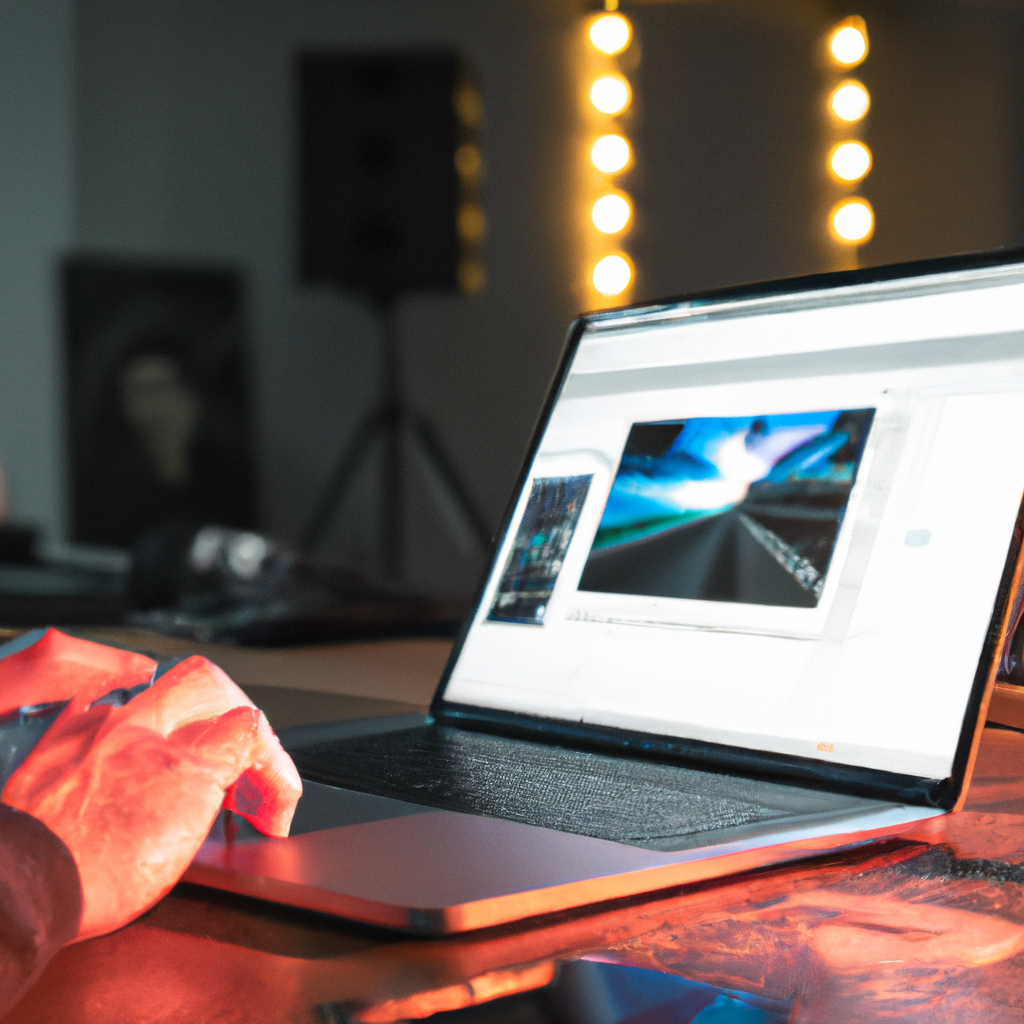
In today’s fast-paced business landscape, attention spans are shrinking, and the demand for digestible, easily accessible information is at an all-time high. For decision-makers in marketing, video production, and photography services, this presents a unique challenge: how do you deliver essential training and educational content effectively when your audience is time-poor and inundated with information? The answer lies in the strategic repurposing of your valuable long-form training sessions into shorter, more impactful video clips.

Traditional lengthy training videos, while comprehensive, often suffer from diminishing engagement. Learners can become overwhelmed, lose focus, and struggle to retain key information. This is where the “micro-learning” approach, fueled by intelligently segmented video content, truly shines.

Why Shorter is Smarter: The Benefits of Video Micro-Content

  • Enhanced Engagement and Retention: Shorter videos are less daunting and easier to consume. This leads to higher completion rates and, more importantly, improved information retention. When content is broken down into specific, bite-sized modules, learners can focus on one concept at a time, making it easier to absorb and recall.
  • On-Demand Accessibility and Flexibility: Imagine your employees needing a quick refresher on a specific procedure. Instead of sifting through an hour-long training video, they can instantly access a two-minute clip that addresses their exact need. This on-demand availability empowers self-directed learning and immediate problem-solving.
  • Targeted Learning Paths: By segmenting your training, you can create customized learning paths. Different departments or roles may only need specific information from a broader training session. Shorter clips allow you to tailor content precisely, avoiding information overload and increasing relevance.
  • Versatility in Distribution: Short video clips are incredibly versatile. They can be embedded in internal communication platforms, shared on social media for external outreach, used in email newsletters, or even integrated into interactive learning modules. This expands the reach and utility of your initial investment in training content.
  • Cost-Effective Updates and Iteration: If a particular policy or procedure changes, it’s far more efficient to update or reshoot a short, specific video clip than to revise an entire long-form production. This agility ensures your training content remains current and accurate with minimal overhead.
  • SEO and Discoverability: For external-facing educational content, shorter, keyword-rich videos are more likely to rank higher in search results, driving organic traffic and positioning your organization as a thought leader.

The Strategic Approach to Transformation

Converting your extensive training sessions into impactful micro-content isn’t simply about cutting a long video into arbitrary segments. It requires a thoughtful, strategic approach:

  1. Content Audit and Identification of Key Concepts: Begin by meticulously reviewing your existing long-form training. Identify the core learning objectives, key takeaways, and distinct topics that can stand alone as individual video segments. Think about the natural breaks in the information flow.
  2. Scripting for Brevity and Clarity: Even if the original training was unscripted, consider creating concise scripts or outlines for your shorter clips. Each video should have a clear purpose, a defined beginning, middle, and end, and deliver a single, focused message.
  3. Visual Reinforcement: Leverage strong visuals to enhance understanding. This might include on-screen text, graphics, animations, or relevant B-roll footage. Remember, the goal is to convey information efficiently, and visuals are a powerful tool for this.
  4. Professional Editing and Post-Production: The quality of your micro-content reflects on your brand. Professional editing ensures smooth transitions, clear audio, consistent branding, and an overall polished look. This includes color correction, sound design, and the addition of lower thirds or graphics.
  5. Strategic Call to Action (Where Applicable): For external content, consider a subtle call to action. This could be a link to more information, a sign-up form, or an invitation to explore related topics. For internal training, the call to action might be a quick quiz or a link to a relevant resource.
  6. Leveraging AI in Media Production: Modern video production is significantly enhanced by Artificial Intelligence. AI can assist in transcription, content summarization, identifying key moments for segmentation, and even generating initial edits. This streamlines the process of breaking down long videos and optimizing them for various platforms.
  7. By embracing the strategy of converting long training sessions into shorter, purposeful video clips, businesses and organizations can dramatically improve the efficacy of their educational content. It’s an investment that pays dividends in employee engagement, knowledge retention, and the overall professional image of your brand.
  8. St Louis Video Studio and Photography: Your Partner in Image Acquisition Success
  9. At St Louis Video Studio, we understand the critical importance of effective visual communication. As a full-service professional commercial photography and video production company since 1982, we bring unparalleled experience and a creative crew to every project. We are equipped with the right tools and expertise for successful image acquisition, offering full-service studio and location video and photography. Our services extend to comprehensive editing, post-production, and we boast licensed drone pilots for captivating aerial perspectives, including the unique capability to fly our specialized drones indoors.
  10. St Louis Video Studio excels at customizing productions for diverse media requirements. We specialize in repurposing your photography and video branding to gain more traction, ensuring your visual assets work harder for you. Well-versed in all file types, styles of media, and accompanying software, we leverage the latest in Artificial Intelligence for all our media services, optimizing workflows and enhancing creative output.
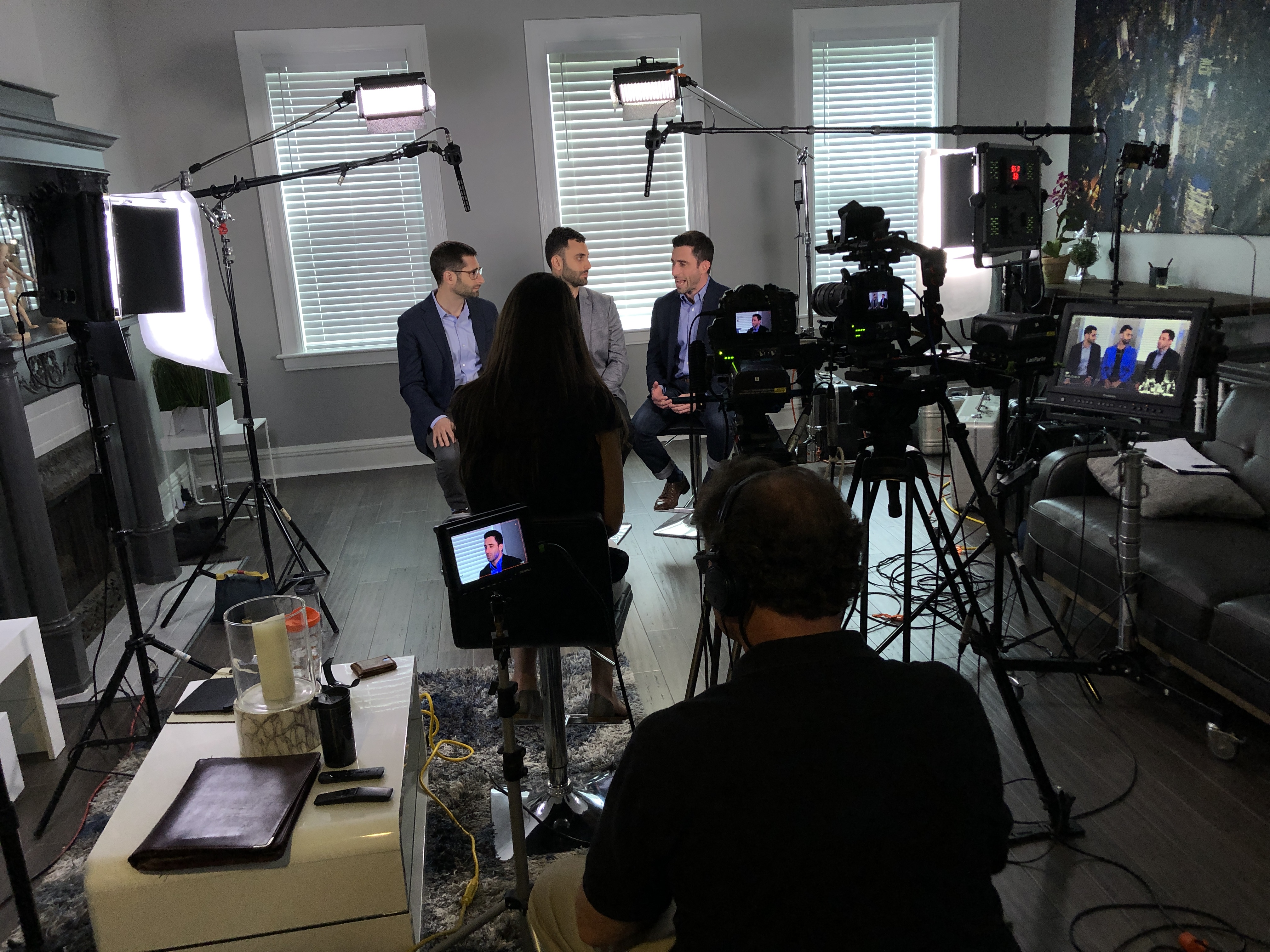
  11. Our private studio offers the perfect lighting and visual setup for small productions and interview scenes, with ample space to incorporate props and round out your set. We support every aspect of your production—from setting up a private, custom interview studio to supplying professional sound and camera operators, as well as providing the right equipment—ensuring your next video production is seamless and successful. Since 1982, St Louis Video Studio has proudly partnered with numerous businesses, marketing firms, and creative agencies in the St. Louis area, delivering exceptional marketing photography and video solutions.

314-913-5626

stlouisvideostudio@gmail.com

Unknown's avatar

Beyond the Camera: The Art of Stress-Free Video Production Planning

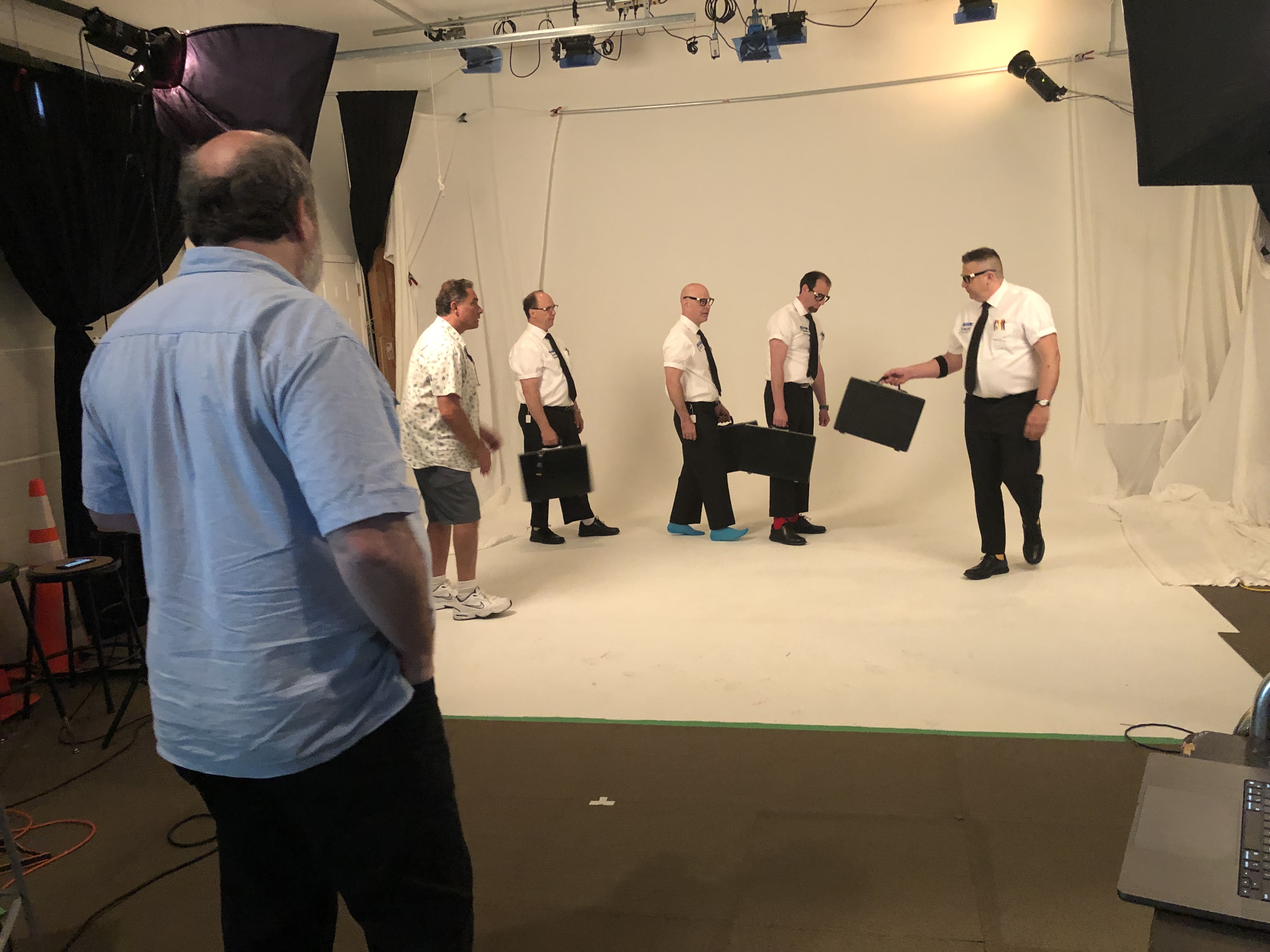
As seasoned videographers, photographers, and producers at St Louis Video Studio, we’ve guided countless businesses and organizations through the seemingly complex world of video production. We understand that for many decision-makers, the idea of planning a video shoot can conjure images of logistical nightmares, budget overruns, and unexpected complications. However, with a structured approach and clear communication, planning a video shoot can be an efficient, even enjoyable, process that leads to exceptional results.

This post will demystify the planning stages, offering expert insights into how to approach your next video project with confidence and clarity, ensuring a stress-free journey from concept to captivating final product.

The Foundation: Why Meticulous Planning Matters

Think of video production as building a house. You wouldn’t start hammering nails without blueprints. Similarly, a video shoot requires a solid foundation of planning to prevent costly mistakes, wasted time, and creative compromises. Poor planning often leads to:

  • Scope Creep: The project expands beyond initial agreements, leading to budget and timeline issues.
  • Miscommunication: Vision discrepancies between client and production team, resulting in dissatisfaction.
  • Logistical Headaches: Unforeseen location issues, equipment shortages, or scheduling conflicts.
  • Mediocre Results: Rushed decisions on set compromise the final quality and impact of your message.

Your Stress-Free Planning Blueprint: Key Steps

Step 1: Define Your “Why” and “Who” – The Strategic Core

Before any creative ideas take shape, solidify the strategic purpose of your video.

  • Clear Objectives: What specific business goal does this video serve? Is it lead generation, brand awareness, employee training, product launch, or something else?
  • Target Audience: Who are you trying to reach? Understanding their demographics, pain points, and preferences will inform every creative decision.
  • Key Message: What is the single most important takeaway you want viewers to remember? Keep it concise and impactful.
  • Call to Action: What do you want viewers to do after watching the video? Visit a website, make a purchase, sign up for a newsletter?

Step 2: Budget & Timeline – Realistic Expectations

Transparency and realism here are paramount to avoiding stress later.

  • Establish a Budget Range: Communicate your financial parameters upfront. A professional production company can then advise on what’s achievable within those limits.
  • Set a Realistic Timeline: Factor in pre-production (planning, scripting, scheduling), production (filming), and post-production (editing, graphics, revisions). Good video takes time.
  • Contingency Planning: Always build in a buffer for both budget and time to account for unforeseen circumstances (e.g., weather delays, minor script changes).

Step 3: Creative Brief & Concept Development – Aligning Visions

This is where your vision starts to materialize.

  • Detailed Creative Brief: Provide your production partner with as much information as possible: brand guidelines, competitor examples, preferred styles, tone, and any existing assets.
  • Concept Presentation: Your production team should present initial concepts, script outlines, and visual references (mood boards, example videos). This is a collaborative phase for feedback and refinement.
  • Scripting & Storyboarding: Once a concept is approved, a detailed script is developed. For more complex shoots, storyboards or shot lists visually map out each scene, ensuring everyone is on the same page.

Step 4: Logistics & Scheduling – The Nitty-Gritty

This is where the detailed execution plan comes together.

  • Location Scouting: Identify and secure ideal locations that align with the creative vision and practical requirements. Consider lighting, sound, permits, and accessibility.
  • Talent Casting (if applicable): Whether professional actors or your own employees, ensure talent is briefed, available, and comfortable with their roles.
  • Crew & Equipment Allocation: A professional studio will assign the right videographers, photographers, sound technicians, lighting specialists, and the necessary equipment (cameras, drones, specialized lighting) for your specific shoot.
  • Detailed Production Schedule (Call Sheet): This document is the bible for shoot day, outlining timings, locations, scenes, and contact information for everyone involved. Share it widely.

Step 5: Pre-Production Meeting – Final Checks

A final meeting before the shoot day is crucial to ensure everyone is aligned.

  • Review Everything: Go over the script, storyboard, schedule, and logistical details one last time with all key stakeholders.
  • Address Questions: Provide an opportunity for any last-minute questions or concerns from the client or crew.
  • Contingency Plans: Discuss what-if scenarios (e.g., bad weather for an outdoor shoot) and agreed-upon backup plans.

By meticulously following these steps, you’re not just planning a video shoot; you’re orchestrating a seamless experience designed for success. The result is a high-quality video that achieves your marketing and communication goals, produced without the usual stress and uncertainty.


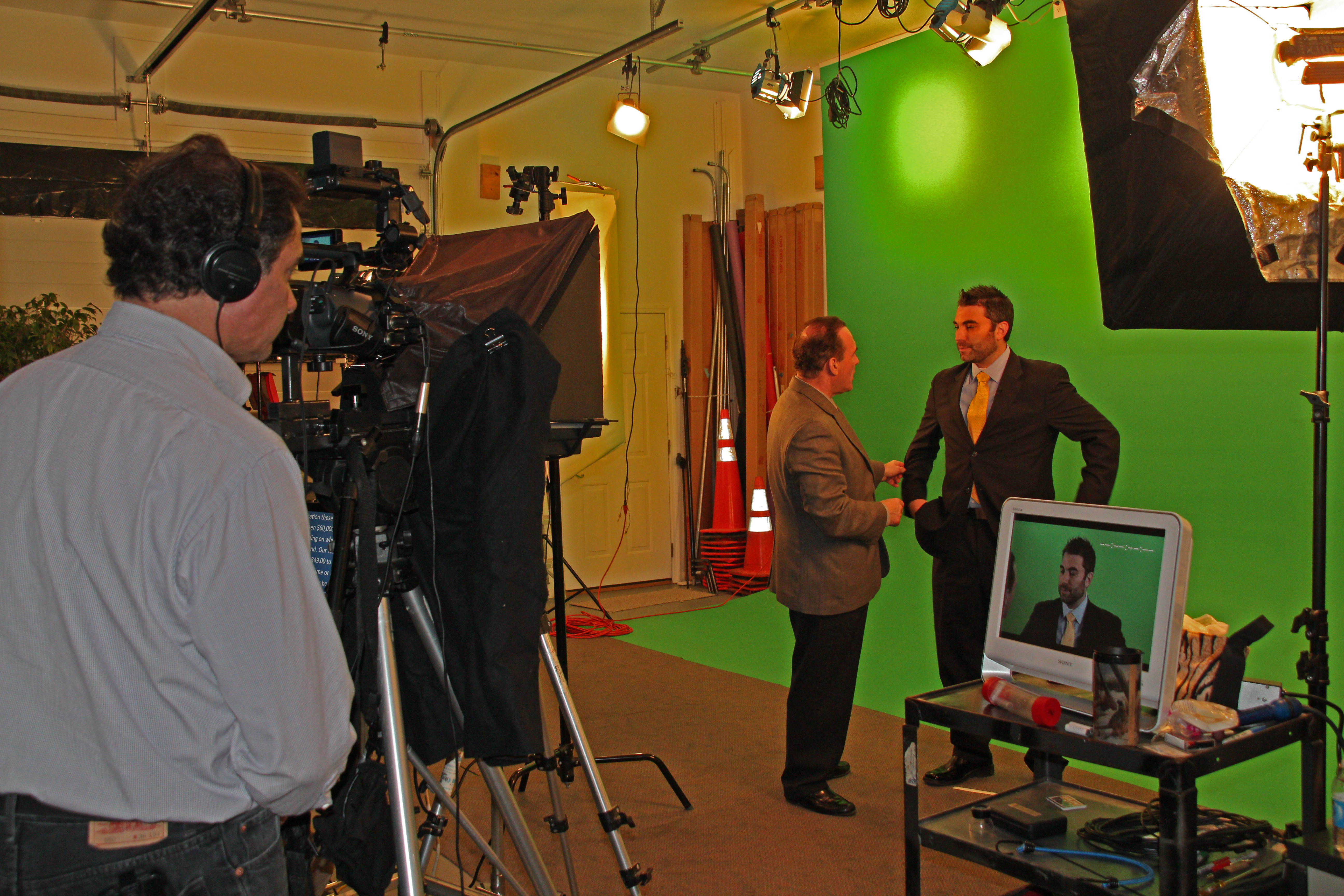
At St Louis Video Studio, we believe that brilliant video and photography begin with exceptional planning. As a full-service professional commercial photography and video production company since 1982, we bring over four decades of experience to every project. We possess the right equipment and a creative crew with extensive service experience for successful image acquisition. We offer full-service studio and location video and photography, as well as comprehensive editing, post-production, and licensed drone pilots.

St Louis Video Studio can customize your productions for diverse types of media requirements, specializing in repurposing your photography and video branding to gain more traction. We are well-versed in all file types and styles of media and accompanying software, utilizing the latest in Artificial Intelligence for all our media services to ensure cutting-edge results. Our private studio lighting and visual setup is perfect for small productions and interview scenes, large enough to incorporate props to round out your set. We support every aspect of your production—from setting up a private, custom interview studio to supplying professional sound and camera operators, as well as providing the right equipment—ensuring your next video production is seamless and successful. We can even fly our specialized drones indoors for unique perspectives and dynamic shots.

Having worked with numerous businesses, marketing firms, and creative agencies in the St. Louis area, St Louis Video Studio is your trusted partner for marketing photography and video, transforming complex production processes into stress-free, successful ventures.

314-913-5626

stlouisvideostudio@gmail.com

Unknown's avatar

Key Steps to a Smooth Cost-Effective Video and Photography Production Process

In today’s fast-paced digital landscape, effective video and photography productions are more crucial than ever for businesses and organizations. These visual assets serve not only to communicate your brand message but also to engage your audience and boost your marketing efforts. To achieve a seamless and cost-effective production process, consider the following key steps:

Creative direction encompasses the visual style, tone, and messaging of your project. Collaborate with your team to develop concepts that align with your brand identity and resonate with your audience.

1. Define Your Objectives

Before diving into production, clearly define the goals of your video or photography project. Ask yourself: What message do I want to convey? Who is my target audience? What platforms will this content be shared on? Establishing clear objectives will guide every subsequent decision, from creative direction to distribution strategies.

2. Develop a Comprehensive Plan

A well-structured production plan is essential. Outline the project scope, timeline, and budget, ensuring all stakeholders are aligned on expectations. This plan should include:

  • Pre-production details: Scripting, storyboarding, and scheduling.
  • Production requirements: Equipment, crew, and location needs.
  • Post-production workflow: Editing, revisions, and final delivery formats.

3. Assemble the Right Team

Having a skilled and experienced team can make all the difference. Look for professionals who specialize in their respective roles—whether it’s a director, camera operator, or editor. A cohesive team can collaborate more effectively, ensuring a smooth production process and high-quality output.

4. Choose the Right Equipment

Investing in quality equipment is critical for achieving professional results. Depending on your project needs, you may require:

  • High-definition cameras
  • Professional lighting setups
  • Audio recording devices
  • Specialized drones for aerial shots

At St Louis Video Studio, we are equipped with state-of-the-art technology to deliver the highest quality production.

5. Focus on Creative Direction

Creative direction encompasses the visual style, tone, and messaging of your project. Collaborate with your team to develop concepts that align with your brand identity and resonate with your audience. This stage is vital for ensuring that the final product not only meets but exceeds your expectations.

6. Conduct Rehearsals

Prior to filming, conduct rehearsals to familiarize the team and talent with the production setup. This practice can reveal potential issues and allow for adjustments, ultimately saving time during the actual shoot. It also helps the talent feel more comfortable, leading to better performances on camera.

7. Execute the Production

During production, maintain a clear line of communication among all team members. Adhere to your shooting schedule, but be flexible enough to adapt to unforeseen circumstances. Effective communication will help ensure that everyone stays on track and that any issues are promptly addressed.

8. Streamline Post-Production

Post-production is where your project truly comes to life. Efficiently manage editing, sound design, and color grading to create a polished final product. Incorporate feedback from stakeholders during this phase to ensure that the end result aligns with your initial objectives.

9. Distribute and Promote

Once your project is complete, it’s time to distribute and promote your video or photography. Utilize social media, email marketing, and your website to maximize visibility. Monitor engagement metrics to assess the effectiveness of your content and inform future productions.

10. Evaluate and Learn

After your project concludes, take time to evaluate the entire production process. Gather feedback from your team and stakeholders to identify strengths and areas for improvement. This evaluation will inform your future projects and help you continuously refine your production approach.

Why Choose St Louis Video Studio?

At St Louis Video Studio, we bring extensive experience and expertise to every project. As a full-service professional commercial photography and video production company, we offer the right equipment and creative crew services for successful image acquisition. Our capabilities include:

  • Full-service studio and location video and photography
  • Editing and post-production services
  • Licensed drone pilots for aerial photography

We can customize your productions to meet diverse media requirements and specialize in repurposing your photography and video branding for increased traction. Our team is well-versed in all file types, styles of media, and accompanying software.

With a private studio equipped with advanced lighting and visual setups, we cater perfectly to small productions and interview scenes. Our large studio can accommodate props to enhance your set design. From custom interview studio setups to providing sound and camera operators, we have everything you need to make your next video production perfect.

Since 1982, St Louis Video Studio has partnered with businesses, marketing firms, and agencies in the St. Louis area, delivering exceptional corporate photography and video services tailored to their unique needs. Let us help you bring your vision to life!

314-913-5626

stlouisvideostudio@gmail.com

Unknown's avatar

How to Save Money When Hiring Various Sizes of Video Crews and Production Options

When planning a video production for your business or organization, budget concerns are often top of mind. Understanding how to optimize your spending while ensuring high-quality results is crucial. Below are some strategies on how to save money when hiring various sizes of video crews and considering different production options.

A well-planned shoot reduces the likelihood of unexpected costs and ensures that the project stays within budget.

1. Define Your Objectives Clearly

Before you even begin to search for a video production team, make sure you have a clear idea of what you want to achieve with your video. This clarity will help you communicate effectively with your production company and avoid costly revisions or additions mid-project. By setting defined goals, you can align your project scope and budget from the outset.

2. Choose the Right Size Crew

Video production crews can range from a single videographer to a large team with multiple camera operators, sound technicians, and lighting experts. The size of the crew should directly correlate to the complexity of your project.

  • Small Projects: For simpler projects, such as talking head interviews or small event coverage, consider hiring a smaller crew. A skilled videographer equipped with a camera, microphone, and basic lighting can handle such tasks effectively.
  • Large Projects: For more complex productions like commercials or large-scale corporate events, a larger crew is necessary. However, even here, efficiencies can be found by hiring a team that can multitask, thereby reducing the number of people on set.

3. Utilize Local Talent

Hiring a local video production company can significantly reduce costs associated with travel and accommodations for the crew. Local teams like St Louis Video Studio not only reduce these overheads but also bring a wealth of knowledge about local settings, which can be invaluable for your production.

4. Leverage Technology

Advancements in video production technology mean that high-quality results can now be achieved with less manpower and lower costs. For example, drones can capture aerial shots that would have previously required expensive crane or helicopter rentals. Similarly, using gimbal stabilizers allows for smooth moving shots without extensive rigging.

5. Plan Efficiently

Efficient planning can save a lot of money. This includes scripting in advance, planning the shoot to minimize location changes, and scheduling to avoid overtime. A well-planned shoot reduces the likelihood of unexpected costs and ensures that the project stays within budget.

6. Consider Post-Production Needs

Post-production can be a time-consuming and costly phase. By discussing these needs in advance with your production company, you can plan for cost-effective solutions. This might include shooting with post-production in mind to reduce the need for extensive color correction or special effects.

7. Reuse and Repurpose Content

Creating a video that can be repurposed in different contexts (e.g., social media clips, training videos, customer testimonials) can provide better return on investment. St Louis Video Studio specializes in repurposing photography and video branding to help extend the life and utility of your content across multiple platforms.

Partner with St Louis Video Studio

At St Louis Video Studio, we pride ourselves on being a full-service professional commercial photography and video production company. We offer both studio and location video and photography, complete with editing, post-production, and licensed drone pilots. Our facilities are equipped with private studio lighting and visual setups perfect for small productions and interview scenes, and our large studio can incorporate props to enhance your set.

Since 1982, we have worked with countless businesses, marketing firms, and agencies in the St. Louis area, delivering tailored video solutions that meet diverse media requirements. Whether you need a private custom interview studio setup or specialized indoor drone shots, we have the equipment, expertise, and experience to ensure your next video production is a success.

Choosing the right video production partner is crucial to achieving your marketing and communication goals while staying on budget. St Louis Video Studio is your trusted partner in creating impactful video content that delivers results.

314-913-5626

stlouisvideostudio@gmail.com

Unknown's avatar

Mistakes to Avoid When Hiring a Videographer for Your Business

In the realm of business, the visual aspect plays a pivotal role in capturing attention, conveying messages, and establishing brand identity. With the proliferation of digital media, hiring a professional videographer has become essential for businesses aiming to create impactful visual content. However, not all videographers are created equal, and making the wrong choice can lead to wasted resources and disappointing results. Here are some common mistakes to avoid when hiring a videographer for your business:

An experienced videographer not only has a keen eye for detail but also possesses the technical proficiency to handle various shooting conditions and challenges.

1. Neglecting to Review Portfolios

One of the most critical mistakes is failing to thoroughly review the videographer’s portfolio. A portfolio showcases the videographer’s style, expertise, and versatility. By neglecting this step, you risk hiring someone whose aesthetic doesn’t align with your brand or whose skill level doesn’t meet your expectations.

2. Ignoring Experience and Expertise

Experience matters significantly in videography. An experienced videographer not only has a keen eye for detail but also possesses the technical proficiency to handle various shooting conditions and challenges. Ignoring experience and opting for a cheaper, inexperienced option can compromise the quality of your final product.

3. Overlooking Equipment Quality

Quality equipment is indispensable in videography. High-resolution cameras, professional-grade microphones, and lighting equipment contribute to the overall quality of the video. Hiring a videographer who lacks access to proper equipment may result in subpar visuals and audio, ultimately diminishing the impact of your content.

4. Failing to Communicate Expectations Clearly

Effective communication is key to a successful collaboration with a videographer. Failing to communicate your expectations clearly regarding the project scope, timeline, budget, and creative vision can lead to misunderstandings and dissatisfaction. Establishing open and transparent communication from the outset ensures that both parties are aligned and working towards the same goals.

5. Not Considering Post-Production Services

The role of post-production should not be underestimated. Editing, color grading, and adding visual effects are essential steps in enhancing the final product’s quality and appeal. Hiring a videographer who lacks proficiency in post-production or doesn’t offer these services may result in an unfinished or underwhelming video.

Conclusion: Choose Wisely, Choose St Louis Video Studio

In conclusion, when hiring a videographer for your business, it’s crucial to avoid these common mistakes to ensure a successful outcome. At St Louis Video Studio, we understand the importance of delivering high-quality visual content that resonates with your audience and enhances your brand image.

As a full-service professional commercial photography and video production company, St Louis Video Studio offers:

  • Full-service studio and location video and photography
  • Editing and post-production services
  • Licensed drone pilots for aerial footage
  • Expertise in all file types and styles of media
  • Customized productions tailored to diverse media requirements
  • Specialization in repurposing photography and video branding for increased traction

With our extensive experience and state-of-the-art equipment, we have served numerous businesses, marketing firms, and agencies in the St. Louis area for their corporate photography and video needs. Don’t compromise on quality. Choose St Louis Video Studio for your next project and experience the difference firsthand.

Contact us today to discuss your videography needs and discover how we can elevate your visual content.

314-913-5626

stlouisvideostudio@gmail.com

Unknown's avatar

Training Videos Production and Editing Techniques

In the ever-evolving landscape of corporate communication and education, training videos have emerged as a powerful tool to convey information, inspire learning, and ensure consistency in message delivery. At St. Louis Video Studio, we understand the importance of producing high-quality training videos that not only inform but also engage and inspire your audience. With a team of experienced videographers, directors, and producers, as well as state-of-the-art equipment and a creative crew, we have the expertise to create impactful training videos tailored to your specific needs. In this comprehensive guide, we will delve into the art and science of training video production and editing techniques, sharing our insights and industry best practices.

What specific skills, knowledge, or information do you want your audience to gain from watching the video?

The Power of Training Videos

Before we dive into the technical aspects of training video production and editing, let’s explore why training videos are such a valuable tool for businesses and organizations.

1. Accessibility and Consistency

Training videos offer the advantage of accessibility. They can be viewed anytime, anywhere, allowing employees or learners to access crucial information at their convenience. This accessibility ensures that everyone receives the same message consistently, reducing the risk of miscommunication.

2. Engagement and Retention

Engagement is the key to effective learning. Well-produced training videos have the ability to captivate the audience’s attention and maintain their focus throughout the training. When learners are engaged, they are more likely to retain the information being presented.

3. Cost-Effective Training

Compared to traditional in-person training sessions, producing training videos can be more cost-effective in the long run. Once created, these videos can be used repeatedly without incurring additional expenses, making them a smart investment for organizations of all sizes.

4. Scalability

Training videos can be easily scaled to accommodate a growing audience. Whether you need to train a small team or an entire organization, video content can be distributed effortlessly to reach everyone who needs it.

Planning Your Training Video

Effective training videos begin with careful planning. Here are the key steps to consider when creating your training video:

1. Define Your Objectives

Before you even pick up a camera, you must clearly define the objectives of your training video. What specific skills, knowledge, or information do you want your audience to gain from watching the video? Understanding your goals will guide every aspect of the production process.

2. Identify Your Target Audience

Consider the demographics, experience levels, and needs of your target audience. Tailoring your training video to their preferences and requirements will ensure that it resonates with them and effectively conveys the intended message.

3. Scripting and Storyboarding

A well-crafted script is the backbone of any training video. It should be concise, easy to understand, and engaging. Consider breaking down complex topics into manageable sections and using visual aids to enhance comprehension. Storyboarding can help you visualize the flow of your video and plan the shots you need.

4. Choose the Right Location

Depending on your content, you may need to shoot your training video in a studio, on location, or even outdoors. At St. Louis Video Studio, we offer full-service studio and location video production, ensuring that you have the right environment for your training video.

5. Selecting the Right Equipment

The quality of your video production equipment matters. High-definition cameras, professional lighting, and audio recording equipment are essential for producing a polished and engaging training video. At St. Louis Video Studio, we are equipped with state-of-the-art tools to ensure your video looks and sounds exceptional.

Video Production Techniques

Now that we’ve covered the planning phase, let’s delve into the video production techniques that will help you create a training video that truly shines.

1. Professional Videography

Our team of experienced videographers at St. Louis Video Studio understands the nuances of capturing compelling footage. Whether you’re shooting in a studio or on location, our professionals know how to compose shots, manage lighting, and ensure that the video looks visually appealing.

2. Interviews and Testimonials

Including interviews and testimonials in your training video can add a human touch and credibility to your message. We excel at shooting talking heads, interviews, and testimonials, ensuring that your subjects come across as confident and relatable.

3. B-Roll Footage

In post-production editing, having ample B-roll footage is invaluable. B-roll footage provides context, visual interest, and helps smooth transitions between different segments of your training video. We always capture appropriate B-roll to enhance the final product.

4. Teleprompters for Professional Delivery

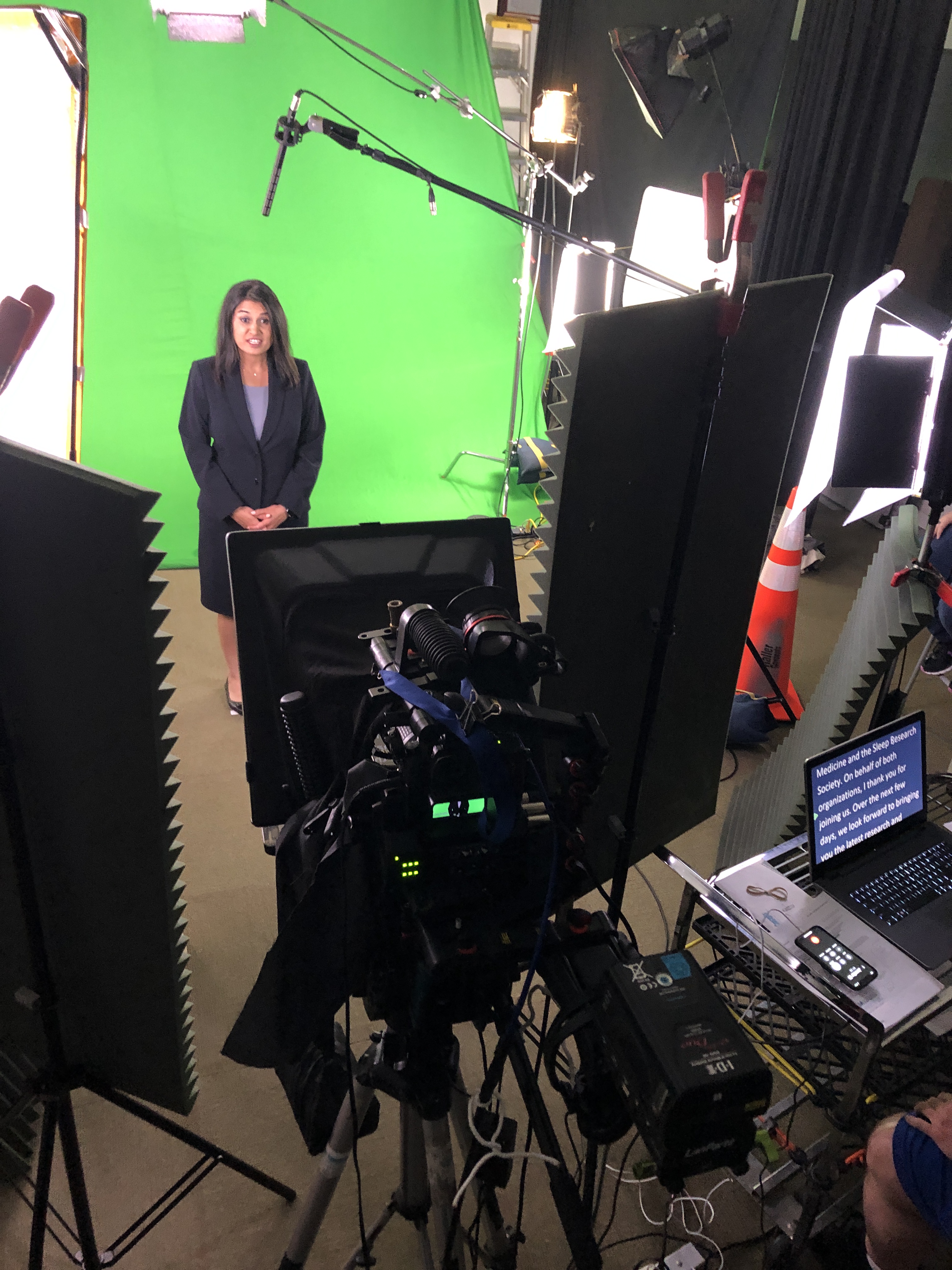
For training videos that require a scripted message, using teleprompters can greatly enhance the delivery. Teleprompters help presenters maintain eye contact with the camera while seamlessly delivering their lines. This results in a more professional and efficient message delivery.

5. Aerial Video

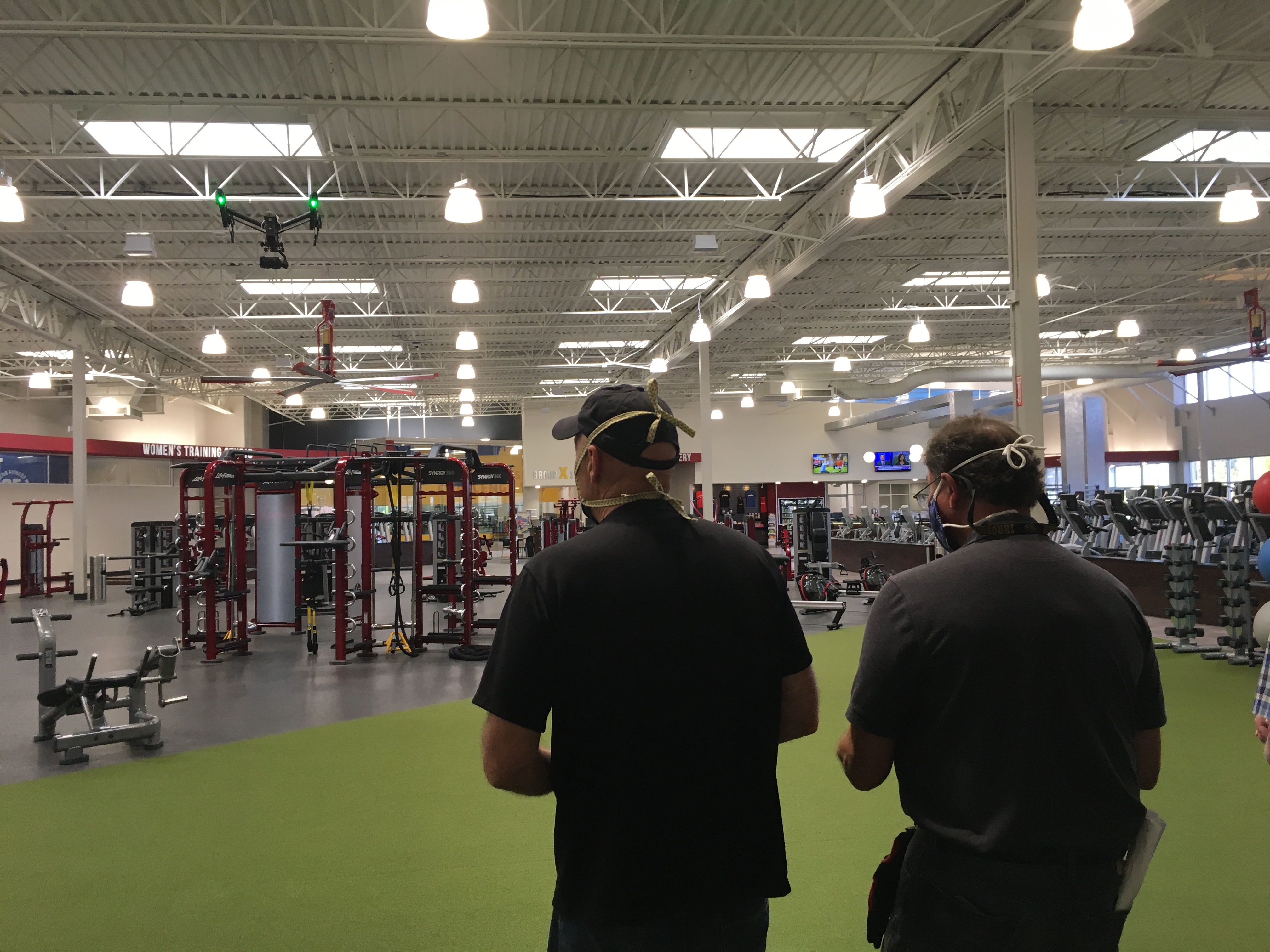
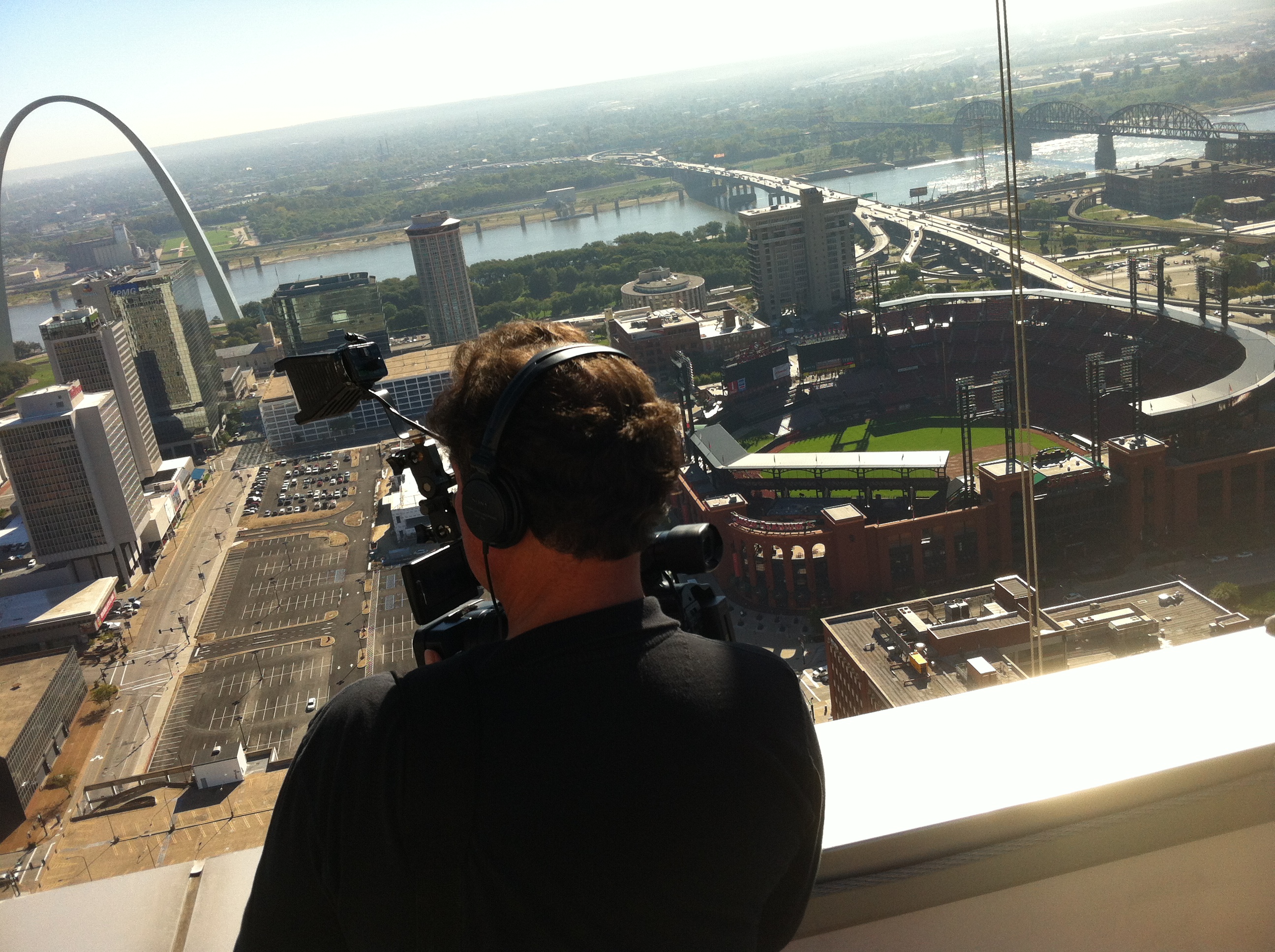
For certain training videos, aerial footage can provide a unique perspective and captivate the audience. At St. Louis Video Studio, we have the capability to fly drones and capture stunning aerial shots for your training video’s B-roll.

Post-Production Editing

The magic of training video production often happens in the post-production phase. Here, skilled editors bring together all the elements to create a cohesive and engaging final product.

1. Video Editing

Video editing involves selecting the best shots, arranging them in a logical sequence, and adding transitions to ensure a smooth flow. This process also includes color correction, audio enhancement, and the addition of text overlays or graphics when necessary.

2. Audio Enhancement

Clean and clear audio is crucial for effective training videos. Our post-production team employs audio enhancement techniques to eliminate background noise, balance audio levels, and ensure that the message is heard loud and clear.

3. Graphics and Animation

To clarify complex concepts or highlight key points, graphics and animation can be integrated into your training video. Our team has experience in creating visually appealing and informative graphics that enhance the learning experience.

4. Music and Sound Effects

The right music and sound effects can elevate the emotional impact of your training video. We can help you select appropriate music or create custom soundscapes that enhance the overall viewing experience.

5. File Types and Delivery

At St. Louis Video Studio, we are well-versed in all file types and styles of media. Whether you need your training video in a specific format or require various versions for different platforms, we can deliver the final product in the exact specifications you need.

Repurposing Your Training Videos

Training videos can be a valuable asset beyond their initial purpose. Repurposing your productions can help you gain more traction and maximize your investment. Here are some strategies for repurposing training videos:

1. Microlearning Modules

Break down longer training videos into bite-sized microlearning modules. These shorter segments can be shared independently, making it easier for learners to absorb and revisit specific topics.

2. Webinars and Live Training

Use excerpts from your training videos in webinars or live training sessions. This can serve as a teaser to encourage participation and later reference the full video for a comprehensive understanding.

3. Social Media Clips

Create short clips or highlights from your training videos to share on social media platforms. This can generate interest and direct viewers to the full video for more in-depth information.

4. Training Manuals and Guides

Integrate video content into your training manuals or guides to provide a multimedia learning experience. Videos can complement written instructions and make them more engaging.
5. Continuous Learning

Encourage continuous learning by making training videos accessible in your learning management system (LMS) or on your company’s intranet. This allows employees to revisit training materials whenever they need a refresher.

Conclusion

As a full-service video creation company, St. Louis Video Studio has worked with numerous businesses and organizations in the St. Louis area to create impactful training videos and other video productions. Our experienced videographers, directors, and producers are dedicated to delivering high-quality content that meets your unique needs. Whether you require training videos, talking heads, interviews, testimonials, or aerial B-roll footage, we have the expertise and equipment to bring your vision to life.

Don’t miss the opportunity to harness the power of training videos for your organization’s growth and development. Contact St. Louis Video Studio today to discuss your project, and let us help you create training videos that educate, engage, and inspire. Elevate your training initiatives with our creative expertise and state-of-the-art production capabilities. Your success is our priority.

314-913-5626

stlouisvideostudio@gmail.com

Unknown's avatar

Teleprompter Coaching for a CEO or Executive

When it comes to producing an effective video, the words matter just as much as the visuals. When it comes to speaking on camera, one of the best ways to ensure that your message is clear and concise is by using a teleprompter. But how do you coach a CEO or executive through an on-camera teleprompter read? Let’s take a closer look at the best practices for coaching someone through this process.

Preparing Your Executive

The first step in coaching your executive through an on-camera teleprompter read is to make sure they are adequately prepared. This means giving them a thorough run-through of the script and taking time to answer any questions they may have.

During the preparation phase, you need to help your executive understand why this video is being produced, what purpose it serves in their company’s marketing strategy, and how it will be distributed. This will give them a better understanding of the context of the video and help them deliver the message more effectively.

It’s also important to make sure your executive has plenty of time to practice reading from the teleprompter before shooting day. The teleprompter can be a bit intimidating for first-timers, and the more practice they have, the more comfortable they’ll feel on the day of filming.

It’s also helpful to provide them with some tips for making their on-camera performance more natural and engaging. For example, encourage them to speak at a steady pace (too fast or too slow can be distracting) and remind them not to lick their lips or make other unnecessary facial expressions while delivering their lines. It’s also important that they consistently maintain eye contact with the camera lens—not with the teleprompter itself—so that viewers don’t feel like they’re getting lectured by someone who isn’t looking directly at them.

Filming Day Tips

On shooting day, make sure you arrive early so that everyone can get settled and comfortable before cameras start rolling. During filming, it’s important that all distractions are minimized (turn off cell phones!) so that your executive can focus on delivering their lines in an authentic way without worrying about anything else going on around them.

Once filming starts, you should be ready with cues if needed and be prepared for multiple takes if needed – especially if your executive is having trouble remembering lines or feeling uncomfortable with certain portions of the script. Don’t be afraid to take breaks and give your executive some time to collect themselves and regroup.

It’s also important to keep an eye on the teleprompter during filming. Sometimes the scrolling speed can be too fast or too slow, and you may need to make adjustments on the fly to keep things running smoothly.

Conclusion

Coaching a CEO or executive through an on-camera teleprompter read can be challenging, but it doesn’t have to be intimidating! With proper preparation and plenty of practice runs beforehand, you can help ensure that your executive delivers their message clearly and confidently during filming.

Remember to provide context for the video, give them tips for a natural performance, and minimize distractions on shooting day. By following these tips and tricks, you’ll have no trouble helping your executives deliver successful videos every time!

If you need more information or guidance on this subject, don’t hesitate to contact us today for a complimentary consultation.

314-913-5626

stlouisvideostudio@gmail.com