
For marketing directors, corporate communications professionals, advertising agencies, and business owners, producing high-quality video content is no longer an occasional marketing consideration.
Organizations need video for corporate websites, product demonstrations, customer testimonials, executive announcements, employee training, recruitment campaigns, social media, and digital advertising.
The challenge is not simply producing more video. It is creating professional, consistent, and useful content that accurately represents the company while supporting specific marketing and communications objectives.
One of the most important decisions in this process is selecting the right production environment.
While smartphones and portable cameras make video recording widely accessible, professional commercial productions require careful control over lighting, sound, backgrounds, camera placement, and recording conditions.
A dedicated video production studio provides these advantages in a controlled environment.
A professional video studio is more than a location with cameras and lighting. It is a coordinated production environment designed to help businesses communicate clearly, maintain consistent branding, and produce high-quality content efficiently.
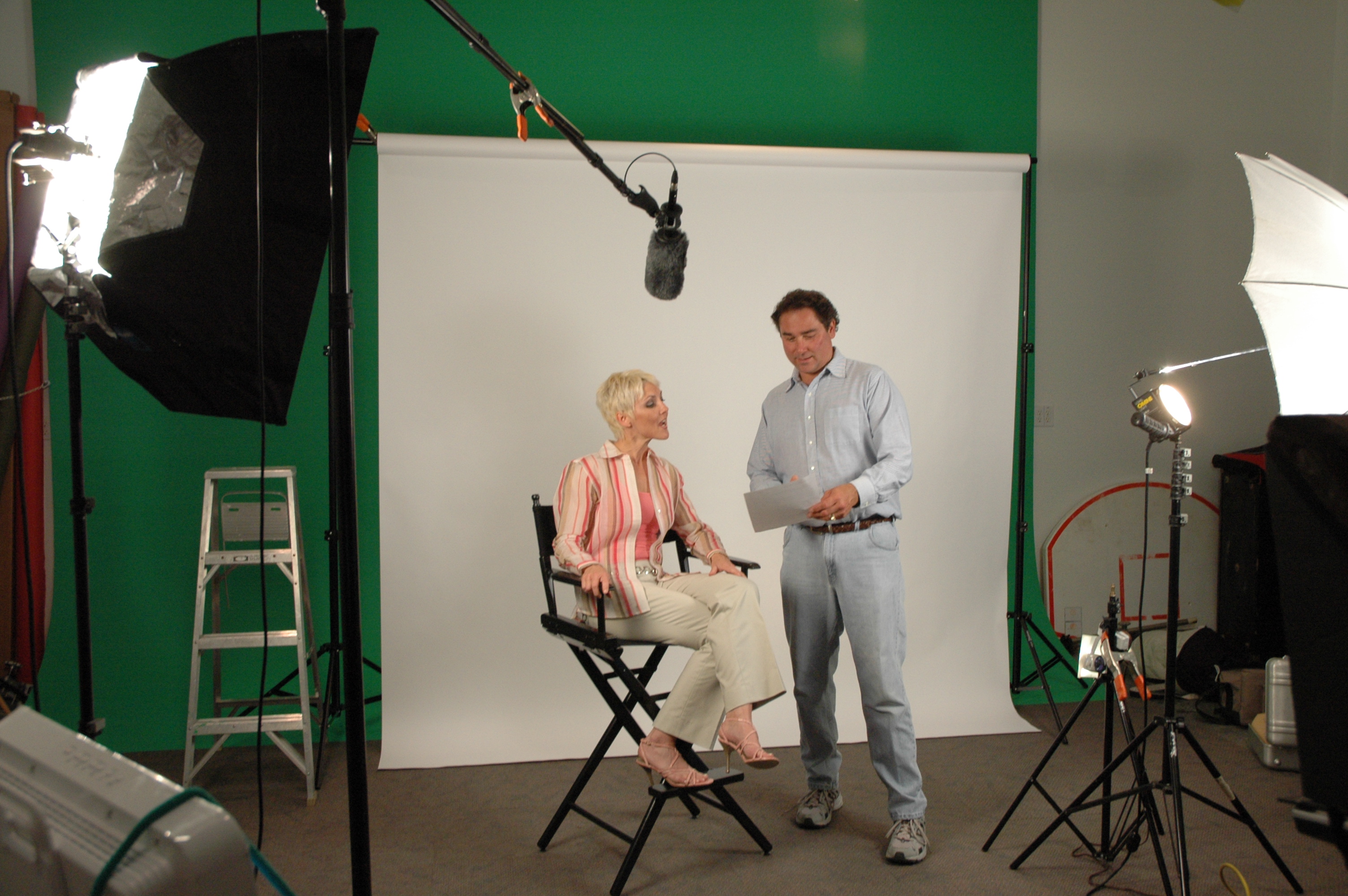

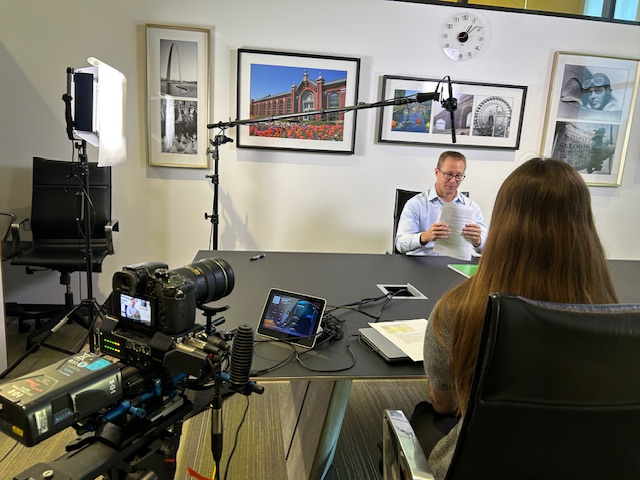
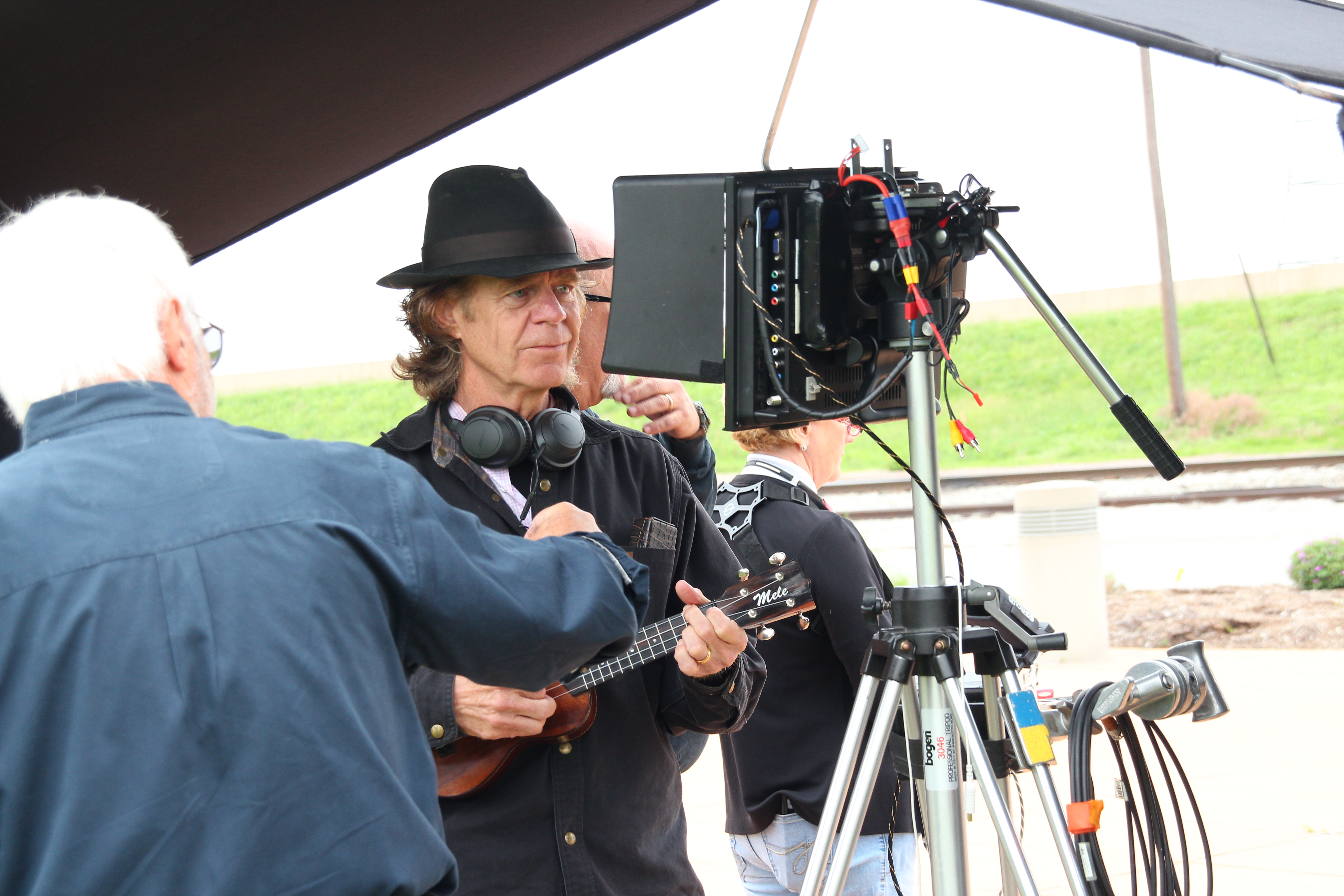
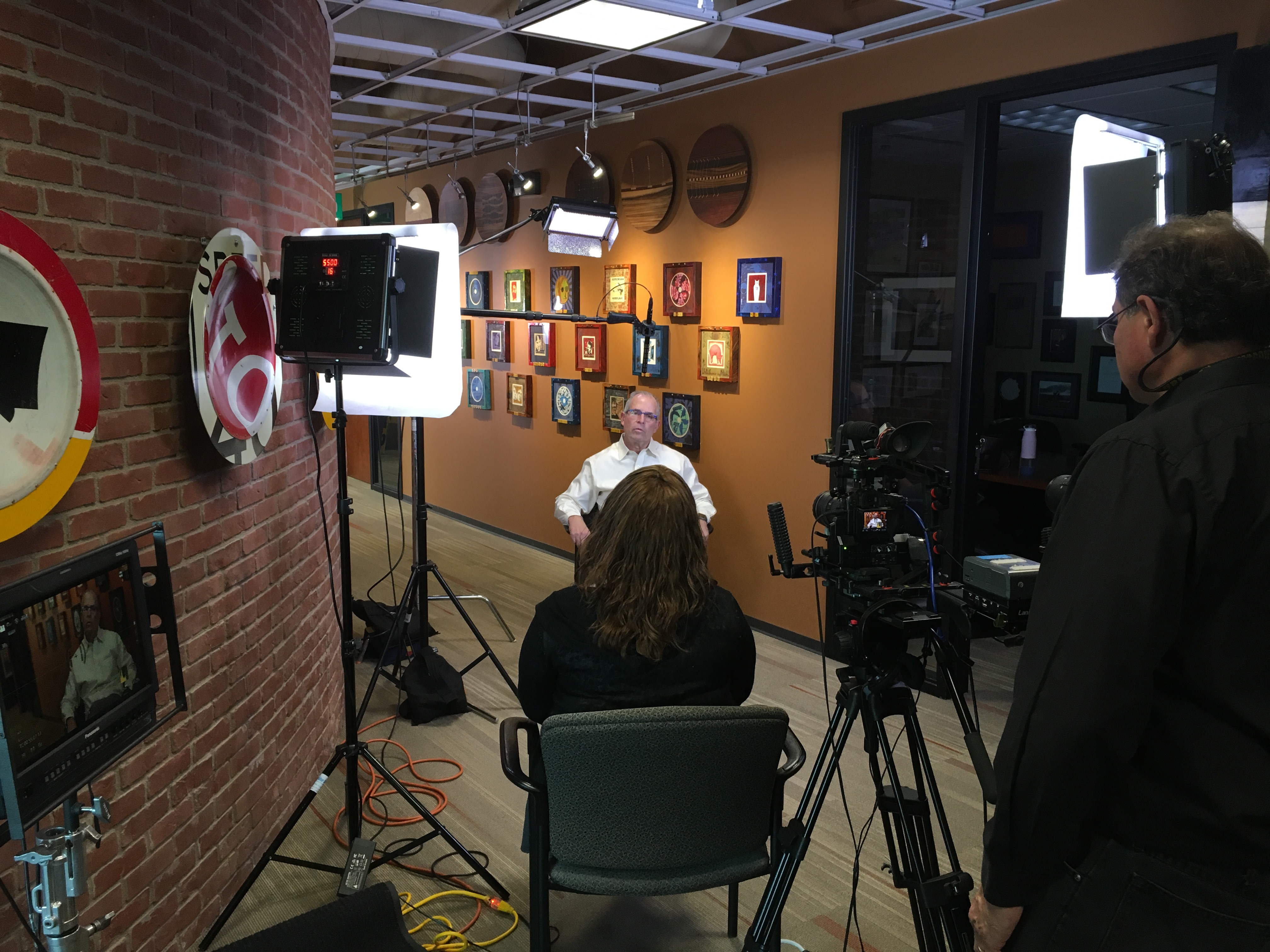


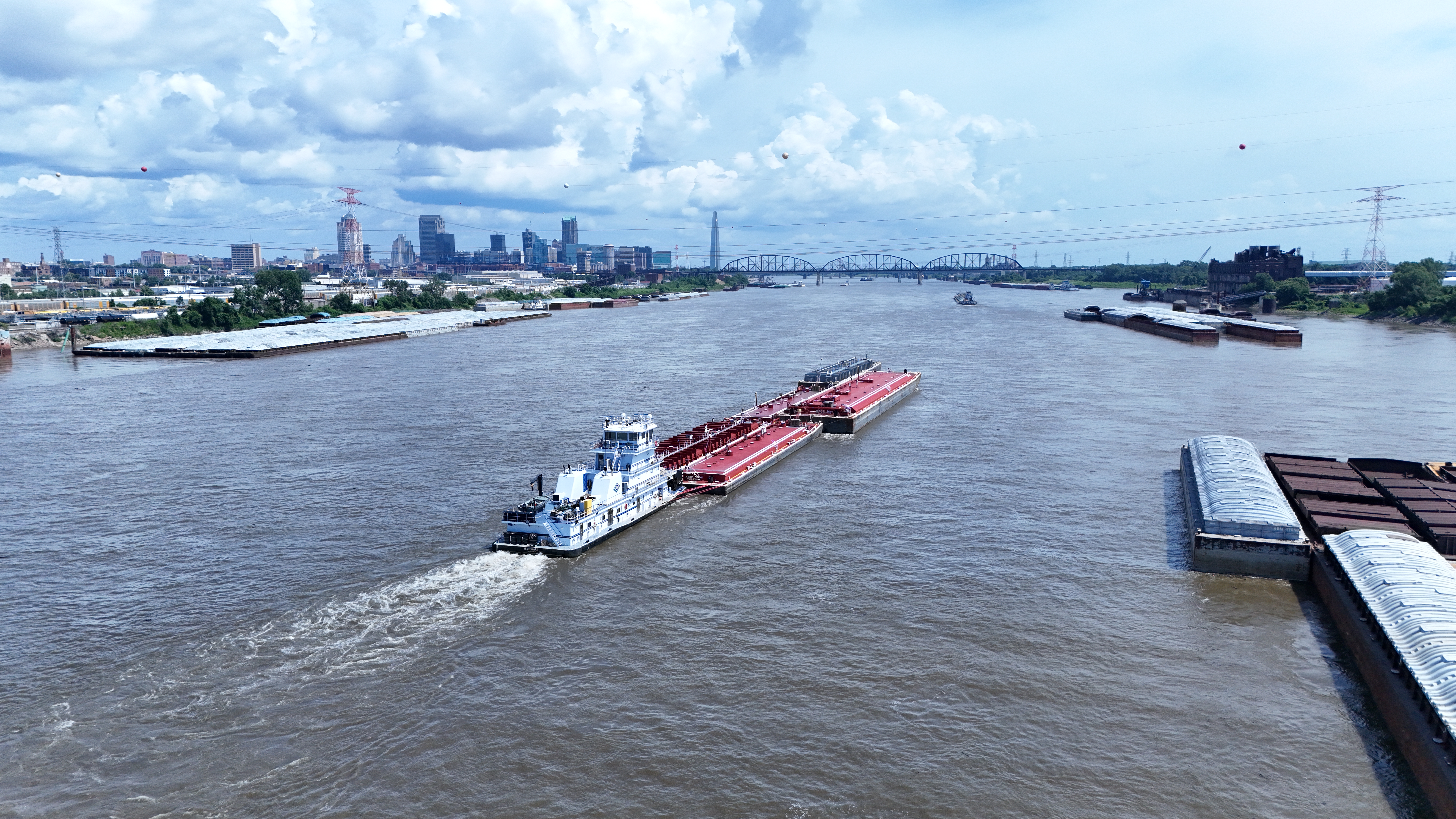

When combined with experienced creative crews, location photography, drone cinematography, and comprehensive editing services, a professional studio becomes a valuable resource for building a complete corporate media library.
What Separates a Professional Video Studio From an Improvised Recording Space?
Many companies attempt to record interviews, presentations, and promotional content in conference rooms or vacant offices.
Although these spaces may be convenient, they often introduce significant production challenges.
Uncontrolled daylight can change during recording. Fluorescent or LED office lighting may create color inconsistencies or flicker. HVAC systems and nearby conversations can interfere with sound recording.
Backgrounds may contain distracting objects, reflective surfaces, or insufficient separation between the speaker and surrounding walls.
A professional production studio is specifically designed to address these challenges.
Controlled Lighting
Professional studio lighting allows technicians to manage exposure, contrast, shadow detail, and background illumination.
Instead of relying on changing natural light, crews can establish lighting arrangements that remain consistent throughout the recording session.
This is particularly useful when recording multiple executives or producing a series of videos intended to share the same visual style.

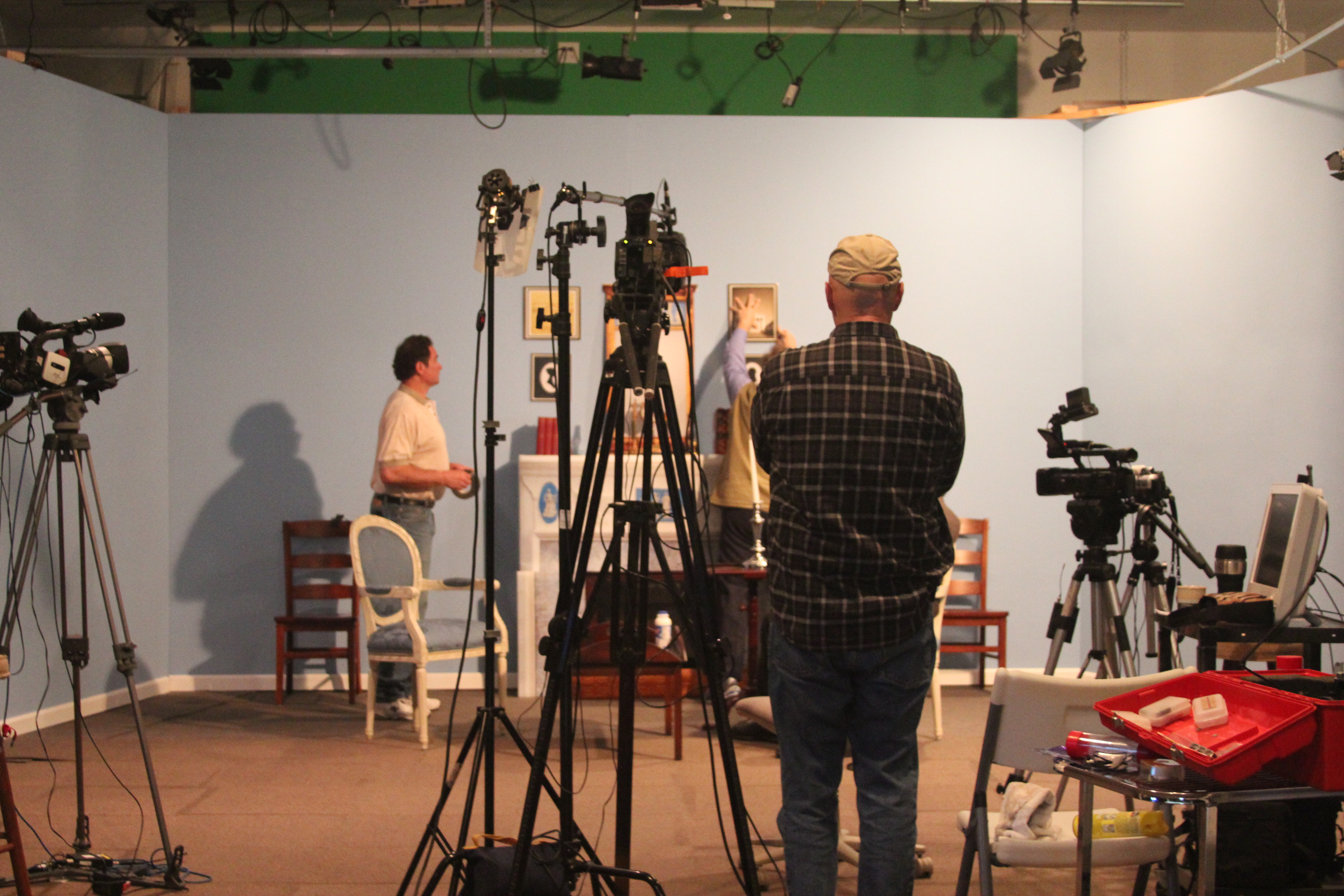


Professional Sound Recording
Clear dialogue is essential for corporate video.
A dedicated studio allows camera and sound personnel to select suitable microphones, control recording levels, monitor audio, and reduce avoidable environmental distractions.
Acoustic conditions still need to be evaluated, but a prepared studio generally offers greater control than an active workplace.
Flexible Camera Placement
Professional studio environments allow cameras, tripods, teleprompters, lighting stands, and monitoring equipment to be positioned according to the production requirements.
This flexibility contributes to more flattering compositions, consistent framing, and efficient multi-camera recording.
Customized Backgrounds and Sets
A studio can incorporate professional backdrops, furniture, props, corporate signage, and decorative elements.
These details help create an environment that supports the client’s brand rather than relying on whatever background happens to be available.
Corporate Interview Production: Creating Confidence in Front of the Camera
Corporate interviews remain one of the most useful formats in business video production.
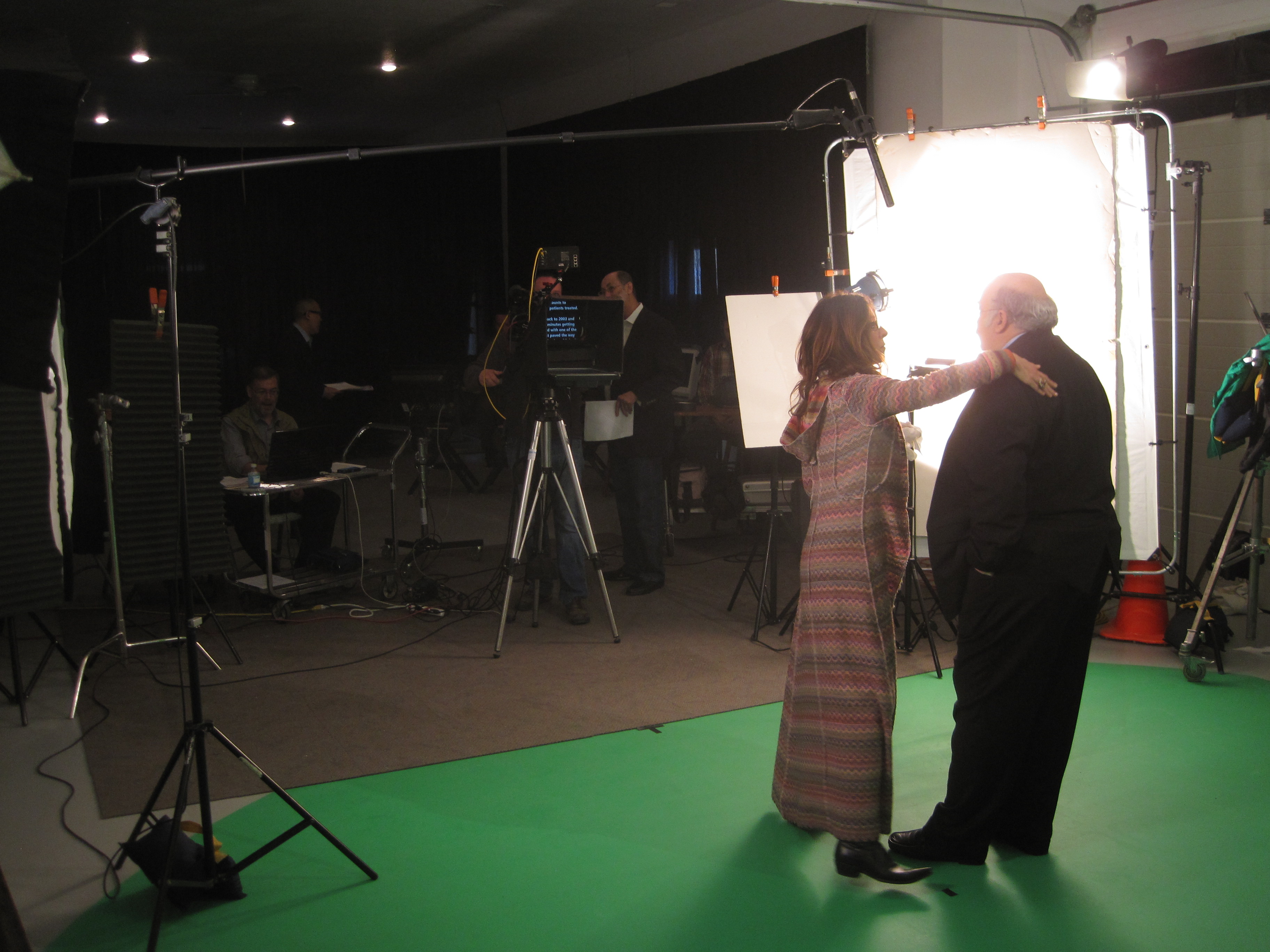
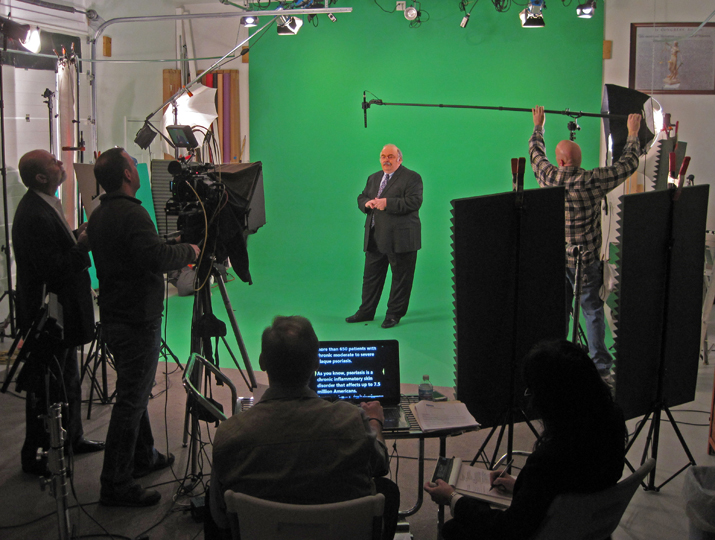
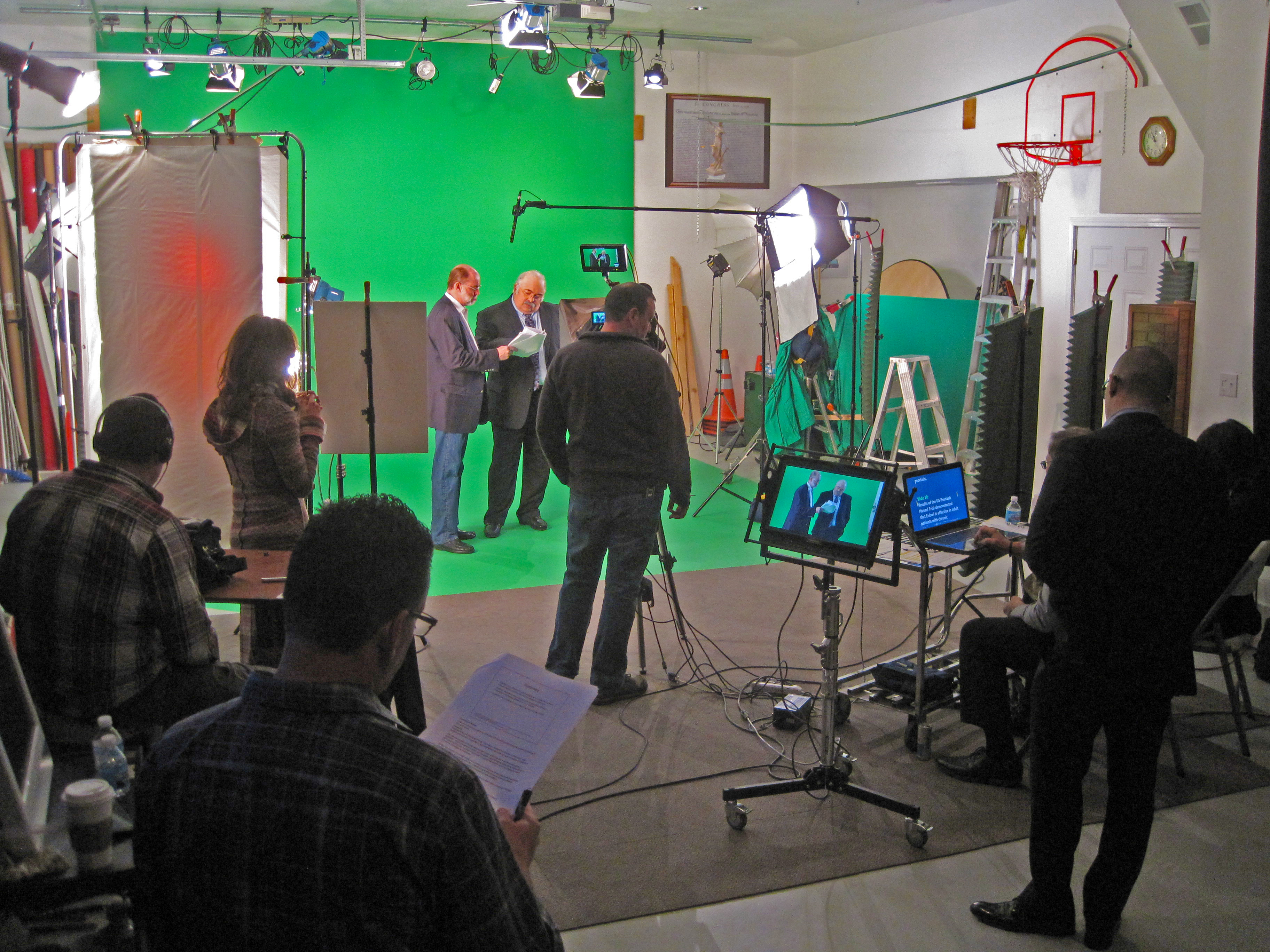
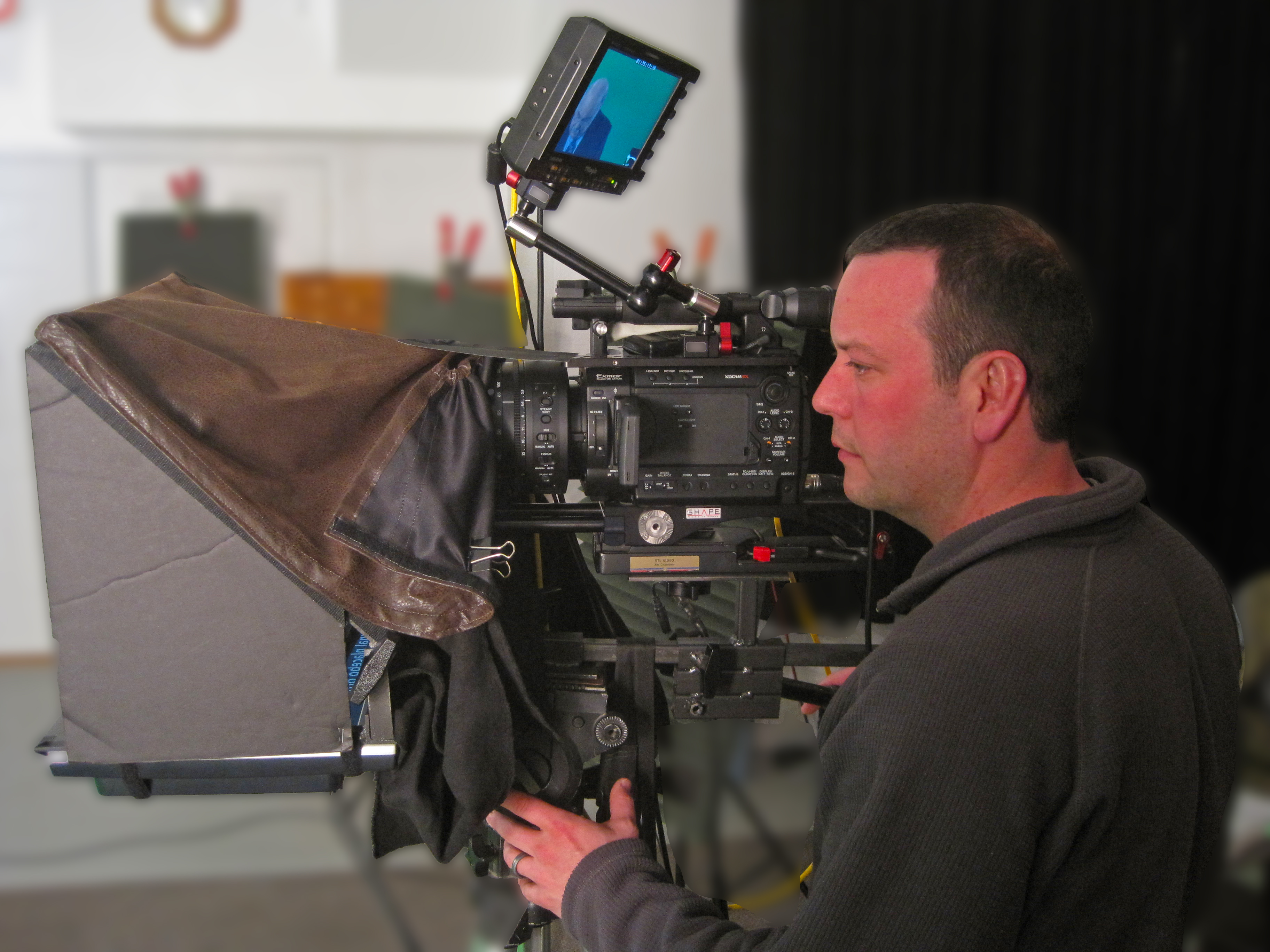
Executives, employees, customers, donors, and technical experts can communicate information directly to an audience, helping establish credibility and trust.
However, many interview subjects are not professional presenters.
They may feel uncomfortable on camera, struggle to organize their thoughts, or become distracted by unfamiliar equipment.
An experienced studio production team helps make the recording process more comfortable and productive.
Preparing the Interview Subject
Before recording, the producer should explain the purpose of the interview, the intended audience, and the general topics to be discussed.
Participants should understand that they do not necessarily need to memorize answers.
For conversational interviews, thoughtful questions can encourage natural responses.
The producer can guide the discussion, request clarification, and help the participant provide complete statements that will work during editing.
Camera Framing and Eye Lines
Camera placement influences how viewers perceive the speaker.


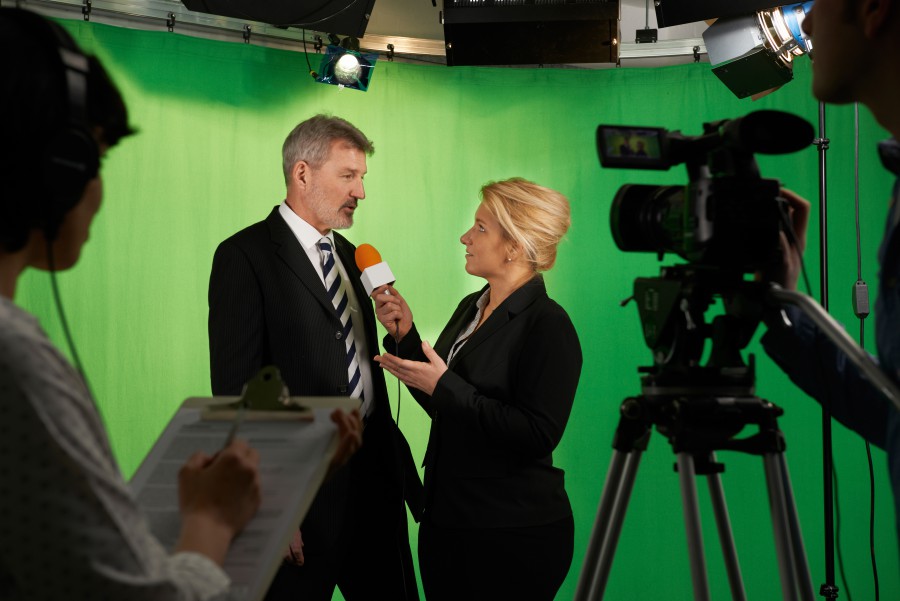

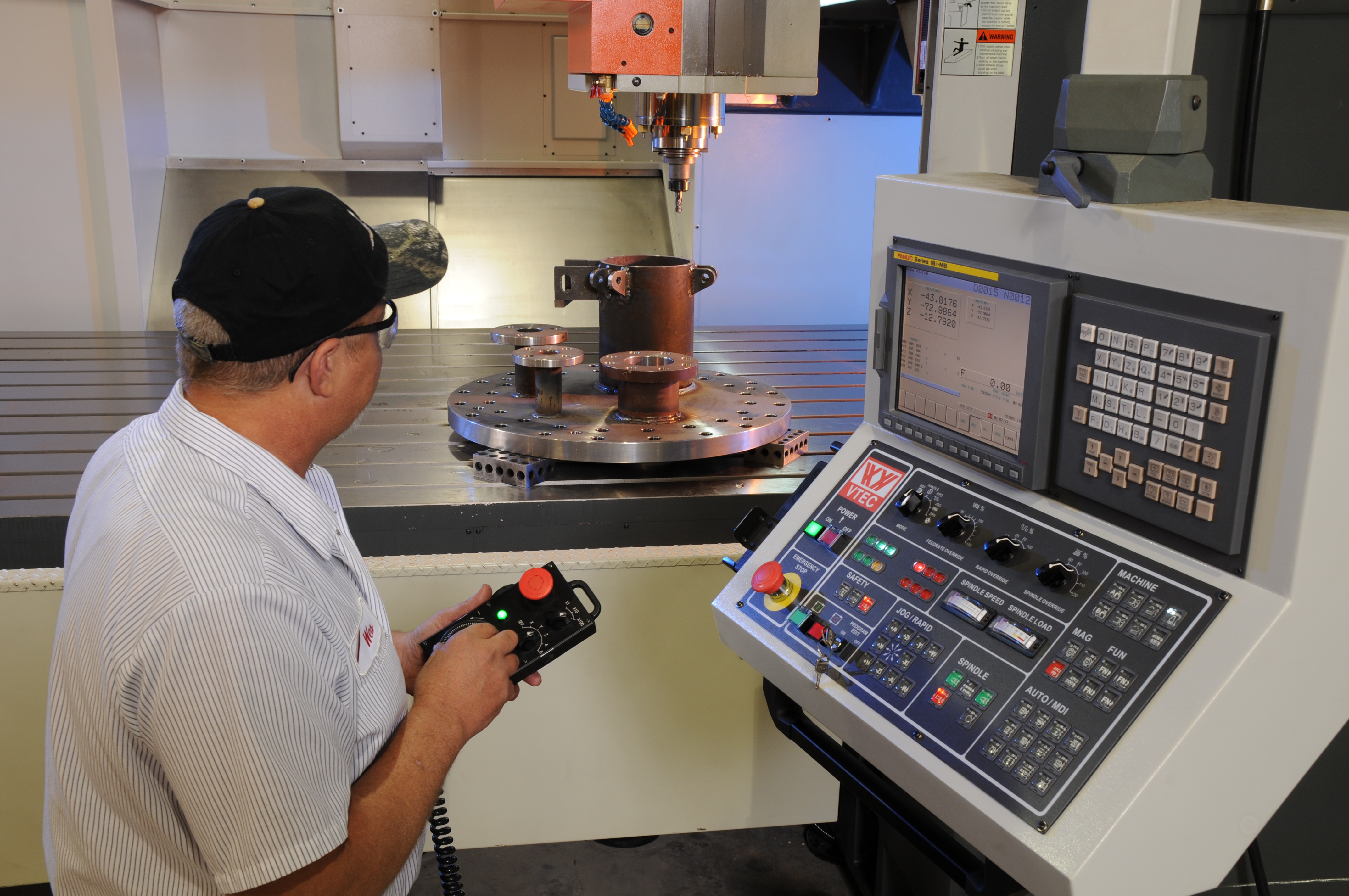


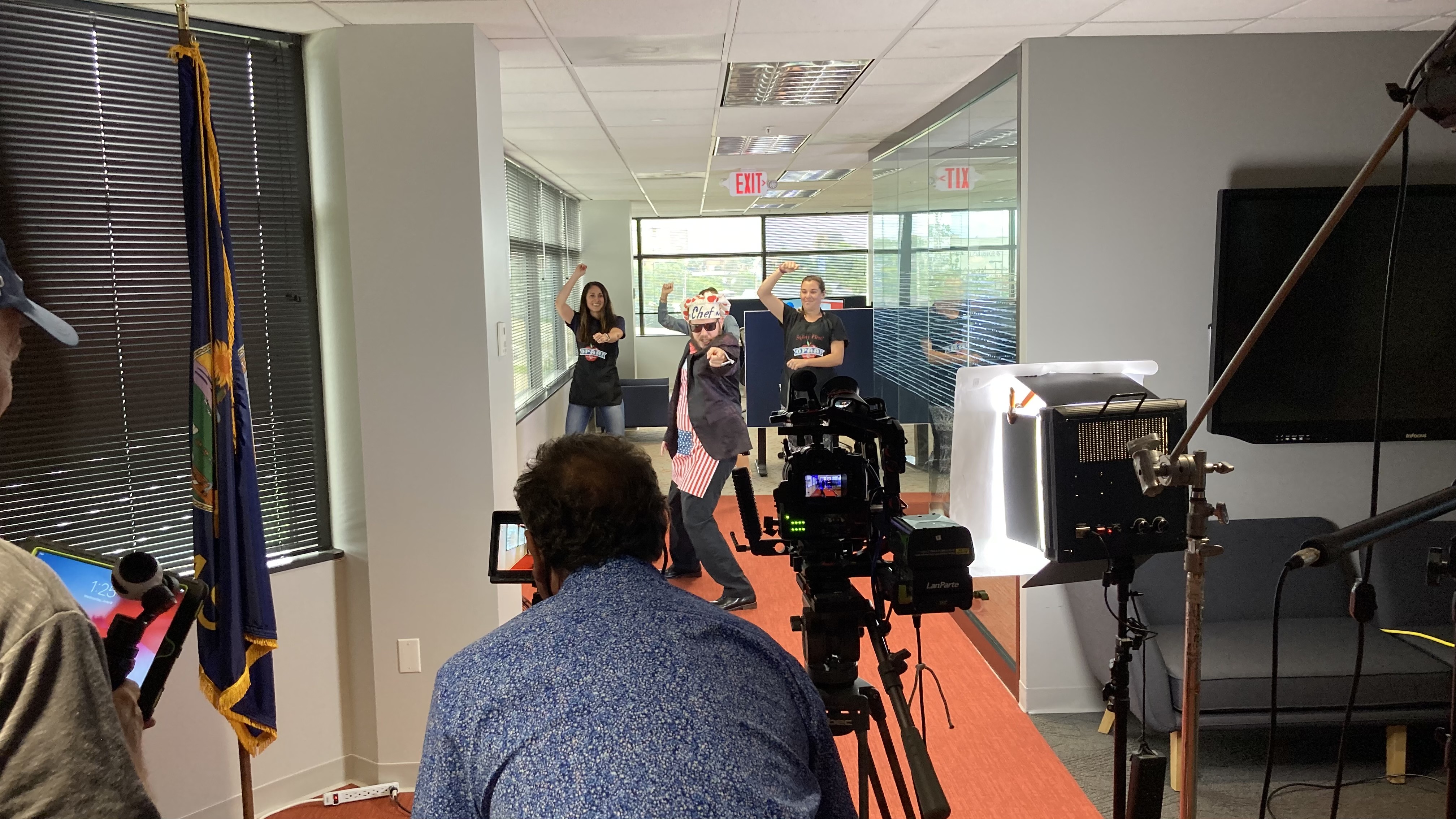
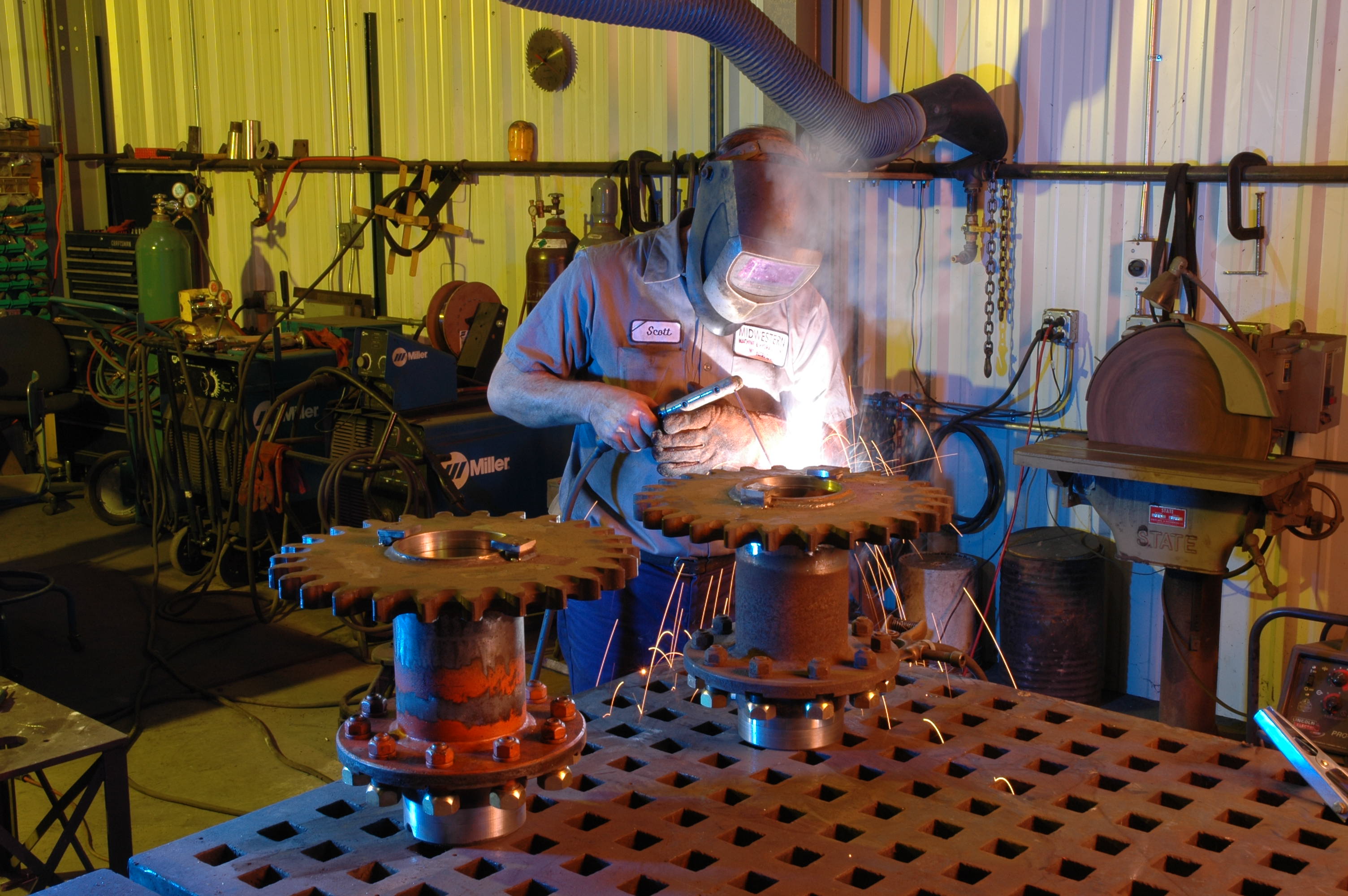
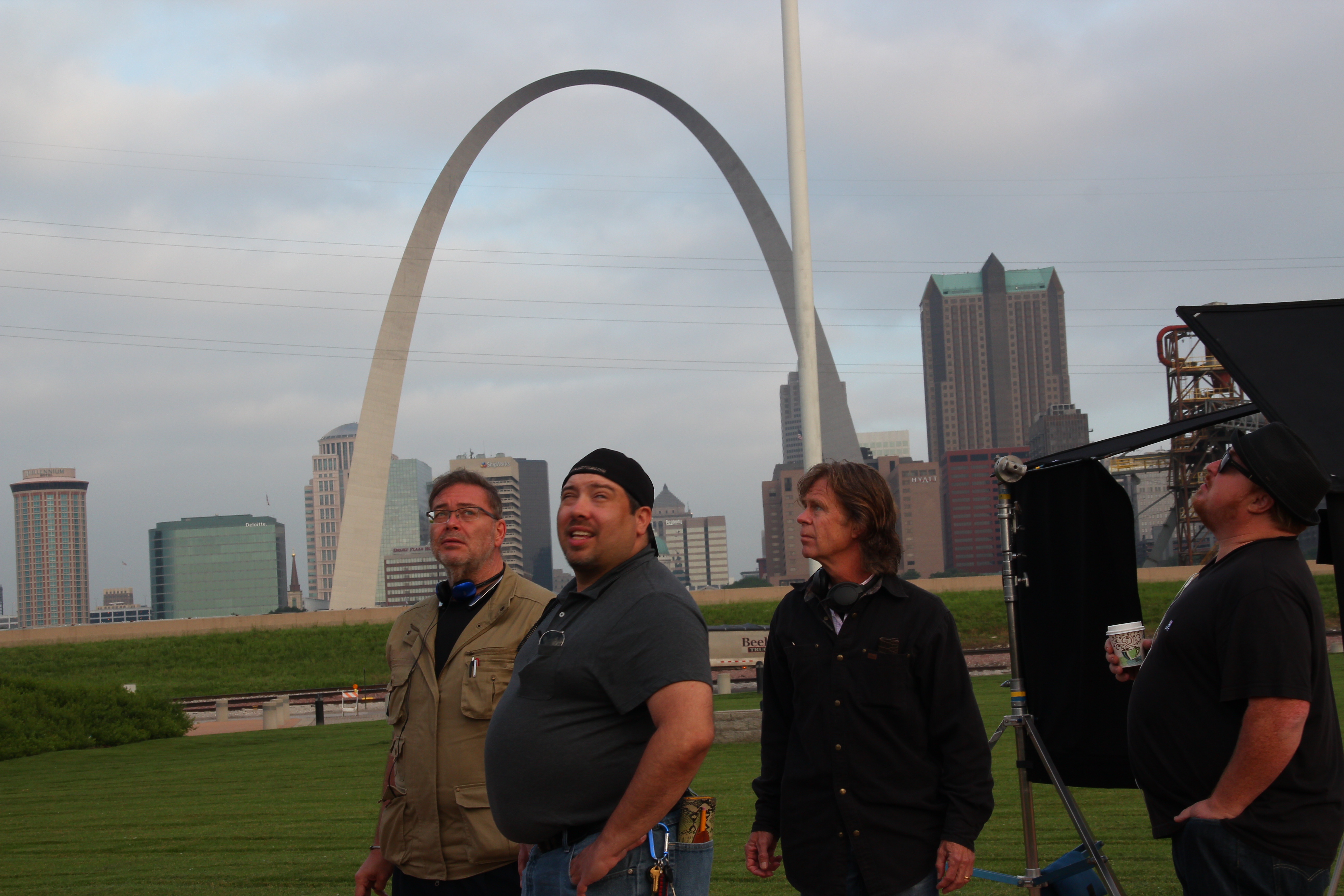
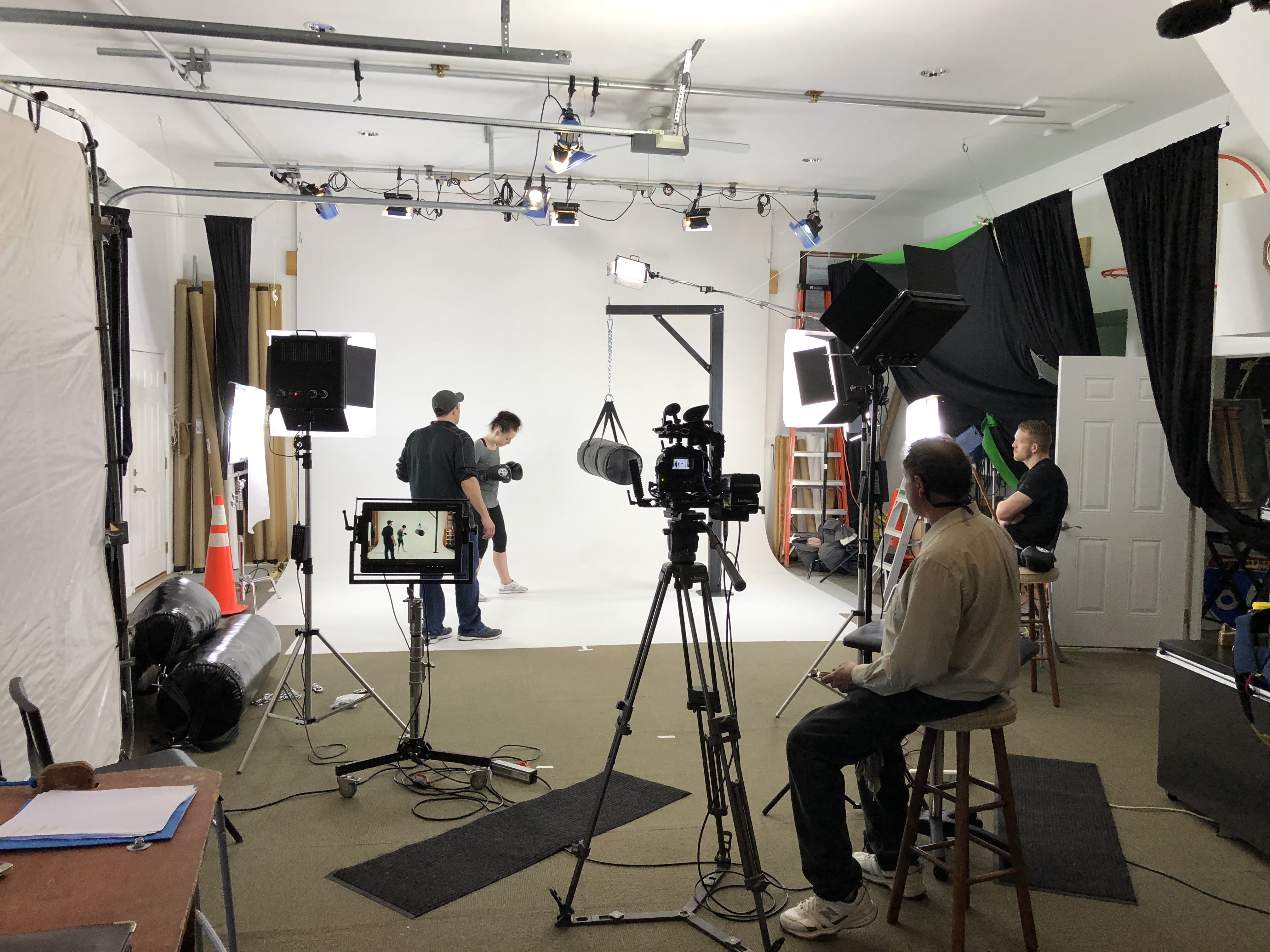
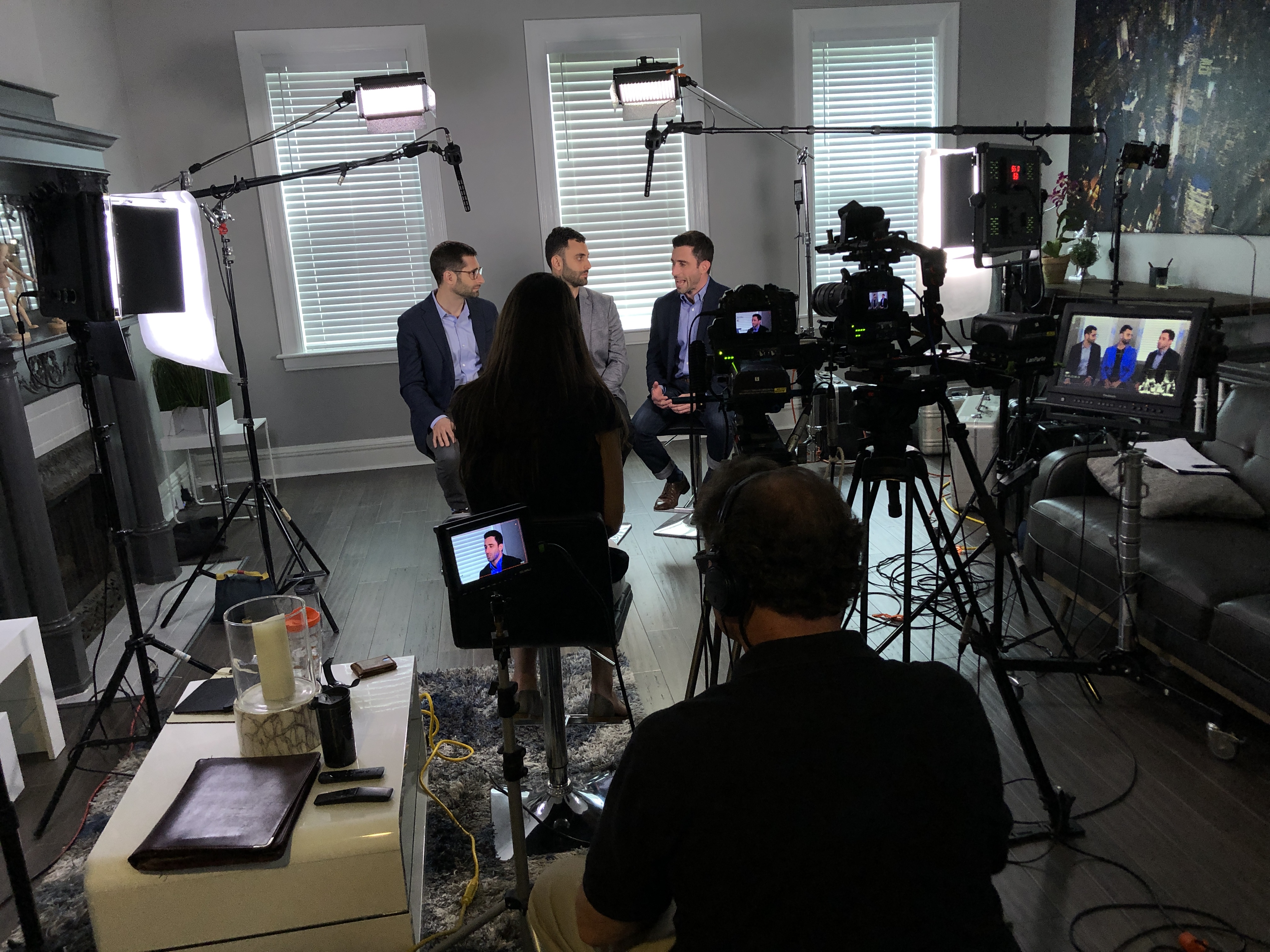
A direct-to-camera presentation creates a different relationship with the audience than an interview in which the subject looks slightly off-camera toward an interviewer.
An experienced camera operator selects the composition based on the intended message.
Lens choice, background distance, subject positioning, and camera height all affect the finished image.
Professional Interview Lighting
Good interview lighting should complement the subject without becoming distracting.
A controlled lighting arrangement can provide facial dimension, reduce unwanted shadows, and separate the subject from the background.
Lighting should also work with wardrobe, skin tones, eyeglasses, and set materials.
These details are particularly important for executive communications, where the image should project professionalism and credibility.
Custom Studio Sets Help Reinforce Your Brand
One of the advantages of a flexible professional video studio is the ability to create a visual environment tailored to the client’s needs.
An executive announcement may require a sophisticated corporate appearance.
A customer testimonial might benefit from a comfortable, conversational setting.
A training presentation could use a simpler background that keeps attention on the instructor and supporting information.
supporting information.


Using Furniture, Props, and Branded Elements
Custom sets do not necessarily require elaborate construction.
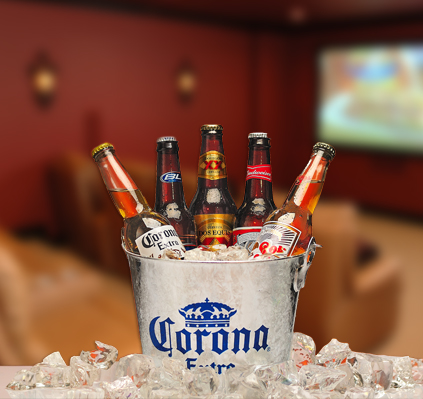
Carefully selected furniture, lighting accents, backgrounds, company signage, and products can establish a professional visual identity.
A well-designed interview set might include a chair, side table, decorative elements, and controlled background lighting.
For product videos, tables and display surfaces can be arranged to support demonstrations.
The important consideration is whether the environment complements the message without introducing unnecessary distractions.
Creating a Repeatable Visual Identity
Companies producing recurring communications benefit from consistent studio sets.
A recurring executive message or training series should ideally maintain similar lighting, framing, background treatment, and audio quality.
Documenting studio arrangements makes it easier to reproduce the visual style during future sessions.
This consistency helps audiences recognize the company’s communications and creates a more cohesive presentation across multiple videos.
Multi-Camera Studio Production Adds Professional Flexibility
Recording with multiple cameras can improve the editing options available for interviews, demonstrations, presentations, and educational programs.
A two-camera interview may include a medium composition and a closer view of the speaker.
Editors can alternate between these perspectives to maintain visual interest and create smoother transitions.
For product demonstrations, additional cameras may capture details or alternate angles.
Coordinating Camera Settings
Multi-camera production requires technical consistency.
Camera operators must coordinate exposure, white balance, frame rate, resolution, and color settings.
Audio synchronization is also essential.
Experienced production teams establish these requirements before recording to simplify post-production.
When Multiple Cameras Are Worthwhile
Not every assignment requires several cameras.
A short scripted announcement may be efficiently recorded with a single camera.
A lengthy interview, product demonstration, or training program may benefit from additional coverage.
The appropriate configuration depends on the project’s creative requirements, budget, and intended deliverables.
A professional producer can recommend the right approach without introducing unnecessary complexity.
Teleprompters Make Executive Presentations More Efficient
Corporate leaders often need to deliver accurate, carefully prepared messaging.
Executive announcements, regulatory communications, training presentations, and product introductions may require precise wording.
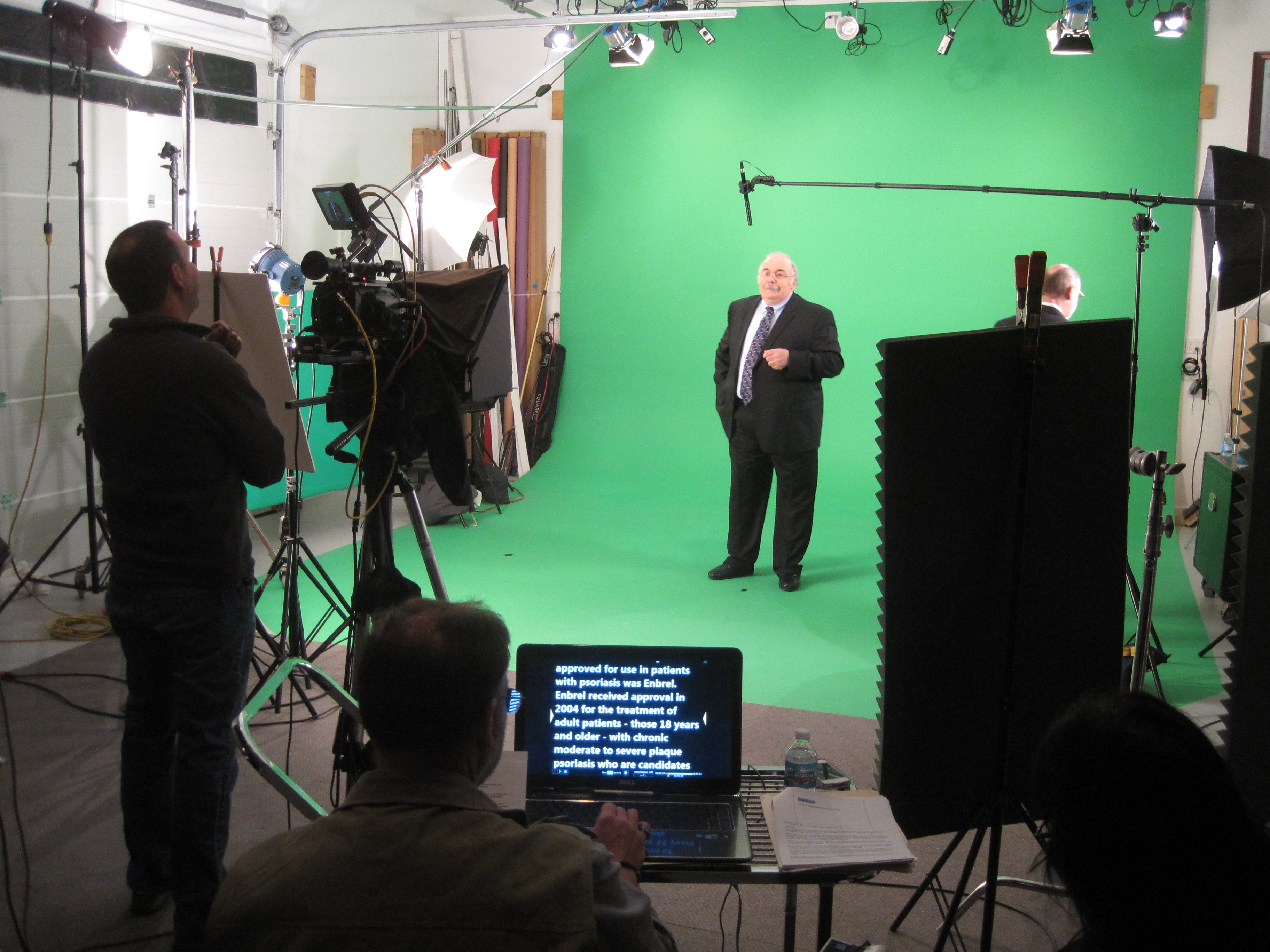
A professional teleprompter allows presenters to read prepared material while maintaining eye contact with the camera.
Why Teleprompter Operation Matters
Effective teleprompter use involves more than displaying a script.
Text size, line spacing, reading speed, camera positioning, and presenter comfort affect the recording.
An experienced operator adjusts the display to match the speaker’s natural pace.
Properly prepared scripts also help.
Writing for spoken delivery generally requires shorter sentences and more conversational phrasing than formal written communications.
A professional studio production team can help organize the recording process so that executives deliver accurate messages without sounding excessively rehearsed.

Green Screen Production and Virtual Backgrounds
Green screen technology provides additional creative flexibility for corporate video.
When a subject is recorded against a properly illuminated chroma-key background, the background can be replaced during post-production.
This technique is useful for educational presentations, digital training, corporate communications, and videos requiring customized graphics or environments.
However, successful green screen production requires appropriate lighting and careful attention to technical details.
The background must be illuminated evenly while the subject is separated from it.
Clothing colors, reflective surfaces, shadows, motion blur, and camera compression can affect the quality of the final composite.
Professional crews understand these considerations and can determine whether green screen is appropriate for the assignment.
Studio Production for Corporate Training and Educational Videos
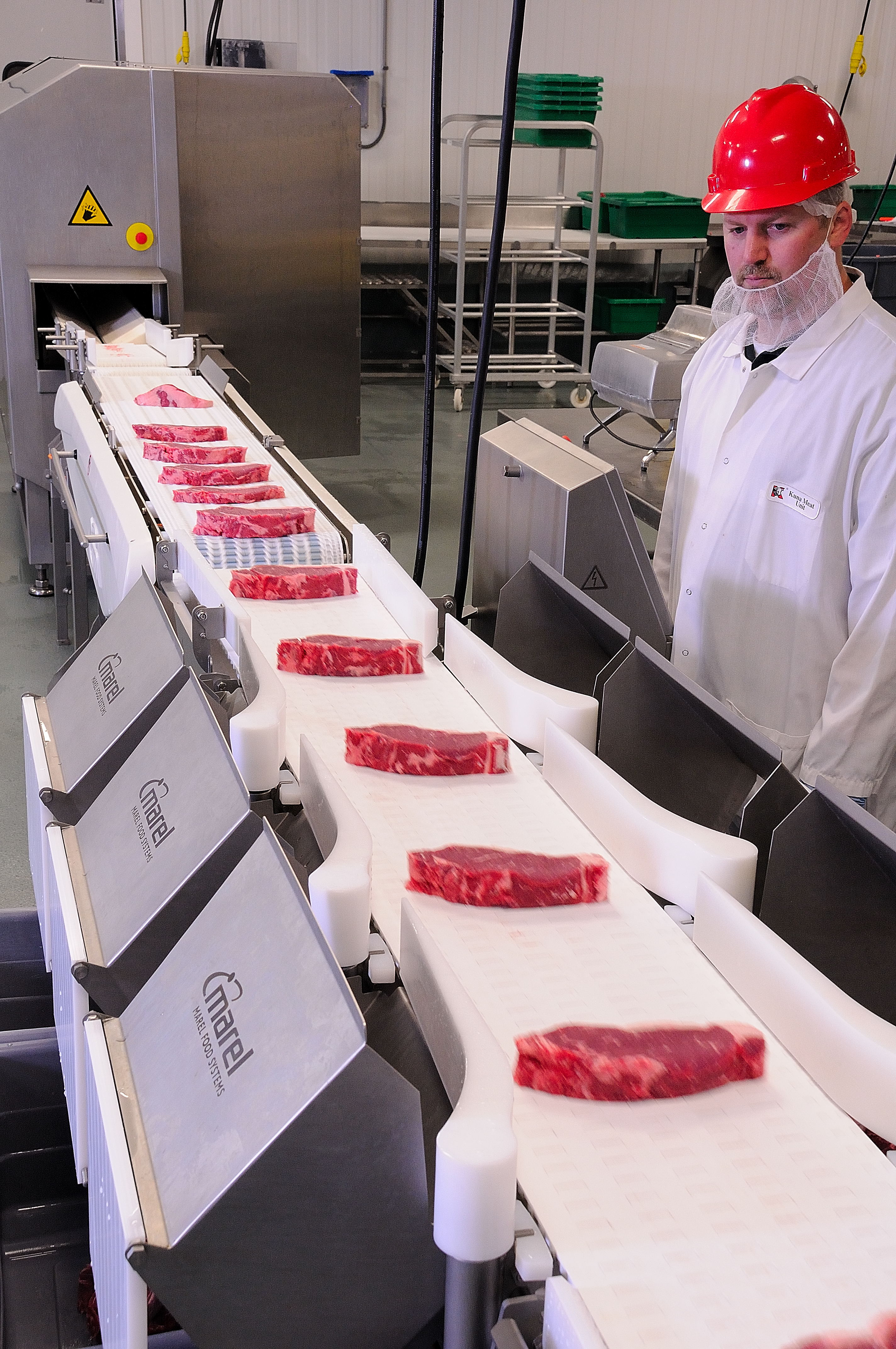
Employee training represents one of the most practical applications of professional studio production.
Organizations frequently need instructional material that can be delivered consistently to employees across different departments or locations.
Videos may cover onboarding, workplace safety, equipment procedures, product education, customer service, compliance, and professional development.

