Unknown's avatar

How Service-Repair Companies Can Use Simple, Real-World Video to Book More Jobs

If you run—or market—a service repair business, you already know what customers want before they call: confidence.

They want to know:

  • Are you legit?
  • Will you show up?
  • Will you treat my home or facility with respect?
  • Will you fix it right the first time?
  • Will I get surprised by the price?

A polished brand video helps, but the videos that consistently book more repairs often look simpler: real technicians, real jobs, real proof. That’s the core idea behind “Film Your Day”—a practical content approach where you capture your work as it happens and turn it into high-trust marketing that converts.

This isn’t about becoming an influencer. It’s about documenting what you already do—then editing it into videos that reduce hesitation and increase bookings.


Why “Film Your Day” works for repairs

Most service companies compete on similar claims: fast, friendly, affordable, experienced. Your prospects assume everyone says that.

What they can’t easily see is how you operate:

  • cleanliness and professionalism
  • diagnostic skill
  • safety practices
  • communication style
  • quality control
  • tools and process

“Film Your Day” bridges the trust gap. It shows competence in a way a website can’t.

When done well, these videos become:

  • lead generators (social + local search)
  • appointment setters (retargeting + landing pages)
  • objection handlers (sales follow-up)
  • reputation builders (Google Business Profile content, reviews support)

The 4 video types that book more service repairs

You don’t need dozens of concepts. You need a repeatable set that targets how customers decide.

1) The “Before / After + What We Found” video

Purpose: Prove results and expertise quickly.
Length: 20–60 seconds.

Structure:

  • 1–2 seconds: the visible symptom (“no heat,” “leaking,” “won’t start,” “sparking,” “clogged line”)
  • 5–10 seconds: the diagnosis moment (“here’s the actual cause”)
  • 5–10 seconds: the fix
  • 3–5 seconds: the result (“back to normal,” “pressure restored,” “safe and code-ready”)
  • CTA: “If you’re seeing this, call us before it gets worse.”

These perform because they’re visual, specific, and instantly relatable.

2) The “What It Costs If You Wait” video

Purpose: Create urgency without fear-mongering.
Length: 15–45 seconds.

Examples:

  • “A small leak isn’t small for long.”
  • “This sound is your early warning.”
  • “This panel issue is a safety problem, not a convenience problem.”

Keep it calm, professional, and grounded in real consequences: damage, downtime, safety, repeat failures.
3) The “How to Know It’s Time” checklist video

Purpose: Capture high-intent searches and reduce uncertainty.
Length: 30–90 seconds.

Examples:

  • “3 signs your water heater is about to fail”
  • “When that breaker keeps tripping, here’s what it usually means”
  • “If your commercial unit does this, schedule service before peak season”

These position you as helpful (not pushy) and drive inbound calls.

4) The “Meet the Tech + Process” trust video

Purpose: Replace the fear of letting someone in the building/home.
Length: 30–60 seconds.

Show:

  • shoe covers / floor protection
  • how you explain options
  • how you quote and document
  • cleanup habits
  • professionalism and safety

For homeowners and facility managers alike, trust is the product.


What to film during a normal day (without slowing the work)

A “Film Your Day” approach only works if it stays practical.

Here’s a realistic shot list that fits into real jobs:

Quick clips to capture

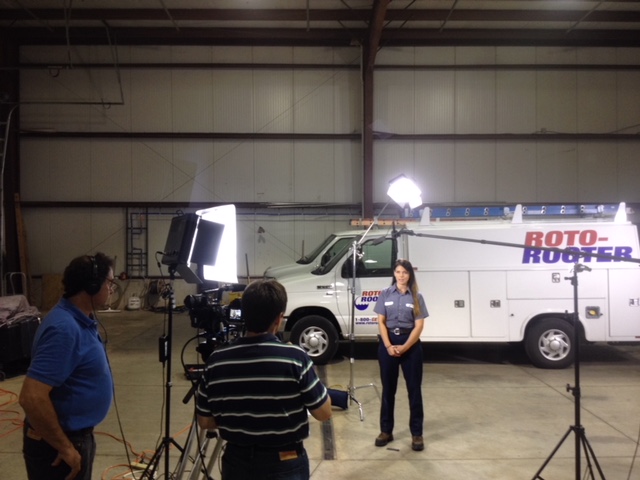
  • arriving at the job (truck + logo + location context)
  • the “problem moment” (leak, noise, error code, damaged part)
  • diagnostic step (meter reading, camera scope, thermal check, pressure test)
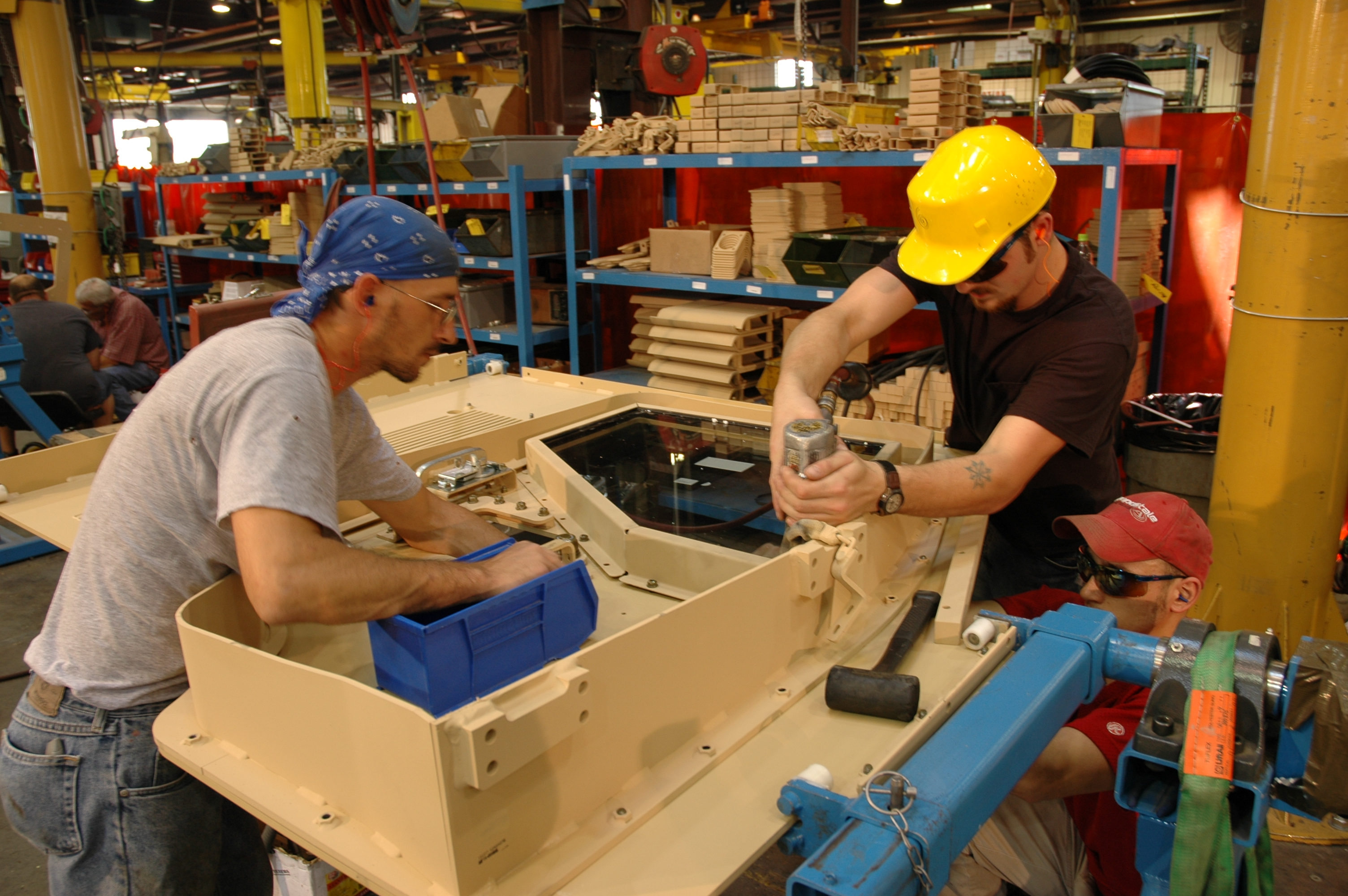
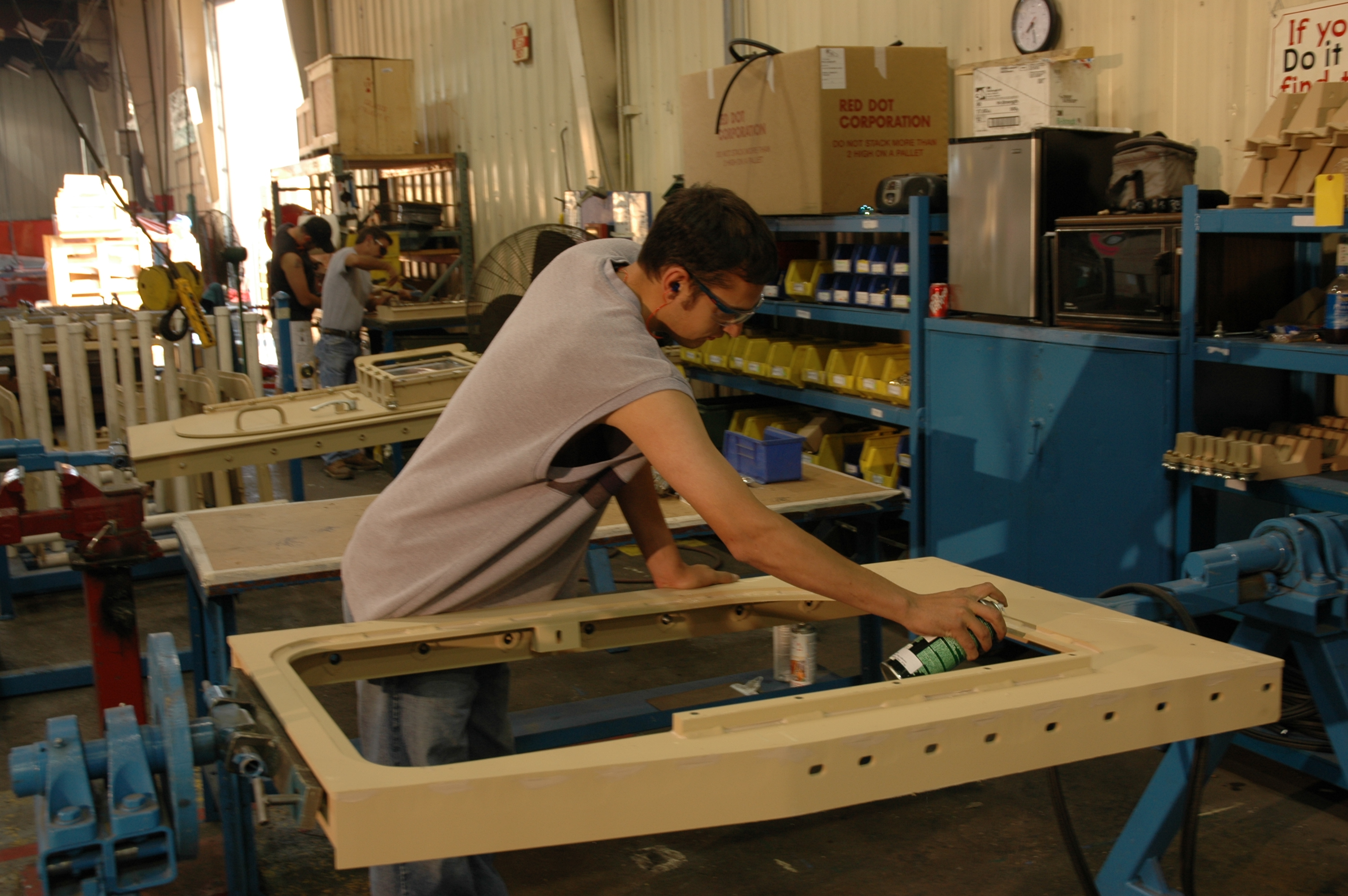
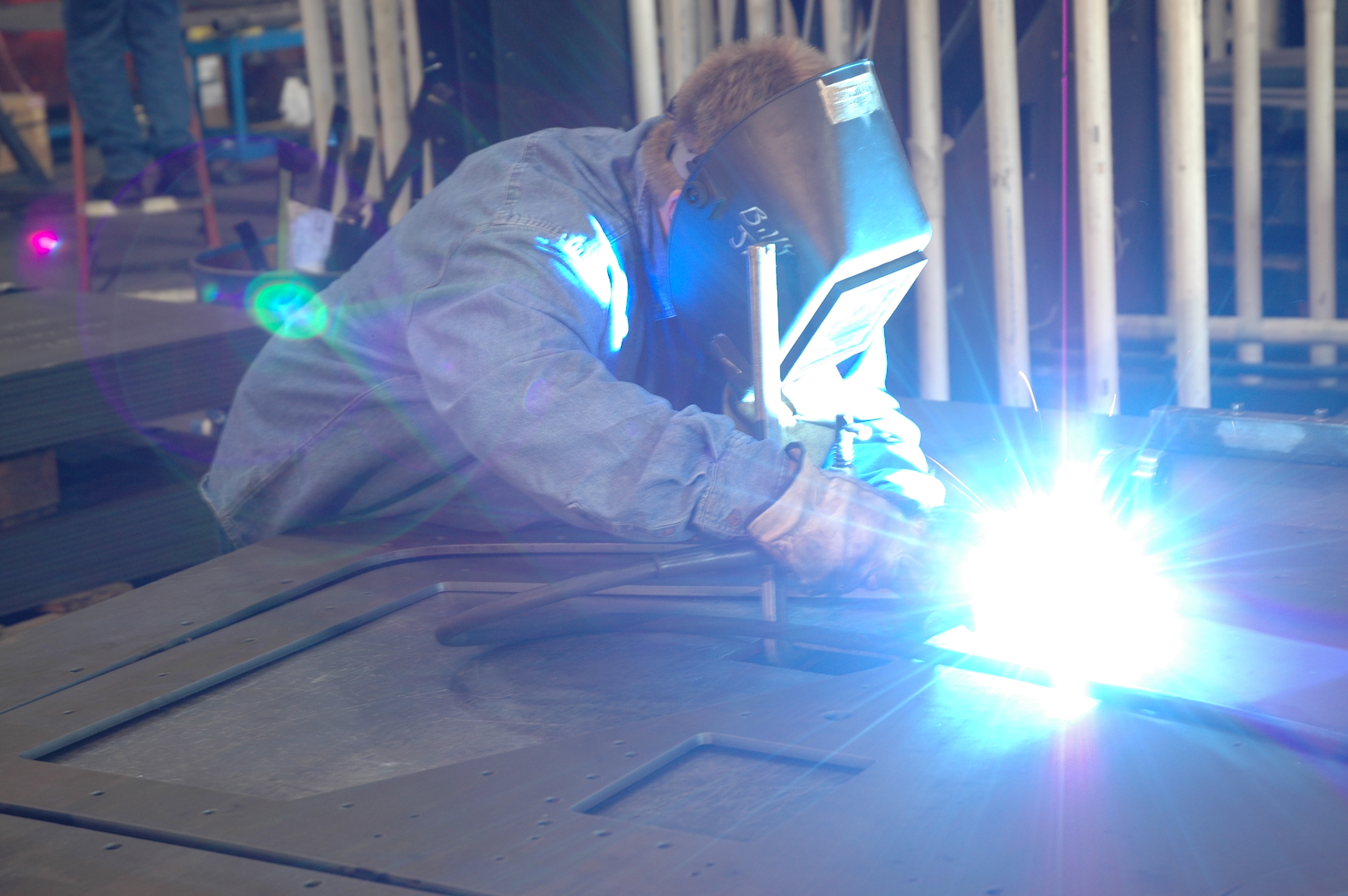
  • repair action (tight shots: hands/tools, replacement part, connections)
  • verification (system running, gauge stable, temp restored)
  • cleanup/protection (drop cloths, wiping, tidy workspace)
  • quick tech-to-camera line (10 seconds): “Here’s what caused it…”

What not to film

  • customer faces / private documents / addresses in frame
  • sensitive security systems without permission
  • anything that reveals a client’s vulnerabilities (especially commercial facilities)

A professional production partner will help build a simple on-site workflow that’s fast, compliant, and repeatable.


The script that converts: “Problem → Cause → Fix → Proof → Next step”

Service video scripts should be short and structured. Here’s a template that works across trades:

Hook (1 sentence): “If your [unit/system] is doing this… don’t ignore it.”
Cause: “In this case, the real issue was [specific cause].”
Fix: “We [repair step] and replaced [part] to restore [function].”
Proof: “Now you can see [result]—and here’s what we checked to confirm it.”
CTA: “If you’re seeing this at your home/facility, call us and we’ll diagnose it before it turns into a bigger repair.”

It’s not sales copy. It’s competent communication.


Editing choices that separate “content” from “bookings”

The difference between views and booked calls is often the edit.

Make it scannable

Decision makers and homeowners watch on phones. Use:

  • tight pacing (cut dead space)
  • on-screen keywords (“Cause,” “Fix,” “Result”)
  • simple captions (not walls of text)
  • clear audio (no echo, no compressor pumping)

Show proof, not just talking

Use b-roll of the diagnostic step and the verification step. That’s where credibility lives.
Add local trust signals

For repair services, local presence matters. Include:

  • neighborhood/city cues (without revealing addresses)
  • fleet consistency
  • uniformed techs
  • shop/studio presence
  • “serving [area]” text overlays

Build a versioning system

One job can become:

  • 1 “hero” cut (60–90s)
  • 3 short clips (15–30s) for socials
  • 1 vertical story/reel
  • 1 website embed
  • 1 ad-ready version with CTA

This is how you scale without constantly “creating new ideas.”


Where these videos make the phone ring

If you want bookings, distribute where intent and trust intersect:

  • Google Business Profile: post weekly clips; supports local conversion behavior
  • Service pages: embed the most relevant videos on each service page (HVAC, plumbing, electrical, roofing, etc.)
  • Retargeting ads: show “before/after” and “what we found” videos to people who visited your site
  • Sales follow-up: text/email a 30-second proof clip after an estimate
  • LinkedIn (B2B service repairs): facility managers respond well to process + safety + reliability content

Common mistakes (and quick fixes)

  • Mistake: Every video is “we’re the best.”
    Fix: Make videos about customer problems and your process.
  • Mistake: Too long, too slow.
    Fix: Lead with the problem/result, then explain.
  • Mistake: No call to action.
    Fix: One line: “If you’re seeing this, schedule service.”
  • Mistake: Footage exists but never gets used.
    Fix: Batch-edit and publish on a simple cadence (e.g., 2 shorts/week).
Closing: why St. Louis Video Studio is built for “Film Your Day” service content

At St. Louis Video Studio, we’ve worked with businesses, marketing firms, and creative agencies in the St. Louis area since 1982, helping organizations turn real-world operations into professional marketing assets that build trust and drive action.

We’re a full-service professional commercial photography and video production company with the right equipment and creative crew service experience for successful image acquisition. We offer full-service studio and location video and photography, plus editing and post-production, and licensed drone support—including the ability to fly specialized drones indoors when the project calls for it.

St. Louis Video Studio can customize your productions for diverse media requirements, and we specialize in repurposing your photography and video branding so each shoot produces multiple deliverables across platforms. We’re well-versed in all file types, media styles, and the software needed to deliver clean, usable assets for web, social, broadcast, and internal communications. We also use the latest Artificial Intelligence tools to accelerate editing workflows, create fast cutdowns, and help you publish consistently without sacrificing quality.

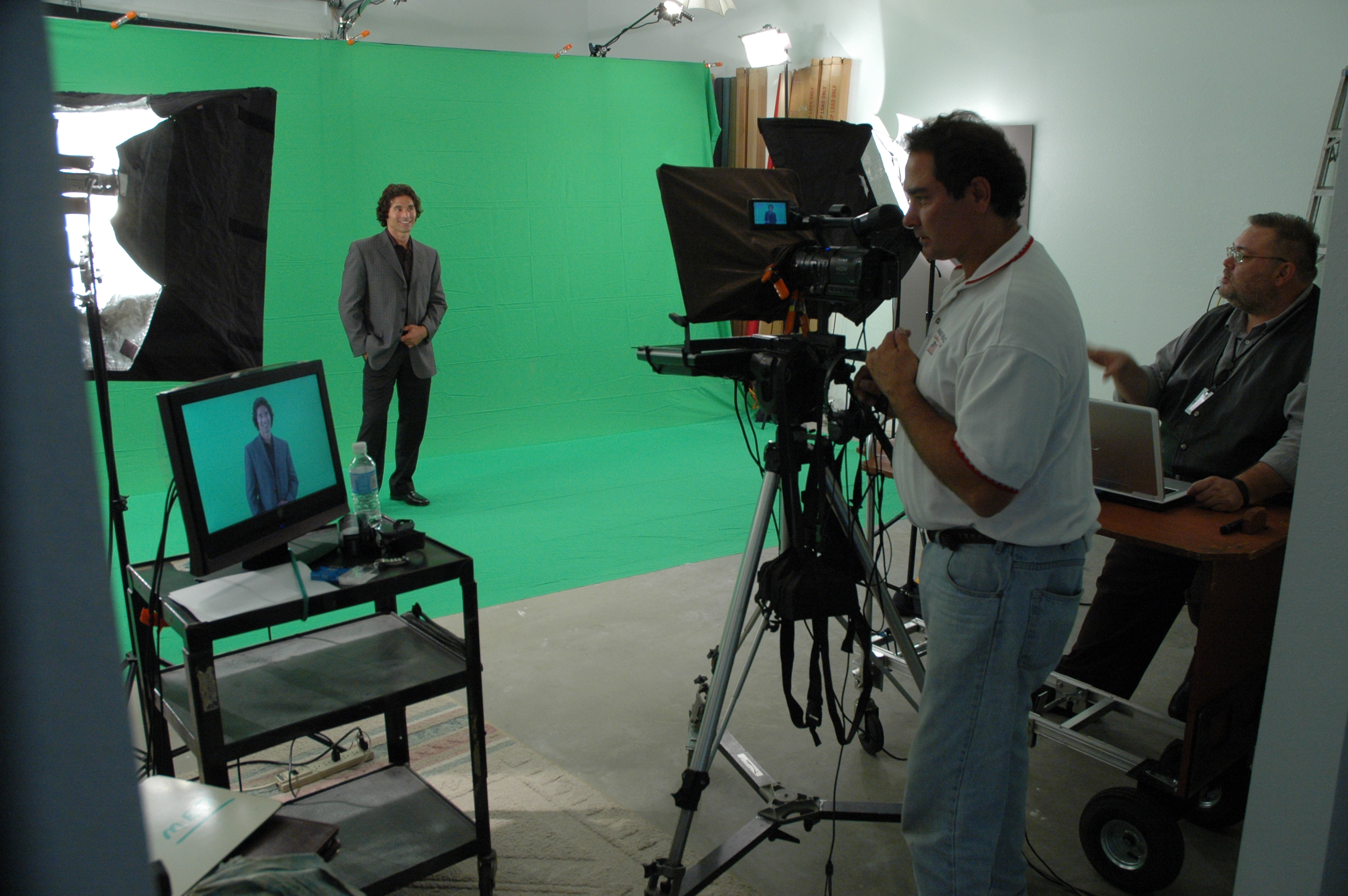
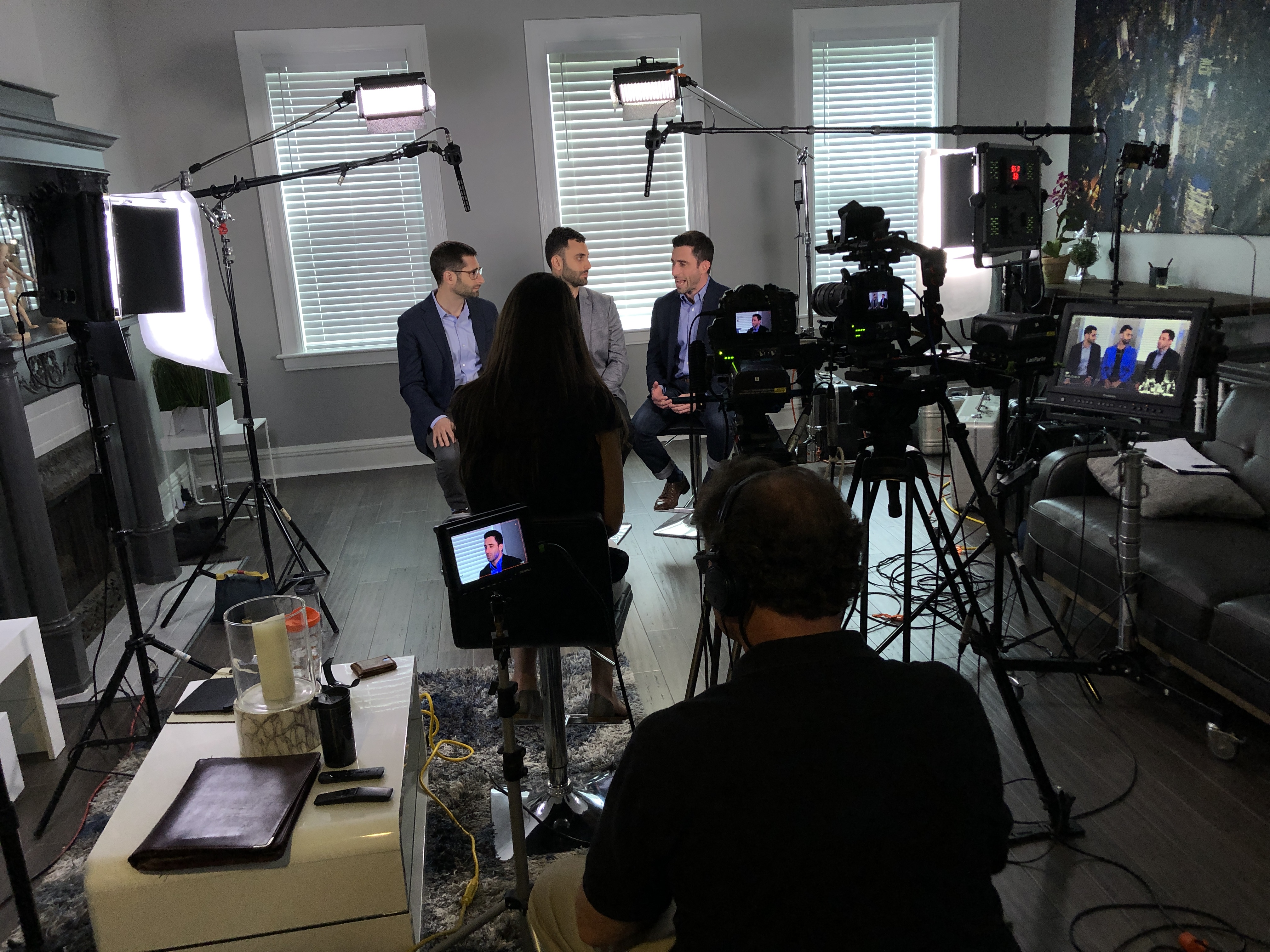
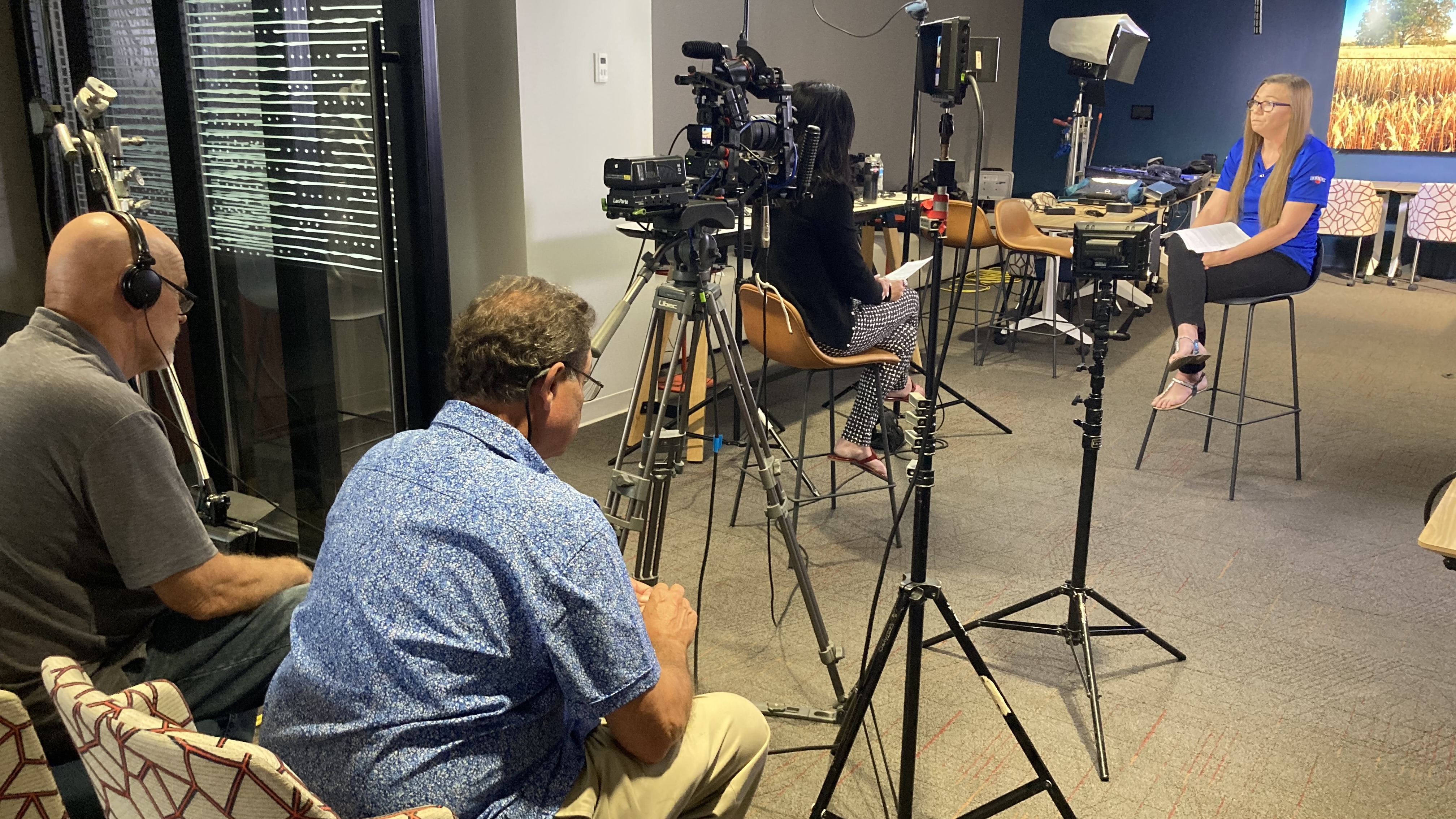
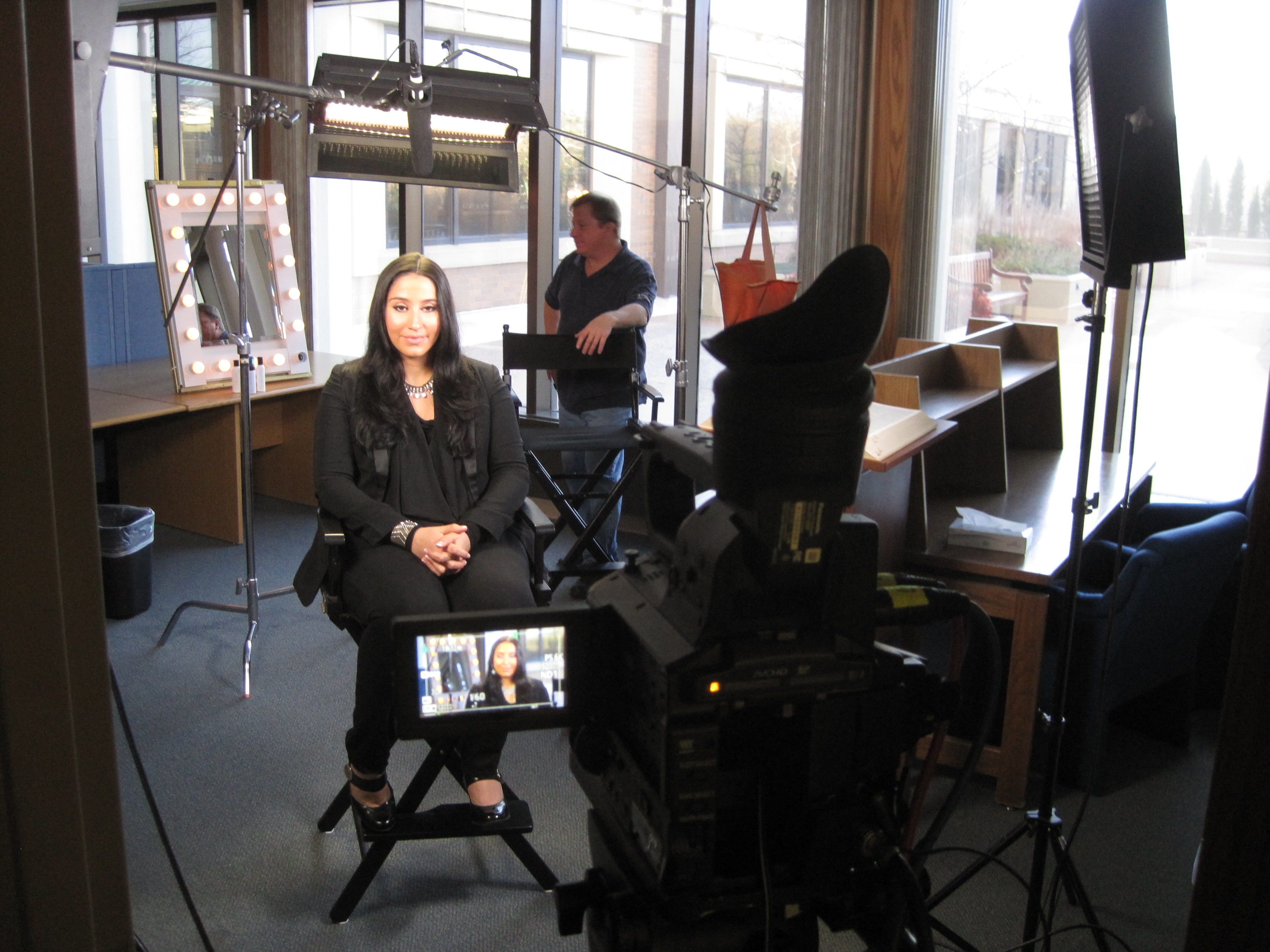
Our private studio lighting and visual setup is perfect for small productions and interview scenes, and our studio has room for props and set elements to round out your look. We support every aspect of your production—from building a private, custom interview studio to supplying professional sound and camera operators and the right equipment—so your next video production is seamless and successful.

If you want to film your day and turn everyday repairs into consistent bookings, we can help you build a practical video system that captures real proof, edits for trust, and publishes with purpose.

314-913-5626

stlouisvideostudio@gmail.com

Unknown's avatar

From Marathon to Micro: The Power of Repurposing Long-Form Training into Engaging Video Bites

In today’s fast-paced business landscape, attention spans are shrinking, and the demand for digestible, easily accessible information is at an all-time high. For decision-makers in marketing, video production, and photography services, this presents a unique challenge: how do you deliver essential training and educational content effectively when your audience is time-poor and inundated with information? The answer lies in the strategic repurposing of your valuable long-form training sessions into shorter, more impactful video clips.

Traditional lengthy training videos, while comprehensive, often suffer from diminishing engagement. Learners can become overwhelmed, lose focus, and struggle to retain key information. This is where the “micro-learning” approach, fueled by intelligently segmented video content, truly shines.

Why Shorter is Smarter: The Benefits of Video Micro-Content

  • Enhanced Engagement and Retention: Shorter videos are less daunting and easier to consume. This leads to higher completion rates and, more importantly, improved information retention. When content is broken down into specific, bite-sized modules, learners can focus on one concept at a time, making it easier to absorb and recall.
  • On-Demand Accessibility and Flexibility: Imagine your employees needing a quick refresher on a specific procedure. Instead of sifting through an hour-long training video, they can instantly access a two-minute clip that addresses their exact need. This on-demand availability empowers self-directed learning and immediate problem-solving.
  • Targeted Learning Paths: By segmenting your training, you can create customized learning paths. Different departments or roles may only need specific information from a broader training session. Shorter clips allow you to tailor content precisely, avoiding information overload and increasing relevance.
  • Versatility in Distribution: Short video clips are incredibly versatile. They can be embedded in internal communication platforms, shared on social media for external outreach, used in email newsletters, or even integrated into interactive learning modules. This expands the reach and utility of your initial investment in training content.
  • Cost-Effective Updates and Iteration: If a particular policy or procedure changes, it’s far more efficient to update or reshoot a short, specific video clip than to revise an entire long-form production. This agility ensures your training content remains current and accurate with minimal overhead.
  • SEO and Discoverability: For external-facing educational content, shorter, keyword-rich videos are more likely to rank higher in search results, driving organic traffic and positioning your organization as a thought leader.

The Strategic Approach to Transformation

Converting your extensive training sessions into impactful micro-content isn’t simply about cutting a long video into arbitrary segments. It requires a thoughtful, strategic approach:

  1. Content Audit and Identification of Key Concepts: Begin by meticulously reviewing your existing long-form training. Identify the core learning objectives, key takeaways, and distinct topics that can stand alone as individual video segments. Think about the natural breaks in the information flow.
  2. Scripting for Brevity and Clarity: Even if the original training was unscripted, consider creating concise scripts or outlines for your shorter clips. Each video should have a clear purpose, a defined beginning, middle, and end, and deliver a single, focused message.
  3. Visual Reinforcement: Leverage strong visuals to enhance understanding. This might include on-screen text, graphics, animations, or relevant B-roll footage. Remember, the goal is to convey information efficiently, and visuals are a powerful tool for this.
  4. Professional Editing and Post-Production: The quality of your micro-content reflects on your brand. Professional editing ensures smooth transitions, clear audio, consistent branding, and an overall polished look. This includes color correction, sound design, and the addition of lower thirds or graphics.
  5. Strategic Call to Action (Where Applicable): For external content, consider a subtle call to action. This could be a link to more information, a sign-up form, or an invitation to explore related topics. For internal training, the call to action might be a quick quiz or a link to a relevant resource.
  6. Leveraging AI in Media Production: Modern video production is significantly enhanced by Artificial Intelligence. AI can assist in transcription, content summarization, identifying key moments for segmentation, and even generating initial edits. This streamlines the process of breaking down long videos and optimizing them for various platforms.
  7. By embracing the strategy of converting long training sessions into shorter, purposeful video clips, businesses and organizations can dramatically improve the efficacy of their educational content. It’s an investment that pays dividends in employee engagement, knowledge retention, and the overall professional image of your brand.
  8. St Louis Video Studio and Photography: Your Partner in Image Acquisition Success
  9. At St Louis Video Studio, we understand the critical importance of effective visual communication. As a full-service professional commercial photography and video production company since 1982, we bring unparalleled experience and a creative crew to every project. We are equipped with the right tools and expertise for successful image acquisition, offering full-service studio and location video and photography. Our services extend to comprehensive editing, post-production, and we boast licensed drone pilots for captivating aerial perspectives, including the unique capability to fly our specialized drones indoors.
  10. St Louis Video Studio excels at customizing productions for diverse media requirements. We specialize in repurposing your photography and video branding to gain more traction, ensuring your visual assets work harder for you. Well-versed in all file types, styles of media, and accompanying software, we leverage the latest in Artificial Intelligence for all our media services, optimizing workflows and enhancing creative output.
  11. Our private studio offers the perfect lighting and visual setup for small productions and interview scenes, with ample space to incorporate props and round out your set. We support every aspect of your production—from setting up a private, custom interview studio to supplying professional sound and camera operators, as well as providing the right equipment—ensuring your next video production is seamless and successful. Since 1982, St Louis Video Studio has proudly partnered with numerous businesses, marketing firms, and creative agencies in the St. Louis area, delivering exceptional marketing photography and video solutions.

314-913-5626

stlouisvideostudio@gmail.com

Unknown's avatar

The Right Questions Make the Best Stories: Crafting Clear, Compelling Video Testimonials

When it comes to marketing your business, few tools are as effective and persuasive as a well-produced video testimonial. These authentic endorsements allow real customers or clients to tell your story from their perspective, adding a level of trust and relatability that scripted ads simply can’t achieve.

But a successful testimonial video doesn’t happen by accident—it requires thoughtful planning, a comfortable interview environment, and most importantly, the right questions. As an experienced videographer, photographer, and producer at St Louis Video Studio, we’ve helped countless businesses capture powerful on-camera testimonials that resonate. In this post, we’ll break down which types of questions help uncover clear, emotionally engaging stories that move viewers to act.


1. Start with Context: Set the Scene

Before diving into the customer’s experience with your brand, it’s important to establish context. Help the viewer understand who this person is and what problems they were facing before finding your business.

Sample Questions:

  • Can you tell us a little about your business or role?
  • What challenges were you facing before working with our company?
  • What prompted you to start looking for a solution?

These questions serve as an introduction, grounding the testimonial in a real-life situation and establishing the speaker’s credibility.


2. Dig Into the Decision: Why You?

Now that we know the background, help the subject explain why they chose your company. This step is key to showing what sets your brand apart from competitors.

Sample Questions:

  • What stood out about our company during your search?
  • Was there something specific that made you choose us?
  • What expectations did you have going in?

This section offers a chance to highlight your unique value propositions—through the authentic voice of a satisfied client.


3. Highlight the Experience: The Heart of the Story

This is where the testimonial becomes compelling. Ask open-ended questions that let the speaker describe the process and their interaction with your team.

Sample Questions:

  • What was it like working with us?
  • Can you walk us through how we helped you?
  • Were there any standout moments or team members?

These answers bring the story to life and help future clients imagine themselves having a similar positive experience.


4. Show the Results: Before vs. After

People watching your testimonial want to know what results they can expect. This is your client’s chance to share the impact of your services in a tangible way.

Sample Questions:

  • What changed after using our service?
  • What results did you see, and how soon?
  • How has this made a difference in your day-to-day operations?

Be sure to give room for specific outcomes—metrics, business growth, saved time, or increased confidence all make for powerful statements.


5. Encourage a Recommendation: Close Strong

Wrap up by inviting the client to summarize their experience and make a recommendation. This is often the most powerful clip to end the video with.

Sample Questions:

  • Would you recommend our company to others? Why?
  • What would you tell someone considering working with us?
  • Is there anything else you’d like to share about your experience?

These responses create a confident, satisfying conclusion and give your audience a clear message to walk away with.


The Power of a Comfortable Setup

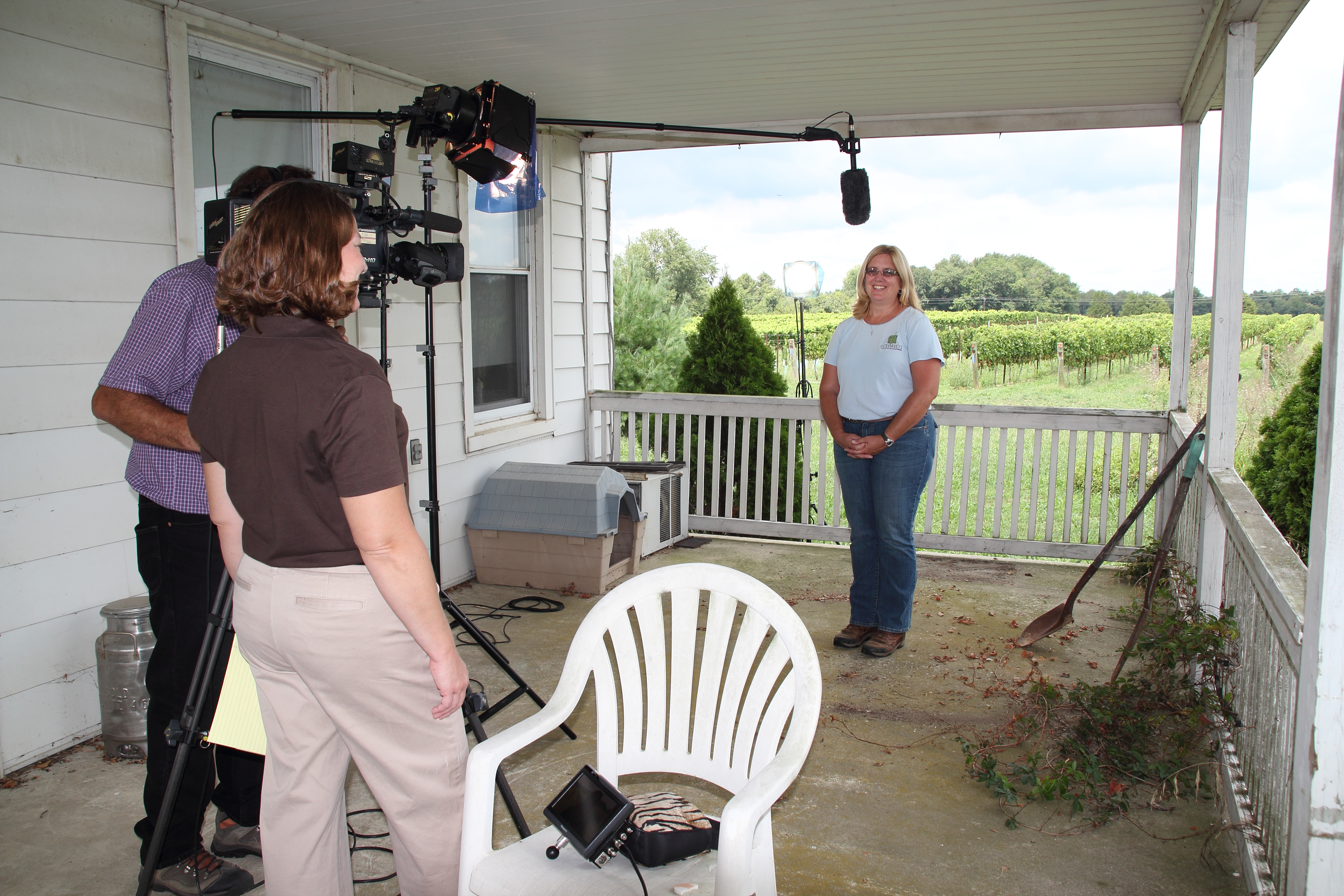
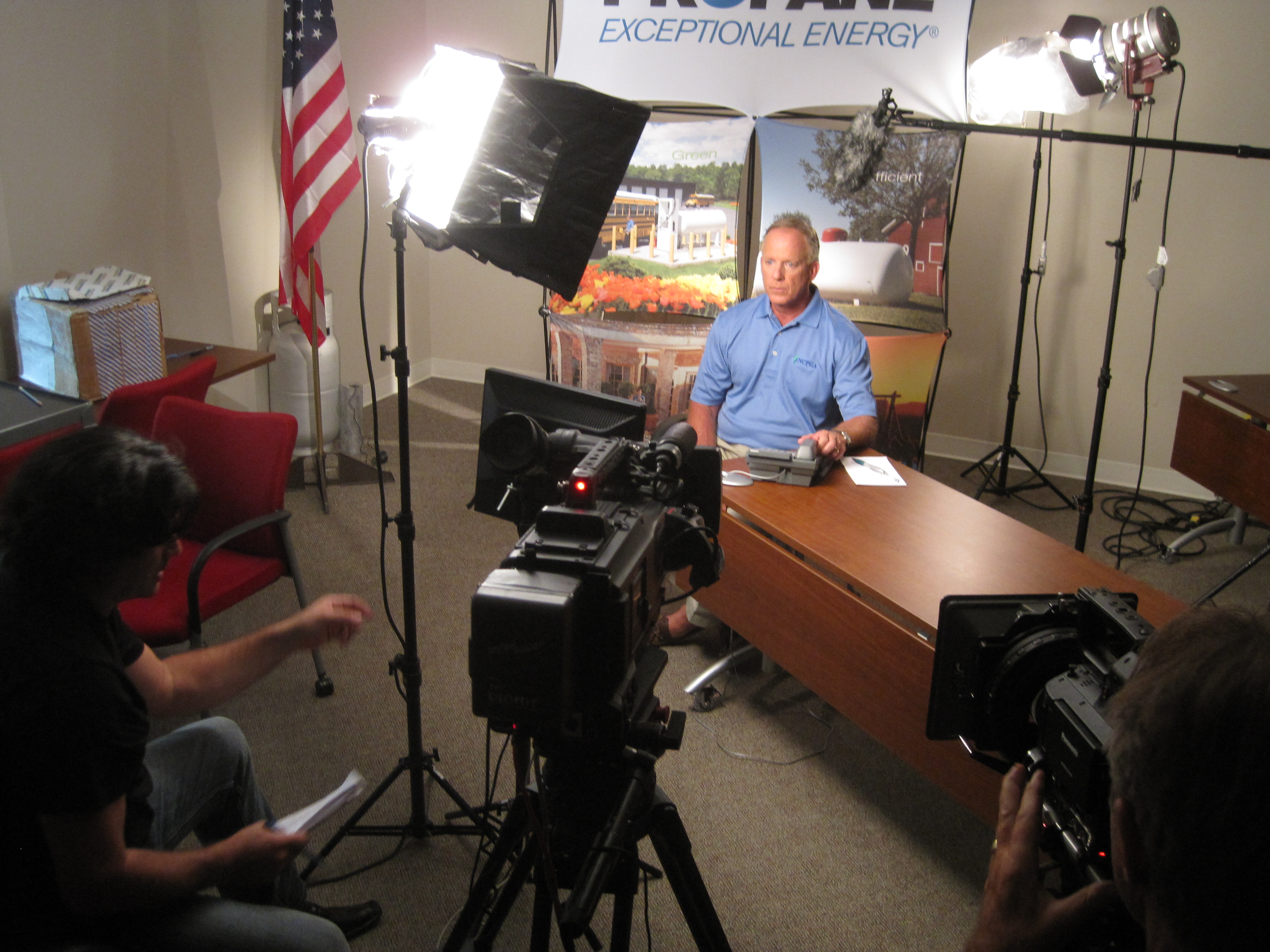
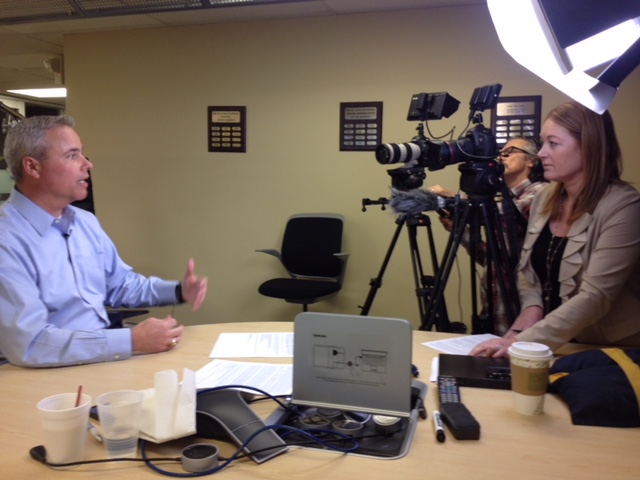
Of course, getting great answers depends not just on the questions, but the environment. That’s why at St Louis Video Studio, we prioritize creating a relaxed and professional space. Our private interview studio is designed specifically for testimonial interviews, with customizable lighting, camera setups, and the flexibility to include props or branded elements. When people feel at ease, their stories flow naturally.


Why Work with St Louis Video Studio?

At St Louis Video Studio, we’re more than just camera operators—we’re storytellers, strategists, and seasoned producers who know how to help clients speak authentically and effectively on camera.

We are a full-service professional commercial photography and video production company, offering both studio and on-location services. With years of experience in editing, post-production, and licensed drone operation, we’ve helped countless businesses across St. Louis and beyond craft testimonial videos that engage, convert, and build trust.

Whether you need a single interview or a full campaign of client stories, we have the right equipment, creative crew, and technical expertise to support every aspect of your production. We specialize in customizing content for diverse media requirements and are experts at repurposing video and photography for maximum reach across digital platforms.

Using the latest in Artificial Intelligence-enhanced media tools, we ensure your testimonial content is not only compelling but also professionally polished and optimized for modern marketing needs.

Let’s bring your customer success stories to life—clear, authentic, and powerfully told.

314-913-5626

stlouisvideostudio@gmail.com

Unknown's avatar

The Best Types of B-Roll for Different Interview Topics

In professional video production, B-roll footage plays a crucial role in reinforcing key messages, maintaining viewer engagement, and elevating the overall quality of an interview-based video. B-roll provides the visual storytelling element that supports the spoken word, making it a critical component for corporate videos, brand interviews, and marketing productions. Understanding the best types of B-roll for different interview topics can transform a simple conversation into a compelling visual experience.

When creating internal company videos focusing on training, employee engagement, or HR messaging, the right B-roll ensures a relatable and educational tone.

1. Corporate Leadership and Executive Interviews

For interviews with executives, CEOs, or thought leaders, B-roll should reflect authority, professionalism, and industry relevance. Some ideal options include:

  • Office environment shots – Capturing executives in meetings, working at their desks, or interacting with employees enhances credibility.
  • Product or service demonstration – If the interview revolves around a company’s offerings, showing the product in action solidifies the message.
  • Brand-related imagery – Logos, signage, and headquarters exterior shots establish brand identity.
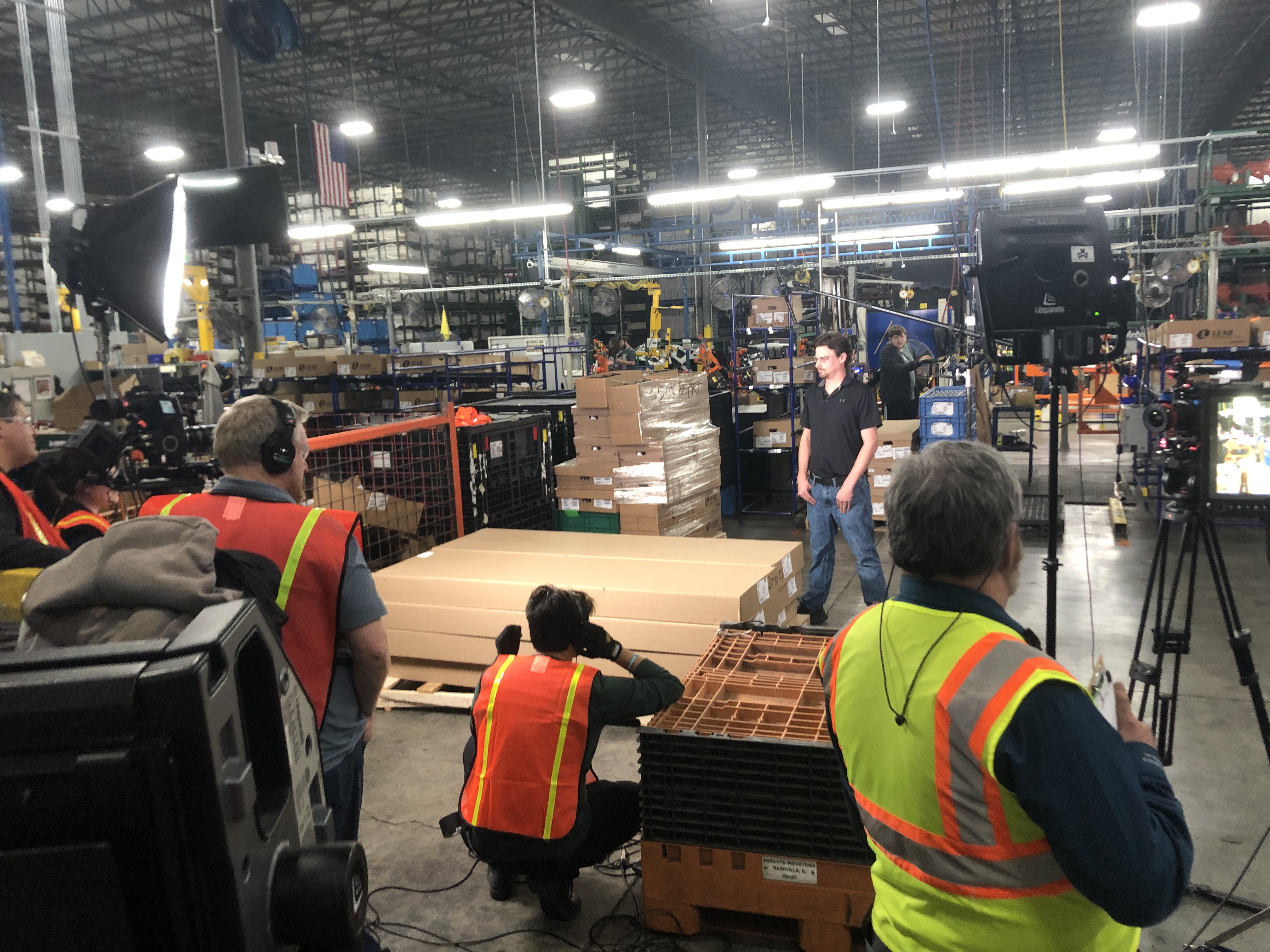
  • Industry-relevant action shots – For manufacturing companies, capturing production lines; for tech firms, close-ups of coding or server rooms.

2. Customer Testimonials and Case Studies

When filming testimonials from satisfied clients or case studies about a service’s success, B-roll should emphasize real-world applications and user benefits:

  • Customers using the product or service – Showcase real people experiencing positive results.
  • Before-and-after comparisons – If applicable, side-by-side visuals illustrating the transformation are powerful.
  • Behind-the-scenes operations – Demonstrating the process of how a service or product helps businesses or individuals.
  • Candid reactions – Natural smiles, handshakes, and positive interactions provide authenticity.

3. Marketing and Brand Promotion Interviews

For interviews with marketing professionals, branding experts, or company representatives discussing campaigns and promotions, engaging B-roll enhances storytelling:

  • Marketing materials in action – Show billboards, digital ads, or social media content related to the campaign.
  • Event coverage – If the brand is involved in trade shows or promotional events, incorporate that footage.
  • Office brainstorming sessions – Team meetings, whiteboard sketches, and strategy discussions add energy.
  • Creative processes – Designers working on branding elements, videographers setting up shots, or photographers capturing product images.

4. Employee Training and Internal Communications

When creating internal company videos focusing on training, employee engagement, or HR messaging, the right B-roll ensures a relatable and educational tone:

  • Team collaboration shots – Employees working together in conference rooms, problem-solving, or collaborating on projects.
  • Workplace safety visuals – If training covers safety protocols, detailed shots of correct procedures being followed are useful.
  • Interactive learning moments – Employees engaging in workshops, onboarding sessions, or hands-on training.
  • Company culture highlights – Showcasing fun team activities, casual work moments, or company events to reinforce the organization’s culture.

5. Healthcare and Medical Interviews

For interviews in the medical or healthcare industry, the B-roll must convey expertise, compassion, and cutting-edge technology:

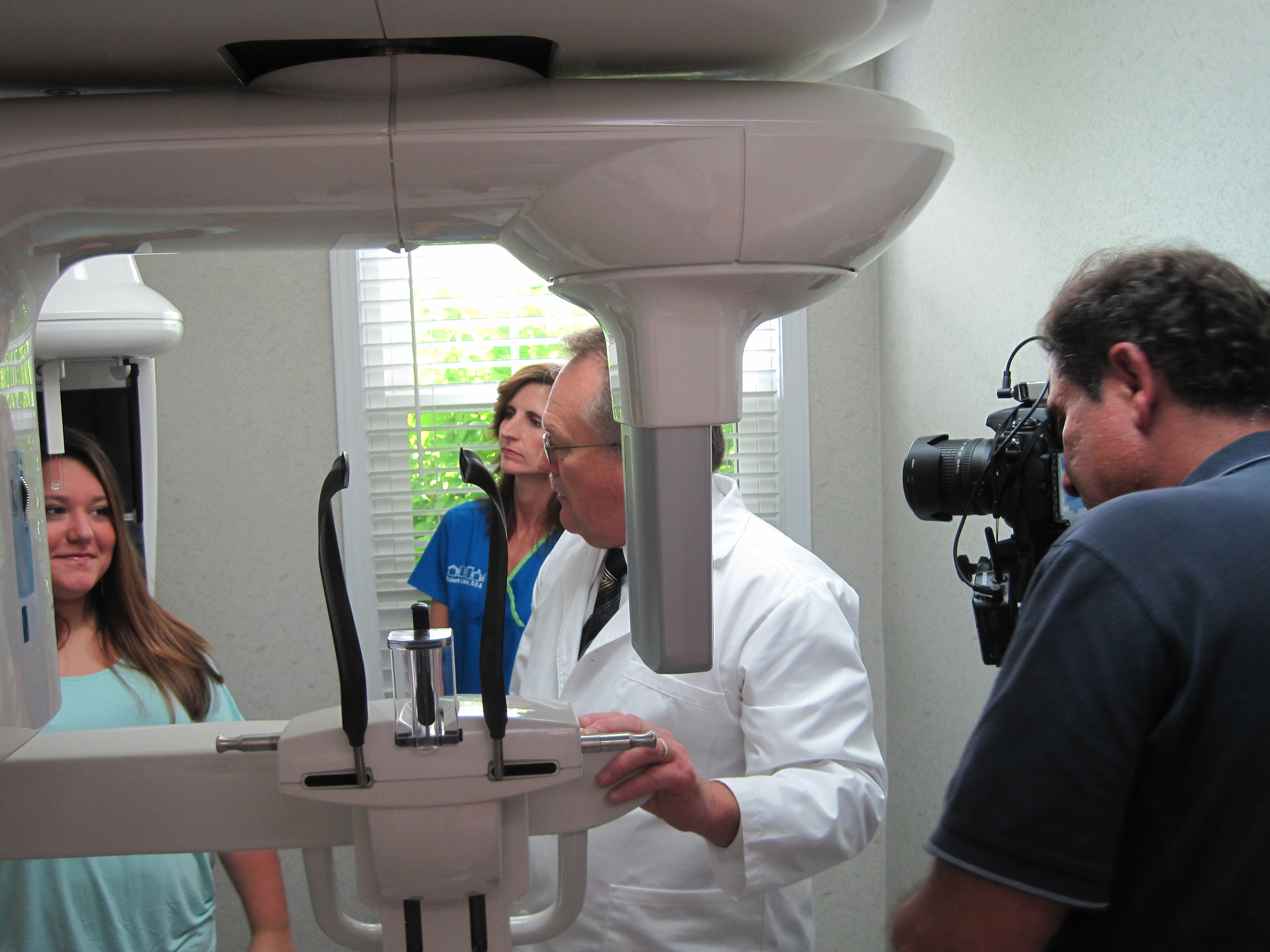
  • Doctor-patient interactions – Capturing consultations, diagnostic processes, or patient care moments.
  • Medical procedures or equipment – Close-ups of technology used for diagnosis and treatment.
  • Hospital or clinic environment – Walking through hallways, team meetings among medical professionals.
  • Wellness-focused imagery – Smiling patients, rehabilitation exercises, or medical professionals providing care.

6. Educational and Thought Leadership Interviews

For videos featuring industry experts, professors, or researchers, B-roll should visually complement intellectual discussions:

  • Library or research lab visuals – Footage of bookshelves, scientific experiments, or academic discussions.
  • Classroom or workshop settings – Professors teaching, students engaging, or hands-on demonstrations.
  • Computer screen recordings – Screen captures of presentations, online research, or data analysis.
  • Live speaking engagements – If applicable, snippets of keynote speeches or seminar participation.

Why St. Louis Video Studio is the Right Partner for Your B-Roll Needs

At St. Louis Video Studio, we understand that the right B-roll can make the difference between an average video and a truly compelling one. As a full-service professional commercial photography and video production company, we have the expertise, equipment, and creative talent to ensure successful image acquisition for any interview-based production.

We offer full-service studio and location video and photography, editing, post-production, and licensed drone pilots to capture unique and dynamic shots. Our ability to customize productions for diverse media requirements ensures that your brand message is enhanced and repurposed effectively. Whether you need a private custom interview studio setup, expert lighting, sound, camera operators, or specialized drone footage (including indoor flights), we provide all the elements necessary to create the perfect video production.

With a proven track record since 1982, St. Louis Video Studio has worked with businesses, marketing firms, and creative agencies across the region to produce high-quality marketing photography and video content. Whether your project requires a professional studio setting or an on-location shoot, our team is ready to help you craft an impactful visual story that resonates with your audience.

Contact us today to discuss how we can take your next video production to the next level!

314-913-5626

stlouisvideostudio@gmail.com