In a world saturated with visual content, businesses need more than just great footage—they need compelling stories that hold attention and inspire action. One of the most effective ways to elevate your brand narrative is by combining ground and aerial video. When expertly integrated, these two perspectives deliver a cinematic experience that resonates with viewers on multiple levels—emotionally, spatially, and intellectually.
As experienced storytellers at St Louis Video Studio, we help companies transform simple visuals into strategic brand messages. In this article, we’ll explore how to leverage both ground and drone footage to craft a more powerful, memorable story for your audience.
Why Both Perspectives Matter
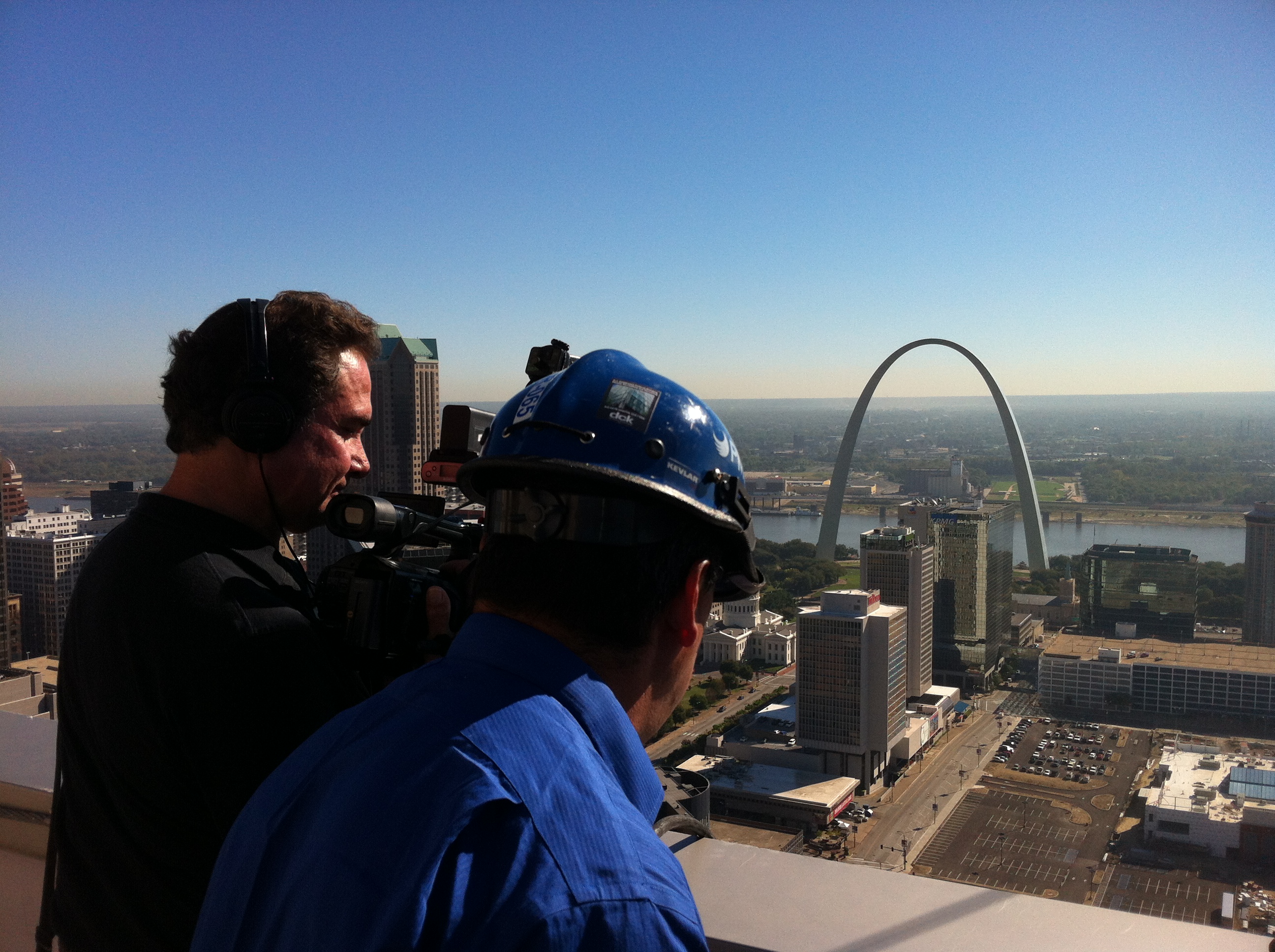
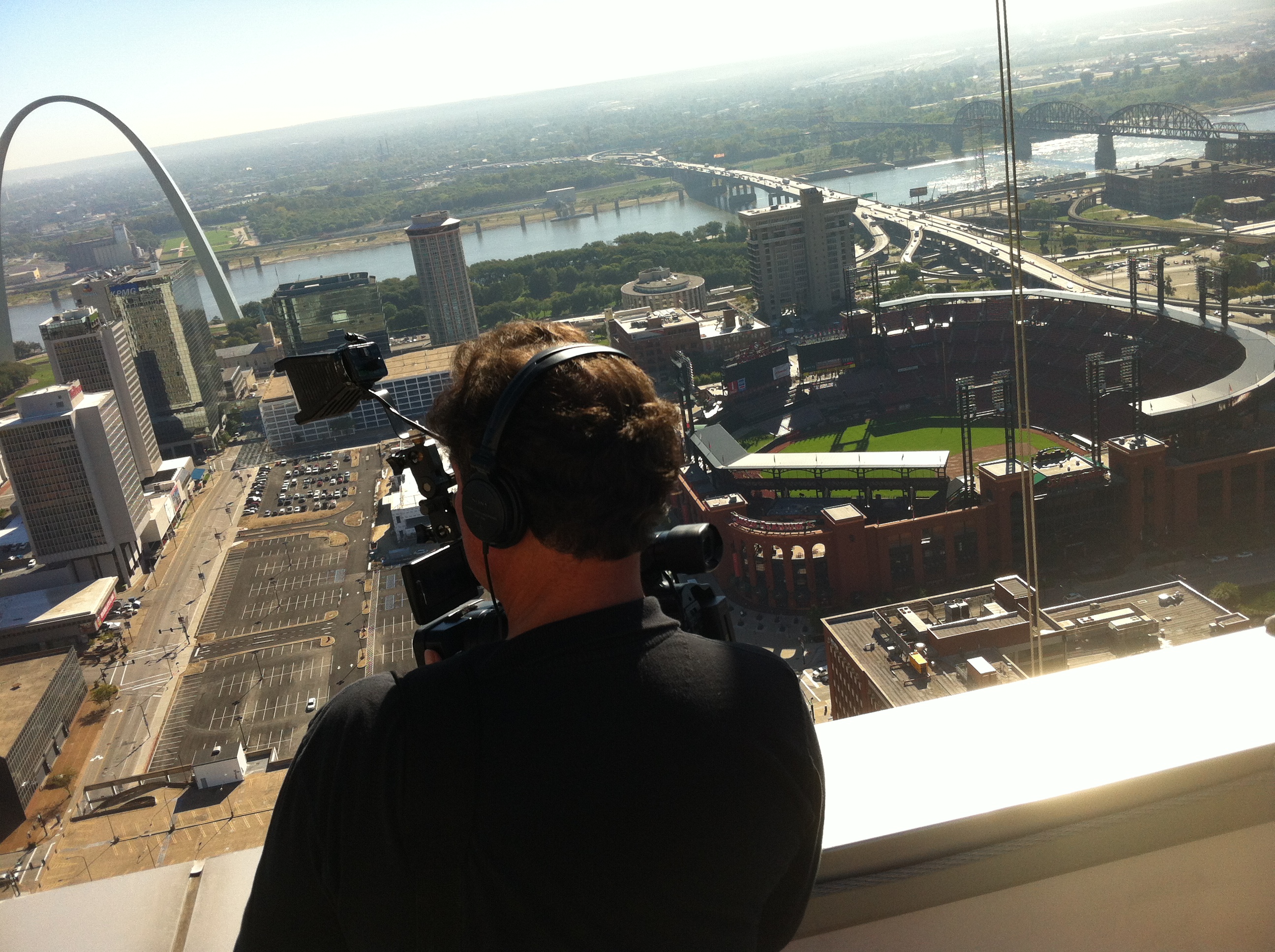
Storytelling is about perspective—both figuratively and literally. Ground-level footage creates an intimate, human connection. It captures facial expressions, textures, and close interactions that build emotional depth. Aerial footage, meanwhile, shows scale, movement, and geographic context. It lets viewers see the bigger picture—the facility, the environment, the journey.
When used together, ground and aerial videos:
Establish a location and tone
Provide narrative rhythm and variety
Highlight both scale and detail
Reinforce brand authority and production value
This multi-layered approach keeps viewers engaged and communicates more information in less time.
Structuring Your Story with Layered Visuals
Whether you’re producing a corporate overview, a customer testimonial, or a product launch video, integrating ground and drone shots requires thoughtful structure:
Open with an aerial shot – Introduce your location, set the tone, and grab attention with a sweeping view of your facility, event, or landscape.
Shift to ground footage – Bring the story in closer with interviews, operations, or interactions that offer human context.
Alternate perspectives – Use drone shots to transition between scenes or emphasize key moments (like a warehouse in action or a crowd from above).
Conclude with a dynamic blend – Wrap up with a combination of both viewpoints to reinforce your message and leave a strong impression.
Our editing team at St Louis Video Studio excels at pacing, matching color and motion between cameras, and ensuring each transition is both seamless and purposeful.
Technical Considerations for a Cohesive Look
To tell a unified story visually, you need more than great footage—you need a technically sound integration of camera styles. This includes:
Matching frame rates and resolution
Color grading across both drone and ground footage
Consistent motion direction and lens choice
Clean, professional audio to tie everything together
Our creative crew is experienced in managing multi-camera environments and blending footage from different sources, so your final video looks polished and intentional.
When and Where to Use Ground + Aerial Storytelling
This approach is especially impactful for:
Brand stories and origin videos Show where your company started, where it operates, and who drives the mission.
Client testimonials Combine interview footage with aerial B-roll of operations, locations, or client sites.
Product demos or walkthroughs Start with an aerial setup and transition into hands-on usage or close-up interaction.
Events and activations Use drone coverage to capture the energy and scale, then cut to audience or speaker reactions from the ground.
Partner with a Studio That Can Do It All
At St Louis Video Studio, we don’t just shoot video—we tell visual stories that work. As a full-service professional commercial photography and video production company, we’ve been helping businesses, marketing firms, and agencies in the St. Louis area since 1982.
We offer:
Studio and on-location video and photography
Licensed drone pilots, including indoor flight capabilities
Custom studio setups with private lighting and prop integration
Post-production services, including editing, color grading, and audio mastering
AI-powered tools for faster and smarter content refinement
Our team understands the art and science of integrating multiple visual formats into a single compelling message. Whether you need a custom interview scene, promotional video, or branded campaign content, St Louis Video Studio delivers seamless production from concept to final cut.
Let us help you tell your story—from the ground up, and from the sky down.
Contact St Louis Video Studio today and see how we can elevate your next production into something truly unforgettable.
In professional video production, B-roll footage plays a crucial role in reinforcing key messages, maintaining viewer engagement, and elevating the overall quality of an interview-based video. B-roll provides the visual storytelling element that supports the spoken word, making it a critical component for corporate videos, brand interviews, and marketing productions. Understanding the best types of B-roll for different interview topics can transform a simple conversation into a compelling visual experience.
When creating internal company videos focusing on training, employee engagement, or HR messaging, the right B-roll ensures a relatable and educational tone.
1. Corporate Leadership and Executive Interviews
For interviews with executives, CEOs, or thought leaders, B-roll should reflect authority, professionalism, and industry relevance. Some ideal options include:
Office environment shots – Capturing executives in meetings, working at their desks, or interacting with employees enhances credibility.
Product or service demonstration – If the interview revolves around a company’s offerings, showing the product in action solidifies the message.
Industry-relevant action shots – For manufacturing companies, capturing production lines; for tech firms, close-ups of coding or server rooms.
2. Customer Testimonials and Case Studies
When filming testimonials from satisfied clients or case studies about a service’s success, B-roll should emphasize real-world applications and user benefits:
Customers using the product or service – Showcase real people experiencing positive results.
Before-and-after comparisons – If applicable, side-by-side visuals illustrating the transformation are powerful.
Behind-the-scenes operations – Demonstrating the process of how a service or product helps businesses or individuals.
Candid reactions – Natural smiles, handshakes, and positive interactions provide authenticity.
3. Marketing and Brand Promotion Interviews
For interviews with marketing professionals, branding experts, or company representatives discussing campaigns and promotions, engaging B-roll enhances storytelling:
Marketing materials in action – Show billboards, digital ads, or social media content related to the campaign.
Event coverage – If the brand is involved in trade shows or promotional events, incorporate that footage.
Office brainstorming sessions – Team meetings, whiteboard sketches, and strategy discussions add energy.
Creative processes – Designers working on branding elements, videographers setting up shots, or photographers capturing product images.
4. Employee Training and Internal Communications
When creating internal company videos focusing on training, employee engagement, or HR messaging, the right B-roll ensures a relatable and educational tone:
Team collaboration shots – Employees working together in conference rooms, problem-solving, or collaborating on projects.
Workplace safety visuals – If training covers safety protocols, detailed shots of correct procedures being followed are useful.
Interactive learning moments – Employees engaging in workshops, onboarding sessions, or hands-on training.
Company culture highlights – Showcasing fun team activities, casual work moments, or company events to reinforce the organization’s culture.
5. Healthcare and Medical Interviews
For interviews in the medical or healthcare industry, the B-roll must convey expertise, compassion, and cutting-edge technology:
Doctor-patient interactions – Capturing consultations, diagnostic processes, or patient care moments.
Medical procedures or equipment – Close-ups of technology used for diagnosis and treatment.
Hospital or clinic environment – Walking through hallways, team meetings among medical professionals.
Wellness-focused imagery – Smiling patients, rehabilitation exercises, or medical professionals providing care.
6. Educational and Thought Leadership Interviews
For videos featuring industry experts, professors, or researchers, B-roll should visually complement intellectual discussions:
Library or research lab visuals – Footage of bookshelves, scientific experiments, or academic discussions.
Classroom or workshop settings – Professors teaching, students engaging, or hands-on demonstrations.
Computer screen recordings – Screen captures of presentations, online research, or data analysis.
Live speaking engagements – If applicable, snippets of keynote speeches or seminar participation.
Why St. Louis Video Studio is the Right Partner for Your B-Roll Needs
At St. Louis Video Studio, we understand that the right B-roll can make the difference between an average video and a truly compelling one. As a full-service professional commercial photography and video production company, we have the expertise, equipment, and creative talent to ensure successful image acquisition for any interview-based production.
We offer full-service studio and location video and photography, editing, post-production, and licensed drone pilots to capture unique and dynamic shots. Our ability to customize productions for diverse media requirements ensures that your brand message is enhanced and repurposed effectively. Whether you need a private custom interview studio setup, expert lighting, sound, camera operators, or specialized drone footage (including indoor flights), we provide all the elements necessary to create the perfect video production.
With a proven track record since 1982, St. Louis Video Studio has worked with businesses, marketing firms, and creative agencies across the region to produce high-quality marketing photography and video content. Whether your project requires a professional studio setting or an on-location shoot, our team is ready to help you craft an impactful visual story that resonates with your audience.
Contact us today to discuss how we can take your next video production to the next level!
In the realm of corporate communications and marketing, client video testimonials are a powerful tool. They provide authentic, relatable, and persuasive content that can significantly enhance your brand’s credibility and appeal. However, one of the most common questions decision-makers face is: How long should these testimonials be? The answer depends on several factors, including your audience, the platform where the video will be shared, and the message you want to convey.
Ask clients to share any measurable improvements they have seen since using your service.
Understanding Your Audience
The length of your client video testimonial should primarily be determined by your audience’s attention span and preferences. In today’s fast-paced digital world, audiences often have limited time and a shorter attention span. For most business-related content, keeping videos concise and to the point is crucial.
Short Attention Spans: Studies have shown that viewers tend to lose interest in videos that are too long. A general guideline is to keep testimonial videos between 1 to 3 minutes. This duration is long enough to provide valuable insights and keep the viewer engaged without overwhelming them.
Platform Considerations: Different platforms have varying optimal video lengths. For example:
Social Media (Facebook, Instagram, LinkedIn): Aim for 30 seconds to 1 minute. These platforms cater to users who scroll quickly through content.
YouTube: Videos can be slightly longer, ranging from 2 to 3 minutes, as users on this platform are more inclined to watch longer content.
Website: For embedding on your company’s website, 1 to 2 minutes is often ideal. This provides enough time to convey the testimonial’s message while maintaining viewer interest.
Crafting the Message
The content of your client video testimonial is as important as its length. Here are some key elements to include to ensure your video is both impactful and engaging:
Clear Introduction: Start with a brief introduction of the client, their business, and their relationship with your company. This sets the context and establishes credibility.
Specific Benefits: Encourage clients to speak about specific benefits they have experienced from your product or service. Detailed, real-world examples resonate more than vague praises.
Problem-Solution Narrative: Highlight the problem the client faced before working with you and how your solution effectively addressed it. This narrative structure is compelling and relatable.
Results and Outcomes: Quantifiable results and outcomes make testimonials more convincing. Ask clients to share any measurable improvements they have seen since using your service.
Emotional Appeal: Testimonials that convey genuine emotion and enthusiasm are more engaging. Encourage clients to express their satisfaction and the impact on their business or personal life.
Editing and Post-Production
Effective editing is crucial in ensuring your video testimonial is concise, clear, and professional. Here are some tips:
Cut Unnecessary Content: Trim any irrelevant or repetitive content to keep the video focused.
Add Visuals and Graphics: Use visuals, graphics, and on-screen text to reinforce key points and make the video more visually appealing.
Maintain High Quality: Ensure high-quality audio and visuals. Poor production quality can distract from the message and reduce credibility.
The Expertise of St Louis Video Studio
At St Louis Video Studio, we understand the nuances of creating impactful client video testimonials. Our experience as a full-service professional commercial photography and video production company equips us with the right equipment and creative crew service experience for successful image acquisition. We offer full-service studio and location video and photography, as well as editing, post-production, and licensed drone pilots.
We can customize your productions for diverse types of media requirements, ensuring your photography and video branding gain maximum traction. Our team is well-versed in all file types and styles of media and accompanying software. Our private studio lighting and visual setup is perfect for small productions and interview scenes, while our studio is large enough to incorporate props to round out your set.
From a private custom interview studio setup to providing sound and camera operators and equipment, we have everything needed to make your next video production perfect. Our specialized drones can even fly indoors, adding a unique perspective to your shoots. Since 1982, St Louis Video Studio has worked with numerous businesses, marketing firms, and agencies in the St. Louis area for their corporate photography and video needs.
By choosing St Louis Video Studio, you are partnering with a team of experienced professionals dedicated to delivering high-quality visual content that meets your specific needs. Let us help you create compelling client video testimonials that effectively communicate your brand’s success stories and build trust with your audience.
When producing a compelling video for your business or organization, one crucial element that often goes unnoticed is the timing of your B-roll shots in relation to your interviews. B-roll footage enhances your narrative, adds depth, and provides visual context to the story you’re telling. But should you shoot your B-roll before or after conducting interviews? This decision can significantly impact the efficiency and quality of your production.
Post-interview B-roll ensures that the footage is highly relevant and specific to the content of the interviews.
Understanding B-Roll and Its Importance
B-roll refers to supplementary footage that complements your primary shots (A-roll), which typically consist of interviews or main scenes. This footage is invaluable in providing:
Visual Context: It illustrates what the interviewee is talking about, making the narrative more engaging.
Transition Shots: It helps in creating smooth transitions between different segments of the video.
Emotional Impact: Well-chosen B-roll can evoke emotions and strengthen the overall message.
Given its importance, the timing of capturing B-roll needs careful consideration to maximize its effectiveness.
Shooting B-Roll Before Interviews
Advantages
Planning and Visualization:
Shooting B-roll beforehand allows you to visualize the narrative structure of your video. This helps in planning interview questions and ensuring that the B-roll footage aligns seamlessly with the interview content.
Efficiency:
By capturing B-roll in advance, you can streamline the production process. This reduces the time spent in post-production searching for suitable B-roll to match the interviews.
Creative Inspiration:
Pre-shot B-roll can inspire more in-depth and creative interview questions. Seeing the B-roll can trigger specific topics or angles to explore during the interviews.
Disadvantages
Lack of Specificity:
Without the interviews, you might miss out on specific details or nuances that could have informed your B-roll choices. The footage might end up being too generic.
Redundancy:
There’s a risk of capturing irrelevant or redundant footage if the interview doesn’t touch on topics you’ve anticipated.
Shooting B-Roll After Interviews
Advantages
Relevance and Precision:
Post-interview B-roll ensures that the footage is highly relevant and specific to the content of the interviews. You can tailor the shots to directly complement the spoken content.
Enhanced Storytelling:
You can capture footage that directly responds to key points made during the interview, enhancing the storytelling aspect and making the narrative more cohesive.
Disadvantages
Time Constraints:
Waiting until after the interviews to shoot B-roll can prolong the production schedule. It may require additional planning and scheduling.
Lost Opportunities:
If time is limited, you may not be able to revisit locations or capture certain events that were mentioned in the interviews.
Finding the Right Balance
The optimal approach often involves a hybrid strategy. Here’s how to achieve a balanced production workflow:
Preliminary B-Roll:
Capture some general B-roll footage before the interviews to set the scene and provide initial context. This includes establishing shots and general visuals related to the topic.
Interview-Driven B-Roll:
After conducting the interviews, identify key themes, topics, and specific mentions that require additional footage. Schedule targeted B-roll shoots to gather precise and relevant visuals.
Flexibility and Adaptation:
Be prepared to adapt and capture impromptu B-roll during and after the interviews. This spontaneous footage can often add an authentic and dynamic element to your production.
Conclusion
Deciding whether to shoot B-roll before or after interviews depends on various factors including the nature of the project, the story you aim to tell, and the logistical constraints of your production. A thoughtful combination of both approaches often yields the best results, providing both general context and specific, relevant footage.
At St Louis Video Studio, we bring extensive experience and a comprehensive suite of services to ensure your production is executed flawlessly. Our full-service professional commercial photography and video production company is equipped with the latest technology and a creative crew skilled in all aspects of image acquisition. From studio and location shoots to editing, post-production, and licensed drone operations, we customize your productions to meet diverse media requirements.
Our expertise in repurposing your photography and video branding helps you gain more traction across various platforms. Whether it’s our private studio setup for small productions and interviews or flying our specialized drones indoors, we have everything you need to make your next video production perfect. Having collaborated with numerous businesses, marketing firms, and agencies in the St. Louis area, St Louis Video Studio is your trusted partner for all your corporate photography and video needs.
In the world of video production, creating compelling client testimonials is an essential component of showcasing your company’s success stories. While the spoken words of your satisfied clients are undoubtedly important, the visual element that accompanies these testimonials can make all the difference. This visual component is often referred to as B-roll footage, and when used effectively, it can elevate your client testimonials to a whole new level. In this comprehensive guide, we will delve deep into the art and science of using B-roll to enhance your client testimonials.
Avoid shaky or handheld footage, as it can be distracting and diminish the quality of your video.
Understanding the Role of B-Roll
Before we dive into the specifics of using B-roll effectively, let’s clarify what B-roll actually is and why it is so crucial in the context of client testimonials.
What Is B-Roll?
B-roll is supplementary or secondary footage that is used alongside the primary or “A-roll” footage. In the context of client testimonials, the A-roll typically consists of the interview or dialogue with the client, where they share their experiences and opinions. The B-roll, on the other hand, consists of footage that supports and enhances the narrative by providing visual context, variety, and depth.
Why Is B-Roll Important?
B-roll serves several important purposes in client testimonials:
Visual Engagement: B-roll helps maintain visual interest throughout the video. It prevents viewers from getting bored by continuously staring at a talking head.
Storytelling: B-roll can help tell a more comprehensive and compelling story. It adds context to the client’s words and reinforces their message.
Professionalism: High-quality B-roll footage can make your video production appear more professional and polished.
Now that we’ve established the importance of B-roll, let’s explore how to use it effectively in your client testimonials.
Planning Your B-Roll Shots
Creating effective B-roll footage begins with thoughtful planning. Here are some key considerations to keep in mind:
1. Know Your Client’s Story
Understanding your client’s story is paramount. Before shooting any B-roll, conduct thorough interviews with your clients to uncover the most compelling aspects of their experience. This will help you identify what visuals will best support their narrative.
2. Create a Shot List
Once you have a clear understanding of the client’s story, create a shot list. This list should outline specific shots or scenes you need to capture to illustrate their journey or success story. Include a variety of shots, such as close-ups, wide shots, and action shots, to keep the visual narrative dynamic.
3. Scout Locations
If your client testimonials include on-location shots, scout the locations in advance. This allows you to plan your shots, assess lighting conditions, and address any potential challenges.
4. Consider Lighting and Composition
Pay careful attention to lighting and composition when shooting B-roll. Proper lighting can make or break a shot, and well-composed frames add to the overall visual appeal of your video.
Shooting Techniques for B-Roll
Now that you have your plan in place, let’s explore some shooting techniques to capture stunning B-roll footage:
1. Steady Camera Work
Stability is key to professional-looking B-roll. Use a tripod or a stabilizer to ensure smooth and steady shots. Avoid shaky or handheld footage, as it can be distracting and diminish the quality of your video.
2. Capture Detail
Close-up shots of relevant details can add depth and texture to your video. Whether it’s a product, a location, or a person’s expression, capturing details can help convey the story more effectively.
3. Establishing Shots
Begin your B-roll sequences with establishing shots. These are wide-angle shots that set the scene and provide context for the viewer. They are especially useful when transitioning to a new location or segment.
4. Action Shots
To create dynamic B-roll, capture action shots that show your client or product in motion. This can add energy and excitement to your testimonials.
5. Natural Lighting
Whenever possible, utilize natural lighting. It can create a visually appealing and authentic look. If you must use artificial lighting, make sure it complements the scene and doesn’t create harsh shadows.
Editing B-Roll Into Your Testimonials
Once you have captured your B-roll footage, it’s time to integrate it into your client testimonials effectively.
1. Align B-Roll with the Narrative
During the editing process, ensure that your B-roll aligns seamlessly with the client’s narrative. The visuals should complement and enhance what is being said, creating a cohesive story.
2. Maintain a Smooth Flow
Transitions between A-roll and B-roll should be smooth and unobtrusive. Use techniques like crossfades or cutaways to avoid abrupt changes that can disrupt the viewer’s engagement.
3. Use Sound Design
Sound design plays a significant role in enhancing B-roll footage. Consider adding ambient sounds or music that complements the visuals and helps convey the intended mood.
Examples of Effective B-Roll Usage
To further illustrate the power of B-roll in client testimonials, let’s look at some examples:
Example 1: Product Showcase
Imagine a client testimonial for a tech company. The client is raving about the ease of use and functionality of their product. To complement this narrative, the B-roll includes close-up shots of the product being interacted with, highlighting its user-friendly features.
Example 2: Success Story
In a client testimonial for a business consultancy, the client discusses how their company’s revenue doubled after implementing the consultancy’s strategies. The B-roll includes before-and-after shots of the client’s office, team meetings, and financial charts displaying the growth.
Example 3: Service Experience
For a client testimonial related to a luxury hotel, the client praises the exceptional service they received. The B-roll showcases hotel staff providing personalized service, luxurious room amenities, and stunning views from the hotel’s location.
Final Thoughts on B-Roll for Client Testimonials
In the world of video production, B-roll is a powerful tool that can elevate your client testimonials to new heights. When used thoughtfully and strategically, it adds depth, engagement, and professionalism to your videos. By following the tips and techniques outlined in this guide, you can create client testimonials that leave a lasting impression on your audience.
As a full-service video company, St. Louis Video Studio has worked with businesses of all sizes in the St. Louis area. We are experts at working with firms of all types. With extensive experience in both studio and location video production, our team is well-versed in all aspects of video production. Whether you need compelling client testimonials or any other video production service, we can customize our visual productions to meet your specific needs. Contact us today to discuss how we can help with your internal and external communications through the power of video.
In the ever-evolving world of corporate branding and business marketing, video content has emerged as a powerful tool for engaging audiences and conveying messages effectively. It’s no secret that high-quality video production can make a significant impact on your marketing efforts. Whether you’re looking to create promotional videos, corporate presentations, product demos, or any other type of video content, understanding the best practices for studio video production is crucial.
Studio Video Production offers numerous advantages, including consistent lighting, controlled acoustics, and a distraction-free setting.
At St. Louis Video Studio, we’ve spent years honing our craft, working with a diverse range of clients, and producing exceptional video content. In this comprehensive guide, we’ll delve deep into the world of studio video production, sharing our expertise and insights to help you create videos that truly resonate with your target audience.
Understanding the Basics of Studio Video Production
Before we dive into the nitty-gritty details of studio video production, let’s start with the fundamentals. Studio video production involves shooting video content within a controlled indoor environment, typically a dedicated studio space. This approach offers numerous advantages, including consistent lighting, controlled acoustics, and a distraction-free setting.
Studio video production is widely used for a variety of purposes, including:
Corporate Videos: These can encompass anything from brand introductions and company culture presentations to training videos and CEO messages.
Product Demonstrations: Showcase your products or services in a professional, controlled environment to highlight their features and benefits.
Interviews: Conducting interviews with experts or employees can lend authenticity and credibility to your content.
Webinars and Livestreams: Engage your audience in real-time through webinars and livestreams, all produced in-studio.
Now that we have a solid foundation, let’s explore the key steps to achieve exceptional studio video production.
Pre-Production Planning
Define Your Goals and Audience
Before you even step into the studio, it’s essential to clearly define your objectives and identify your target audience. What message are you trying to convey, and who are you trying to reach? Having a well-defined strategy in place will guide your entire production process.
Scriptwriting and Storyboarding
Crafting a compelling script and creating a storyboard are crucial pre-production steps. Your script should convey your message concisely and engage your viewers, while a storyboard helps you plan the visual elements of your video, shot by shot.
Casting and Talent
Selecting the right talent for your video is paramount. Whether you’re featuring internal team members, professional actors, or spokespersons, ensure that they align with your brand and can effectively communicate your message.
Setting Up Your Studio
Studio Layout and Design
The layout and design of your studio space play a significant role in the overall look and feel of your video. Consider elements like backdrop, props, and furniture to create a visually appealing set that complements your brand.
Camera Placement and Composition
Position your cameras strategically to capture the best angles and compositions. Experiment with different camera placements to achieve the desired visual impact.
Choosing the Right Equipment
Cameras
Investing in high-quality cameras is non-negotiable for studio video production. Choose cameras that offer good resolution, low noise levels, and the ability to shoot in various formats, depending on your project’s requirements.
Lenses
Different lenses can dramatically alter the look of your video. Wide-angle lenses capture more of the scene, while telephoto lenses create a more focused, intimate look. Select lenses that suit your storytelling style.
Tripods and Stabilization
To maintain steady shots, use tripods and stabilizers. This prevents shaky footage and ensures a professional look.
The Importance of Lighting
Lighting is one of the most critical aspects of studio video production. Proper lighting can make or break your video’s quality.
Three-Point Lighting
Three-point lighting is a standard setup in studio production. It includes the key light, fill light, and backlight. This arrangement provides depth, reduces shadows, and enhances facial features.
Color Temperature
Understanding color temperature is essential. Adjust the color of your lights to match the ambient lighting conditions, ensuring your subjects appear natural and true to life.
Lighting Control
Use lighting modifiers such as softboxes, diffusers, and reflectors to shape and control the quality of light. This helps create the desired mood and atmosphere.
Sound Quality Matters
Sound quality is often underestimated, but it’s equally as important as video quality. Poor audio can ruin an otherwise well-produced video.
Microphones
Invest in quality microphones suited for your project. Options include lavalier microphones for interviews and shotgun microphones for capturing audio from a distance.
Acoustic Treatment
Studio acoustics should be optimized to minimize echo and unwanted noise. Consider acoustic panels and soundproofing to create a controlled audio environment.
Effective Shooting Techniques
Framing and Composition
Pay attention to framing and composition. Use the rule of thirds, leading lines, and other compositional techniques to create visually engaging shots.
Camera Movement
Experiment with camera movement to add dynamism to your video. Techniques like pans, tilts, and dolly shots can enhance storytelling.
Focus and Depth of Field
Adjust focus and depth of field to draw attention to specific subjects or elements within your frame. This adds visual interest and directs the viewer’s gaze.
Post-Production Magic
Post-production is where your video truly comes to life.
Video Editing
Edit your footage to remove mistakes, add graphics, incorporate music, and create a seamless narrative flow. Software like Adobe Premiere Pro or Final Cut Pro can be powerful tools in the editing process.
Color Correction and Grading
Enhance the visual aesthetics of your video through color correction and grading. Achieve a consistent look and feel that aligns with your brand.
Sound Editing
Clean up and enhance audio in post-production. Remove background noise, balance audio levels, and add music and sound effects as needed.
Distribution and Marketing
Once your video is ready, it’s time to share it with the world. Effective distribution and marketing strategies are essential to maximize your video’s impact.
Video Hosting Platforms
Consider hosting your video on platforms like YouTube, Vimeo, or Wistia, depending on your target audience and goals. These platforms offer built-in analytics and sharing options.
Social Media Promotion
Leverage social media channels to promote your video. Craft compelling captions, use appropriate hashtags, and engage with your audience to generate buzz.
Email Marketing
Include video content in your email marketing campaigns. Videos can significantly increase click-through rates and engagement.
The St. Louis Video Studio Advantage
At St. Louis Video Studio, we understand the intricacies of studio video production better than anyone. Our experienced team has produced hundreds of
studio video productions for a wide range of successful businesses in the St. Louis area. We take pride in our commitment to delivering top-notch video content that meets and exceeds our clients’ expectations.
Our Expertise
With years of experience in the industry, we have honed our skills to perfection. Our team of videographers, directors, scriptwriters, and editors work seamlessly together to bring your vision to life. We are well-versed in the latest industry trends and technologies, ensuring that your videos are not only current but also future-proofed.
State-of-the-Art Facilities
Our studio in St. Louis boasts state-of-the-art facilities, including cutting-edge camera equipment, lighting setups, and sound recording systems. Our studio space is meticulously designed to cater to various production needs, offering the flexibility to create diverse video content.
Customized Solutions
We understand that each project is unique, and that’s why we offer tailored solutions to meet your specific requirements. Whether you need a corporate video, product demonstration, or a creative promotional piece, we have the expertise to deliver exceptional results.
Streamlined Production Process
Our streamlined production process ensures that your project runs smoothly from concept to completion. We take care of all aspects of production, including pre-production planning, filming, editing, and post-production, so you can focus on your core business.
Attention to Detail
Details matter in video production, and our team is meticulous in every aspect of the process. From perfecting the lighting and sound to crafting engaging scripts and storyboards, we leave no stone unturned to create a polished final product.
Cost-Effective Solutions
We understand the importance of staying within budget without compromising on quality. Our cost-effective solutions are designed to provide the best value for your investment, ensuring that you get the most out of your video marketing efforts.
Exceptional Customer Service
Customer satisfaction is at the heart of everything we do. We work closely with you throughout the entire process, keeping you informed and involved at every stage. Your feedback is invaluable, and we are dedicated to making sure your vision is realized.
Proven Track Record
Our portfolio speaks for itself. Over the years, we have had the privilege of working with a diverse range of clients, from startups to established corporations. Our videos have helped our clients engage their target audiences, drive conversions, and achieve their marketing goals.
Your Video Production Partner
When you choose St. Louis Video Studio as your video production partner, you’re not just hiring a service – you’re gaining a creative collaborator dedicated to your success. We are committed to helping you enhance your corporate branding and business marketing through the power of video.
In conclusion, studio video production is a multifaceted process that requires careful planning, attention to detail, and a commitment to quality. Whether you’re new to video production or looking to elevate your existing efforts, following the best practices outlined in this guide can make a significant difference in the impact of your videos.
At St. Louis Video Studio, we have the experience, expertise, and resources to take your video projects to the next level. Our team is passionate about helping businesses like yours leverage the power of video to connect with your audience, convey your message effectively, and achieve your marketing objectives.
As a professional video studio, St. Louis Video Studio has produced hundreds of studio video productions for all types of successful businesses in the St. Louis area. We invite you to explore our portfolio and get in touch with us to discuss how we can collaborate on your next video project. Whether you need a corporate video, a promotional video, or any other type of video content, we’re here to help you shine in the world of corporate branding and business marketing.
In today’s digital age, video content has become an essential part of any successful marketing strategy. Video content is a powerful tool that can help brands to engage with their audience and tell compelling stories. However, as a content creator, have you ever found yourself wondering how long your videos should be to attract and retain your audience’s attention? The truth is, one size doesn’t fit all when it comes to video length. There are various factors to consider when determining the ideal video length for your specific target audience and marketing objectives. In this article, we will explore some of these critical factors and provide you with valuable insights to help you create videos that not only capture your audience’s attention but also keep them engaged from start to finish. So, let’s dive in and discover the secrets to creating successful video content that resonates with your audience.
Why video length matters in digital marketing
Video content has become a critical component of digital marketing strategies. The right video can help brands to build trust with their audience, increase engagement, and ultimately drive conversions. However, the length of your video can have a significant impact on its success. The length of your video can affect your audience’s attention span, engagement, and overall perception of your brand.
Studies have shown that the average attention span of an adult is around eight seconds. This means that you have a limited amount of time to capture your audience’s attention and keep them engaged. Therefore, it is essential to consider the length of your video when creating content for your target audience.
In addition, the length of your video can affect how your audience perceives your brand. If your video is too long, it can be seen as boring or uninteresting, and your audience may lose interest. On the other hand, if your video is too short, it may not provide enough information to your audience, and they may not take your brand or message seriously.
Therefore, it is important to consider the factors that influence video length to create successful video content that resonates with your audience.
Understanding your target audience
One of the most critical factors to consider when determining the ideal video length is your target audience. Your audience’s age, gender, interests, and preferences can significantly impact how long they are willing to watch your video.
For example, younger audiences tend to have a shorter attention span and prefer shorter videos, while older audiences may prefer longer videos with more in-depth information.
It is also essential to consider your audience’s viewing habits. Are they more likely to watch videos on their mobile devices or on their desktops? Are they likely to watch your videos during their lunch break or in the evening after work? These factors can influence the ideal length of your video and help you to create content that resonates with your audience.
The purpose and objective of your video
Another critical factor to consider when determining the ideal video length is the purpose and objective of your video. Are you creating a video to promote a product, educate your audience, or entertain them?
If you are creating a video to promote a product, you may need to provide more in-depth information to convince your audience to make a purchase. This may require a longer video that provides a detailed overview of your product’s features and benefits.
On the other hand, if you are creating a video to entertain your audience, a shorter video may be more appropriate. Shorter videos can be more engaging and have a higher chance of being shared on social media, increasing your brand’s reach.
The platform and context of your video
The platform and context of your video can also affect the ideal length of your video. Are you creating a video for YouTube, Instagram, Facebook, or another social media platform?
Different platforms have different requirements and constraints when it comes to video length. For example, Instagram allows videos of up to 60 seconds, while YouTube has no limit on video length.
It is also essential to consider the context in which your video will be viewed. Are your audience members likely to watch your video while on the go or in a more relaxed setting? This can influence the length of your video and the type of content you include.
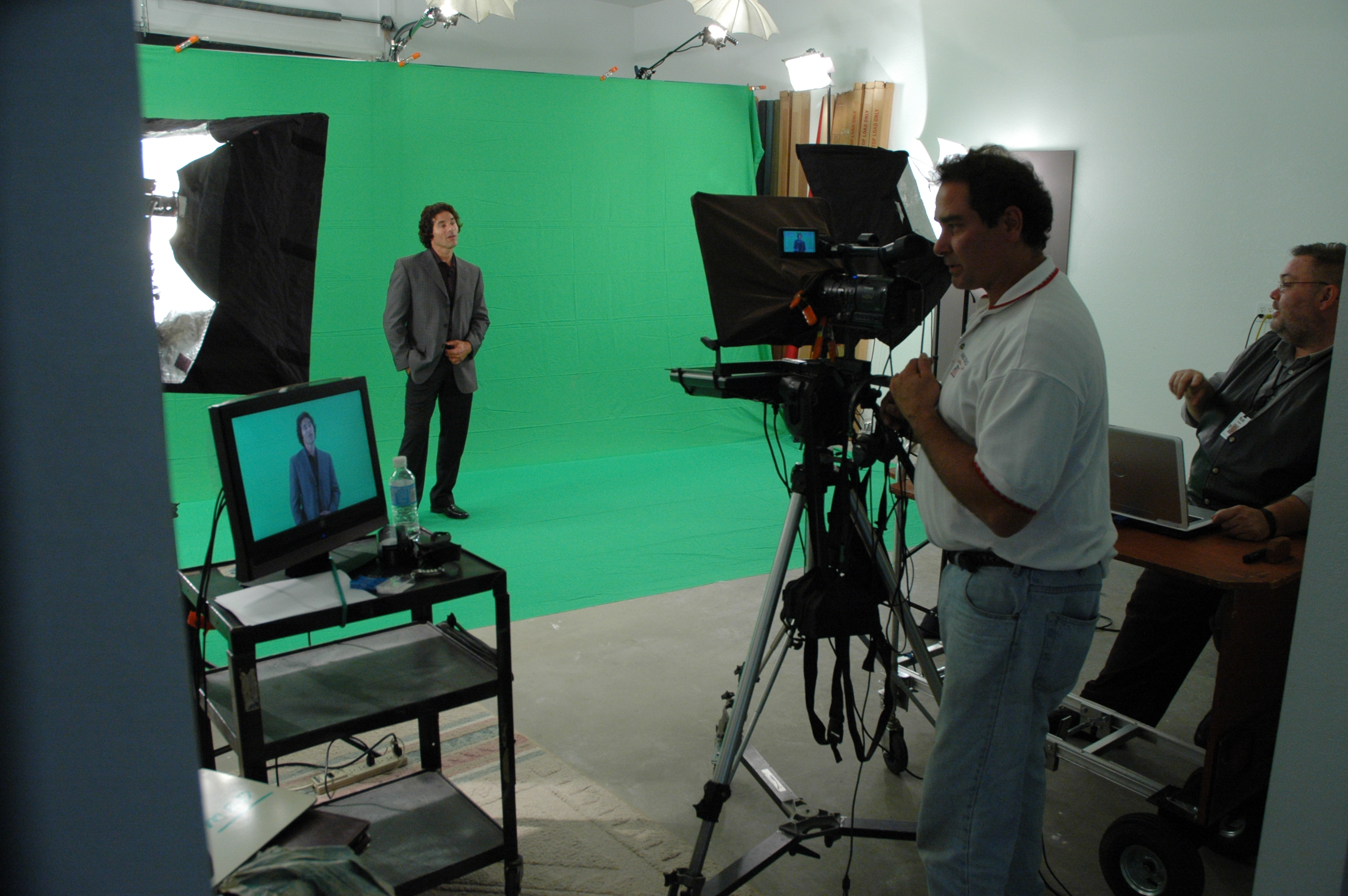
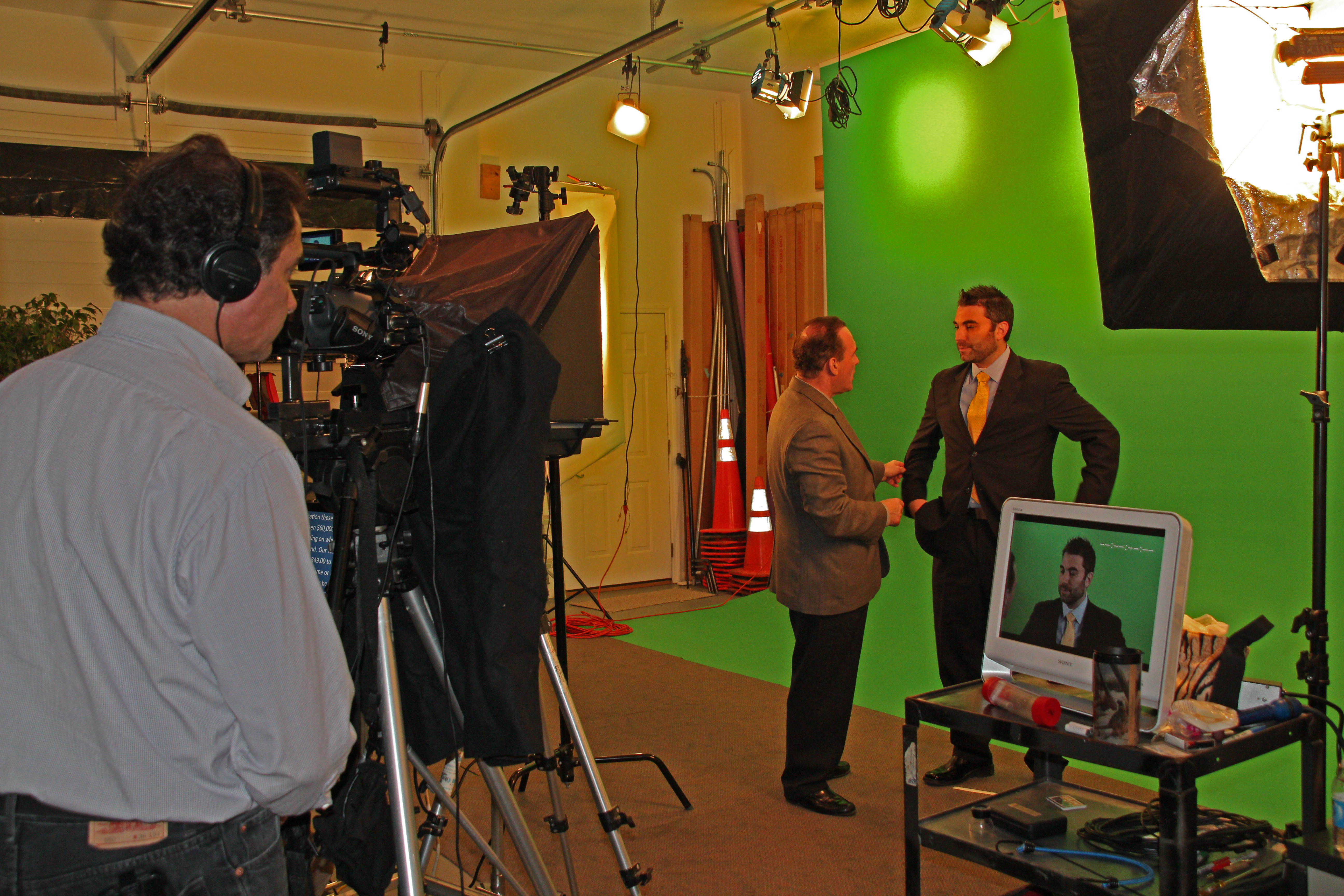
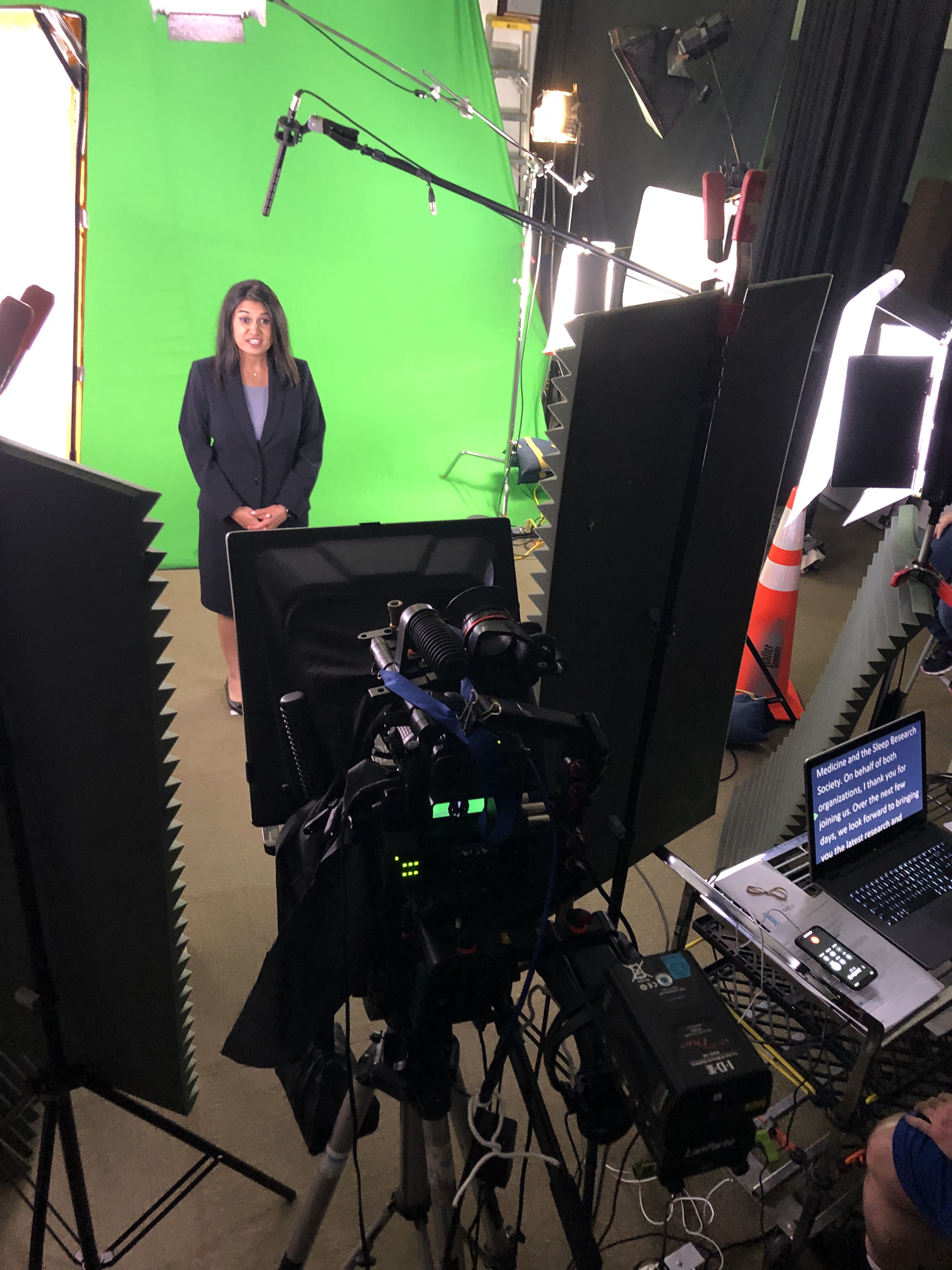
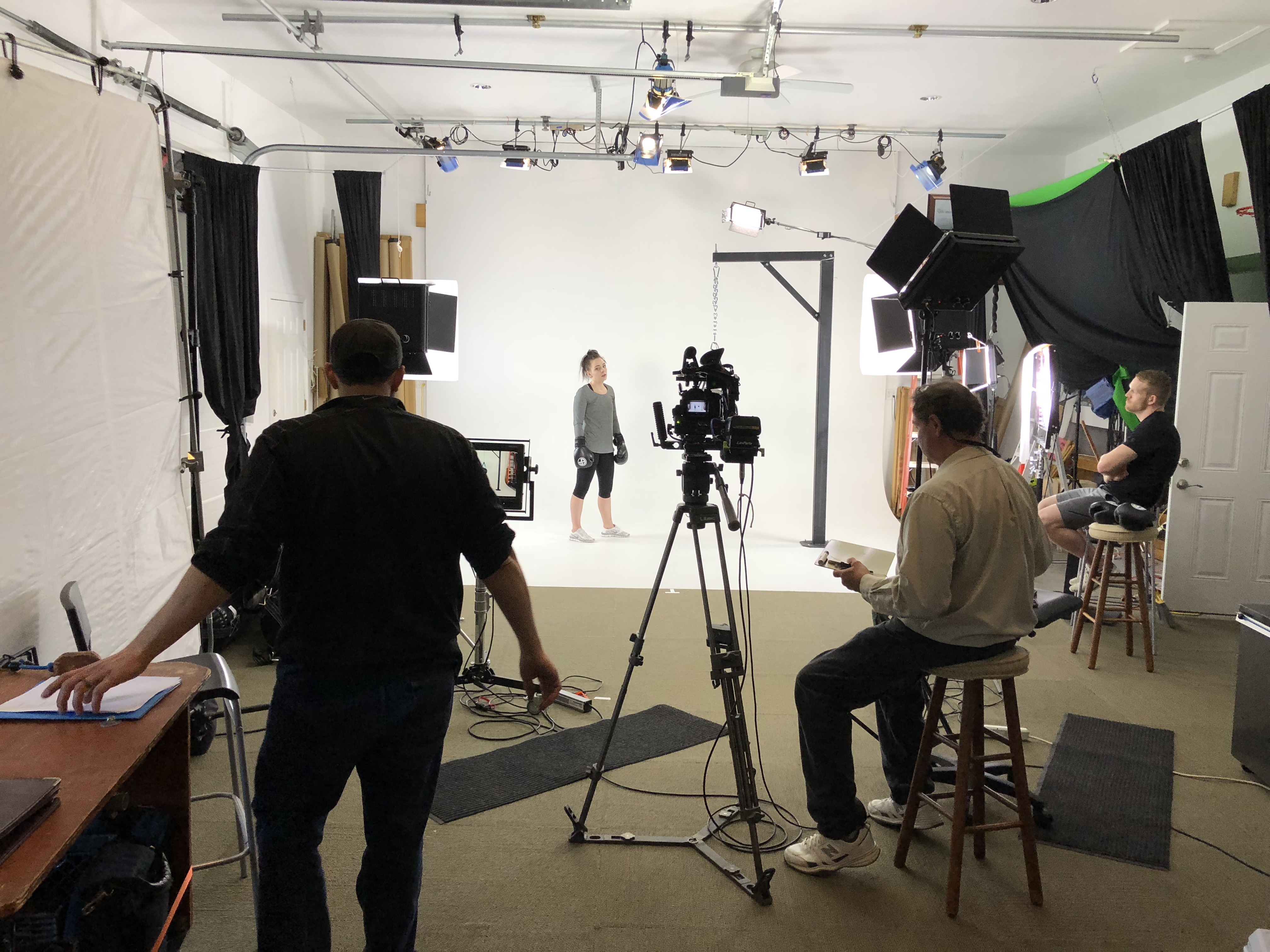
Camera operator, producer and talent at our studio green screen videotaping.
The type of video content you are creating
The type of video content you are creating can also impact the ideal length of your video. Are you creating a tutorial video, a product review, or a brand awareness video?
Tutorials and product reviews may require more in-depth information, which may require a longer video. On the other hand, brand awareness videos may be more effective with shorter videos that capture your audience’s attention quickly.
It is also essential to consider the tone and style of your video. Are you creating a serious and informative video or a fun and entertaining video? This can impact the length of your video and the type of content you include.
The role of storytelling in video length
Storytelling is an essential component of successful video content. A well-crafted story can capture your audience’s attention and keep them engaged from start to finish.
However, the length of your story can significantly impact your video’s success. If your story is too long, your audience may lose interest or become bored. On the other hand, if your story is too short, it may not provide enough information or emotional impact to resonate with your audience.
Therefore, it is essential to consider the length of your story when creating video content. Your story should be concise, engaging, and provide enough information to keep your audience interested.
The impact of attention span on video length
As mentioned earlier, the average attention span of an adult is around eight seconds. This means that you have a limited amount of time to capture your audience’s attention and keep them engaged.
Therefore, it is essential to consider the impact of attention span on video length. Your video should be engaging and provide enough information to keep your audience interested, but not so long that they lose interest.
Studies have shown that the ideal video length for most audiences is between two and three minutes. However, this can vary depending on your target audience and marketing objectives.
Best practices for determining video length
To determine the ideal video length for your brand and audience, consider the following best practices:
Understand your target audience and their viewing habits
Determine the purpose and objective of your video
Consider the platform and context of your video
Tailor your video length to the type of content you are creating
Craft a compelling story that captures your audience’s attention
Keep your video length concise and engaging.
By following these best practices, you can create video content that resonates with your audience and achieves your marketing objectives.
Case studies of successful video content with varying lengths
To illustrate the impact of video length on success, let’s look at some case studies of successful video content with varying lengths:
Dollar Shave Club – Two-Minute Video
Dollar Shave Club’s two-minute video went viral and helped the brand to establish itself as a major player in the grooming industry. The video features the company’s founder, Michael Dubin, explaining the benefits of their subscription service in a humorous and engaging way.
The video’s length was perfect for the brand’s target audience and the platform it was shared on. It provided enough information to convince viewers to sign up for the subscription service while keeping them engaged with its humorous tone.
Nike – 60-Second Video
Nike’s 60-second video, “Dream Crazy,” features former NFL quarterback Colin Kaepernick and other prominent athletes encouraging viewers to dream big and pursue their goals. The video’s length was ideal for the brand’s target audience and the message it was trying to convey.
The video’s emotional impact and powerful message resonated with viewers, and it quickly went viral, increasing Nike’s brand awareness and reach.
Apple – 90-Second Video
Apple’s 90-second video, “Welcome Home,” features singer FKA Twigs dancing through an apartment that comes to life thanks to the brand’s HomePod speaker. The video’s length was perfect for the brand’s target audience and the platform it was shared on.
The video’s engaging and visually stunning content kept viewers interested and showcased the HomePod speaker’s features and benefits.
Conclusion: Finding the right video length for your brand and audience
In conclusion, video length is a critical factor to consider when creating successful video content. One size doesn’t fit all when it comes to video length, and there are various factors to consider when determining the ideal length for your brand and audience.
Understanding your target audience, the purpose and objective of your video, the platform and context of your video, the type of video content you are creating, the role of storytelling, and the impact of attention span are all critical factors to consider when determining the ideal video length.
By following best practices for determining video length and looking at case studies of successful video content, you can create engaging, informative, and emotionally impactful videos that resonate with your audience and achieve your marketing objectives. So, what are you waiting for? Start creating video content that captures your audience’s attention and keeps them engaged from start to finish.
Mike Haller 314-913-5626 stlouisvideostudio@gmail.com
Ready to set up a commercial video recording studio with non-professional talent? You’re in the right place! This article will guide you through all the necessary steps for creating high quality, professional videos without breaking your budget. Learn how to get your project off the ground and running quickly, efficiently, and effectively.
Last minute changes are typical when it comes to video recording with non professionals.
Working with amateur actors can be a challenge, as they often lack the proper training, discipline and experience that professional talent bring to the table. Despite this, every now and again it’s necessary to work with non-professionals – that’s where our guide comes in!
We’ll walk you through the basics of working in a commercial video studio and show you how to get the most out of working with non-professional talent. We’ll cover factors like:
Equipment selection
Audio considerations
Lighting options
Camera angles
Tips for guiding your performers towards delivering their best performance.
We’ll also demonstrate techniques for editing your footage quickly and efficiently so you can maximize production value when creating content for web use or TV broadcast. With our guide in hand you’re sure to create great results when filming with non-pros!
What is a Commercial Video Studio?
A commercial video studio provides professional-level, high-quality recording and editing services for clients who require a more polished approach to their video production. These studios are typically found in production facilities that specialize in producing videos for television advertisements, promotional campaigns, internet content, and more. A commercial video studio may contain a variety of digital equipment—including cameras and editing suites—that are designed to capture the highest quality audio and visual products possible. The technicians working in these facilities have a great deal of experience with both hardware and software systems, allowing them to provide top-notch recording and editing services to clients.
When utilizing a commercial video studio, non-professional talent can be utilized alongside experienced professionals to create high-quality videos. Non-professional talent is especially beneficial when mood or emotion is needed that can’t be obtained with strictly professional actors or voiceover artists. This allows for further creative possibilities when it comes to producing an impactful video product. Additionally, the typical costs associated with shooting in these types of facilities can be lower than hiring professional talent alone because you don’t have to pay for their time on set or on location when shooting at the studio. Professional guidance from studio technicians can also provide valuable insight into making sure your project is as successful as possible—including accurate sound mixing, scene arrangement/blocking guidance, editing advice, displaying motion graphics accurately onscreen during recordings if necessary; everything one needs to make sure their project is well executed before it wraps production!
Benefits of Recording and Editing with Professional Talent
When it comes to video production, there is a wide range of options available to clients. Depending on their objectives and budget, they may opt for professional talent or non-professional talent.
Benefits of recording with professional talent include the following:
Professional actors have experience in the industry and therefore possess the necessary skills to deliver a quality performance.
Professional actors bring a higher level of professionalism that can help set a studio apart from competitors.
Professional actors are committed to their work 24/7, which allows them to provide the maximum level of production value for each project.
They can also be more efficient in their delivery as compared to non-professional talent who may take longer because they are less experienced with performing in front of a camera and need more time to practice and master acting techniques.
Benefits of editing with professional talent include:
Professional editors have an eye for detail that can help improve the overall quality of the video.
They are able create compelling visuals faster then their amateur counterparts due to their ability to process information quicker and understand how each scene works together within an edit.
Some editors specialize in certain genres such as sports and music which can bring unique visual styles into your project.
Lastly, they know how long certain types of shots need be so that the flow of the video feels natural all while maintaining your intended branding message throughout its entirety.
Challenges of Recording and Editing with Non-Professional Talent
Recording and editing with non-professional talent can pose unique challenges for commercial video production studios. The talent being used may not be experienced in the studio environment, which can lead to difficulties with sound and camera synchronization and aspects of performance management. Additionally, the lack of professionalism from inexperienced actors may slow down or lengthen the recording process.
Furthermore, inexperienced actors will generally require more direction from the directors throughout the recording, particularly when it comes to their performance as it relates to pacing and timing. This could potentially have a bearing on potential editing opportunities down the line as editors may have to adapt their approach depending on the raw footage they are presented with.
In terms of an optimal rendering of a project that uses non-professional actors, directors and producers should:
Create a strong creative environment during pre-production so that expectations are wholly communicated with each actor.
Give extended attention during both re-recording activities as well as offering coaching support while reviewing dailies to ensure sound delivery is up to par when working with novice talent.
Tips for Working with Non-Professional Talent
Working with non-professional talent can seem intimidating, but with the right approach, you can make sure that you end up with a great video or commercial. There are a few tips that come in really useful when working with non-professional talent in your video studio.
One of the most important aspects of working successfully with non-professional talent is communication. You will want to explain in detail what you will be doing and what is expected of them prior to filming even if it seems redundant. Make sure they know where to stand, when to move and how long you plan on recording for. It is also wise to make certain that any discussion about pay is settled prior to the shoot so that any surprise costs don’t occur during filming. Be patient with your talent and let them experiment, providing feedback as needed so they can best perform their role within the video or commercial.
Another tip when working with non-professional talent is comfortability. Consider their rehearsal time as an opportunity where they can settle into their roles and feel more secure going into shooting day. Establishing rapport before filming goes a long way! Setting up a friendly production environment without heavy stress helps everyone perform better during the filmmaking process and through post-production editing stages too.
Finally, it’s important to ensure accuracy within the script if possible! This means that if your client wants an exact phrase used during shooting make sure it’s incorporated accurately into rehearsals beforehand so there are no surprises on set or further along in post-production efforts!
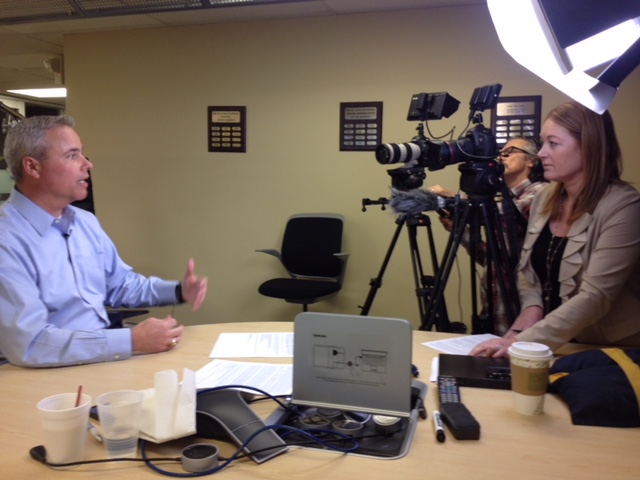
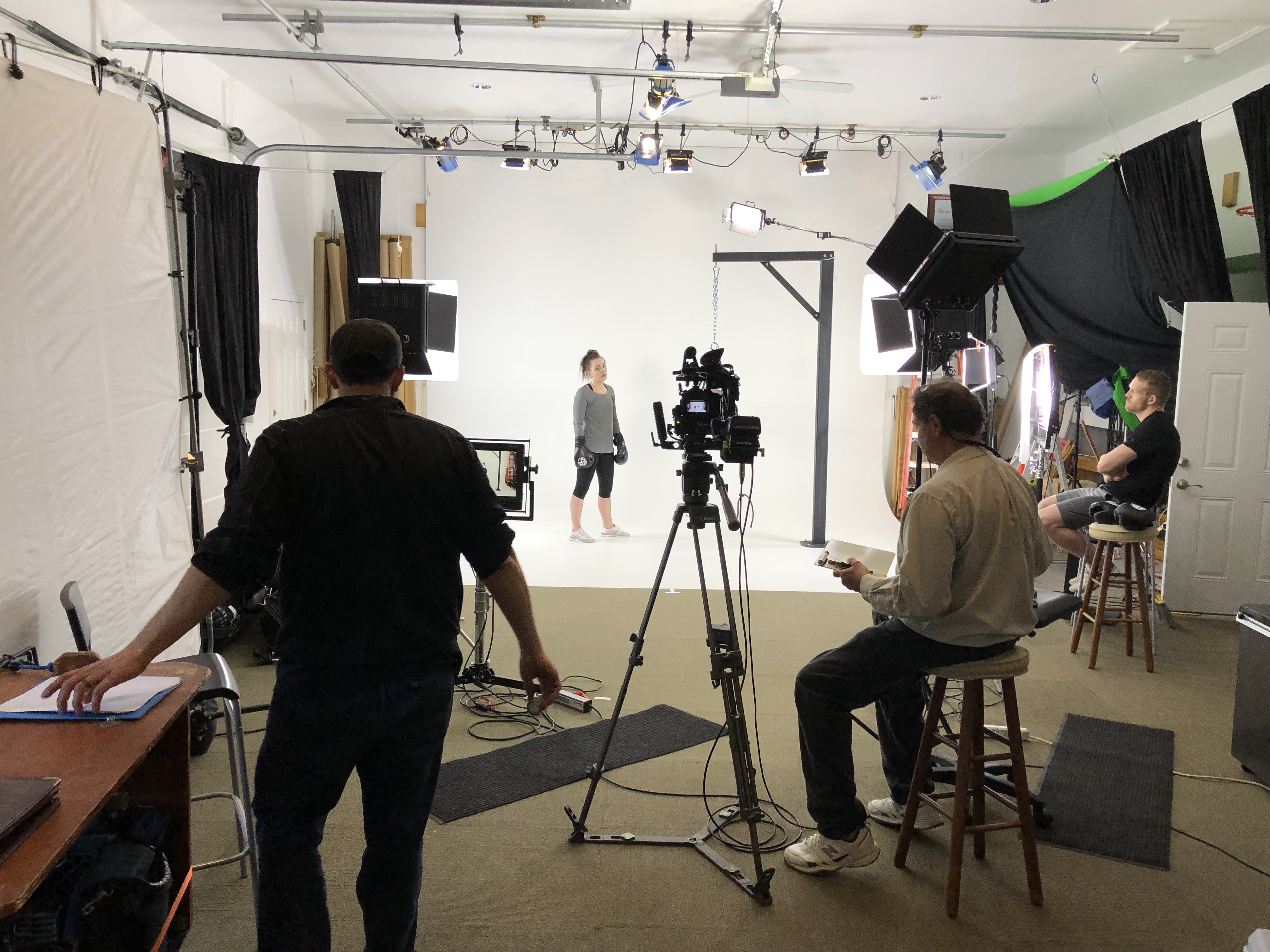
Recording non-professional talent on a studio set.
Equipment and Software Needed for Commercial Video Studio Recording and Editing
Once you have determined the type of commercial videos you’d like to create and the software and hardware devices you will use, it is important to understand what equipment and software are needed for commercial video studio recording and editing with non-professional talent. Here is a brief overview of the essential items needed for a successful commercial video project.
Hardware:
Camera: Whether filming with a DSLR or point-and-shoot camera, be sure to purchase an appropriate model that will work in collaboration with your specific video format.
Computer: A powerful computer system is essential for post-production, editing, and rendering. Depending on the software utilized and complexity of the project, you should determine if a desktop or laptop system is best suited for your needs.
Microphones: Mics can range from simple lavaliers to boom mics that pick up audio details unobtainable using other methods such as high fidelity audio capture capabilities. It is important to decide which will be most effective before shopping around.
Software:
Recording Software: Utilizing the right recording software can be critical for capturing pristine audio tracks. Be sure to research samples of varied applications before settling on one for final production purposes.
Video Editing Software: Professional editors use variety of packages depending on the type work in which they specialize or reflect their own personal aesthetic preferences such as Adobe Premiere Pro or Final Cut Pro X. Different tools will produce different results so understanding features within offered package options prior purchase can save time avoid program learning curve delays later within post production stages.
Graphics & Animation Programs: If specific graphics integration within show segments desired more advanced user graphic animation applications such as Adobe After Effects must consider usage case scenarios prior selection costs fees. Specialized set backgrounds titles end slides need consider implementation planned timeline based upon budget dictations contracts timelines detailed clearly ensure proper deadlines met avoid any problems later during playback distribution manners.
Best Practices for Working with Non-Professional Talent
When recording and editing video with non-professional actors and personalities, it is important to keep in mind that not everyone is going to be a professional performer. It is important to be organized, patient and understanding, so the production process runs smoothly for all involved. Here are some tips for working with nonprofessional talent in a commercial video studio:
Manage Expectations: Before production begins, explain what you need from the talent and let them know exactly what to expect. Give clear instructions on how to act and where to look when on camera, as well as providing direction during practice runs.
Keep it Engaging: While prepping your talent for their part in filming, it’s important to make the process engaging. Take extra time while blocking and rehearsing the scene, provide cues throughout that create natural pauses or breaks in action that can help keep energy levels up throughout filming.
Use Visuals Before Words: When communicating how something should be done or how you want your talent to act/react/pose on camera don’t rely solely on verbal communication – instead use visuals such as hand gestures or mimicry of scenes/slides/staging so they can really understand what’s required of them before doing a take.
Be Flexible: Last minute changes are typical when it comes to video recording with non professionals – remain flexible by coming up with alternate solutions that still achieves the desired goal ie rephrasing dialogues or incorporating different acting styles if needed. Make sure that everyone feels heard within the creative process so none of them feel left out in this shared experience because having an emotional connection can help instill confidence beforehand as well during post production.
Conclusively, there is no single optimal approach to recording and editing a video project in a commercial video studio for working with non-professional talent. Each project will have its own unique requirements based on the particular context and goals of the project. However, it is possible to identify some common principles that can help guide the process, such as:
Keeping color levels consistent
Establishing clear communication between collaborators
Maintaining adequate separation between microphones
When working with non-professional talent, it is also important to ensure that everyone involved feels comfortable and confident in their respective roles throughout the recording process. Following these core principles can help ensure that the end result is a successful video production.
In St Louis, producers, companies and corporations, both near and far, trust our dependable director of photography and production equipment services.
Our team furnishes all the necessary personnel needed for your small or large production. Including the director of photography, sound mixer, camera operator, field producer, director, assistant camera, gaffer, grip, digital imaging technician, makeup artist, art director, and location manager.
Our Video Crew, provides all the necessary equipment is available, including cameras, lenses, motion control, sound, lighting, grip/electric, and livestreaming support.
Our company furnishes comprehensive field production services to coordinate all your production requirements.
When it comes to creating videos for your business, it’s important to understand the benefits of creating high-quality interview and B-roll videos. Interview and B-roll videos are designed to showcase the people behind the business, to help your potential customers connect with you on a more personal level. Interview and B-roll videos can also help you showcase your products or services in the best light possible. Interview and B-roll videos are often used as customer testimonials, as well as for brand awareness and lead generation.
When it comes to creating video content, it’s important to make sure you are creating the right type of video for the right audience. For example, if you are marketing to B2B customers, you may want to create more educational content, whereas if you’re marketing to B2C customers, you may want to create more customer testimonials. If you’re looking to create interview videos for your B2B customers, here are a few tips on how to do so effectively: – Determine the format of your videos – Before you start filming your videos, you’ll want to think about what format you want to shoot in. Traditionally, interview videos are shot in a landscape format, which means they are filmed with the camera placed on the side of the table. However, these days, it’s becoming increasingly common for people to shoot interview videos in portrait format. – Plan out your questions – Before you start filming, you’ll want to make sure you have a list of questions prepared. Depending on the type of interview video you’re creating, you may want to have a list of pre-written questions, or you may want to have your list of questions written down, but only use them if the interviewee brings up the subject. – Get the right equipment – You’ll want to make sure you have the right equipment when filming your interview videos. This includes a camera, microphone, and tripod. – Create a clean, professional environment – You’ll want to make sure that the environment you film your interview in is clean, professional, and well-lit.
st louis video production crews
If you’re looking to create B-roll for your interview videos, you’ll want to make sure to select a B-roll that is relevant, but also complements your interview videos. B-roll can include anything from product walkthroughs, demonstrations, simulations, shots of your company’s workspace, and more. When shooting B-roll for your interview videos, here are a few tips you’ll want to keep in mind: – Make sure your B-roll is consistent – When creating B-roll for your interview videos, you’ll want to make sure that each clip is consistent. For example, if you are showing off a product in one clip, make sure that product is also shown in the next clip. This will make your videos look more cohesive, while also allowing your viewers to understand each clip’s importance.
With the rapid change in how products and services are now advertised and sold, traditional direct response strategies are not always the best answer. For some of our clients, what they really need are customer testimonials for their product landing pages, or they need professionally shot product and b-roll footage or demonstration footage for use on home shopping channels and other broadcast applications.
Video interviews and testimonials provide a powerful way for our clients to connect with their audiences. Interviews are a critical component of many of the videos we create and produce. We pride ourselves on producing attention-getting and engaging video interviews that inspire action.
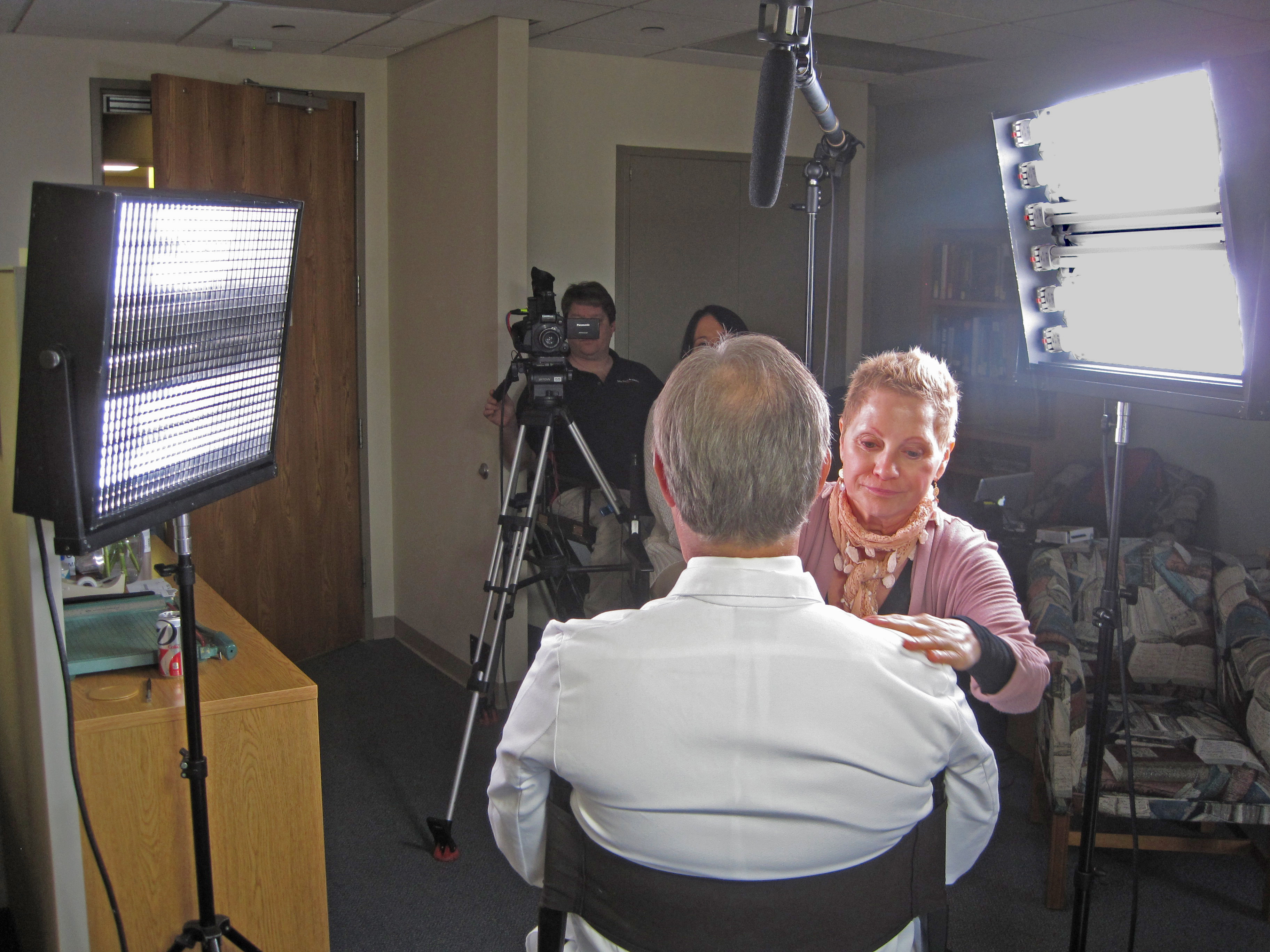
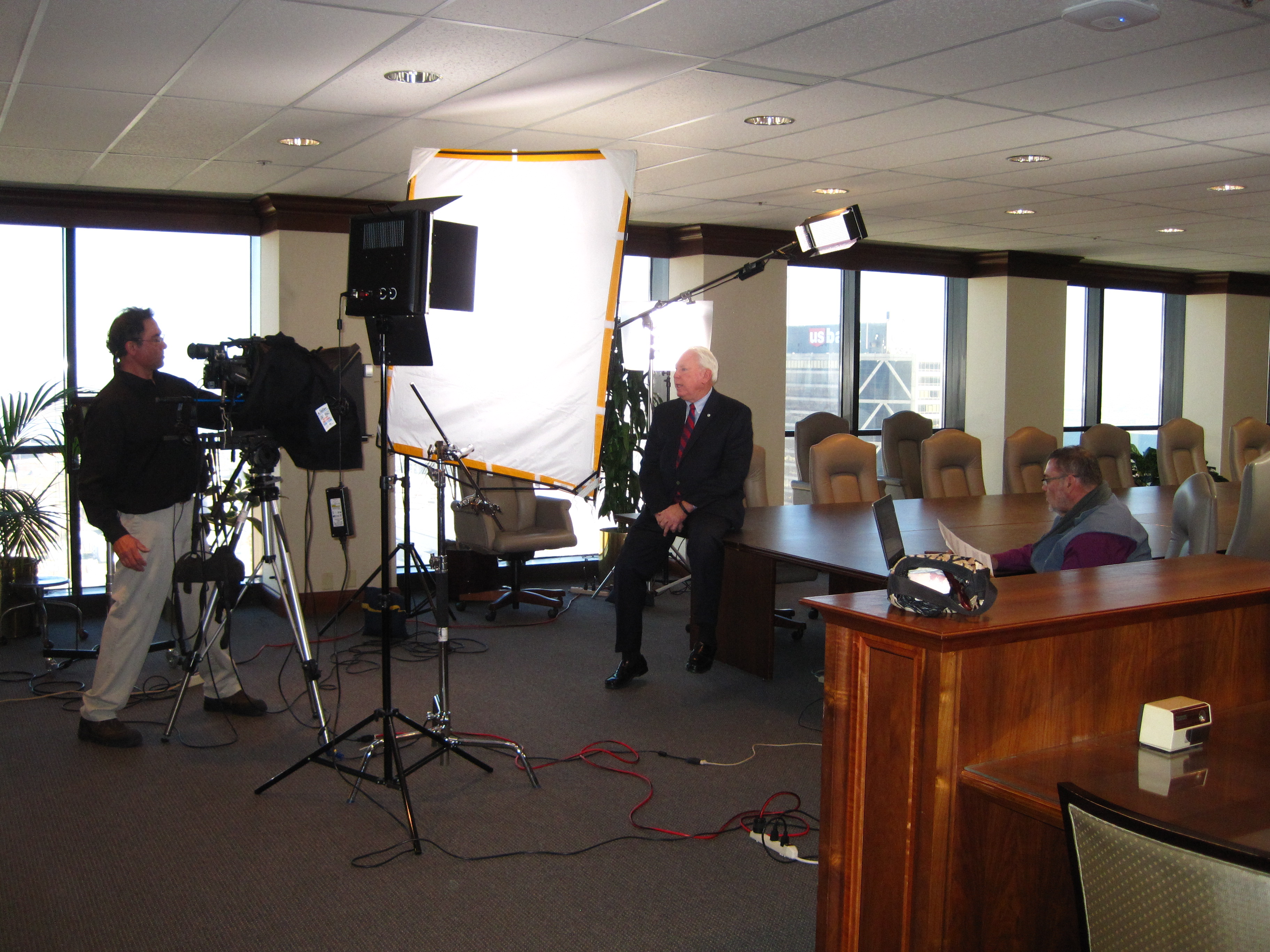
Video taping talent testimonial on location with teleprompter
Our crews are knowledgeable of what questions to ask and when. The positioning of the subject, lighting arrangements, and camera angles all come with an experienced crew.
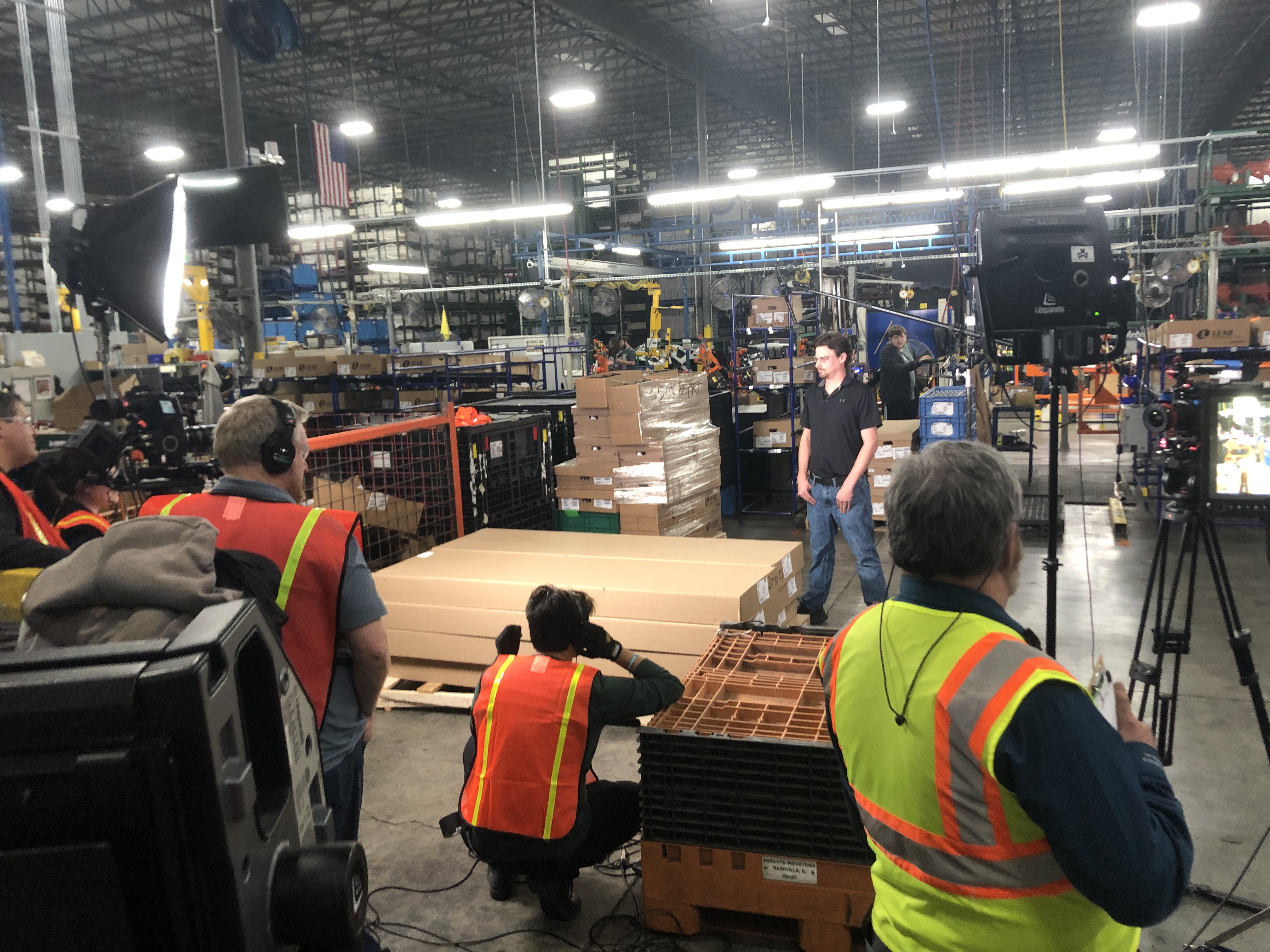
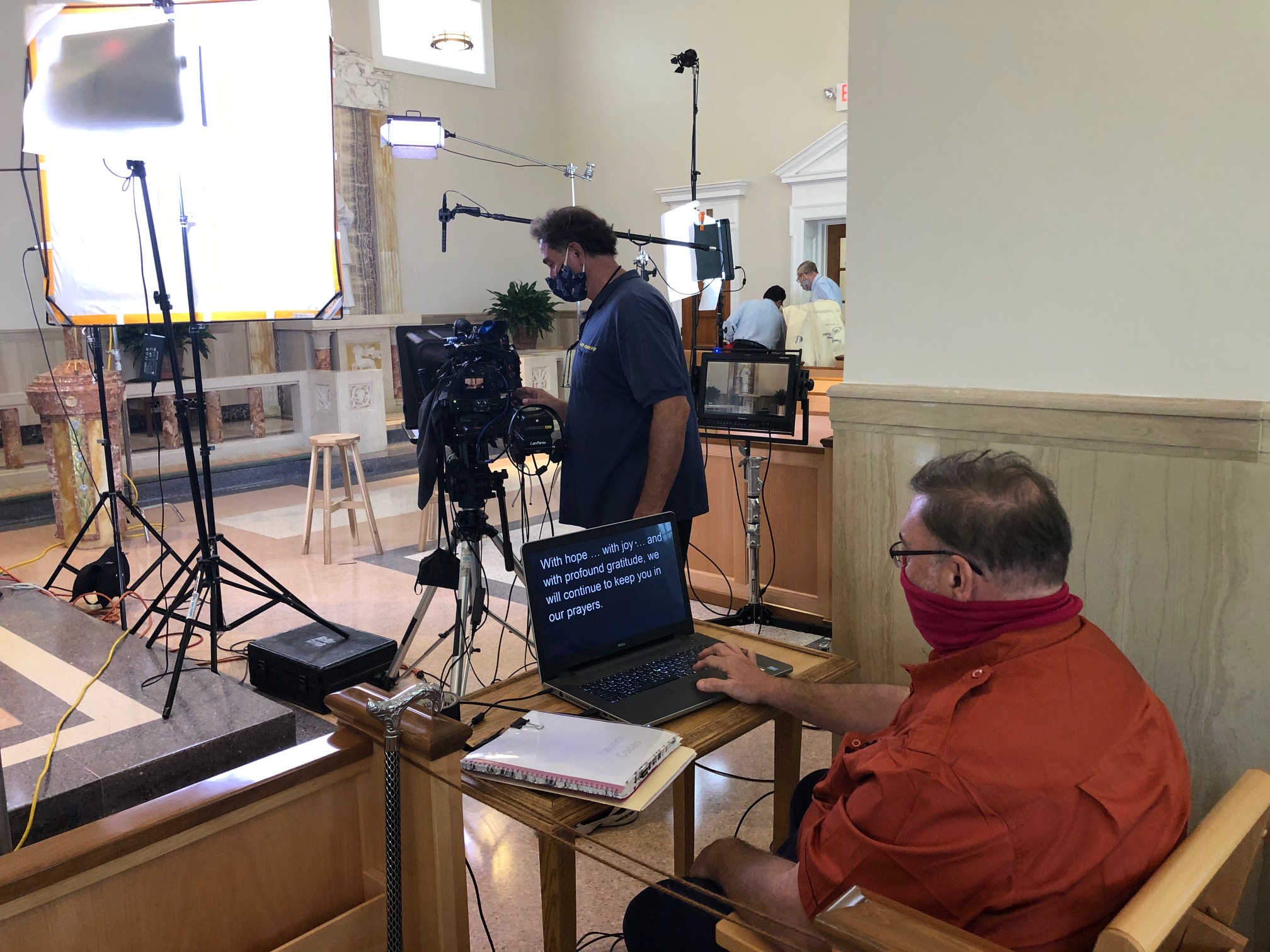
Video taping B-Roll on location
Our attention to those details and our experience help us produce video content for you that inspires and that will resonate with your target audience.
Our highly experienced crews will be on-site to ensure you get all the necessary B-roll footage you need as well. We ensure that the video production process goes as smoothly as possible, from start to finish. We assemble the right talent, crew, and locations to accomplish the necessary steps to achieve your communication goals.
Studio video production with teleprompter
Video and the internet have changed the way we communicate. But one thing has not changed: the impact of a human face in communication. Humans naturally connect with the image of a human face…whether in a video or in person. And many times, that face on video is talking straight into the camera…. And a teleprompter.
A teleprompter is a tool that displays scripted material in front of a lens, allowing a spokesman to deliver messages while looking directly into the camera lens. It’s an extremely useful tool. With recent improvements in screen technology, teleprompters have become smaller and more accessible.
As useful as it is, it is not a magic bullet. There are a few techniques to make it work well.
It’s important to remember that a teleprompter is only as good as its script
Write your script to be spoken, not read. Use conversational language that works for the audience you are trying to reach. Shorter words are better, and so are short sentences..
Remote video taping with teleprompter
Along with trying to speak to the audience in a language they understand, it’s also important for the spokesperson to be comfortable with the language. It the presenter is struggling with long sentences or unfamiliar language, the audience can feel lost.
There’s no substitute for practice. The more you practice and personalize the text, the more you’ll put meaning to the words.
Practice reading your script aloud. Take it into the bathroom, and practice reading it into a mirror. Change the language to match your speaking style. Make it yours.
A teleprompter can also be used as guide for an interview or testimonial, when the person being recorded is not looking directly into the lens.
We have a lot of experience helping clients be “the best they can be” on camera. For more information, please give us a call.
We’re hands-on throughout all video and photography production phases. On set, hands-on, and being the driving force of the creative production process.
This is where creative direction and development plays a huge role. Often video and photography are the mediums used to define a brand or products style.
Driven by innovation and powered by dedication, we create high-quality video and photography branding content for corporate clients. We offer a wide array of creative production services ranging commercial documentaries to product and food photography.
We work closely with businesses, organizations, and industry professionals to bring their stories to life through stunning video production that builds awareness and grows loyalty. We create video marketing content that speaks to their audiences and meets their creative communication needs.
Mike Haller 314-913-5626 stlouisvideostudio@gmail.com
Looking for a corporate events photographer and/or a videographer to cover your event in St. Louis? Need photos and videos for your marketing communications?
We provide affordable packages for every business occasion for Photography/Videography services.
Our corporate video production process takes marketing and training video production from start to finish. We customize each solution based on your particular needs. With a long history of working with PR & marketing client’s, our St Louis video production company takes a strategic approach to developing creative video content. Our proven video production services make it easy for any business to add high-quality corporate video production to their website, digital marketing, content marketing, PR campaigns, and social media efforts.
Corporate events video production in St. Louis
Our core services also include; Executive Headshots and Portraits, Team Photos, Advertising Photography, Events and Meeting Video, Video Editing and Production.
Mike Haller 314-913-5626 stlouisvideostudio@gmail.com
We work closely with businesses, organizations, and industry professionals to bring their stories to life through stunning video production that builds awareness and grows loyalty. We create video marketing content that speaks to their audiences and meets their creative communication needs.
There are many ways to create a video testimonial, all with different advantages.
We explore how your business can ask customers and employees to record appropriate testimonials, what you should include in a video testimonial, as well as how such customer review videos can help your business grow.
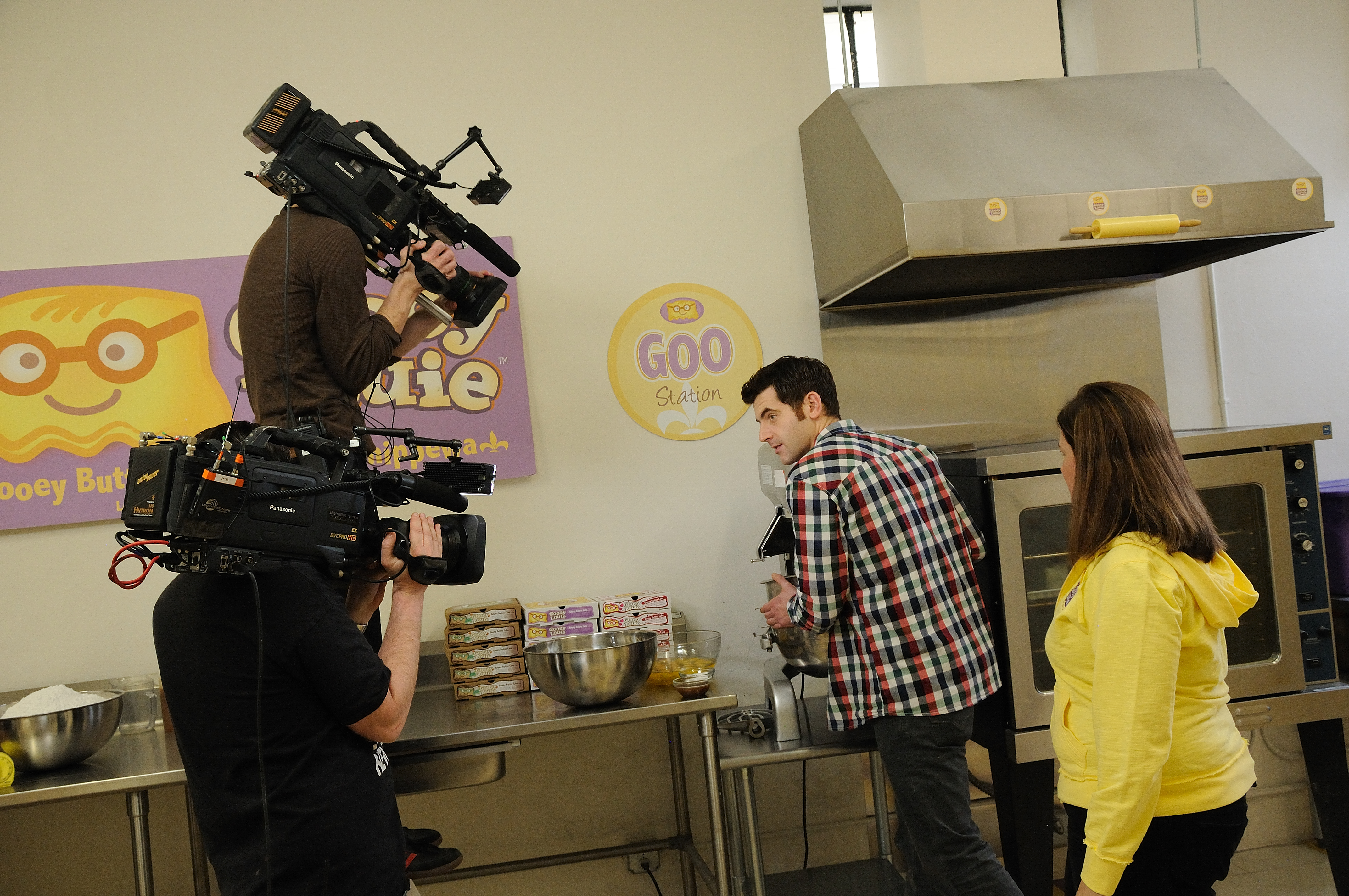
We work in our studio or a camera crew is sent to a predetermined location, usually a customer’s home or office. They set up their equipment and interview one or more people. We will also capture some b-roll footage of the location, the interview subject at work, or other footage that places the content of the video in context.
From there all the footage is reviewed for editing and post-production. The end result is a universal digital file suitable for web and social media delivery.
Mike Haller 314-913-5626 stlouisvideostudio@gmail.com
Our video production crews have the necessary experience needed to create any training video your business may need.
Educational videos are designed to be engaging, while also informative. They can communicate workplace procedures and follow through. They can be used for recruitment as well as new hires.
Safety videos warn employees about possible dangers in the workplace and about company safety policies that they need to be followed.
E-learning videos are ideal for employees that are not working on site and need to know the proper company’s policies.
We enjoy helping business owners use their unique vision to create an engaging employee training videos that can be used for years to come.
Mike Haller 314-913-5626 stlouisvideostudio@gmail.com
We’re an experienced team of creative video production professionals creating branded content & visuals that complete your vision and fit your budget.
No matter the scope of your creative concepts, be it big broadcast or a small budget online film, our team’s talent, technology, and experience allows your ideas to move from shoot to audio to post and final design in a seamless integrated fashion.
Let’s begin. Let’s create your message that sells, builds brands and connects.
st louis video studio production
Production
Full Service Video Production, Location & In-studio, from Script to Screen






















 St Louis Video Studio