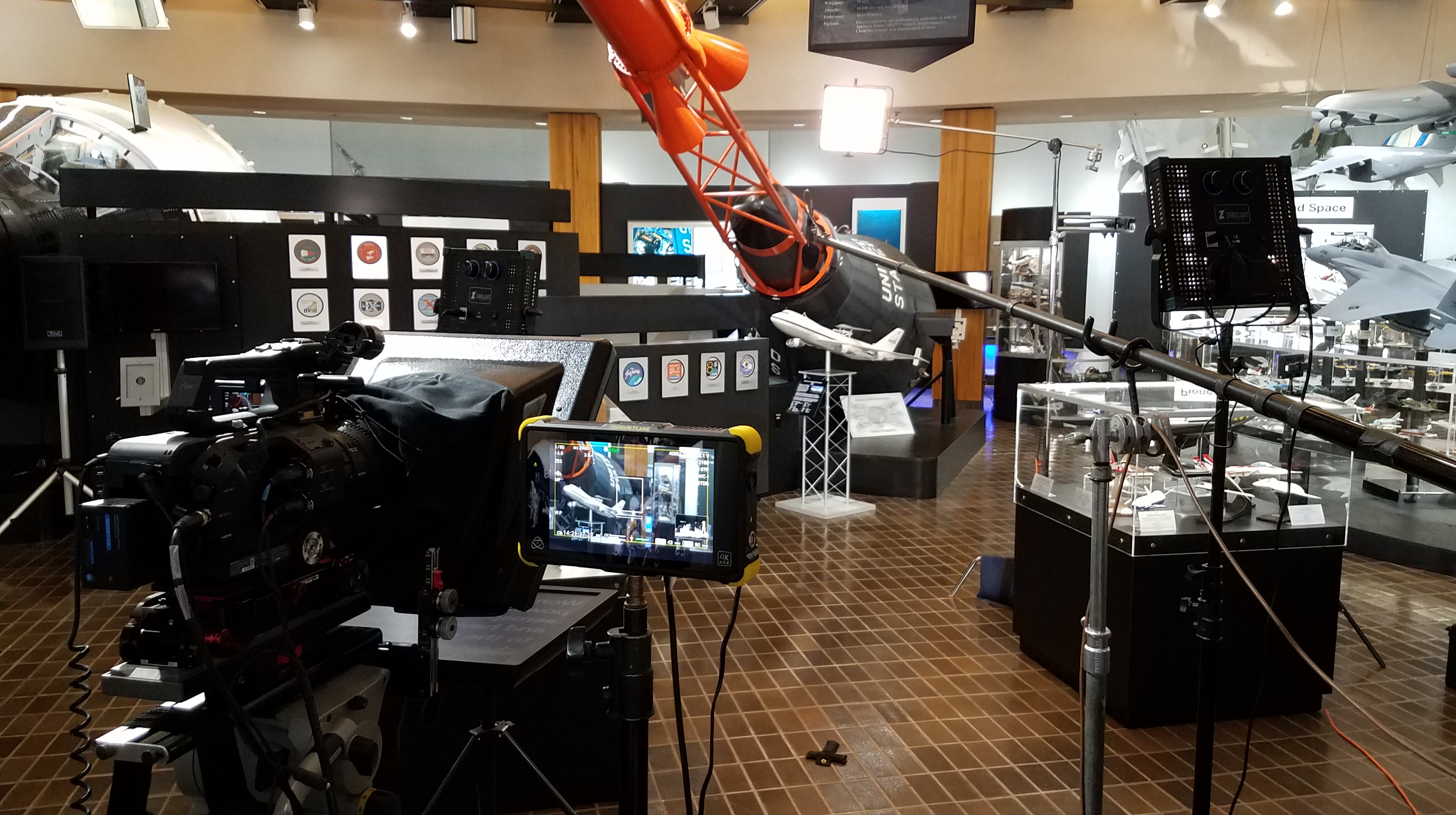
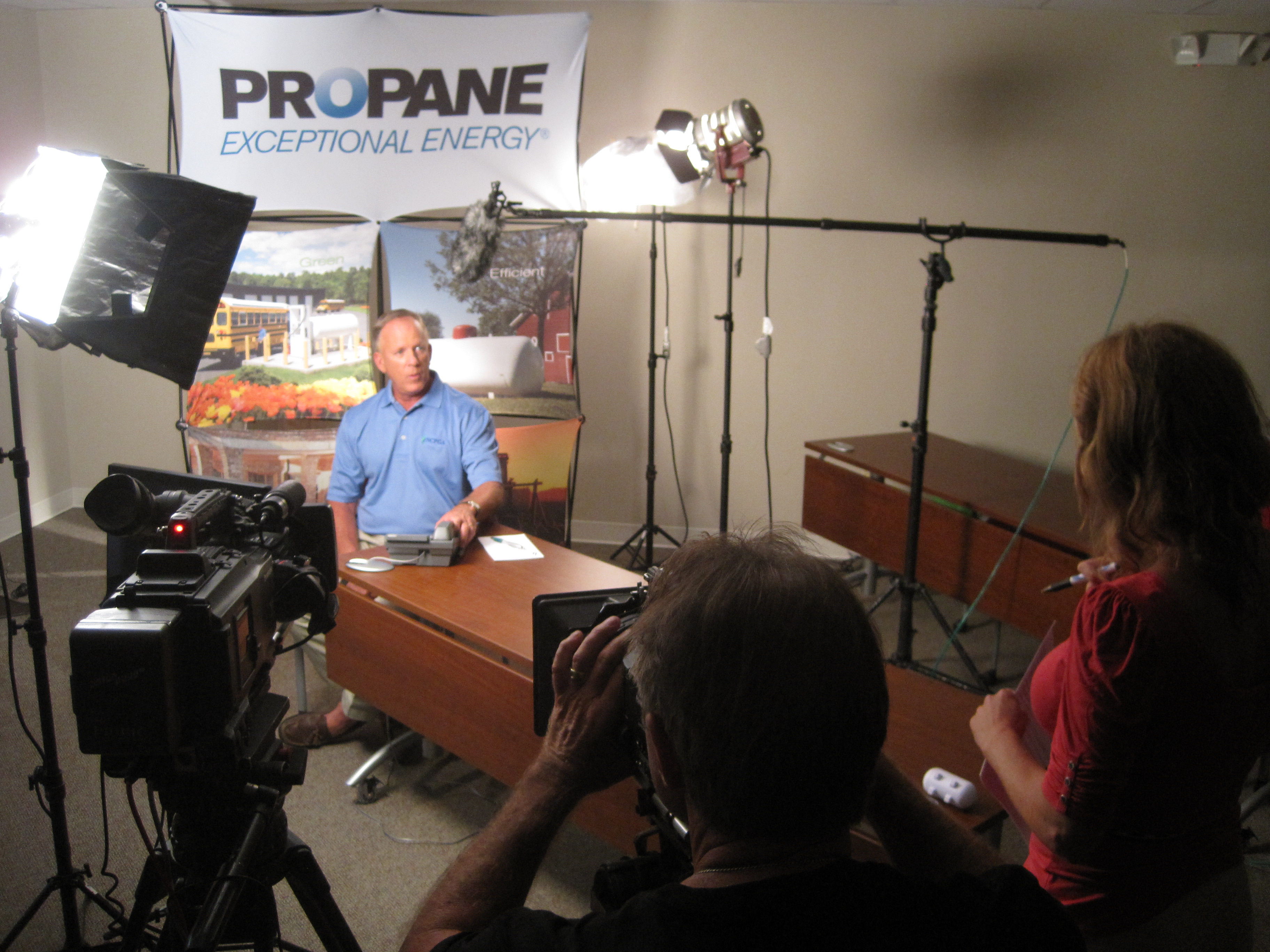
Anyone who has greenlit a video production knows the process involves more than picking a concept and hitting record. Long before the camera rolls, real decisions are being made — who to interview and how, what supporting footage will carry the visual story, and whether the shoot belongs in a controlled studio or out in the real world. For marketing leaders and executives overseeing these budgets, understanding these decisions is what separates an informed client from one simply hoping for the best.
This article walks through three of the most important building blocks of a professional video production — the interview, the b-roll, and the studio-versus-location decision — so you can speak the language, ask sharper questions, and set your next project up to succeed.
The Interview: The Foundation of a Believable Story
Consider the business videos that have genuinely stayed with you — a customer describing a real result, a leader speaking candidly about a decision, a team member explaining what makes a workplace different. Almost all of them are anchored by a strong on-camera interview. It’s the most direct path to authenticity, and no amount of scripted narration can substitute for a real voice telling a real story.
A handful of factors separate a memorable interview from one that falls flat:
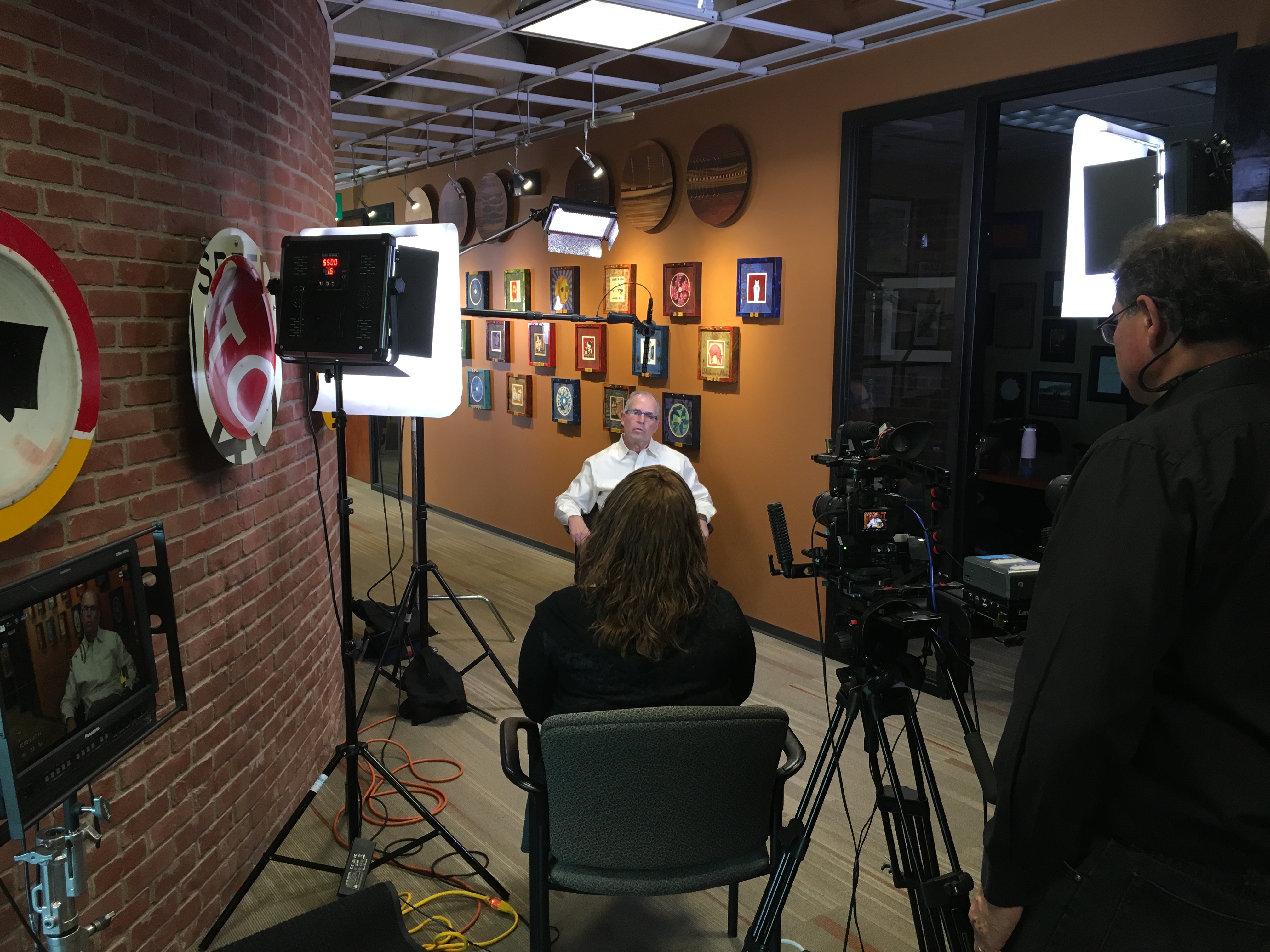
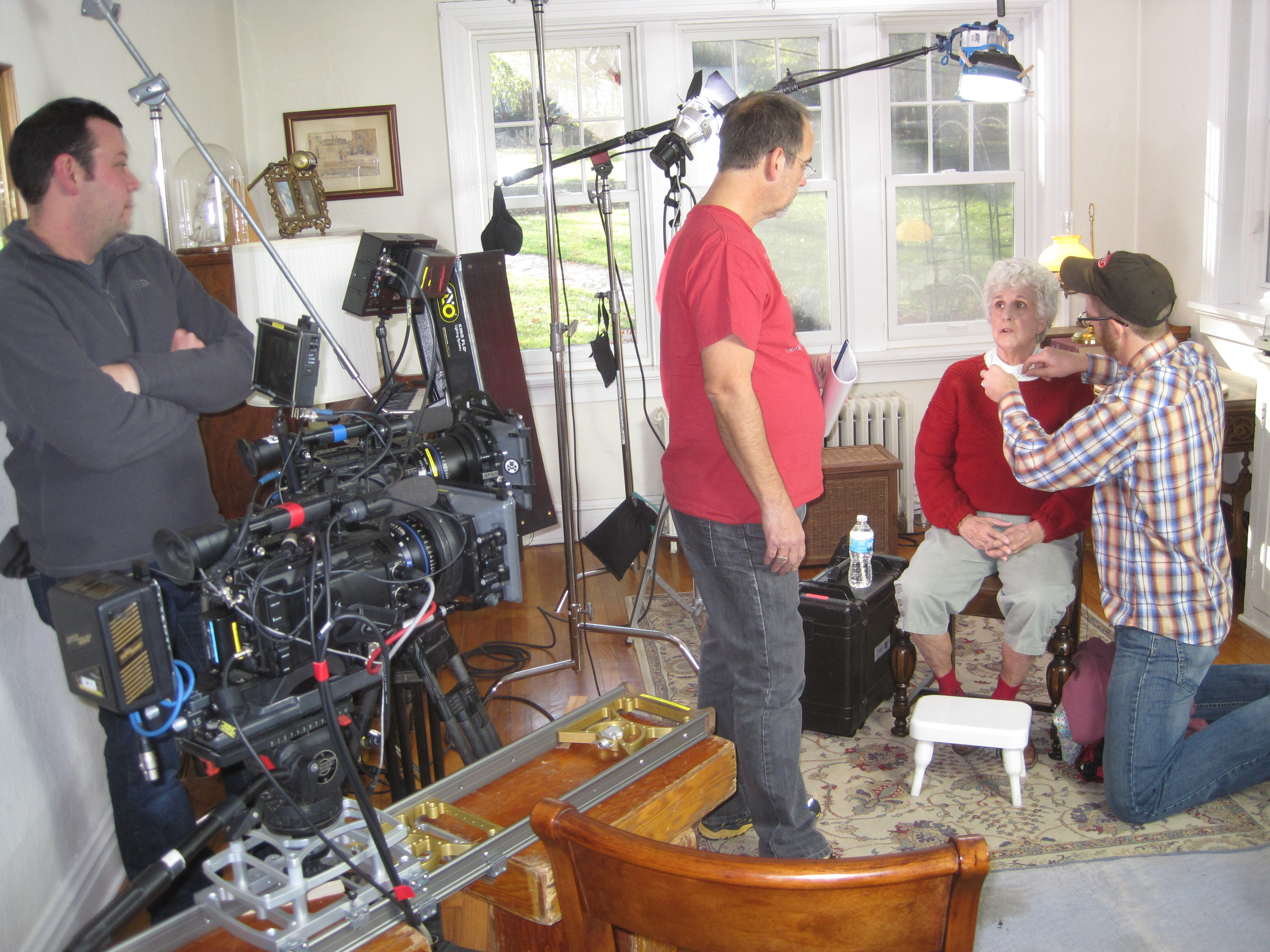
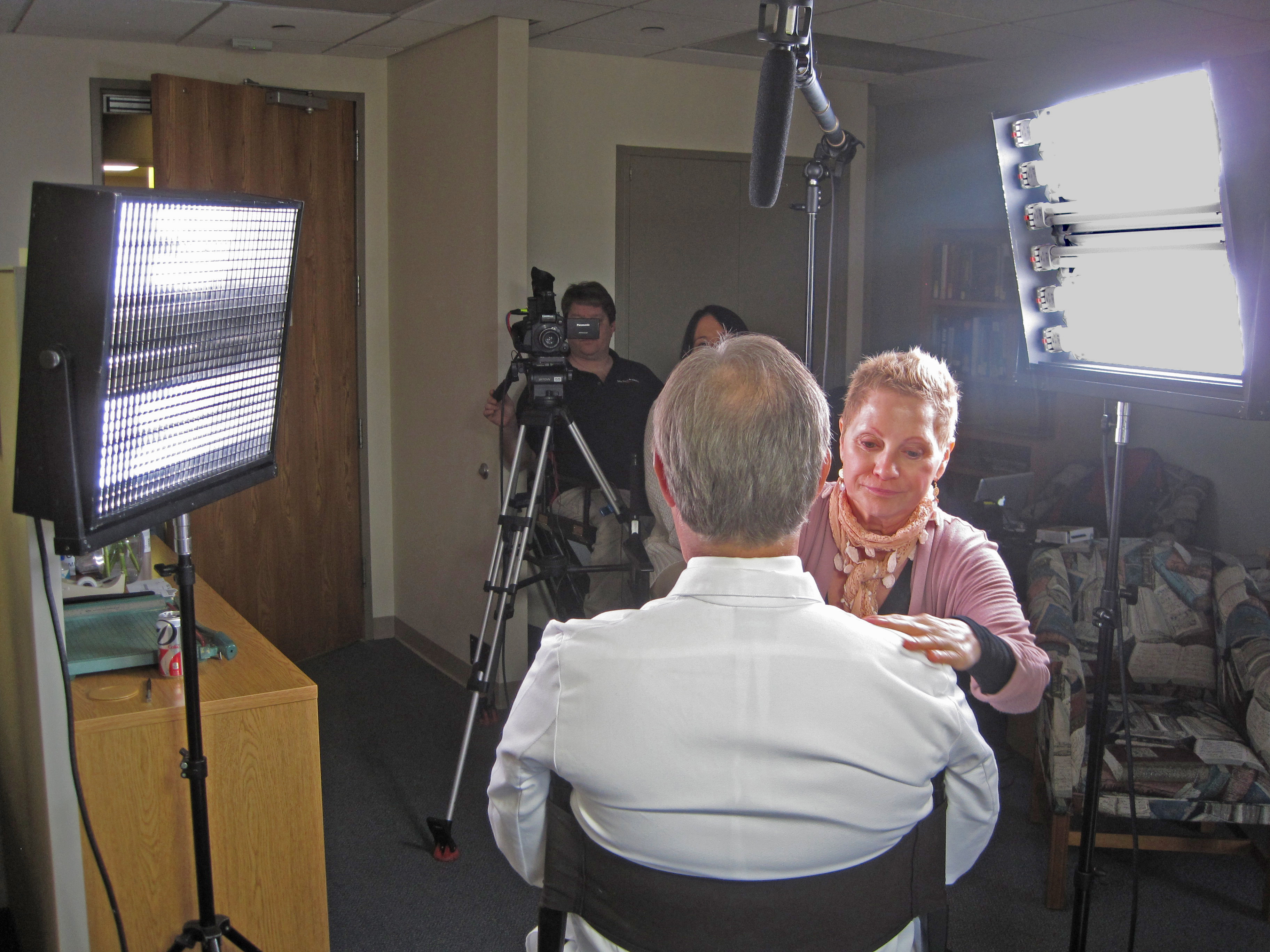
Lighting. The way a subject is lit says something before they even open their mouth. Uneven or harsh lighting reads as an afterthought; deliberate, well-shaped lighting signals quality and intention right away.
Audio. Audiences are forgiving of small visual imperfections but far less forgiving of poor sound. Clean, balanced audio — without hum, echo, or background noise — is one of the fastest ways to establish credibility.
Camera work. The lens chosen, how the shot is framed, and the depth of field all shape how a subject comes across. A softly blurred background paired with intentional composition feels cinematic; a flat, static wide shot can flatten even a strong answer.
Direction on set. This is the part audiences never see but that matters the most. A skilled interviewer knows how to put a subject at ease, ask questions built to draw out natural, usable answers, and steer the conversation back on track without it feeling like an interrogation.
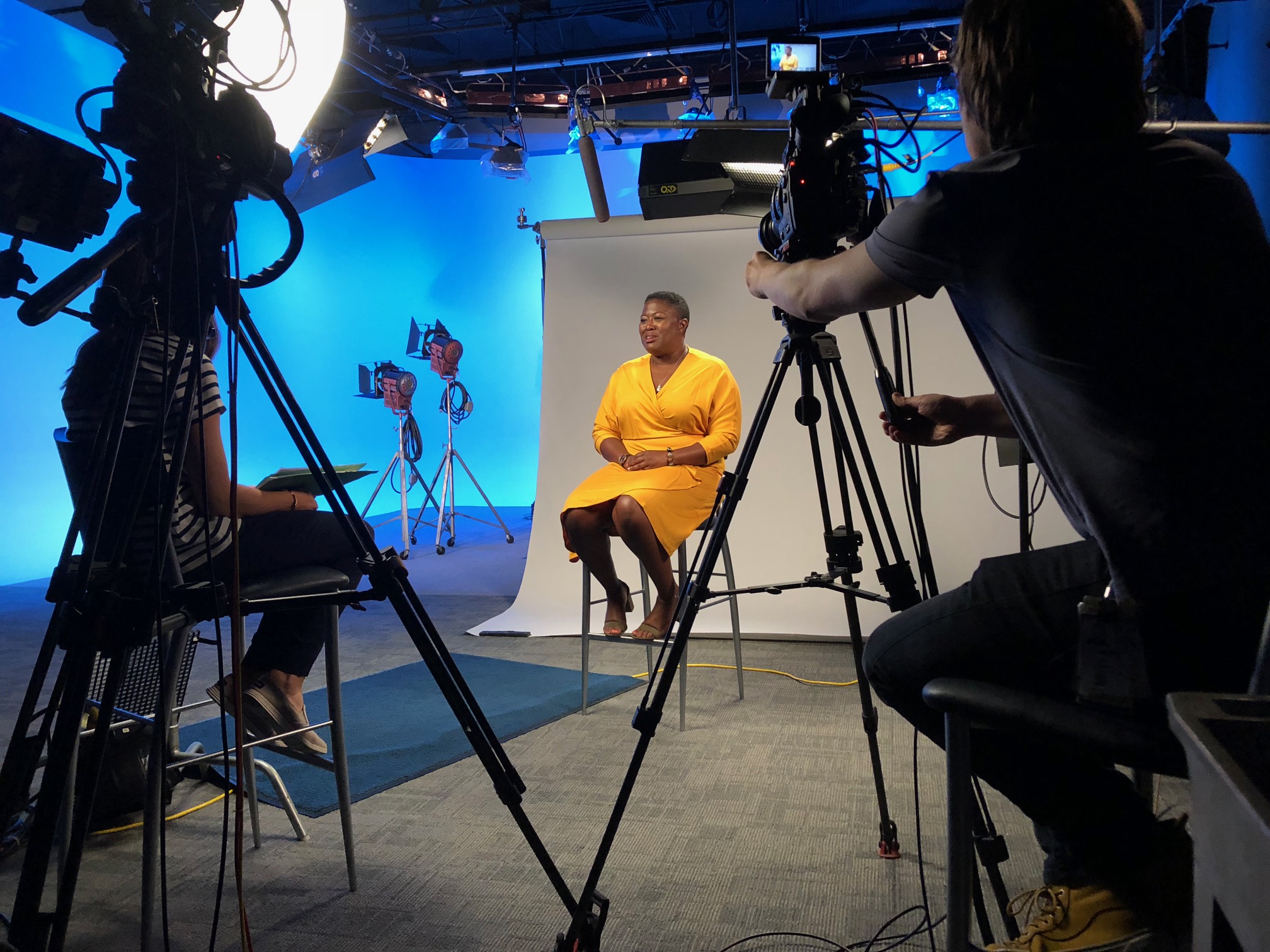
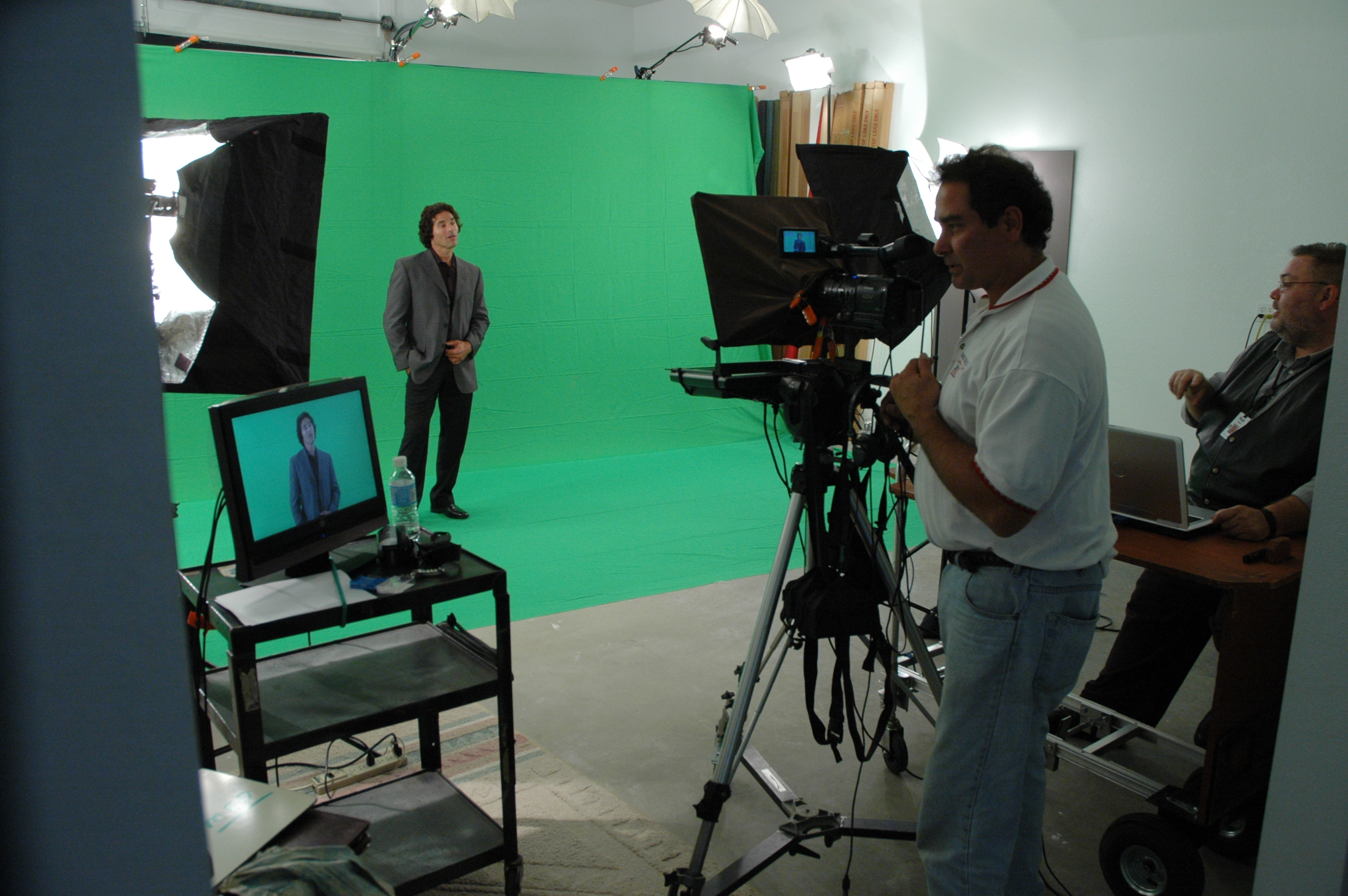
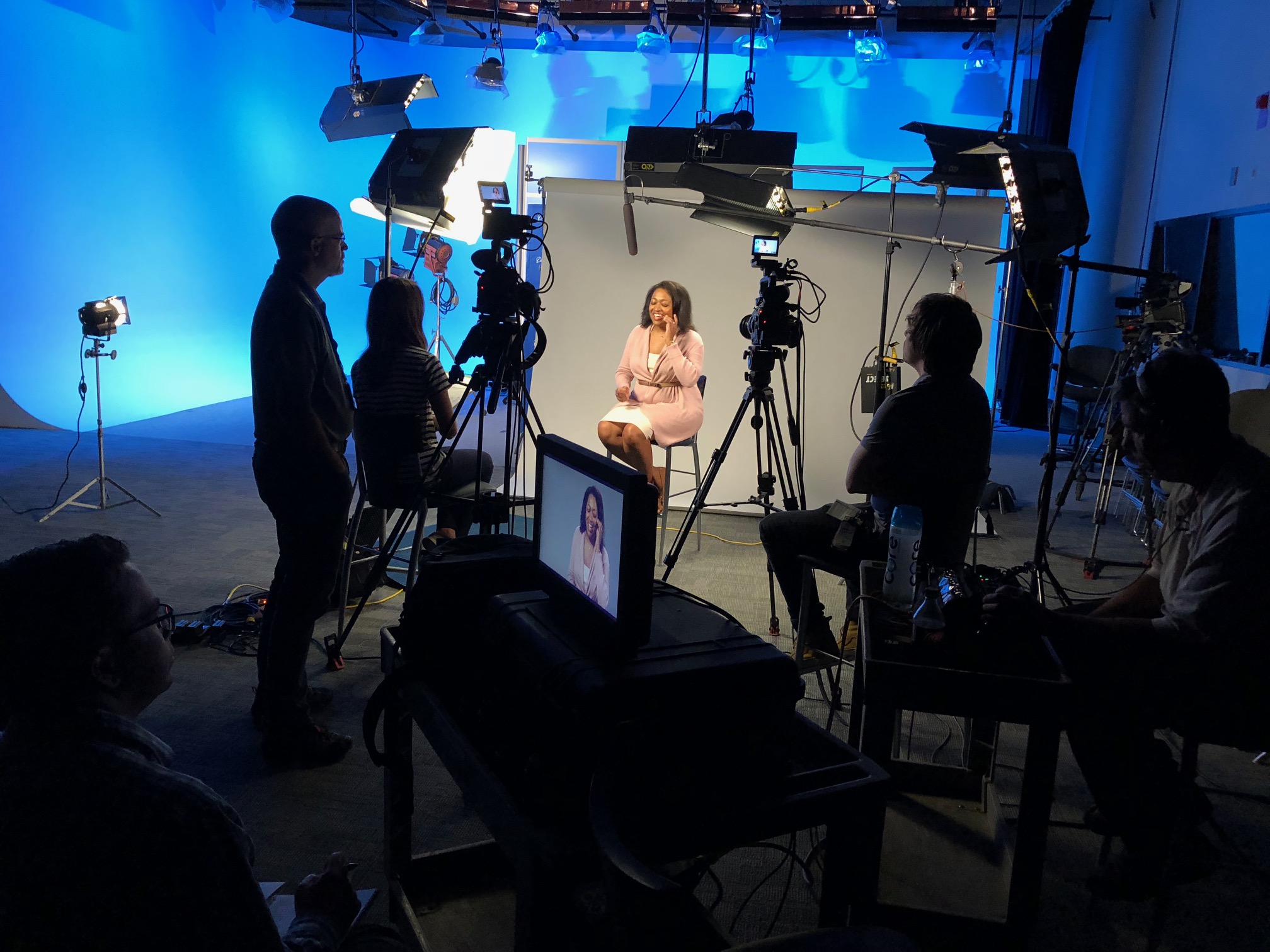
When you’re comparing production teams, ask directly how they prepare subjects and build out their interview questions. That process, far more than the equipment list, is usually what determines whether the footage is actually usable.
B-Roll: The Layer That Keeps an Audience Watching
If the interview carries the message, b-roll is what keeps people visually engaged while they hear it. B-roll refers to the supporting footage — a process in motion, a product being used, a team at work — cut around the interview to add pace, texture, and context.
It’s easy to underestimate b-roll, but it does more heavy lifting than most people expect:
- It sustains attention. Regularly cutting away from a static interview shot is one of the simplest, most reliable ways to keep an audience from tuning out.
- It shows instead of just telling. When a subject describes a service, a product, or an experience, b-roll lets your audience actually watch it happen rather than imagine it.
- It builds a consistent visual identity. Intentional framing, movement, and color treatment across your b-roll creates a recognizable look across every piece of content you release.
- It multiplies the value of one shoot day. A well-planned b-roll library gives an editor everything needed to cut a full video, a short social clip, and a website teaser — all without scheduling a second shoot.
Strong b-roll rarely happens by accident. It comes from a shot list built around the specific story being told, often captured by a second camera operator working alongside the interview so nothing important slips through.
Studio or Location: Matching the Setting to the Story
Deciding where to shoot is one of the earliest, and most consequential, calls in any production. Studio and location environments each offer real strengths — the right choice depends on what your story needs to communicate.
When a Studio Makes the Most Sense
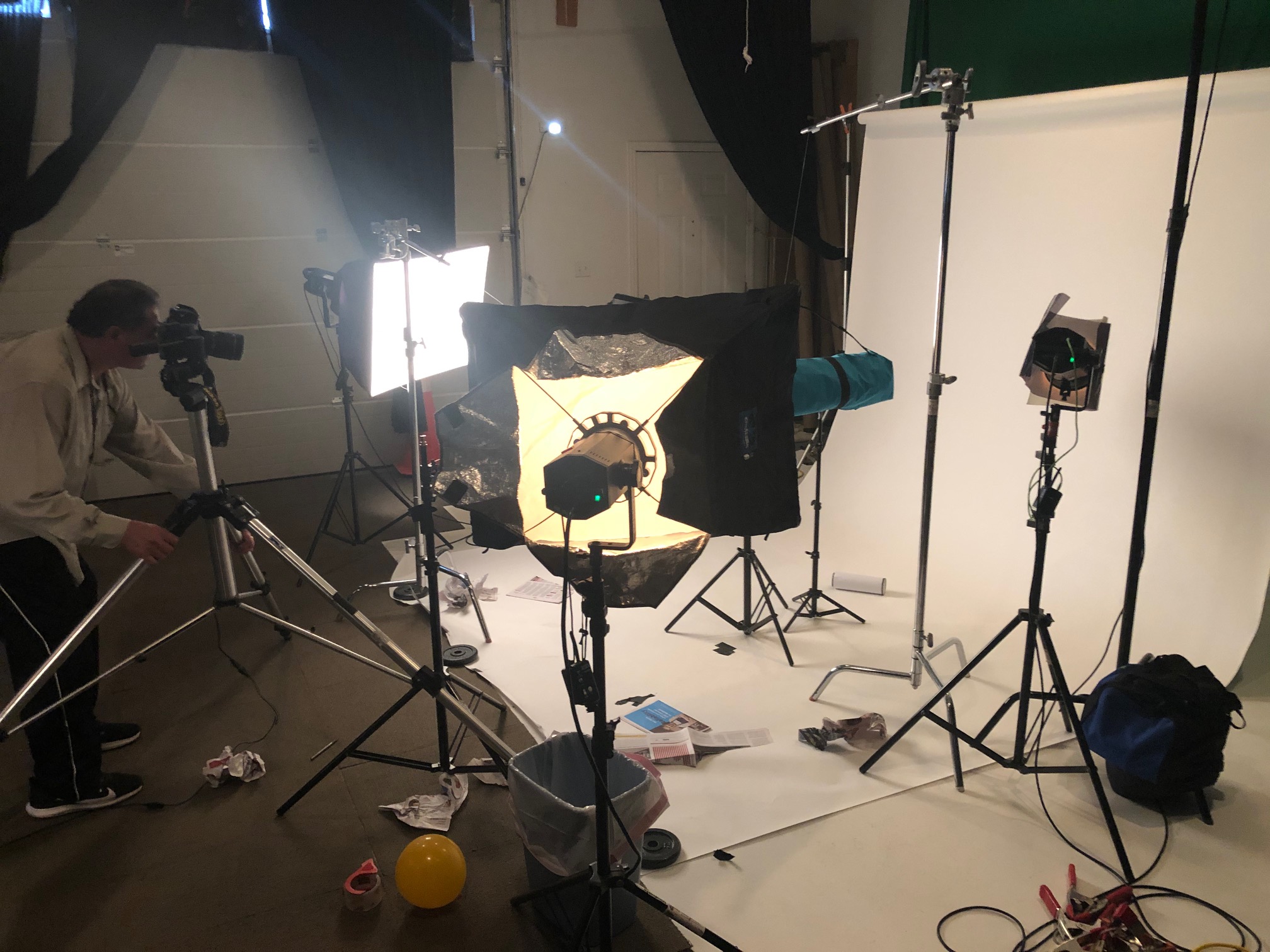
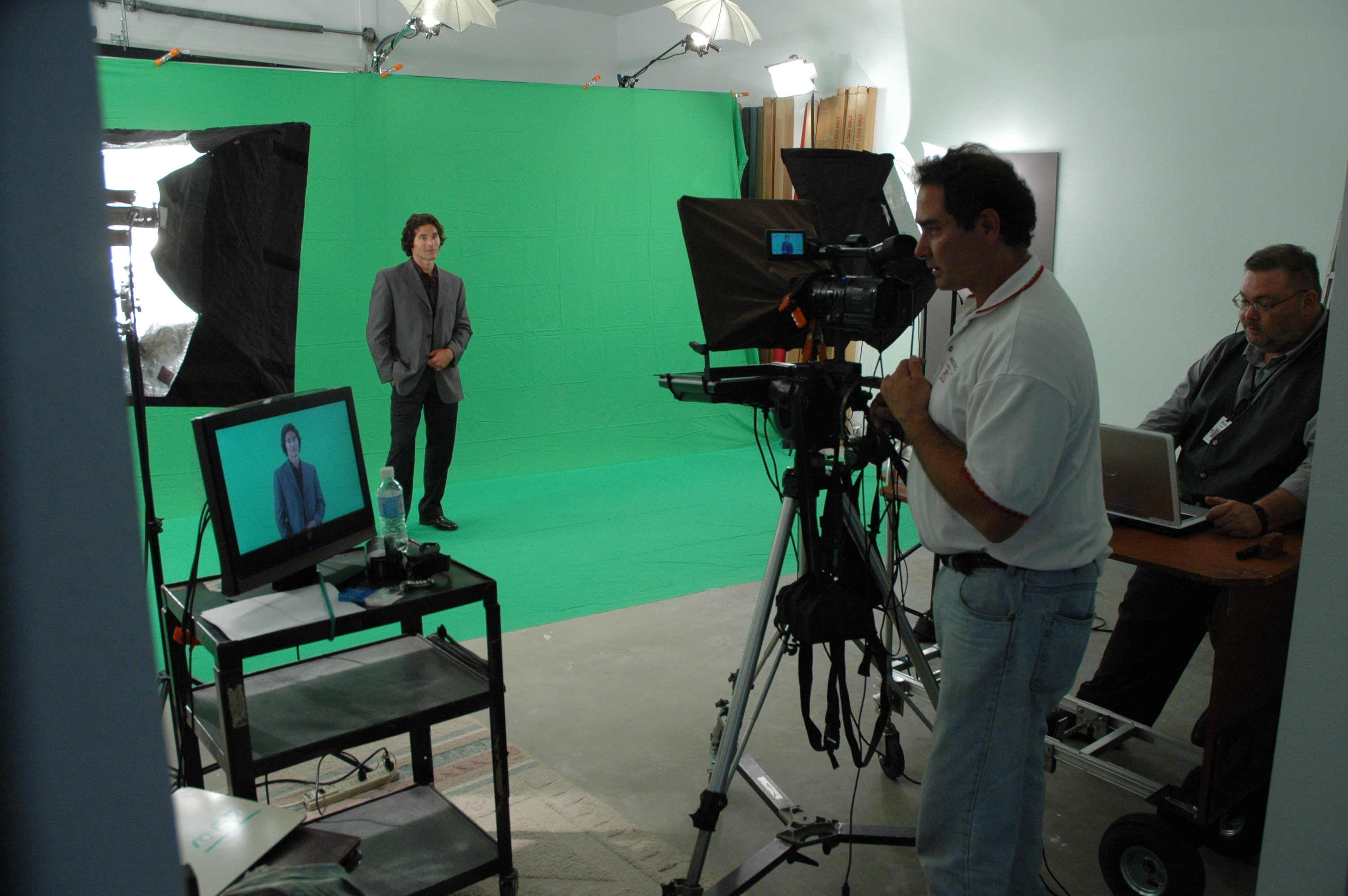
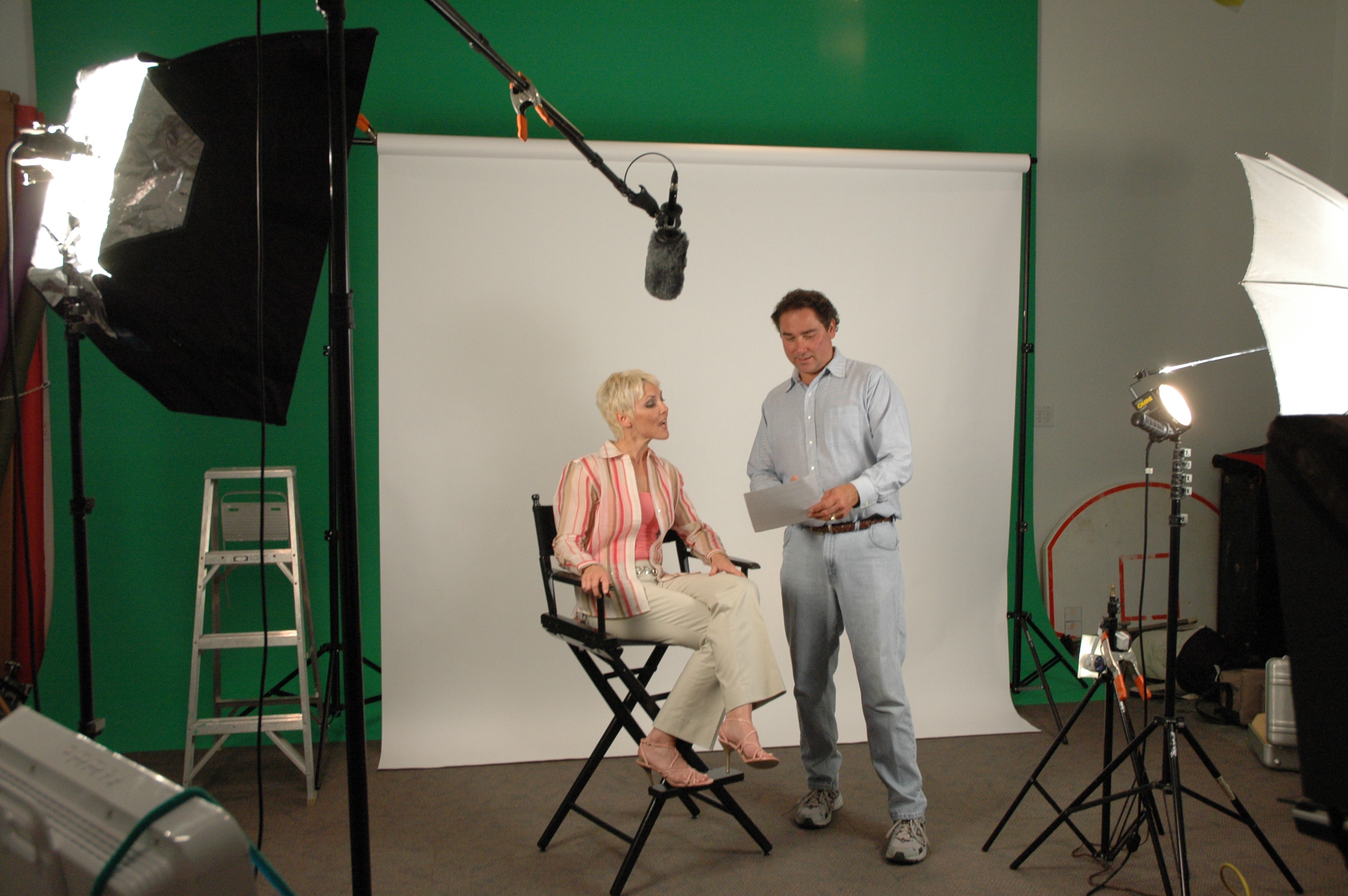
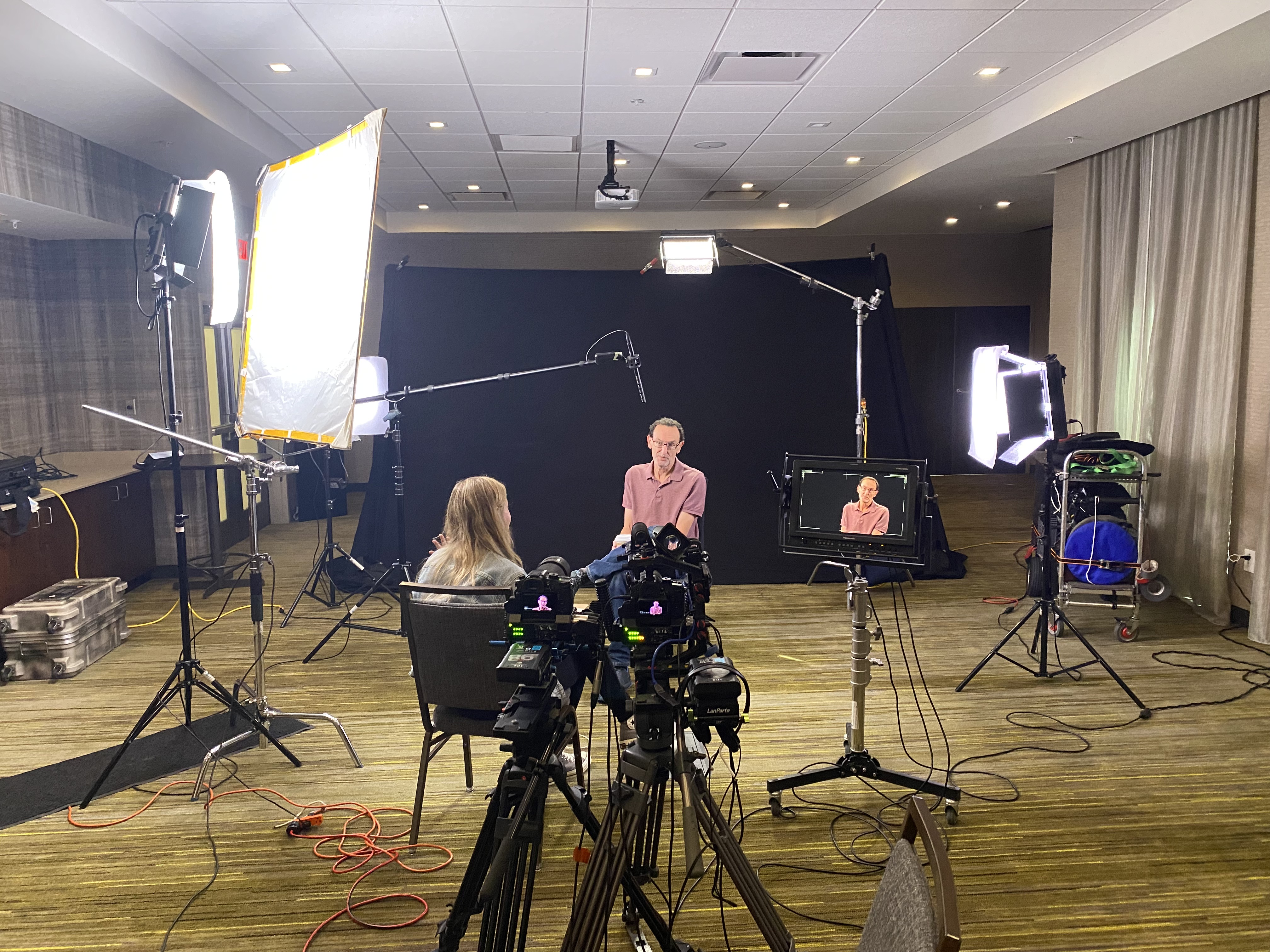
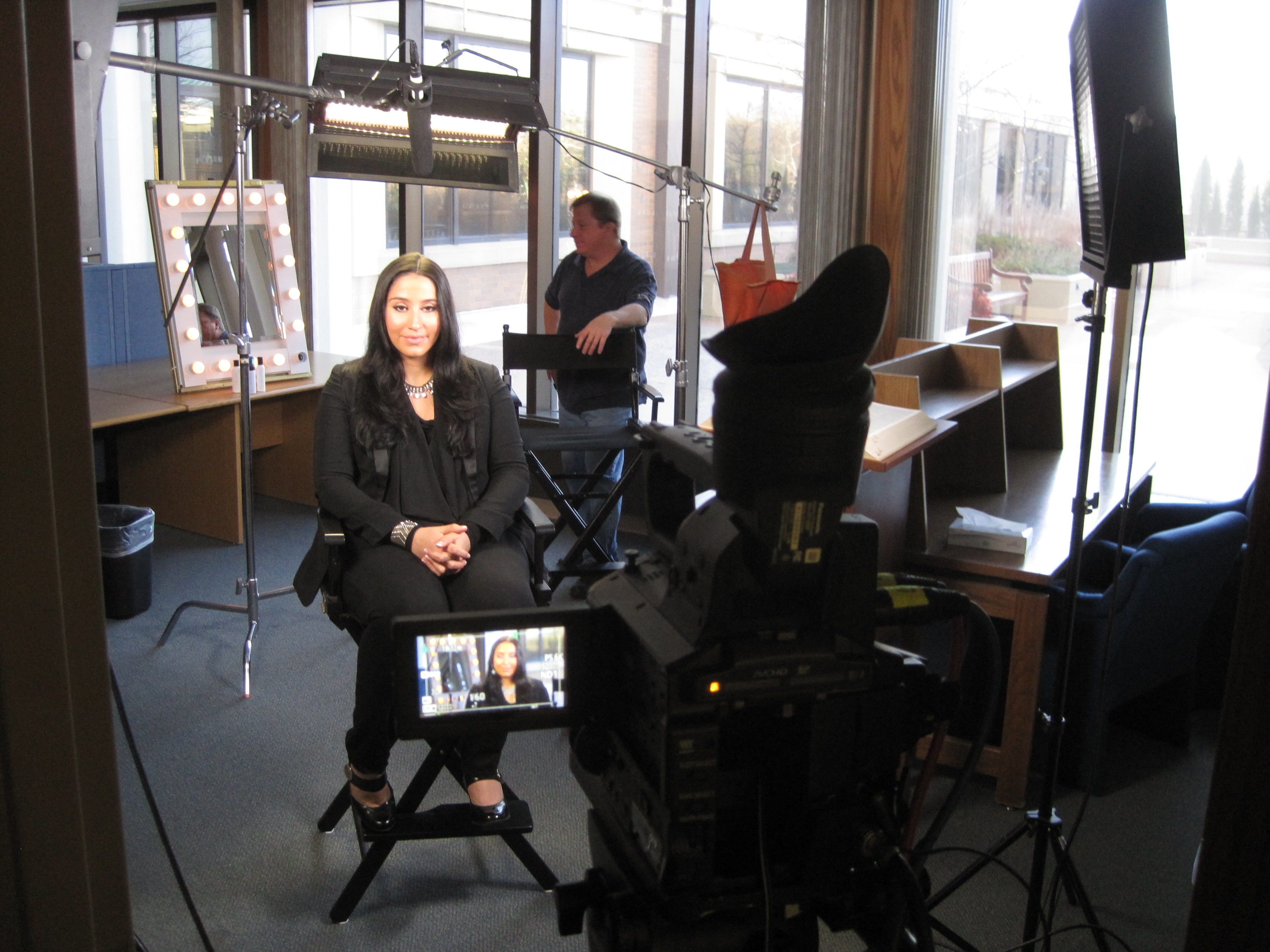
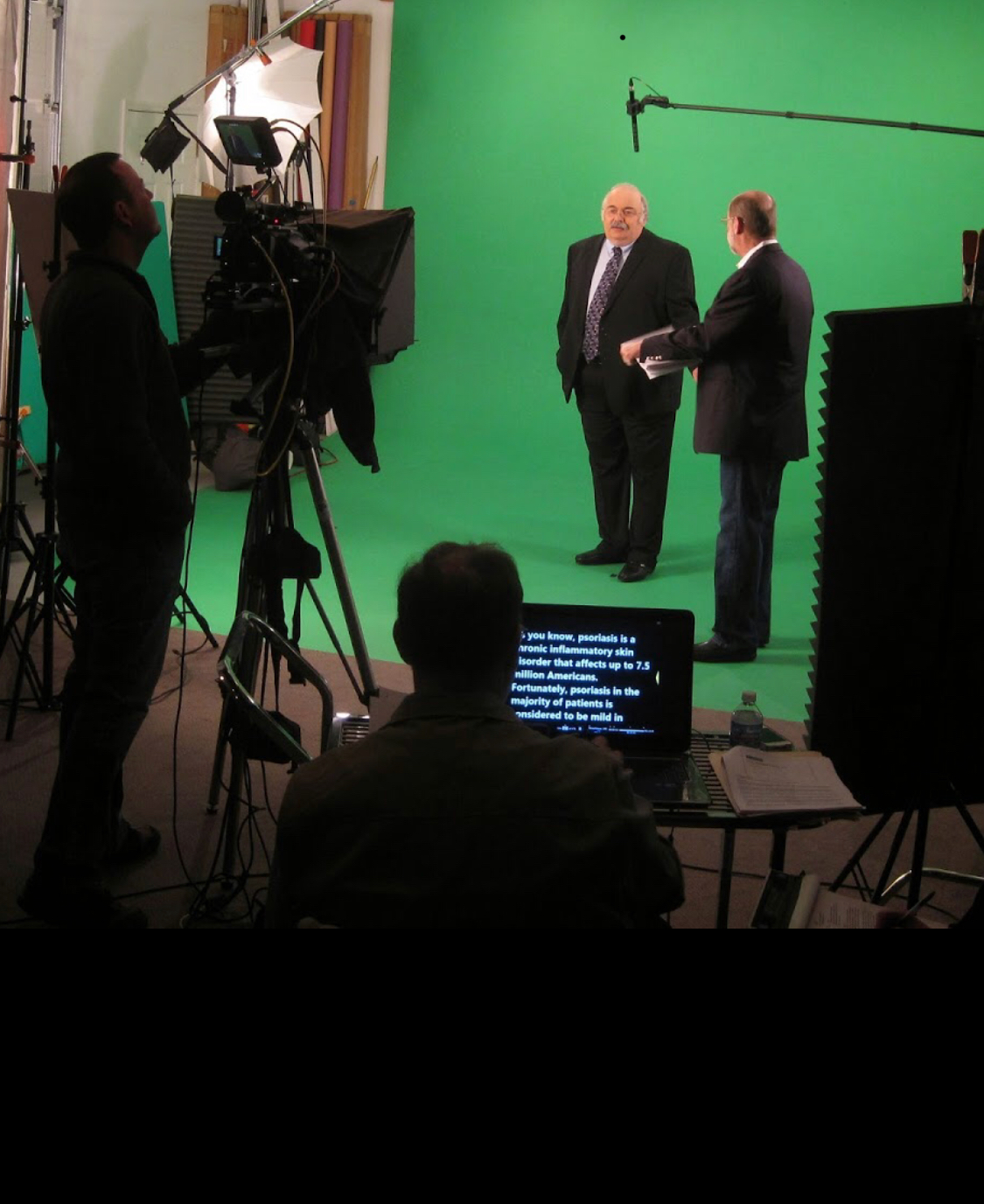
A controlled studio environment puts your production team in charge of every visual variable — lighting, background, and acoustics. It’s typically the stronger choice when:
- You need a clean, consistently branded look for leadership interviews or thought-leadership content
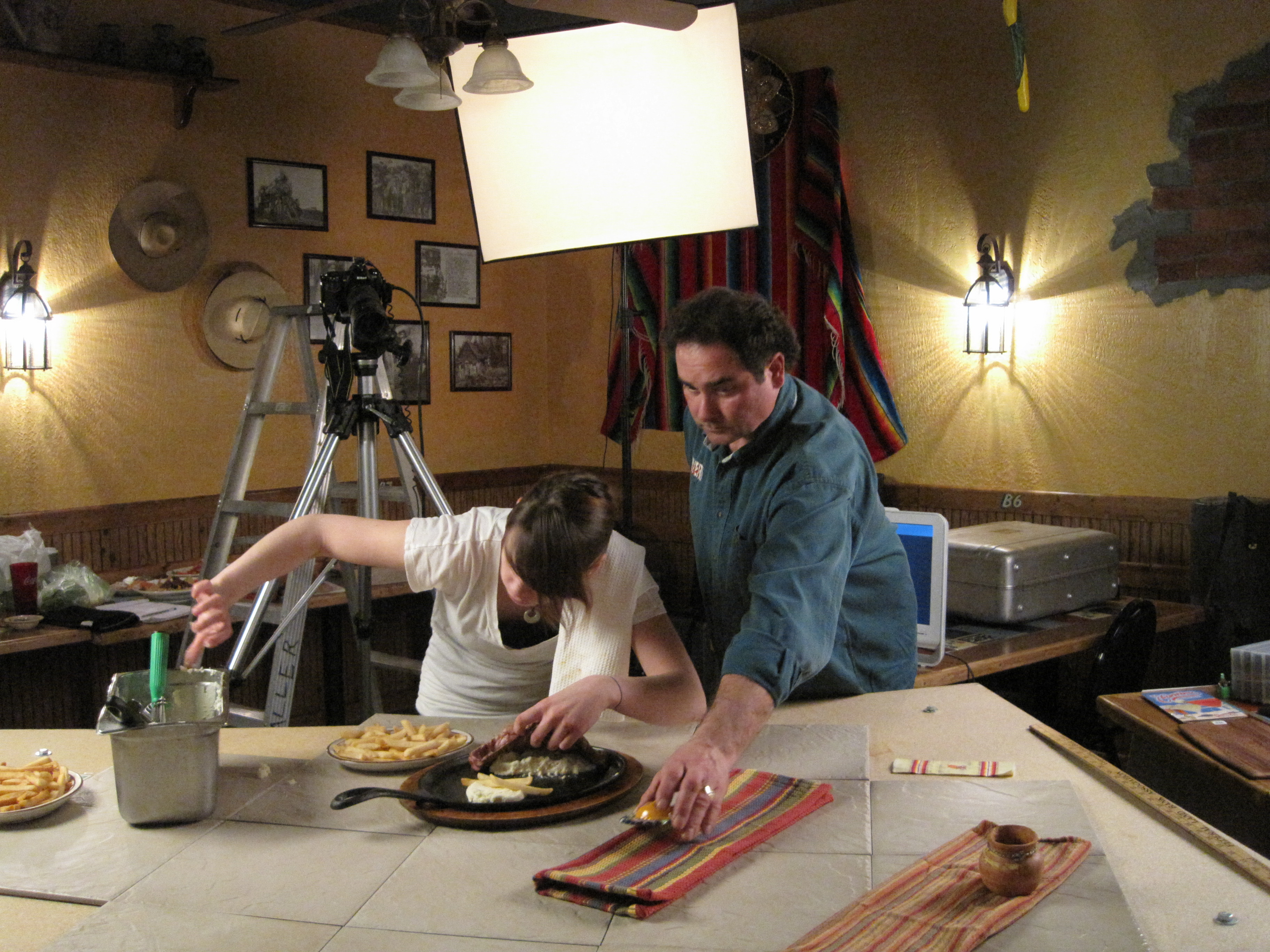
- The shoot involves product work that requires precise, repeatable lighting control
- Your timeline can’t absorb the risk of weather delays or unpredictable on-site conditions
- Your subject needs a quiet, private space to speak comfortably and naturally
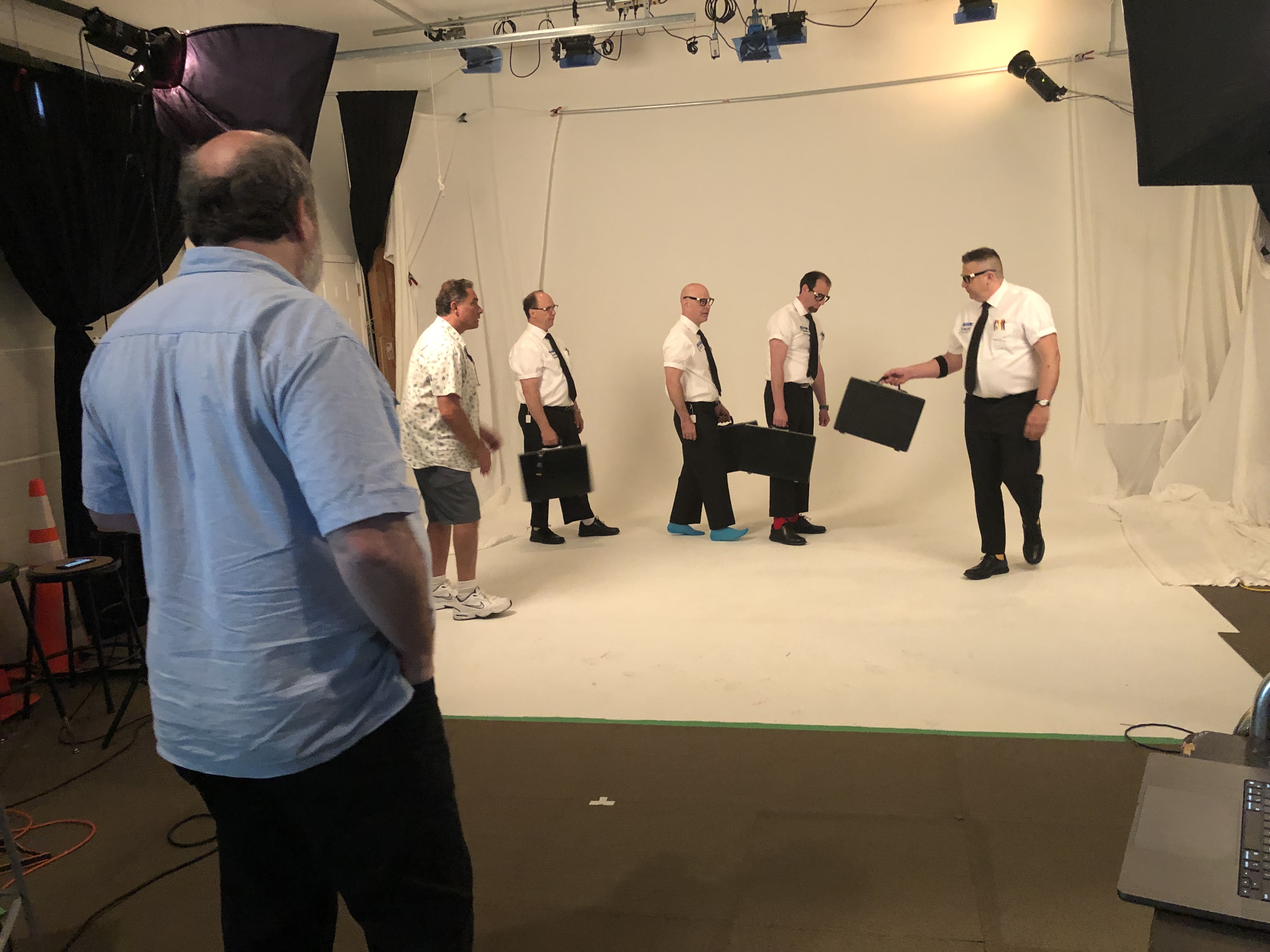
A well-equipped studio can also incorporate props and set pieces, giving your production visual depth beyond a plain backdrop.
When Location Shooting Makes the Most Sense
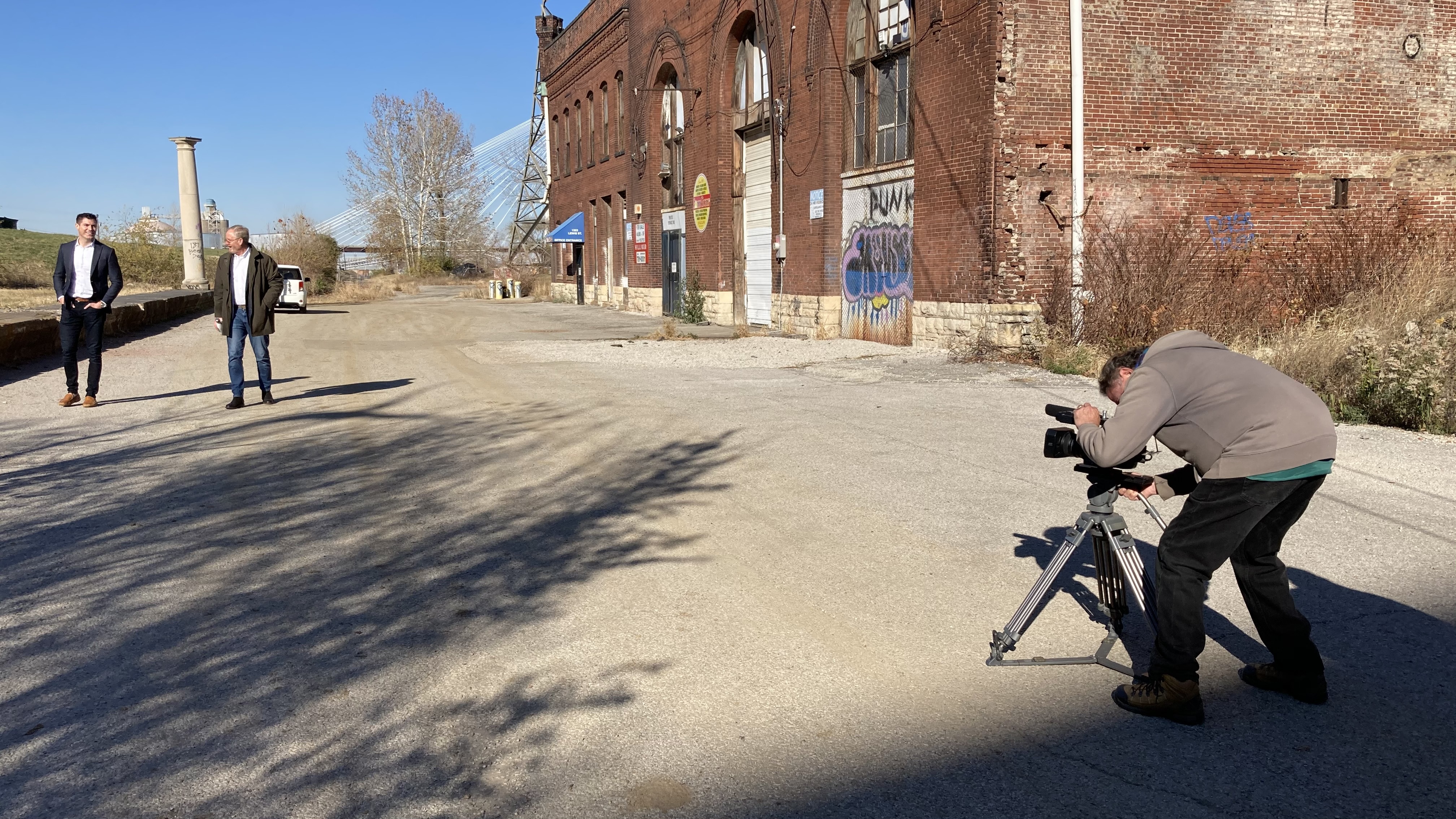
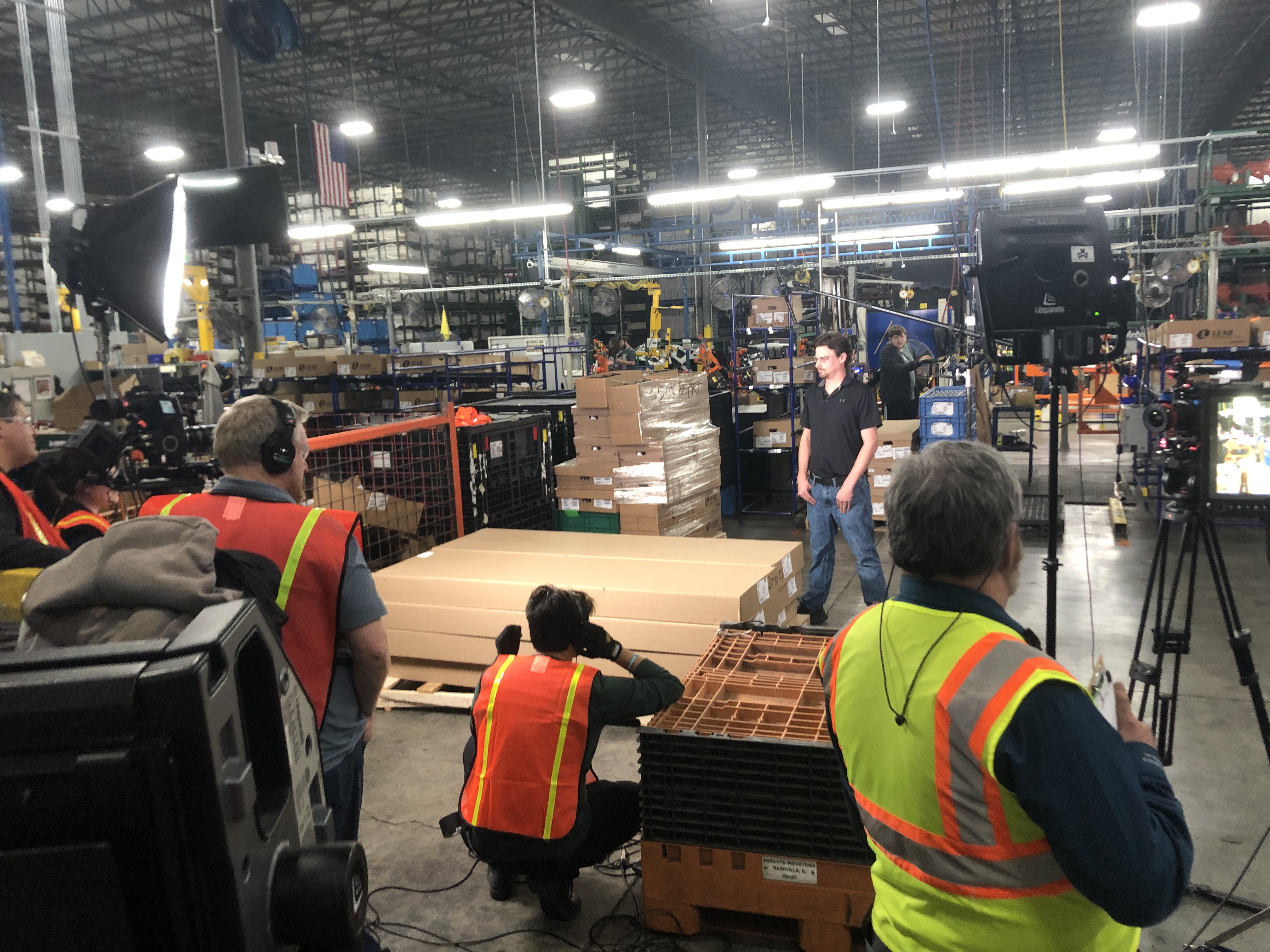
Location footage delivers a sense of authenticity that a studio can’t fully replicate. It’s usually the better fit when:
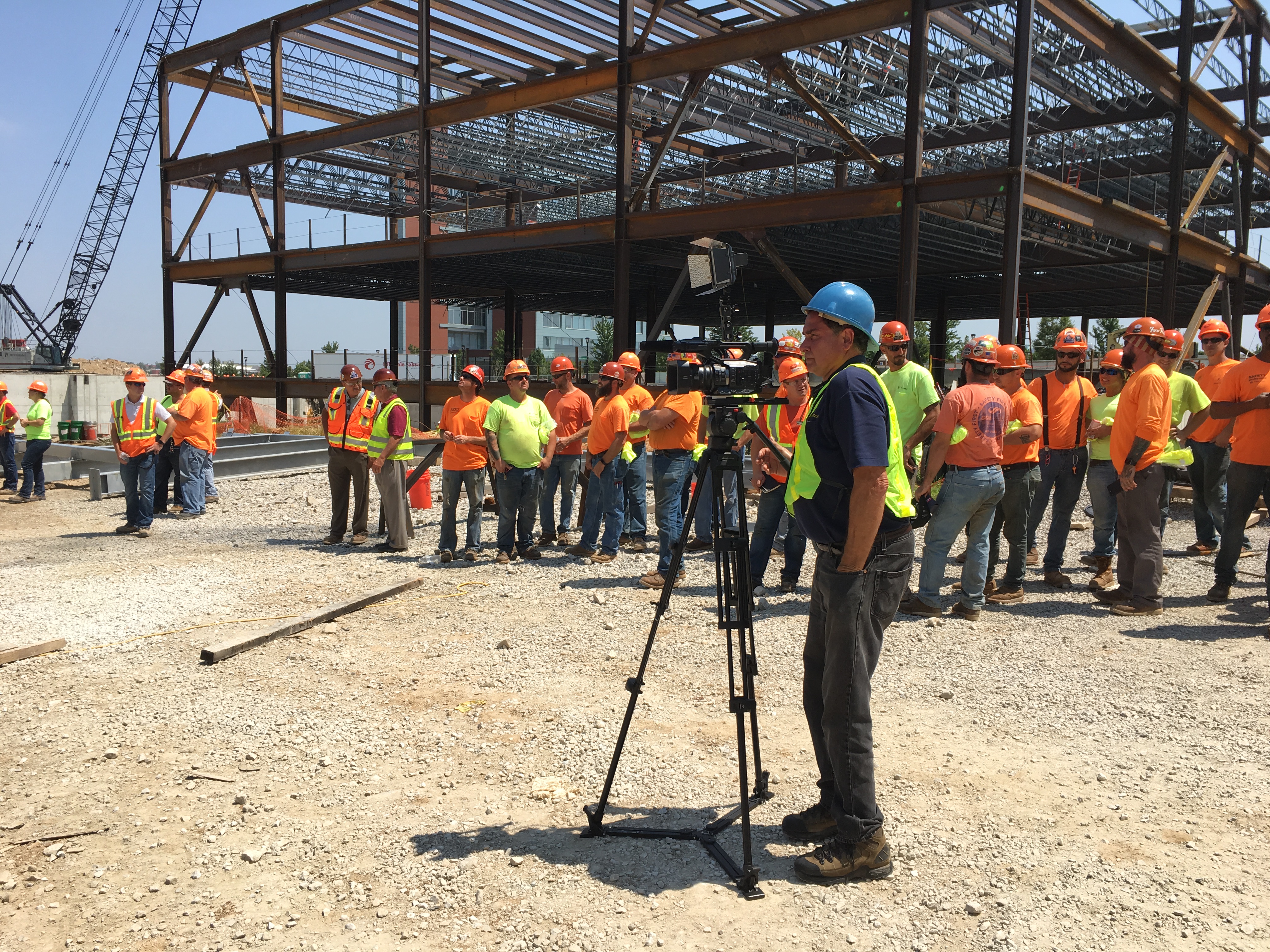
- Your story is tied directly to a physical place — a facility, storefront, jobsite, or client location
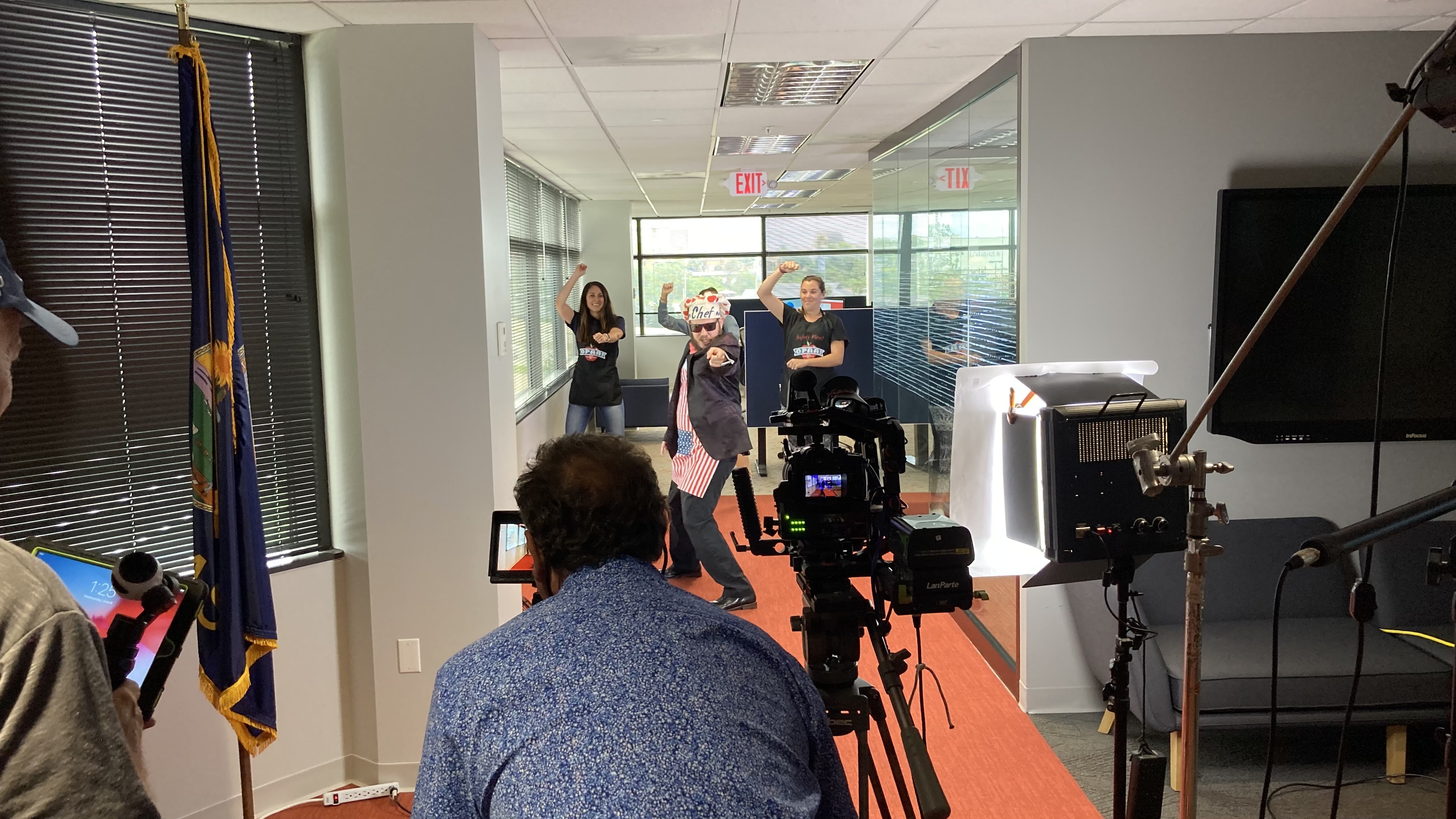
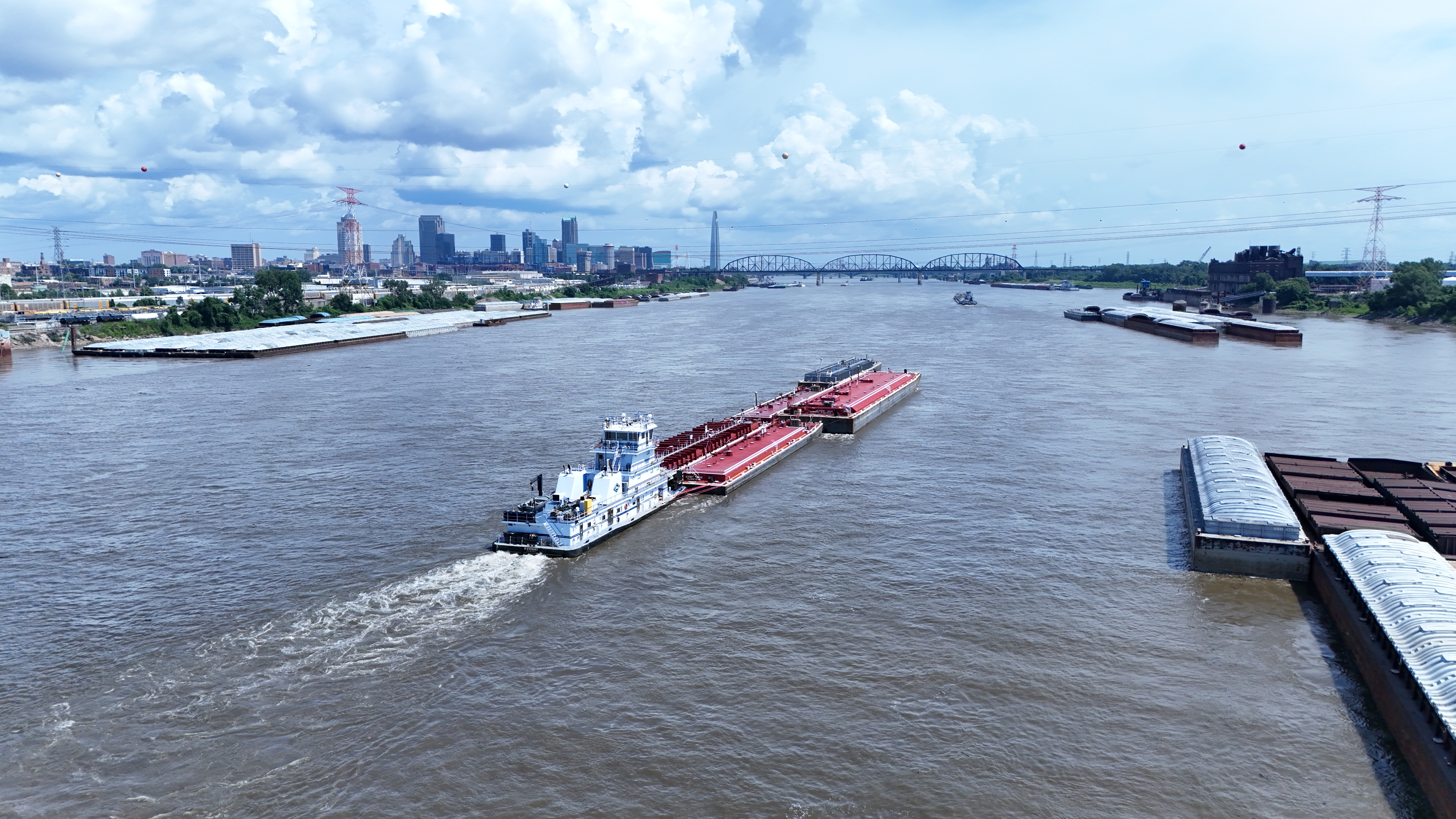
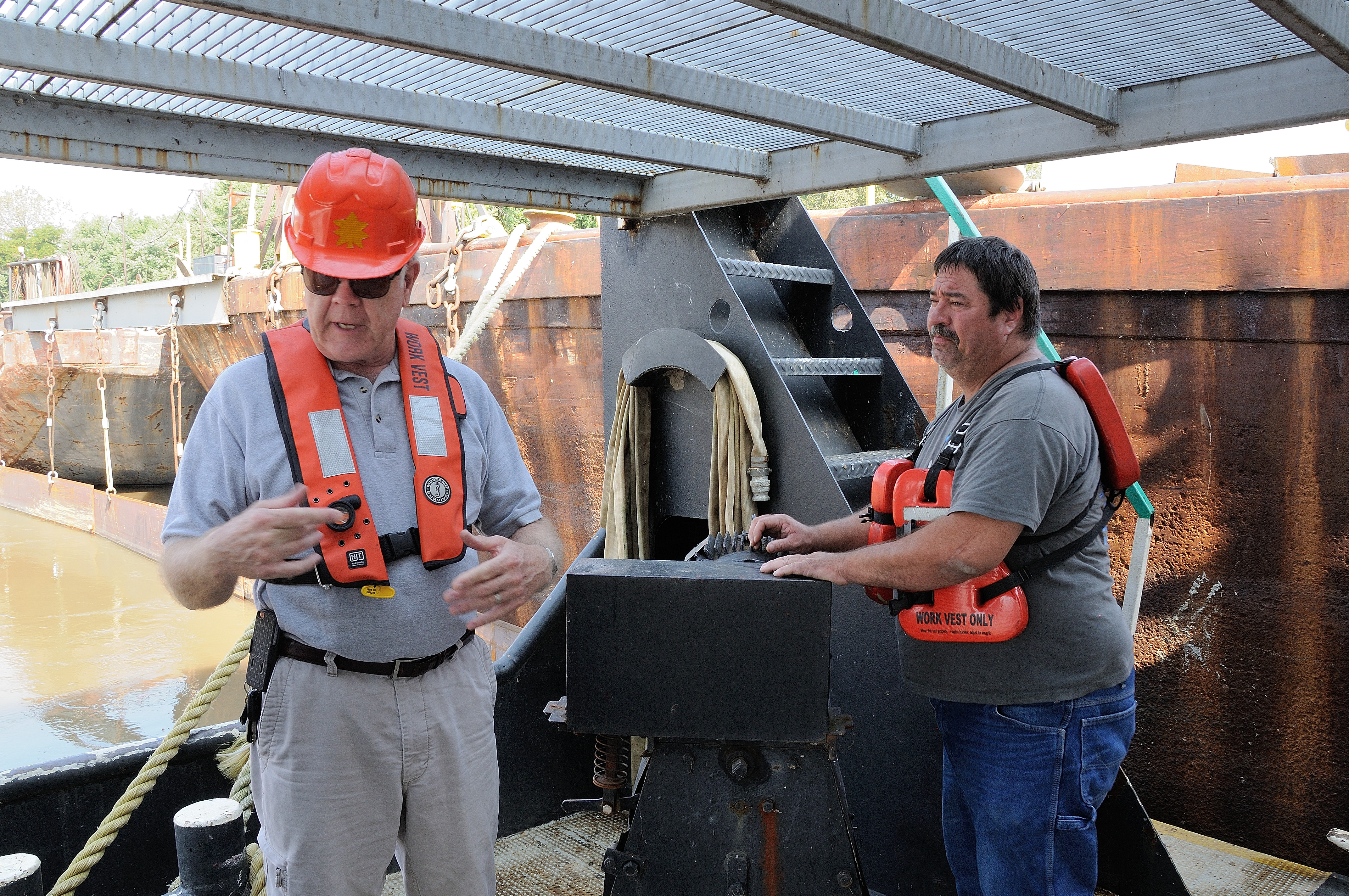
- You need genuine environmental b-roll capturing real operations, real teams, and real customer moments
- The narrative depends on a sense of scale or setting that only a real location can provide
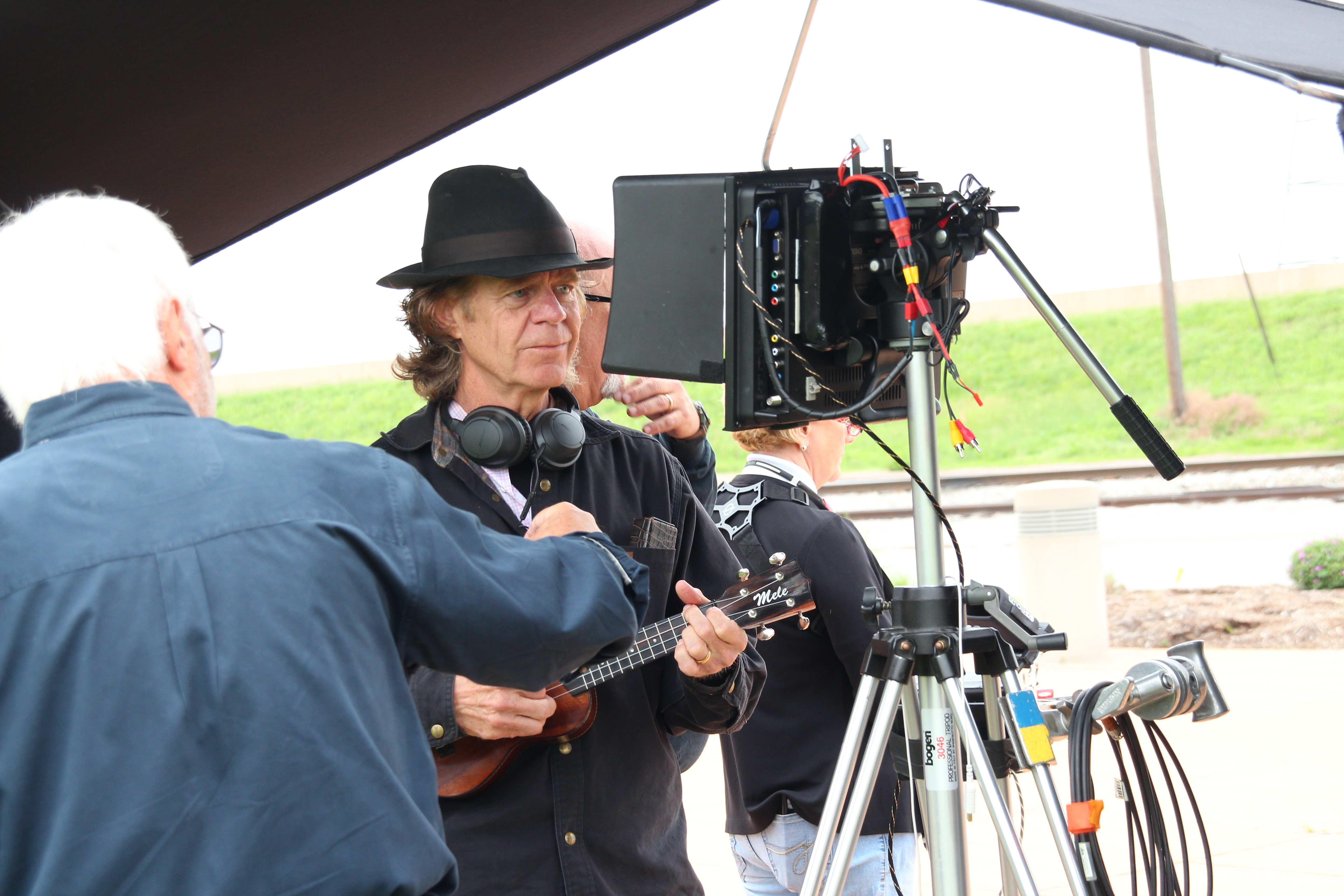
Location shoots require more upfront planning — securing access, scouting the right vantage points, adapting lighting to available conditions, and building in a contingency plan for weather. This is exactly where an experienced crew earns its value.
Many of the most effective business videos don’t choose one or the other — they blend a polished studio interview with authentic location b-roll, giving you both credibility and production value in a single piece.
Questions Worth Asking Before You Commit to a Production Partner
Before signing off on a proposal, it’s worth pushing for specifics on:
- How they prepare subjects and develop interview questions
- How they plan and capture b-roll to support the story, rather than simply fill screen time
- What lighting and audio equipment they’ll bring, and whether it fits your environment
- Whether the footage can be repurposed across formats — social, web, sales, advertising
- Their actual experience shooting in both studio and location settings, and which they’d recommend for your project
- Their post-production timeline and the file formats you’ll receive
A team that answers these with real specifics, rather than a generic sales pitch, is one that understands a single production should deliver value well beyond the first finished video.


About St Louis Video Studio
St Louis Video Studio is a full-service commercial video and photography production company, equipped with the gear, crew, and production experience it takes to consistently capture strong, dependable footage. We handle complete studio and location production for both video and photography, backed by in-house editing, post-production, and licensed drone services, and we shape every project around the specific media needs of the businesses and organizations we serve.
Helping clients repurpose their existing video and photography across new platforms and campaigns is one of our specialties, so a single production can keep generating value long after the shoot wraps. Our team is fluent in every major file format and editing platform, and we bring current artificial intelligence tools into our process to work efficiently without cutting corners on quality.
Our private studio is outfitted with professional lighting and a flexible layout well suited to interviews and smaller-scale productions, with enough room to bring in props and build out a complete set when a story calls for it. On location, our scouts and b-roll specialists know how to find the strongest vantage points and adjust quickly to real-world conditions. Whatever a production requires — a custom interview setup, dedicated sound and camera operators, or a full equipment package for a complex shoot — we manage the details so your production runs smoothly from planning through delivery.



Our drone work extends well beyond standard aerial footage. We fly specialized FPV drones, including indoor flight, and provide infrared thermal imaging, orthomosaic mapping, and LiDAR scanning, all performed under proper commercial licensing.
St Louis Video Studio partners with businesses, marketing firms, and creative agencies throughout the St. Louis region to produce video and photography built to perform, not just look good. Whether your next project centers on an interview, a location shoot, or a studio production, our team has the experience and equipment to bring it to life.