Unknown's avatar

How Drone Inspections Expose Building Heat Loss Before It Gets Expensive

Energy waste rarely announces itself with a flashing red light.
Most of the time, it slips out quietly—through a failing roof membrane, leaky windows, uninsulated walls, or aging mechanical systems. By the time a problem becomes visible inside the building, you’ve often already paid for it several times over in wasted energy, moisture damage, and emergency repairs.

Drone-based thermal inspections change that equation. They give you a fast, safe, and visual way to see exactly where your building is losing heat—across an entire facility or campus—without scaffolding, lifts, or guesswork.

For facility managers, building owners, and the marketing and communications teams who support them, this kind of visual data isn’t only a maintenance tool. It’s also powerful storytelling and documentation: proof of due diligence, sustainability efforts, and capital improvement ROI.

Let’s break down how drone inspections help you “fix” building heat loss—practically, safely, and in a way that can be clearly communicated to stakeholders.


What “Building Heat Loss” Really Looks Like in the Real World

Heat loss isn’t a single problem; it’s a cluster of related issues that show up in different ways:

  • Roofing failures
    • Wet or saturated insulation under a membrane
    • Seams and penetrations where warm air escapes
    • Ponding water that leads to long-term moisture and structural issues
  • Wall and façade problems
    • Thermal bridging at structural elements
    • Missing or compromised insulation in panels or cavities
    • Failing joints around expansion gaps and cladding
  • Windows, doors, and openings
    • Leaky curtain walls and storefront systems
    • Gaps around overhead doors in loading docks and warehouses
    • Aging weatherstripping that no longer seals
  • Mechanical and utility losses
    • Steam line leaks
    • Inefficient rooftop units (RTUs) running hot
    • Poorly insulated piping and ductwork

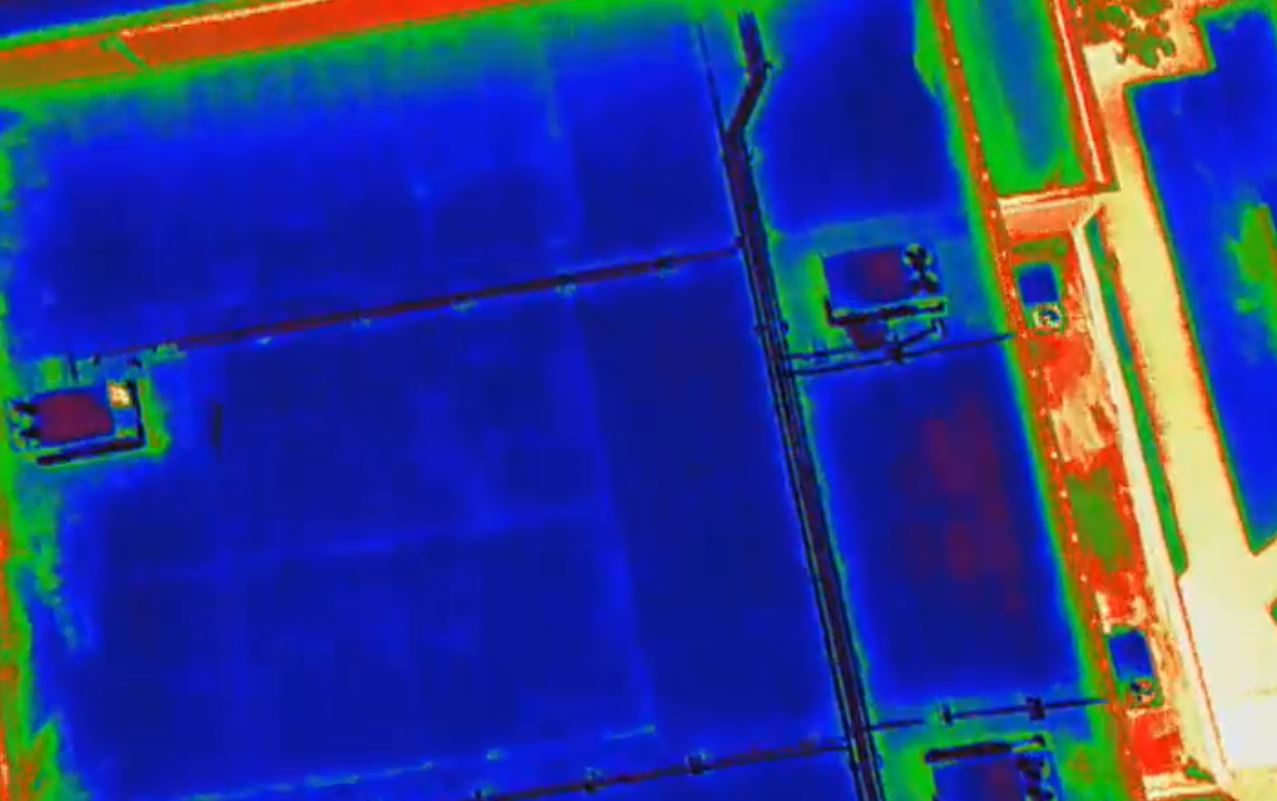
All of these issues show up as temperature anomalies—areas that are warmer or colder than they should be relative to surrounding surfaces. Thermal cameras mounted on drones capture this delta and translate it into clear, actionable visuals.


Why Traditional Inspections Miss So Much

Conventional building envelope inspections rely heavily on:

  • Walking the roof with a handheld thermal camera
  • Lift-based checks of façades
  • Visual inspections from the ground
  • Trial-and-error destructive testing

Those methods can work—but they’re:

  • Slow and labor-heavy
  • Limited in coverage (you see only what you can safely reach)
  • Dependent on the inspector’s vantage point and experience
  • Potentially disruptive to building operations

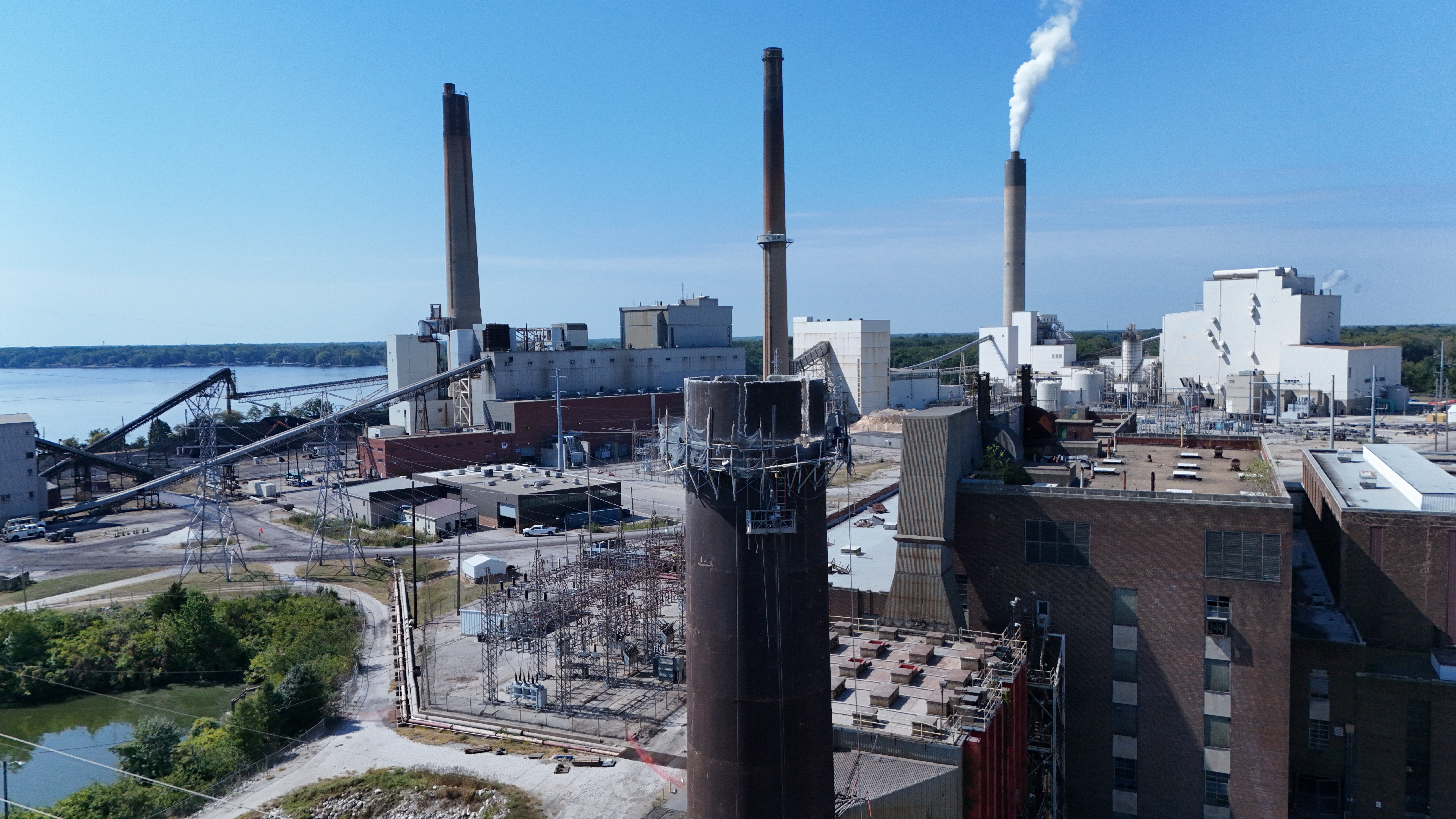
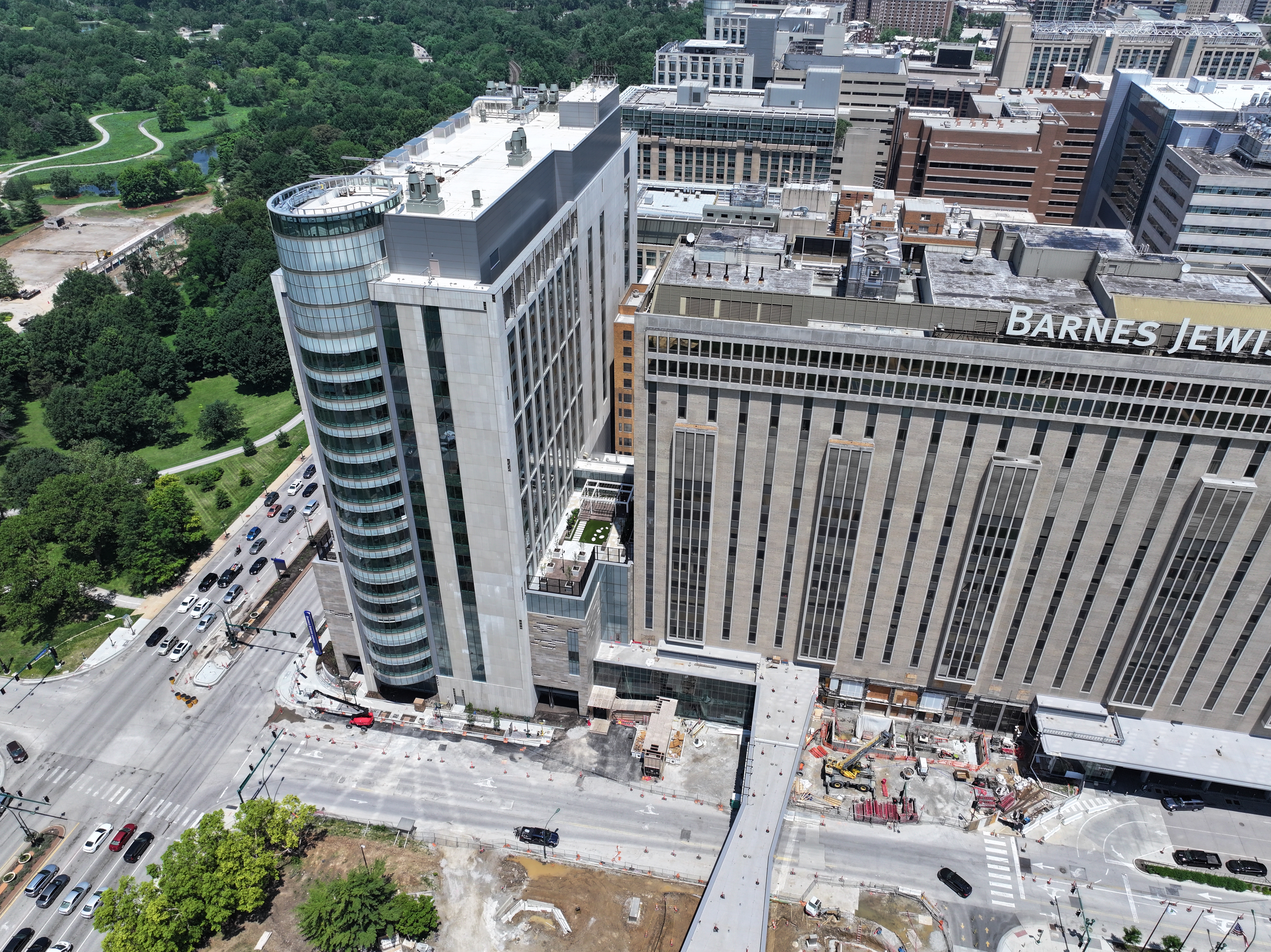
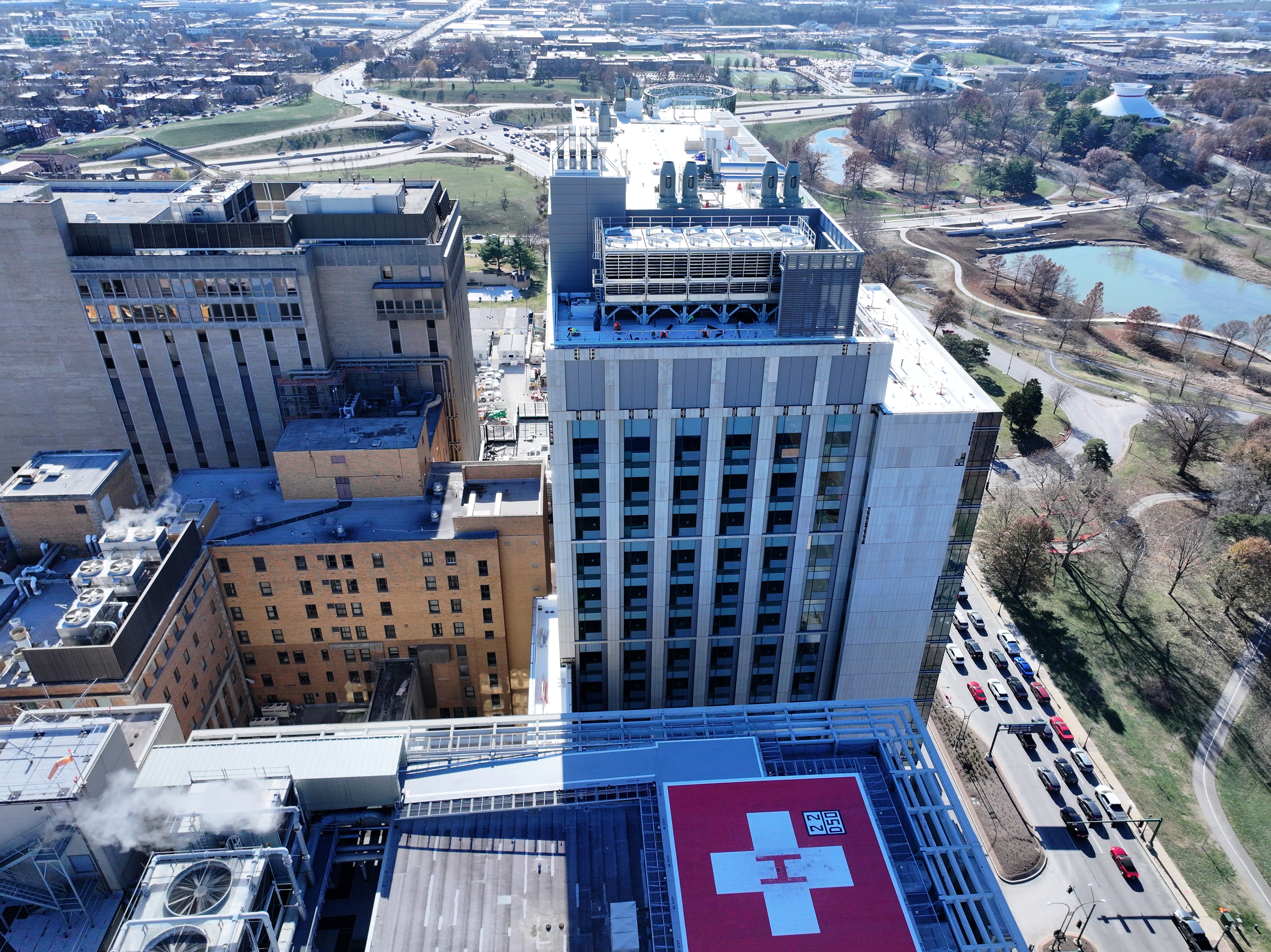
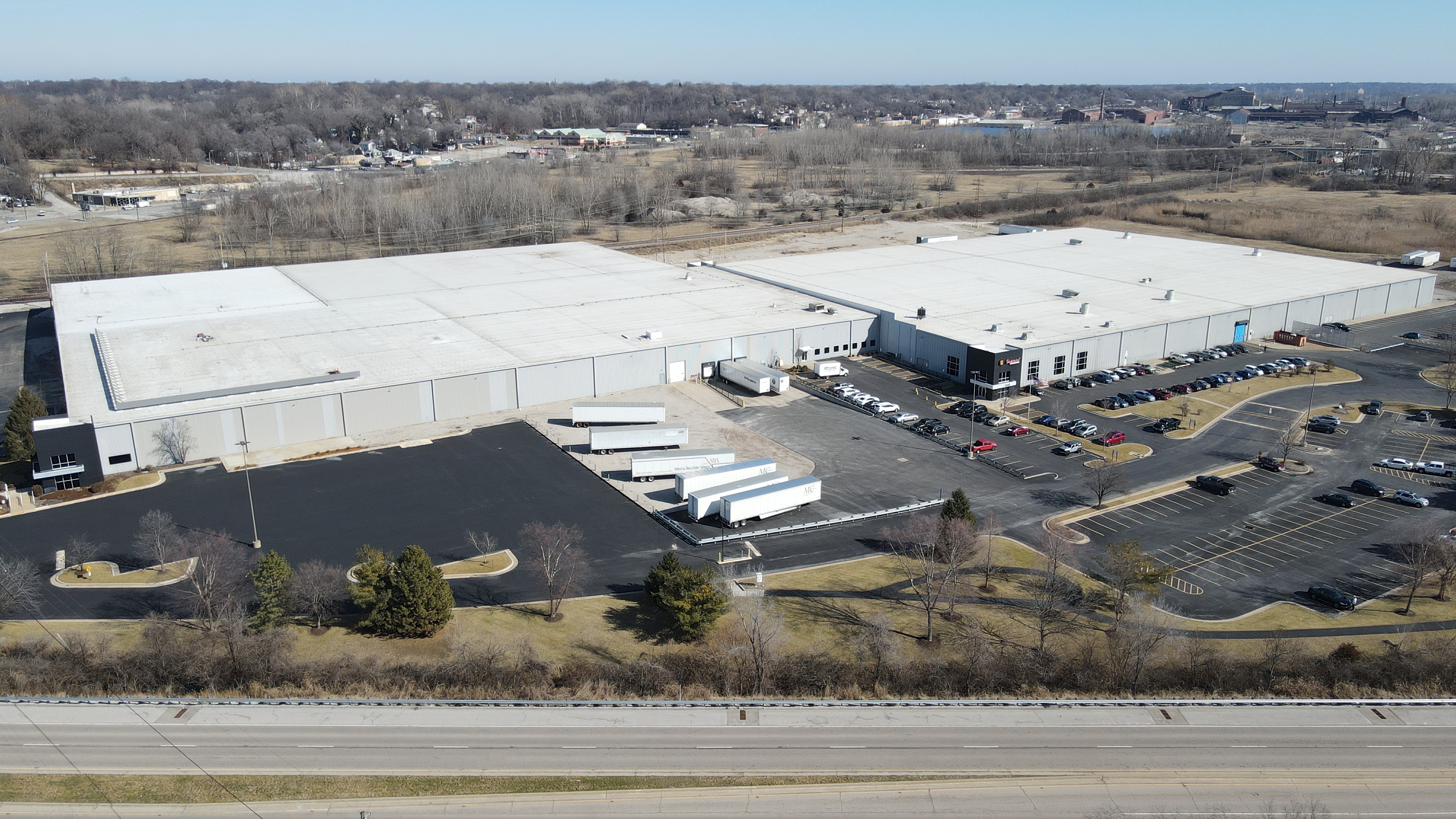
In large facilities—corporate campuses, industrial plants, logistics hubs, healthcare complexes—it’s easy for problem areas to stay hidden for years simply because no one can see them safely, quickly, and comprehensively.

Drone inspections step over those limitations.


How Drone-Based Thermal Inspections Work

A modern building heat-loss drone survey typically includes two data layers:

  1. Thermal (infrared) imagery – to show temperature anomalies
  2. High-resolution visual imagery – to document physical conditions

Here’s what the process looks like when it’s done professionally:

1. Pre-Planning

  • Review site constraints (airspace, nearby airports, local restrictions)
  • Map building footprints, roof levels, obstructions, and critical areas
  • Coordinate with building management for access, timing, and safety

2. Optimal Timing and Conditions

Thermal inspections depend on contrasts. The best results typically come when:

  • There’s a clear difference between indoor and outdoor temperatures
  • The building has gone through a heating or cooling cycle
  • Direct sunlight and reflective surfaces are managed to avoid false positives

An experienced drone crew plans flight schedules to maximize this contrast and minimize noise in the data.

3. Flight and Data Capture

Using specialized drones equipped with radiometric thermal sensors, the crew:

  • Flies precise grid patterns over roofs and façades
  • Captures overlapping thermal stills and/or video
  • Collects matching high-res visual imagery for context

With the right gear and pilots, an inspection that would take days on lifts can often be captured in a fraction of the time—with no one leaving the ground.

4. Analysis and Interpretation

Raw thermal data is only half the job. The real value comes from:

  • Comparing thermal images with visual imagery to understand what’s happening at each anomaly (e.g., seam failure, wet insulation, missing insulation, mechanical issue)
  • Creating maps and reports that align anomalies with real-world locations and roof or building drawings
  • Flagging priority areas by severity, risk, and likely cause

This is where pairing commercial drone pilots with a seasoned imaging and post-production team pays off. You’re not just getting “cool pictures”—you’re getting usable intelligence.


Where Drone Thermal Inspections Deliver the Biggest Wins

1. Commercial Roofs

Flat and low-slope roofs are a perfect fit for drone thermography. Aerial thermal imagery can reveal:

  • Wet or saturated insulation
  • Failing seams, flashings, and penetrations
  • Heat loss around HVAC curbs, vents, and skylights

Instead of guessing where to core sample or cut, you target the exact spots that show anomalies—reducing destructive testing and focusing repair budgets where they matter.

2. Building Envelopes and Façades

From high-rise office towers to big-box retail, drones can scan façades quickly and safely to detect:

  • Missing or poorly installed insulation
  • Thermal bridging at structural elements and anchors
  • Air leakage around windows, doors, and façade transitions

For owners, this is invaluable evidence when evaluating contractor work, planning façade upgrades, or developing long-term capital budgets.

3. Industrial and Utility Infrastructure

Drone-based thermal imaging is also effective for:

  • Steam tunnels and pipe runs
  • Heat exchangers and process equipment
  • Mechanical rooms and rooftop units (when accessible to line-of-sight)

Being able to capture both thermal and visual data from elevated angles gives maintenance teams an immediate short list of what to address first.


Turning Technical Data into Clear Visual Communication

You’re not just fixing heat loss; you’re also justifying budgets, demonstrating ESG progress, and communicating risk and ROI to non-technical audiences.

That’s where expert video and photography production comes in. Thoughtful post-production can transform your drone capture into:

  • Executive-ready presentations
    • Before/after visuals of problem areas and completed repairs
    • Simple overlays that show thermal anomalies alongside the visible image
    • Callouts and annotations explaining what each hotspot means
  • Board and investor updates
    • Short, narrated explainer videos that walk through issues, solutions, and projected savings
    • Visual documentation of capital improvements tied to sustainability and resilience goals
  • Marketing and ESG storytelling
    • Branded micro-videos and stills demonstrating your commitment to energy efficiency
    • Visual proof that your organization is proactive about infrastructure health, not reactive

When drone and thermal inspections are paired with a professional studio and post-production team, you’re not just checking boxes—you’re creating a visual asset library that supports operations, compliance, and brand.


Planning a Drone Inspection Program That Actually Pays Off

To get maximum value from building heat-loss inspections, treat them as a structured program, not a one-off event.

Consider:

  1. Baseline Survey
    • Capture current conditions across roofs, façades, and key mechanical areas
    • Identify and rank anomalies by risk and cost impact
  2. Targeted Repairs and Upgrades
    • Use the visuals to guide contractors directly to problem zones
    • Prioritize “quick win” fixes with strong ROI
  3. Follow-Up and Verification Flights
    • Confirm completed repairs actually resolved the thermal issues
    • Build a “before and after” visual record for internal and external stakeholders
  4. Ongoing Monitoring
    • Schedule periodic inspections (annually or after major weather events)
    • Track trends over time to anticipate failures before they become critical

When your inspection assets are captured and processed by an experienced imaging partner, each year’s data layers cleanly onto the last. Over time, you build a visual history of the building’s performance that’s hard to dispute—and incredibly valuable.


Why Professional Production Quality Matters

Anyone can buy a drone and a thermal camera. Very few can:

  • Fly safely and legally in complex environments
  • Capture usable, consistent images and video that align with inspection goals
  • Color-grade, annotate, and edit that footage into a coherent story for decision makers
  • Deliver footage and stills in formats that your engineers, contractors, marketing team, and executives can all use without frustration

That’s the gap a dedicated video studio fills—translating raw technical capture into polished, clear, and versatile visual assets.


Partner with St. Louis Video Studio for Drone Heat-Loss Inspections

St. Louis Video Studio is an experienced, full-service professional commercial photography and video production company with the right equipment and creative crew experience for successful image acquisition—on the ground and in the air.

We offer full-service studio and location video and photography, as well as editing, post-production and licensed drone pilots. St. Louis Video Studio can customize your productions for a wide range of media requirements, from technical inspection documentation to executive briefings and marketing campaigns.

Repurposing your photography and video branding to gain more traction is another specialty. We are well-versed in all file types, styles of media and accompanying software, and we use the latest in Artificial Intelligence for all our media services—from smart noise reduction and image enhancement to AI-assisted editing and content versioning.

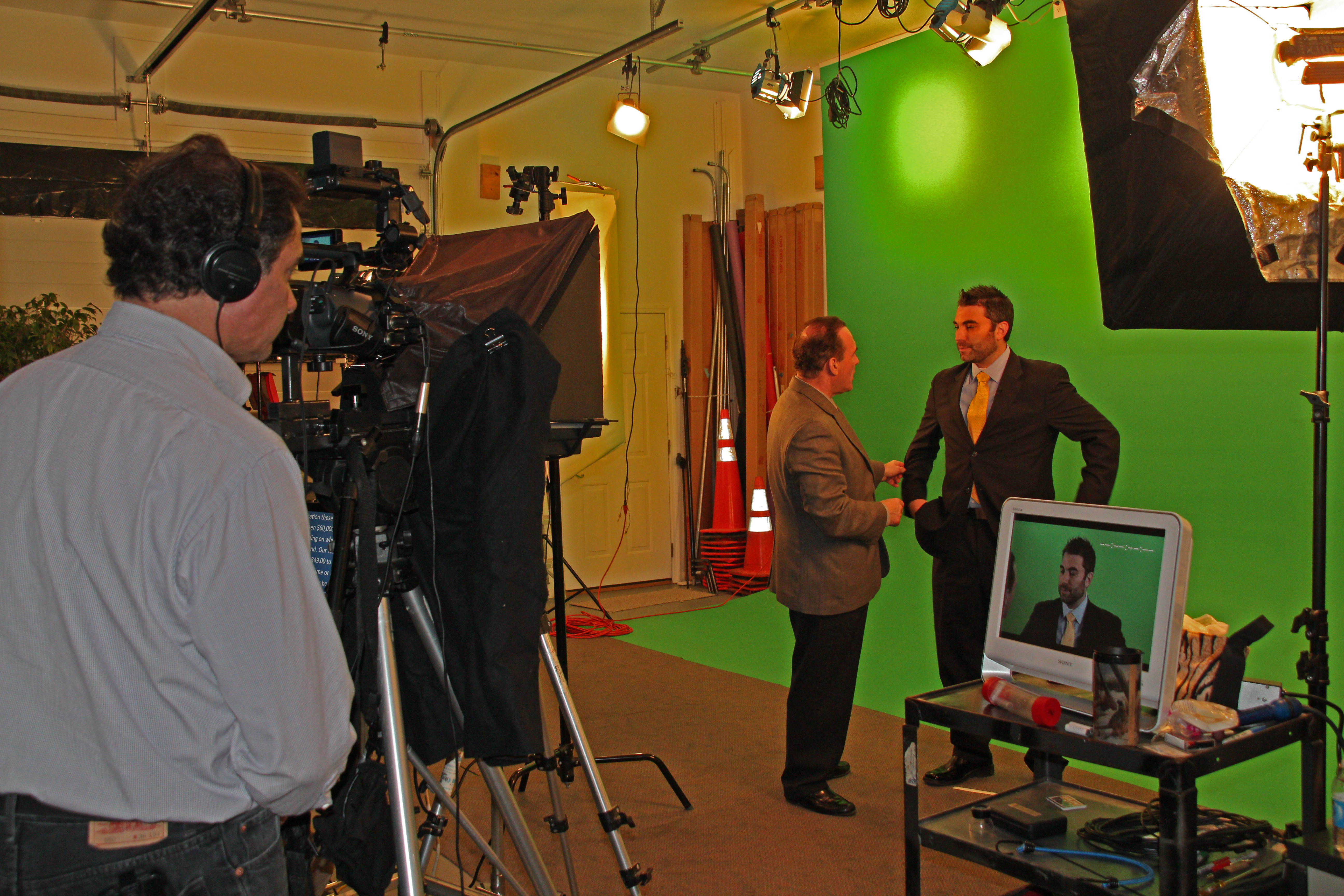
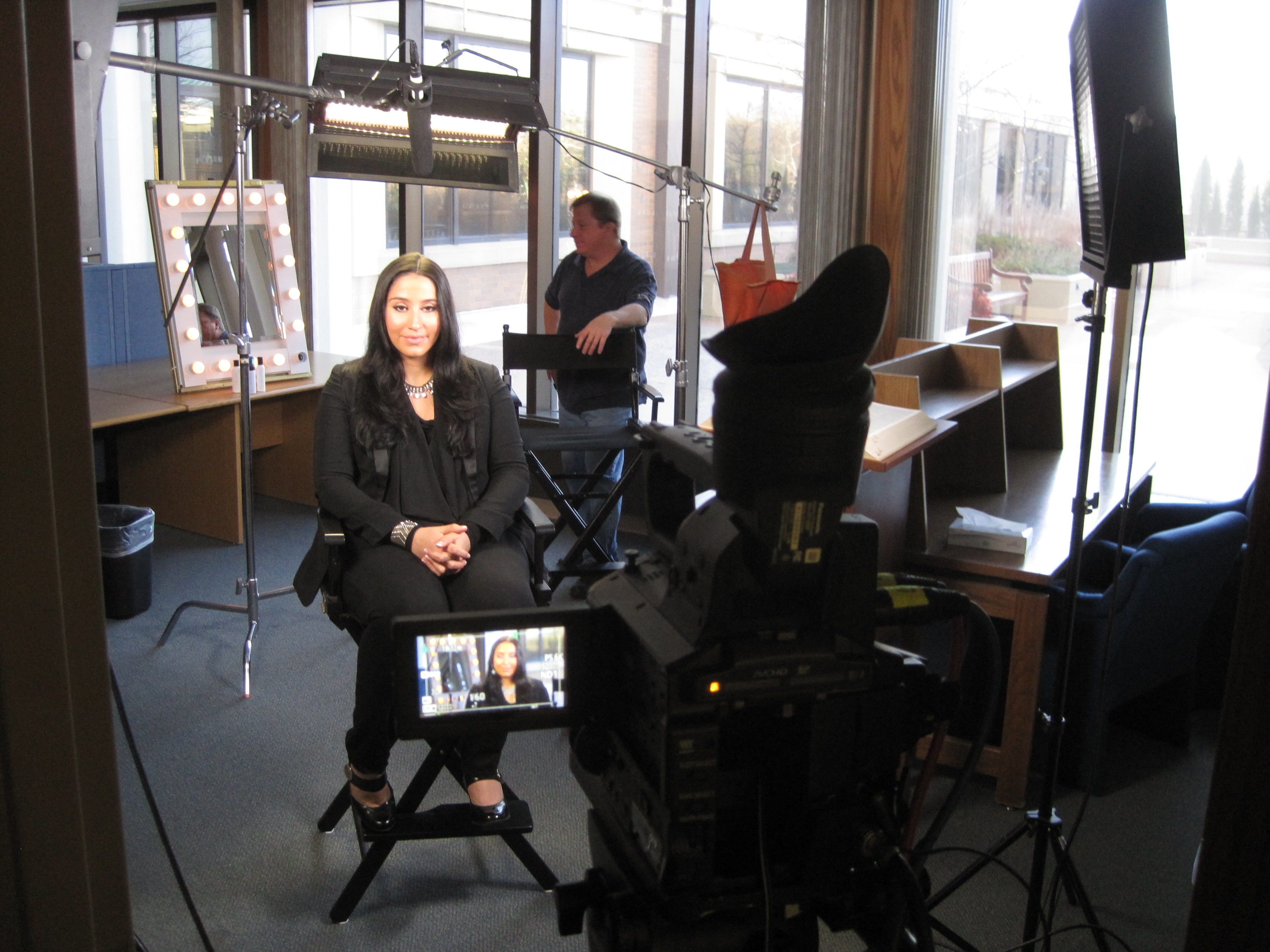
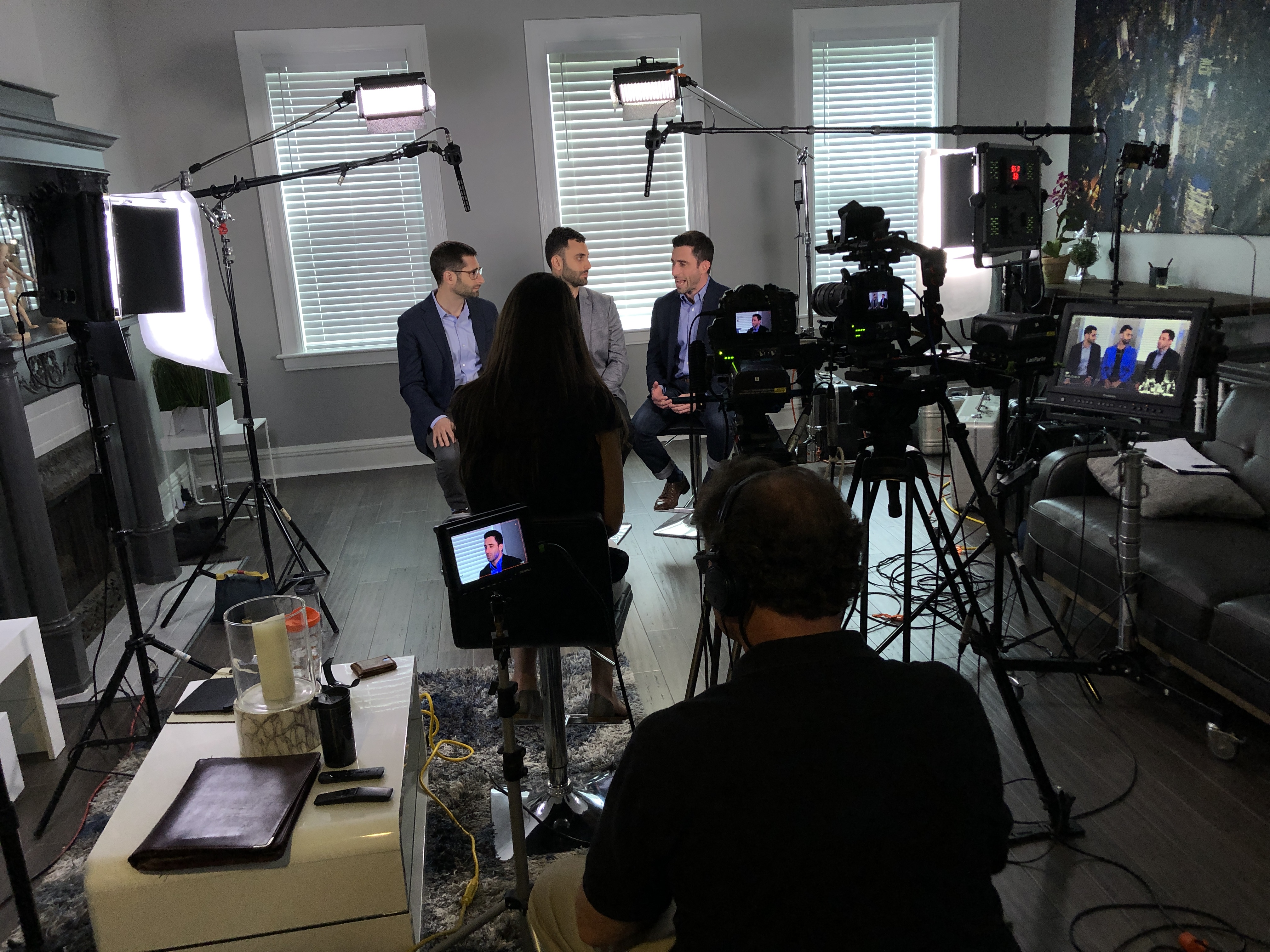
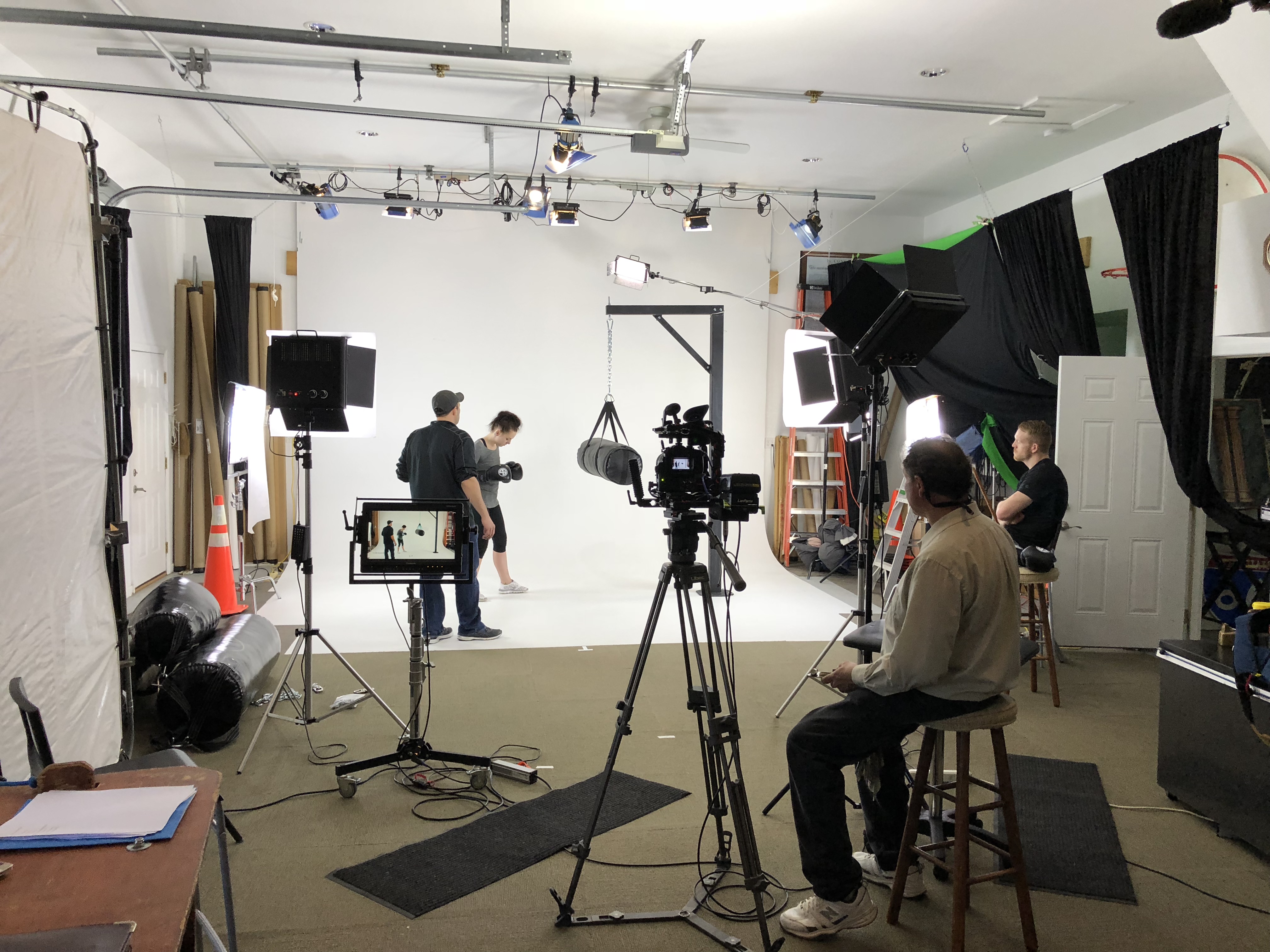
Our private studio lighting and visual setup is perfect for small productions and interview scenes, and our studio is large enough to incorporate props to round out your set. We support every aspect of your production—from setting up a private, custom interview studio to supplying professional sound and camera operators, as well as providing the right equipment—ensuring your next video production is seamless and successful.

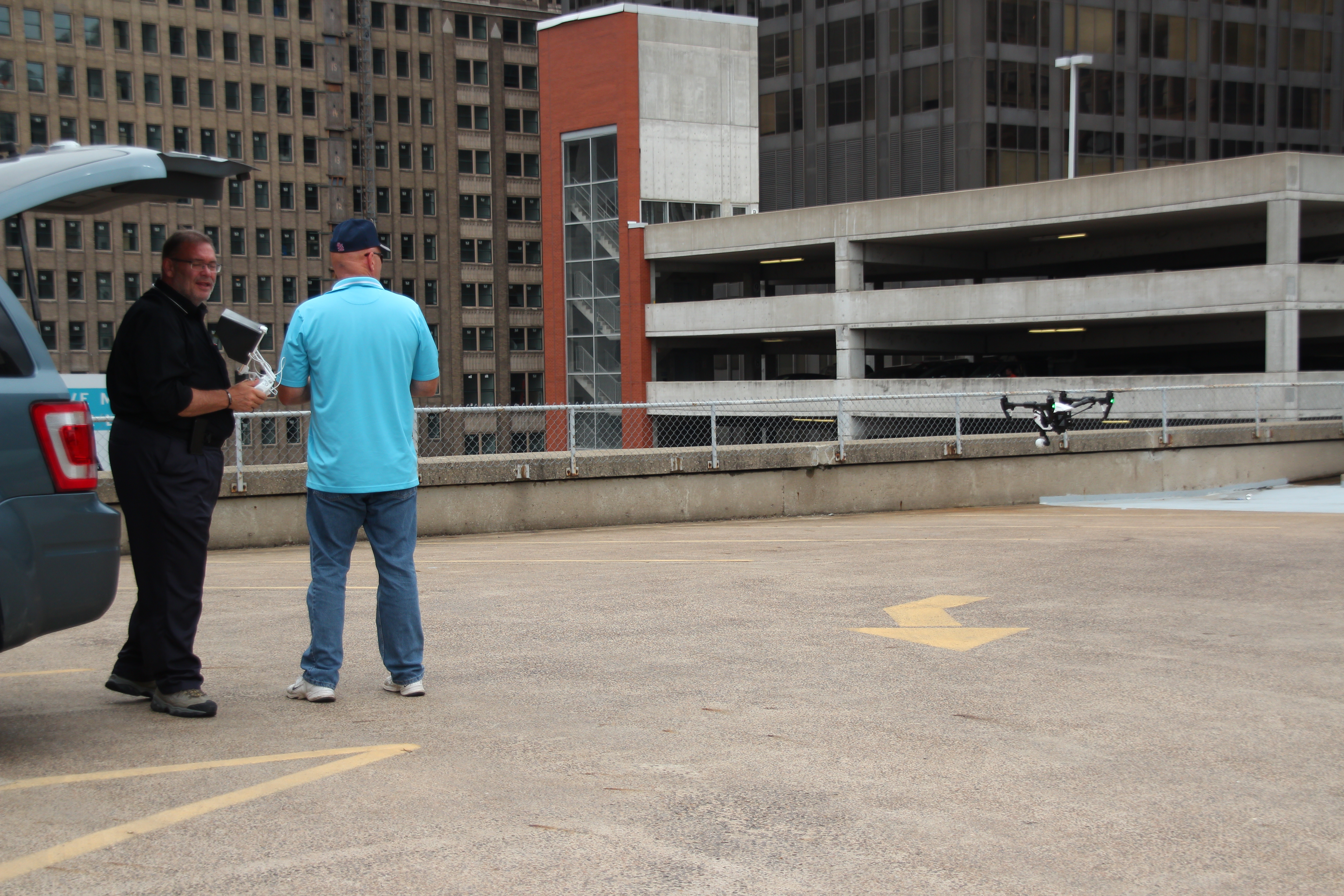
For inspections that demand unique perspectives, we can even fly our specialized drones indoors where appropriate and safe, capturing views that traditional methods simply cannot reach.

As a full-service video and photography production corporation since 1982, St. Louis Video Studio has worked with many businesses, marketing firms and creative agencies in the St. Louis area for their marketing photography and video. Whether you’re documenting building heat loss, showcasing repairs, or telling a broader story about your organization’s commitment to efficiency and sustainability, we’re ready to help you capture it—and communicate it—clearly.

314-913-5626

stlouisvideostudio@gmail.com

Unknown's avatar

From Marathon to Micro: The Power of Repurposing Long-Form Training into Engaging Video Bites

In today’s fast-paced business landscape, attention spans are shrinking, and the demand for digestible, easily accessible information is at an all-time high. For decision-makers in marketing, video production, and photography services, this presents a unique challenge: how do you deliver essential training and educational content effectively when your audience is time-poor and inundated with information? The answer lies in the strategic repurposing of your valuable long-form training sessions into shorter, more impactful video clips.

Traditional lengthy training videos, while comprehensive, often suffer from diminishing engagement. Learners can become overwhelmed, lose focus, and struggle to retain key information. This is where the “micro-learning” approach, fueled by intelligently segmented video content, truly shines.

Why Shorter is Smarter: The Benefits of Video Micro-Content

  • Enhanced Engagement and Retention: Shorter videos are less daunting and easier to consume. This leads to higher completion rates and, more importantly, improved information retention. When content is broken down into specific, bite-sized modules, learners can focus on one concept at a time, making it easier to absorb and recall.
  • On-Demand Accessibility and Flexibility: Imagine your employees needing a quick refresher on a specific procedure. Instead of sifting through an hour-long training video, they can instantly access a two-minute clip that addresses their exact need. This on-demand availability empowers self-directed learning and immediate problem-solving.
  • Targeted Learning Paths: By segmenting your training, you can create customized learning paths. Different departments or roles may only need specific information from a broader training session. Shorter clips allow you to tailor content precisely, avoiding information overload and increasing relevance.
  • Versatility in Distribution: Short video clips are incredibly versatile. They can be embedded in internal communication platforms, shared on social media for external outreach, used in email newsletters, or even integrated into interactive learning modules. This expands the reach and utility of your initial investment in training content.
  • Cost-Effective Updates and Iteration: If a particular policy or procedure changes, it’s far more efficient to update or reshoot a short, specific video clip than to revise an entire long-form production. This agility ensures your training content remains current and accurate with minimal overhead.
  • SEO and Discoverability: For external-facing educational content, shorter, keyword-rich videos are more likely to rank higher in search results, driving organic traffic and positioning your organization as a thought leader.

The Strategic Approach to Transformation

Converting your extensive training sessions into impactful micro-content isn’t simply about cutting a long video into arbitrary segments. It requires a thoughtful, strategic approach:

  1. Content Audit and Identification of Key Concepts: Begin by meticulously reviewing your existing long-form training. Identify the core learning objectives, key takeaways, and distinct topics that can stand alone as individual video segments. Think about the natural breaks in the information flow.
  2. Scripting for Brevity and Clarity: Even if the original training was unscripted, consider creating concise scripts or outlines for your shorter clips. Each video should have a clear purpose, a defined beginning, middle, and end, and deliver a single, focused message.
  3. Visual Reinforcement: Leverage strong visuals to enhance understanding. This might include on-screen text, graphics, animations, or relevant B-roll footage. Remember, the goal is to convey information efficiently, and visuals are a powerful tool for this.
  4. Professional Editing and Post-Production: The quality of your micro-content reflects on your brand. Professional editing ensures smooth transitions, clear audio, consistent branding, and an overall polished look. This includes color correction, sound design, and the addition of lower thirds or graphics.
  5. Strategic Call to Action (Where Applicable): For external content, consider a subtle call to action. This could be a link to more information, a sign-up form, or an invitation to explore related topics. For internal training, the call to action might be a quick quiz or a link to a relevant resource.
  6. Leveraging AI in Media Production: Modern video production is significantly enhanced by Artificial Intelligence. AI can assist in transcription, content summarization, identifying key moments for segmentation, and even generating initial edits. This streamlines the process of breaking down long videos and optimizing them for various platforms.
  7. By embracing the strategy of converting long training sessions into shorter, purposeful video clips, businesses and organizations can dramatically improve the efficacy of their educational content. It’s an investment that pays dividends in employee engagement, knowledge retention, and the overall professional image of your brand.
  8. St Louis Video Studio and Photography: Your Partner in Image Acquisition Success
  9. At St Louis Video Studio, we understand the critical importance of effective visual communication. As a full-service professional commercial photography and video production company since 1982, we bring unparalleled experience and a creative crew to every project. We are equipped with the right tools and expertise for successful image acquisition, offering full-service studio and location video and photography. Our services extend to comprehensive editing, post-production, and we boast licensed drone pilots for captivating aerial perspectives, including the unique capability to fly our specialized drones indoors.
  10. St Louis Video Studio excels at customizing productions for diverse media requirements. We specialize in repurposing your photography and video branding to gain more traction, ensuring your visual assets work harder for you. Well-versed in all file types, styles of media, and accompanying software, we leverage the latest in Artificial Intelligence for all our media services, optimizing workflows and enhancing creative output.
  11. Our private studio offers the perfect lighting and visual setup for small productions and interview scenes, with ample space to incorporate props and round out your set. We support every aspect of your production—from setting up a private, custom interview studio to supplying professional sound and camera operators, as well as providing the right equipment—ensuring your next video production is seamless and successful. Since 1982, St Louis Video Studio has proudly partnered with numerous businesses, marketing firms, and creative agencies in the St. Louis area, delivering exceptional marketing photography and video solutions.

314-913-5626

stlouisvideostudio@gmail.com

Unknown's avatar

Beyond the Camera: The Art of Stress-Free Video Production Planning

As seasoned videographers, photographers, and producers at St Louis Video Studio, we’ve guided countless businesses and organizations through the seemingly complex world of video production. We understand that for many decision-makers, the idea of planning a video shoot can conjure images of logistical nightmares, budget overruns, and unexpected complications. However, with a structured approach and clear communication, planning a video shoot can be an efficient, even enjoyable, process that leads to exceptional results.

This post will demystify the planning stages, offering expert insights into how to approach your next video project with confidence and clarity, ensuring a stress-free journey from concept to captivating final product.

The Foundation: Why Meticulous Planning Matters

Think of video production as building a house. You wouldn’t start hammering nails without blueprints. Similarly, a video shoot requires a solid foundation of planning to prevent costly mistakes, wasted time, and creative compromises. Poor planning often leads to:

  • Scope Creep: The project expands beyond initial agreements, leading to budget and timeline issues.
  • Miscommunication: Vision discrepancies between client and production team, resulting in dissatisfaction.
  • Logistical Headaches: Unforeseen location issues, equipment shortages, or scheduling conflicts.
  • Mediocre Results: Rushed decisions on set compromise the final quality and impact of your message.

Your Stress-Free Planning Blueprint: Key Steps

Step 1: Define Your “Why” and “Who” – The Strategic Core

Before any creative ideas take shape, solidify the strategic purpose of your video.

  • Clear Objectives: What specific business goal does this video serve? Is it lead generation, brand awareness, employee training, product launch, or something else?
  • Target Audience: Who are you trying to reach? Understanding their demographics, pain points, and preferences will inform every creative decision.
  • Key Message: What is the single most important takeaway you want viewers to remember? Keep it concise and impactful.
  • Call to Action: What do you want viewers to do after watching the video? Visit a website, make a purchase, sign up for a newsletter?

Step 2: Budget & Timeline – Realistic Expectations

Transparency and realism here are paramount to avoiding stress later.

  • Establish a Budget Range: Communicate your financial parameters upfront. A professional production company can then advise on what’s achievable within those limits.
  • Set a Realistic Timeline: Factor in pre-production (planning, scripting, scheduling), production (filming), and post-production (editing, graphics, revisions). Good video takes time.
  • Contingency Planning: Always build in a buffer for both budget and time to account for unforeseen circumstances (e.g., weather delays, minor script changes).

Step 3: Creative Brief & Concept Development – Aligning Visions

This is where your vision starts to materialize.

  • Detailed Creative Brief: Provide your production partner with as much information as possible: brand guidelines, competitor examples, preferred styles, tone, and any existing assets.
  • Concept Presentation: Your production team should present initial concepts, script outlines, and visual references (mood boards, example videos). This is a collaborative phase for feedback and refinement.
  • Scripting & Storyboarding: Once a concept is approved, a detailed script is developed. For more complex shoots, storyboards or shot lists visually map out each scene, ensuring everyone is on the same page.

Step 4: Logistics & Scheduling – The Nitty-Gritty

This is where the detailed execution plan comes together.

  • Location Scouting: Identify and secure ideal locations that align with the creative vision and practical requirements. Consider lighting, sound, permits, and accessibility.
  • Talent Casting (if applicable): Whether professional actors or your own employees, ensure talent is briefed, available, and comfortable with their roles.
  • Crew & Equipment Allocation: A professional studio will assign the right videographers, photographers, sound technicians, lighting specialists, and the necessary equipment (cameras, drones, specialized lighting) for your specific shoot.
  • Detailed Production Schedule (Call Sheet): This document is the bible for shoot day, outlining timings, locations, scenes, and contact information for everyone involved. Share it widely.

Step 5: Pre-Production Meeting – Final Checks

A final meeting before the shoot day is crucial to ensure everyone is aligned.

  • Review Everything: Go over the script, storyboard, schedule, and logistical details one last time with all key stakeholders.
  • Address Questions: Provide an opportunity for any last-minute questions or concerns from the client or crew.
  • Contingency Plans: Discuss what-if scenarios (e.g., bad weather for an outdoor shoot) and agreed-upon backup plans.

By meticulously following these steps, you’re not just planning a video shoot; you’re orchestrating a seamless experience designed for success. The result is a high-quality video that achieves your marketing and communication goals, produced without the usual stress and uncertainty.


At St Louis Video Studio, we believe that brilliant video and photography begin with exceptional planning. As a full-service professional commercial photography and video production company since 1982, we bring over four decades of experience to every project. We possess the right equipment and a creative crew with extensive service experience for successful image acquisition. We offer full-service studio and location video and photography, as well as comprehensive editing, post-production, and licensed drone pilots.

St Louis Video Studio can customize your productions for diverse types of media requirements, specializing in repurposing your photography and video branding to gain more traction. We are well-versed in all file types and styles of media and accompanying software, utilizing the latest in Artificial Intelligence for all our media services to ensure cutting-edge results. Our private studio lighting and visual setup is perfect for small productions and interview scenes, large enough to incorporate props to round out your set. We support every aspect of your production—from setting up a private, custom interview studio to supplying professional sound and camera operators, as well as providing the right equipment—ensuring your next video production is seamless and successful. We can even fly our specialized drones indoors for unique perspectives and dynamic shots.

Having worked with numerous businesses, marketing firms, and creative agencies in the St. Louis area, St Louis Video Studio is your trusted partner for marketing photography and video, transforming complex production processes into stress-free, successful ventures.

314-913-5626

stlouisvideostudio@gmail.com

Unknown's avatar

Shooting B-Roll for Better Interview Videos: A Director’s Playbook for Decision Makers

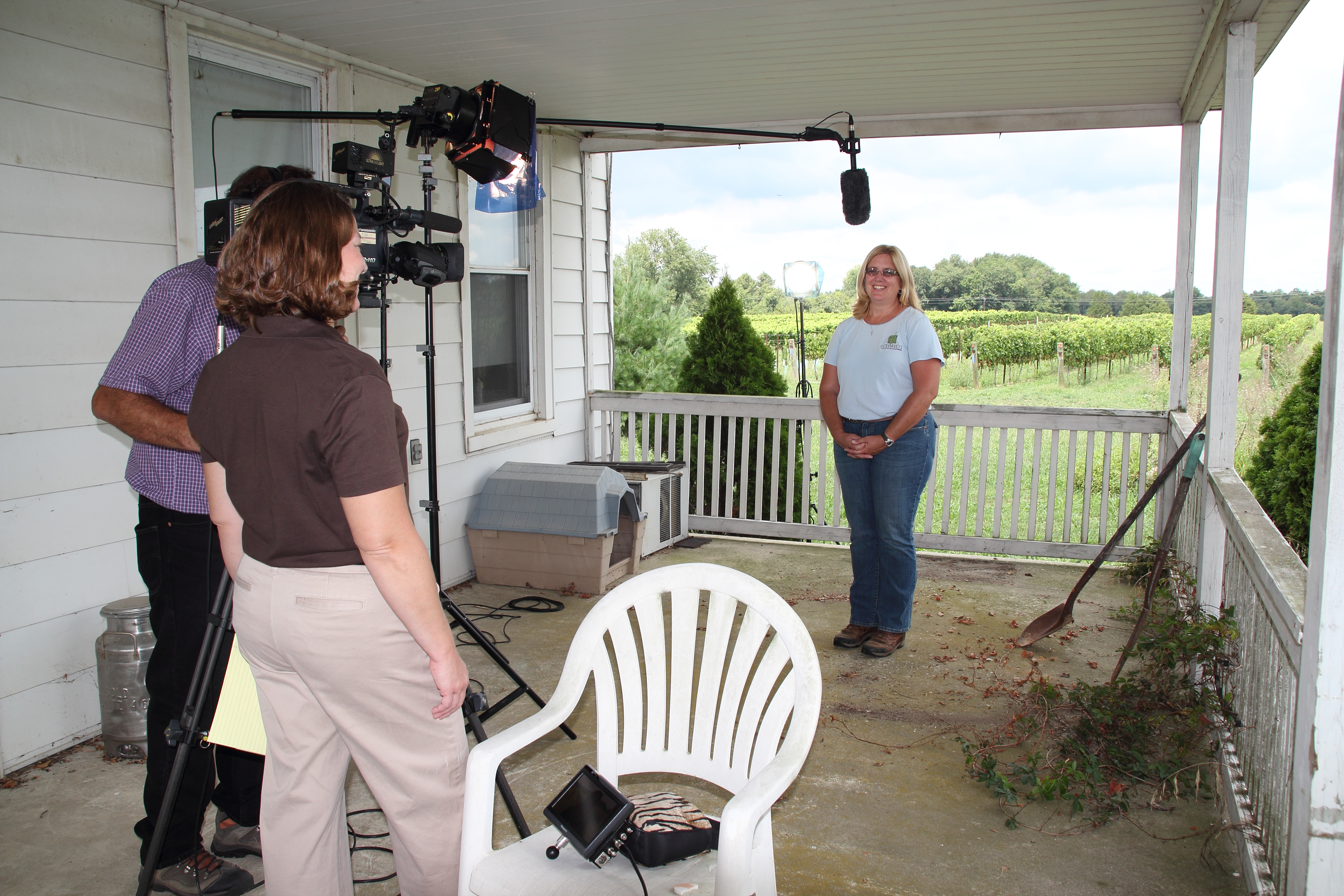
If your interviews feel flat, the fix usually isn’t a new camera—it’s better B-roll. Thoughtful cutaway footage elevates on-camera answers into a narrative that persuades, clarifies, and moves viewers to act. Below is the framework we use at St Louis Video Studio to plan, capture, and integrate B-roll that makes interviews land with authority and style.
Why B-Roll Matters (to Business Outcomes)

  • Context & credibility: Show the process, place, and people behind claims to reduce viewer skepticism.
  • Clarity: Visualize features, workflows, and outcomes so complex ideas become self-evident.
  • Pace & retention: Varied imagery resets attention and smooths jump cuts, increasing watch-through.
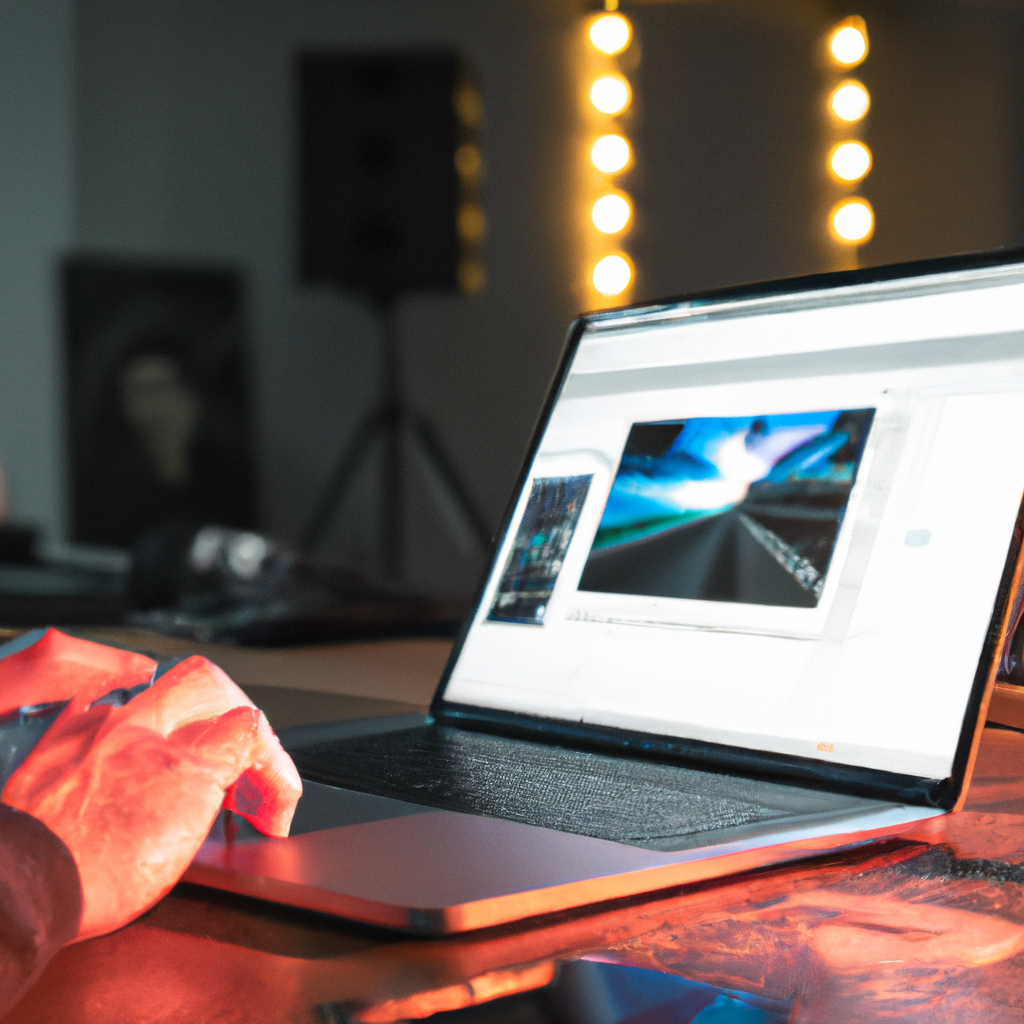
  • Repurposability: A great B-roll library fuels social edits, sales decks, product pages, and launch reels.

Start with Message, Not a Shot List

Before we talk lenses or gimbals, we map the message arcs you need to land:

  1. Who is speaking and why they’re credible.
  2. What is the benefit or transformation.
  3. How it works (process or proof).
  4. What’s next (CTA or desired action).

For each arc, we pair visual proof points—moments that demonstrate the claim. Example: if an interview mentions “same-day turnaround,” we capture time-stamped workflow boards, scan guns, courier hand-offs, and the final product leaving the dock.

Pre-Production: The B-Roll Blueprint

  • Interview beat sheet: Highlight phrases you know will need cover (jargon, lists, long sentences).
  • Location walk-through: Identify hero spaces, quiet zones, natural movement paths, and drone-safe corridors (we can fly specialized cinewhoop drones indoors).
  • People & permissions: Confirm who can be filmed doing what; secure releases and any brand or safety approvals.
  • Props & demos: Stage real artifacts—devices, packaging, dashboards, product cross-sections.
  • Wardrobe & brand color cues: Ensure textures and tones that play nicely at your brand white balance.
  • Shot architecture: Pre-plan W-M-T (wide/medium/tight) passes for every key activity to guarantee editorial flexibility.

Shot Design That Sells the Story

Prioritize “people doing” over “people pointing.” The most valuable B-roll types for interviews:

  1. Process: Assembly, testing, client hand-offs, onboarding steps.
  2. Environment: Establishing exteriors, signage, interiors with meaningful context (not empty hallways).
  3. Interaction: Team huddles, whiteboard sketches, customer demos, usability testing.
  4. Details & macro: Hands, instruments, displays, textures, materials—visual “verbs.”
  5. Transitions: Doors opening, feet walking, forklifts moving—great for pacing and scene bridges.
  6. Aerials (including indoor): Spatial orientation of facilities, site scale, and equipment layout.

Movement choices:

  • Locked-off for authority (data screens, instruments).
  • Slider or slow gimbal for polish on processes.
  • Handheld micro-movement for energy with people.
  • Dolly-in on key claims (motivated by the interview’s emphasis).
  • Cinewhoop interiors for sweeping reveals without disrupting operations.

Technical Cohesion with Your A-Roll

Consistency beats novelty. Match the interview’s image science:

  • Frame rate: If interviews are at 23.98/24, capture most B-roll at the same rate; reserve 48/60 only for intentional slow-motion beats.
  • Shutter & motion cadence: Keep ~180° shutter (e.g., 1/48 at 24p) for natural motion.
  • White balance & color: Lock Kelvin; avoid auto WB. Shoot one profile (Log or Rec.709) across bodies.
  • Glass & filtration: Polarizer for screens/reflections; variable ND for constant aperture; macro for texture.
  • Lighting continuity: Key practicals (lamps, monitors) to match interview color contrast; add a gentle edge or negative fill to sculpt.
  • Sound beds: Capture NAT sound (machines, keystrokes, ambient room tone) for editorial glue under B-roll.

On-Set Workflow: Coverage Without Chaos

  • Three-pass rule: For each action, run a wide, functional medium, and expressive tight pass.
  • Subject-motivated movement: Start moves on action (hand lift, tool press) to create cut points.
  • Continuity stills: Snap a quick reference photo after each setup for reshoots or future batches.
  • Metadata discipline: Card labels by location/scene; clip notes for high-value selects (“Operator explains torque step”).
  • Coverage ratio: Plan 3–5 minutes of B-roll per minute of interview for efficient edits and future repurposing.

Editorial Integration: Turn Answers into Stories

  • Edit rhythm: Use J-cuts to pre-lap B-roll before new answers; L-cuts to sustain visuals through thought changes.
  • Cut on action: Hide edits by cutting mid-movement (hand pull, page turn).
  • Bridge problem → solution: Start with a friction visual, land on a successful outcome.
  • Use slow motion sparingly: Deploy for emphasis—operator precision, pivotal product moments—and keep it brief.
  • Graphics & captions: Lower thirds, UI callouts, and captioned definitions to translate jargon into value.
  • Color pipeline: One primary grade for cohesion; secondaries to brand hues; maintain believable skin tones.
  • QC pass: Check lip sync on visible dialogue, logo clearance, any safety or compliance visuals.

Smart Uses of AI (That Actually Help)

We incorporate AI where it saves time or adds quality without compromising authenticity:

  • Transcription & paper-edits: Auto-transcribe interviews, keyword search sound bites, and map B-roll candidates to lines.
  • Shot detection & tagging: Quickly cluster similar B-roll for versioning and social pull-through.
  • Noise reduction & speech enhancement: Clean dialogue transparently.
  • Object cleanup (when permitted): Remove stray logos or identifiers.
  • Style-consistent color assists: AI-guided balancing across multi-camera shoots before the final grade.

Repurposing: Squeeze More Value from Every Shoot

  • Aspect ratio strategy: Capture “clean” frames to support 16:9, 1:1, and 9:16 outputs.
  • Evergreen B-roll library: Tag by product, process, persona, and outcome for future campaigns.
  • Versioning plan: From a single interview, spin a 90-second hero, 30-second cut-downs, and 10–15 second verticals for ads and social.
  • Rights & compliance: Track releases, expiration windows, and facility restrictions to keep assets usable long-term.

Practical Tools: Checklists You Can Use

Pre-Production B-Roll Checklist

  • Interview beat sheet with visual proof points
  • Location map + drone/flight plan (indoor corridors marked)
  • Releases/approvals (brand, safety, compliance)
  • Props/products staged; screens prepped with demo data
  • Wardrobe guidance issued; color temperature plan set
  • Shot architecture: W-M-T passes per action
  • NAT sound targets identified

On-Set Coverage Pattern (per scene)

  1. Establishing wide (5–10 sec static)
  2. Functional mediums (two angles)
  3. Tights & macro (hands, indicators, textures)
  4. Expressive move (slow push or lateral)
  5. Transition beats (doors, feet, forklifts)
  6. NAT sound bed (20–30 sec)

Post-Production Hand-Off

  • Labeled folders by scene/action
  • Paper-edit with B-roll suggestions per line
  • Color notes, white balance targets, any legal flags
  • Shortlist of “hero” shots for thumbnails and teasers

A Sample Half-Day Run of Show

  • 00:00–00:30 Lighting & audio for interview; camera tests; white balance lock
  • 00:30–01:30 Interview capture (primary + safety cam)
  • 01:30–02:30 Process B-roll (W-M-T passes)
  • 02:30–03:00 Interaction & demo sequences (customers or internal team)
  • 03:00–03:15 Indoor drone reveals (corridor + hero space)
  • 03:15–03:30 Details, macro, transitions, NAT sound, safety pickups

Why Teams Hire Us for This

St Louis Video Studio is a full-service professional commercial photography and video production company with the right equipment and seasoned crew to ensure reliable, high-quality image acquisition—in studio or on location. We handle studio and location video and photography, editing, and post-production, and our licensed drone pilots (including specialized indoor flight) add dynamic perspectives safely and legally.

We customize productions for diverse media requirements and repurpose your photography and video branding to extend reach across platforms. Our team is well-versed in all file types, media styles, and the accompanying software, and we leverage the latest in Artificial Intelligence for transcription, tagging, cleanup, color assistance, and accelerated post workflows—always with human creative oversight.

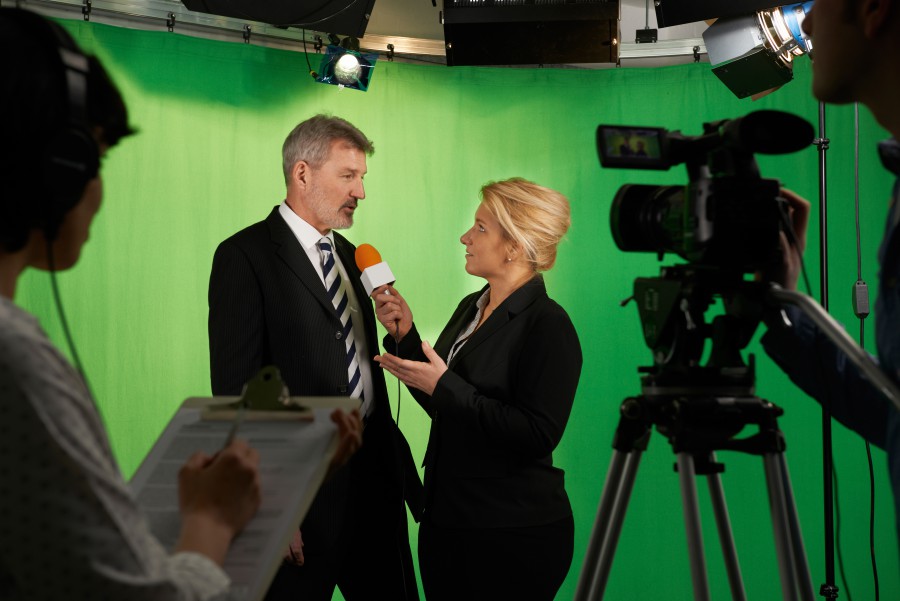
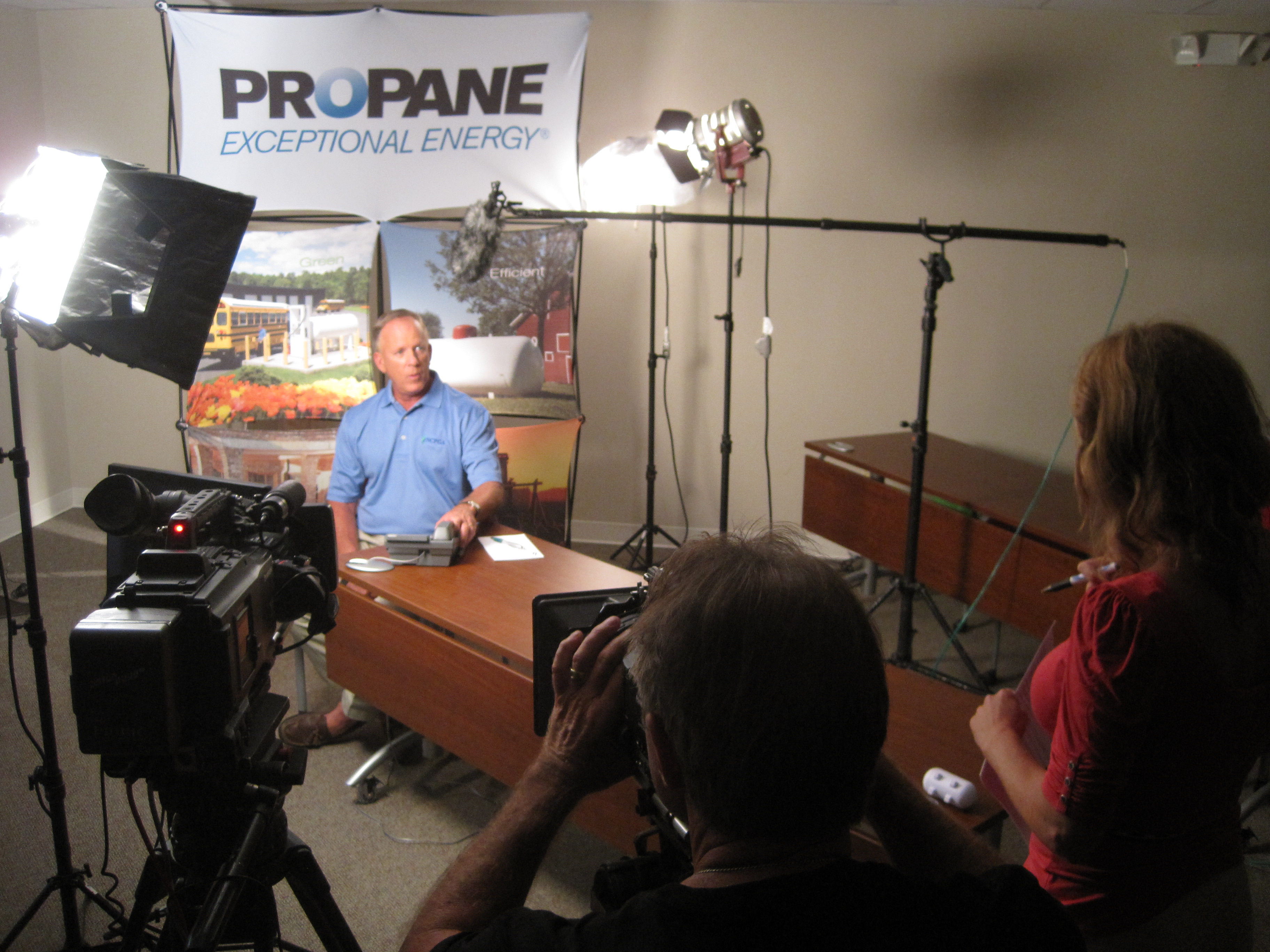
Our private studio lighting and visual setup is ideal for small productions and interview scenes, with enough space to incorporate props and create on-brand environments. We support every aspect of your production—from setting up a private, custom interview studio to supplying professional sound and camera operators and the right gear—so your next video is seamless and successful.

Since 1982, we’ve partnered with businesses, marketing firms, and creative agencies across the St. Louis area to deliver marketing photography and video that performs. If you’re ready to transform your interviews with B-roll that actually moves the needle, we’re ready to roll.

314-913-5626

stlouisvideostudio@gmail.com